REVIEW · LOUISVILLE
Old Louisville Walking Tour Recommended by The New York Times! @ 4th and Ormsby
Book on Viator →Operated by Louisville Historic Tours · Bookable on Viator
Old Louisville has a way of turning sidewalks into stories. This walking tour in Louisville mixes historic architecture with local lore, from leafy courts like Floral Terrace to the big green heart of Frederick Law Olmsted’s Central Park. I especially like how the guide keeps it moving without rushing and adds color that makes the neighborhood feel real, not staged.
Two other wins for me: you’re not just looking at buildings from afar. You get a guided path through the famous walking-court layout that makes Old Louisville feel different from most city tours, and you can optionally step deeper at places like Conrad’s Castle. The main drawback is practical: you’ll need to handle about 90 minutes of walking without a bathroom break, and the starting area is a transitional stretch where you may see panhandlers or people experiencing homelessness.
In This Review
- Key Things to Know Before You Go
- Why Old Louisville Feels Like a Time Machine
- Meeting Point at West Ormsby and South 4th: Quick Logistics, Real City
- Old Louisville First: A Neighborhood Tour That Doesn’t Pretend It’s a Museum
- Floral Terrace: A Quiet Arts-and-Crafts Courtyard Break
- Witches’ Tree: Louisville Folklore in One Twisted Trunk
- Central Park by Frederick Law Olmsted: Shade, Trees, and Shakespeare
- Conrad-Caldwell House Museum: Conrad’s Castle, Exterior Views First
- St. James Court Fountain: Venus Rising from the Sea
- Belgravia Court: Gas Lamps and a 24-Hour Design
- Millionaires’ Row Feeling: Bernheim Mansion and Green Men
- Filson Historical Society Stop: Beaux-Arts in a Former Grand Home
- How Much Walking Is This, Really?
- Price and Value: Is $25 Worth It?
- When to Go and What to Bring
- Should You Book This Old Louisville Walking Tour?
- FAQ
- How long is the Old Louisville walking tour?
- How much does the tour cost?
- Where does the tour start?
- Is this tour a walking tour only?
- Will I be able to enter houses on the tour?
- Are there any additional fees at the stops?
- What language is the tour offered in?
- How big are the groups?
- Is the tour accessible for visitors with mobility issues?
- What if the weather is bad?
Key Things to Know Before You Go
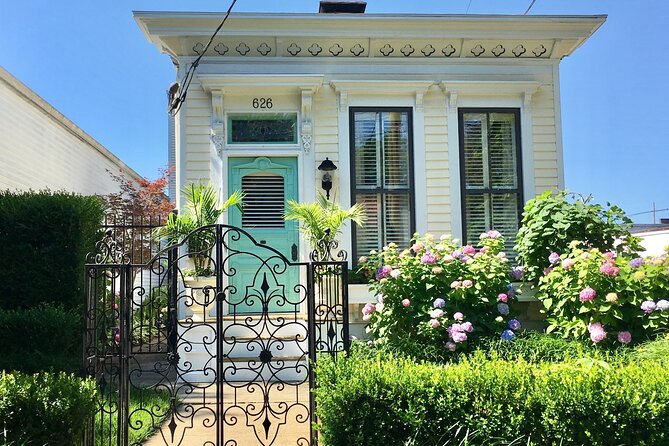
- Courts, fountains, and legends: You’ll see how Old Louisville’s design shapes daily life, plus a few spooky stories.
- Olmsted’s touch in Louisville: Central Park is a short walk and a big design payoff.
- No house-hopping: Most homes are private, so you admire exteriors from the sidewalk.
- Small groups: Max 25 people keeps the pace friendly and the facts understandable.
- Optional museum upgrades: Conrad-Caldwell House Museum is visible on the walk, with paid interior visits available.
Why Old Louisville Feels Like a Time Machine

Old Louisville is one of the biggest historic neighborhoods you’ll ever walk through in the U.S., with more than a thousand structures spread across about 40 square blocks. That scale matters. When you’re on foot, you can actually feel the neighborhood’s “grid of grandeur” instead of only seeing it in photos.
I also like that this tour doesn’t pretend Old Louisville is a theme park. It’s a living neighborhood, which means you’ll encounter normal city life while still getting clear, focused storytelling about the architecture and planning behind what you see.
You can also read our reviews of more walking tours in Louisville



Meeting Point at West Ormsby and South 4th: Quick Logistics, Real City
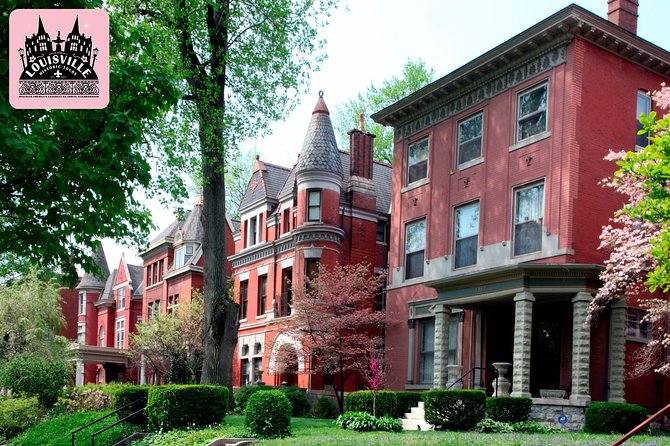
Your tour starts at West Ormsby Avenue and South 4th Street (W Ormsby Ave & S 4th St, Louisville, KY 40203). It’s a central meeting point, and you’ll get a mobile ticket, which keeps things simple.
Here’s the one heads-up to take seriously: the start is in a transitional area. You might encounter panhandlers, people who are homeless, and folks who don’t look like you. That doesn’t mean you’re in danger—it just means you should stay alert, keep your phone put away until you’re settled, and be aware of your surroundings the way you would in any busy city area.
If you’re traveling light, you’ll be glad the tour is near public transportation. If you hate carrying a bag on your shoulder the whole time, plan to keep it small, and wear shoes you can walk in comfortably.
Old Louisville First: A Neighborhood Tour That Doesn’t Pretend It’s a Museum
The first stop is Old Louisville itself. This is where the neighborhood size becomes obvious. You’ll move through blocks filled with historic homes, and you’ll learn how Old Louisville fits the city’s broader story of growth and changing fortunes.
Because this is a walking tour, you don’t enter private residences. Most of what you’re taking in is exterior detail—porches, setbacks, and the overall feel of these streets. That can sound limiting until you realize it’s also respectful. You’re getting the architecture without turning someone’s home into a photo backdrop.
One more real-world note: along Fourth Street near the north edge of the neighborhood, you can run into panhandlers and homelessness. The guide’s job is to keep the group oriented and moving, and your job is to follow their lead and don’t let distractions slow you down.
You’ll also pause near the Conrad-Caldwell House Museum. The stop is outside, so there’s no included interior admission. If you want the full mansion experience, you can arrange a paid visit with the museum.
Floral Terrace: A Quiet Arts-and-Crafts Courtyard Break

Floral Terrace is one of those places that makes you stop walking for a second, even while you’re still on the schedule. It’s a tucked-away walking court, the kind of spot you’d miss if you were just scanning street corners.
The look here is very much about the relationship between Arts and Crafts-style residences and greenery. It’s not only pretty—it’s instructive. You’ll start to see how Old Louisville’s design uses shared spaces to create pockets of calm in a busy city.
This stop is short, but that’s part of the value. It gives your brain a change of scenery before you go back into the broader streetscape.
Witches’ Tree: Louisville Folklore in One Twisted Trunk
Next comes The Witches’ Tree. This stop is built on local legend. The story goes that a cherished tree used by local witches was cut down, and people at the time believed the community paid a price in the form of a tornado sent in revenge. Whether you believe it or not, the legend works because it explains how neighborhoods pass down meaning.
What you’ll notice is that visitors often leave offerings on the twisted trunk. If you stop here, be respectful. Don’t treat the tree like a souvenir stop. Just take a moment, let the story land, and move on when your group is ready.
This is also where the guide’s storytelling style becomes your secret weapon. The tour isn’t only about facts. It’s about learning how locals make places feel memorable.

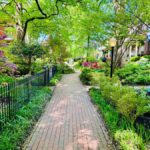
Central Park by Frederick Law Olmsted: Shade, Trees, and Shakespeare
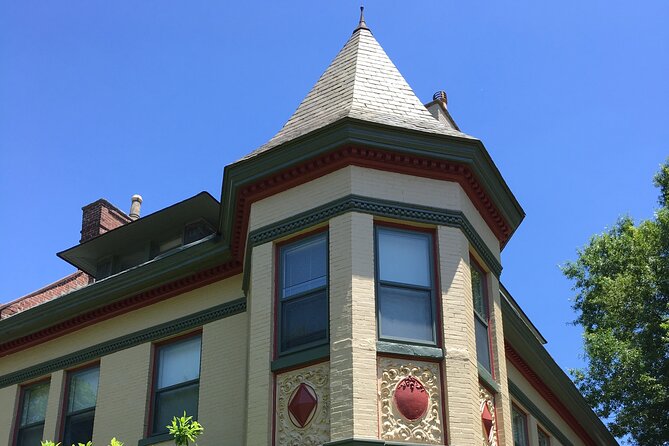
Then you hit Central Park, Louisville’s version of a green pocket built with the same famous mind behind New York City’s park design. Here, the connection to Frederick Law Olmsted is a real anchor point, not a random trivia nugget.
The park spans about four blocks and includes 14 acres of native tree species. Expect shaded walkways and a softer pace than the streets.
One of the coolest details is what happens here in summer: Shakespeare in the Park takes place each year since 1961, making it the nation’s oldest free outdoor Shakespeare event. Even if you’re not visiting during performance season, it gives you context for why locals keep using this space.
This stop is also a nice break if you’re touring in warmer months. The shade can make the remaining distance feel shorter.
Conrad-Caldwell House Museum: Conrad’s Castle, Exterior Views First
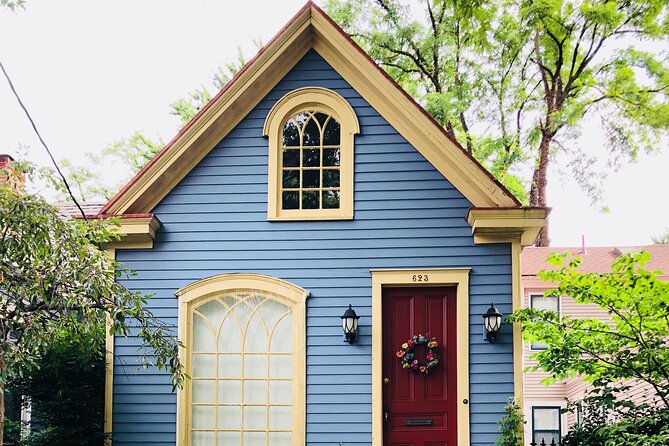
You’ll return to the Conrad-Caldwell House Museum area for another pause. Again, this walk doesn’t include entering structures. You’ll see it from outside and get the story that makes it a destination in its own right.
If you’re curious about the interiors, you can arrange a paid mansion tour separately. Since that’s not included, I recommend deciding in advance whether you want more time at a museum stop or if you prefer to keep this tour focused on the neighborhood streets.
Either way, even the exterior stop is useful. It helps you connect the architecture you’ve seen across Old Louisville to one standout landmark.
St. James Court Fountain: Venus Rising from the Sea
The St. James Court Fountain is the kind of stop that feels instantly iconic. You’ll see the statue of Venus Rising from the Sea, a symbol of Old Louisville dating back to the 1890s.
This is also a practical pause. If you’re in warm weather, the fountain’s water and nearby activity can feel refreshing. Just keep an eye on the pace of your group. Photos are fine, but don’t lose track of where you are in the route.
Belgravia Court: Gas Lamps and a 24-Hour Design
Belgravia Court is next, and it delivers exactly what the name promises: a walking court experience. You’ll stroll among gas lamps, and the route is designed to keep that court character intact day or night.
Belgravia Court has been popular since 1891, and it’s often treated like a signature part of Old Louisville’s identity. It’s also a great place to look for the pattern that repeats across the neighborhood: courts, edges, and streets that work together.
This stop is short, but it helps you understand the whole neighborhood layout instead of just collecting sights.
Millionaires’ Row Feeling: Bernheim Mansion and Green Men
At the heart of Old Louisville’s Millionaires Row, you’ll see the Bernheim Mansion. The mansion stands out for its Richardsonian Romanesque style and for those distinctive sculptural details—especially the green men arranged around a triple Roman-arched porch.
This part of the tour is valuable because it shifts you from “court and charm” into “bigger architectural statement.” You’ll start to notice patterns like how wealthy homes used ornament as a public display of taste, money, and identity.
Even if you don’t consider yourself an architecture nerd, this stop is an easy win. The visual details make the facts stick.
Filson Historical Society Stop: Beaux-Arts in a Former Grand Home
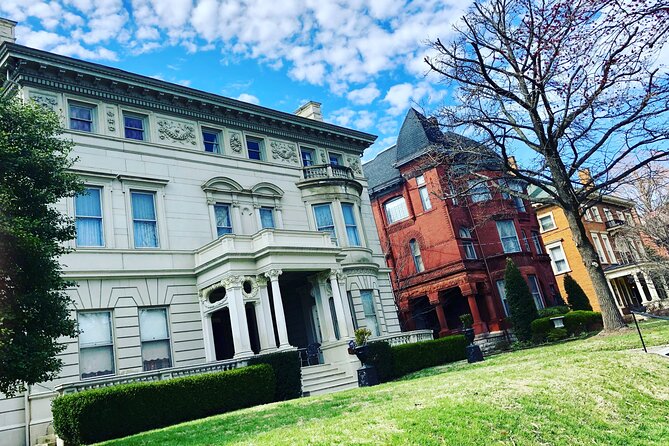
The last notable landmark is The Filson Historical Society, housed in the Ferguson Mansion. The mansion was built in 1905 and is described as having once been the grandest home in the city.
Architecturally, it’s a strong example of Beaux Arts design. Today, the building serves as the headquarters for the Filson Historical Society, and interior visits can be arranged separately.
On this tour, you’ll get the walk-by perspective that ties the neighborhood together. It’s a good final connection point: you see how the neighborhood’s grand homes can be repurposed and still remain part of Louisville’s public story.
How Much Walking Is This, Really?
This tour runs about 1 hour 40 minutes to 2 hours. That’s a manageable chunk for most people who enjoy city walking.
But the key condition matters: you must be able to walk for 90 minutes without a bathroom break. That’s not about discomfort—it’s about pacing and route planning. If you’re someone who needs frequent bathroom access, plan carefully before booking.
It’s also not recommended for visitors with mobility issues. The tour is described as requiring moderate physical fitness, and the walking courts and streets mean you’re on foot for the whole experience.
Group size is capped at 25 travelers, which helps keep the walk from feeling chaotic and lets the guide manage timing better.
Price and Value: Is $25 Worth It?
At $25 per person for about two hours, the price lands in the “smart spend” category if you like guided context. You’re paying mainly for the guide and the way they connect details you’d otherwise miss.
Most stops are free to view from the walk (and there’s no included admission needed for the regular stops). The big exceptions are the museum-style options like Conrad-Caldwell House Museum and interior visits at certain landmark buildings, which are not included.
So your costs stay predictable unless you choose to add a museum tour. For me, that’s the sweet spot: you get the neighborhood experience for one set price, then you decide if you want extra indoor time.
When to Go and What to Bring
This tour depends on good weather, so if rain is in the forecast, you may need to reschedule depending on how conditions turn out. When the weather cooperates, it’s a great walking window because the neighborhood layout makes it easy to enjoy breaks in shade at places like Central Park.
What to bring:
- Comfortable walking shoes (you’re on your feet for nearly two hours).
- Water, especially if you’re visiting in hot months.
- A layer for mornings or evenings, since Louisville weather can shift.
Also, start with bathroom needs handled before you meet the group. Since you can’t count on a break mid-walk, arriving prepared makes the whole thing smoother.
Should You Book This Old Louisville Walking Tour?
Book it if you want a guided way to understand Old Louisville without spending a full day on museums. This is ideal for first-timers who love architecture, courtyards, and stories that explain what you’re seeing as you walk.
Skip it if you need frequent bathroom stops or if mobility limitations make long uninterrupted walking hard. Also consider the start-area reality. You’ll be fine if you’re comfortable in cities and you follow the guide’s lead, but it’s not a “quiet suburban lobby” kind of beginning.
If you’re the type who enjoys a guide who can turn buildings, courts, and legends into something you remember later, this one fits well.
FAQ
How long is the Old Louisville walking tour?
It runs about 1 hour 40 minutes to 2 hours.
How much does the tour cost?
The price is $25.00 per person.
Where does the tour start?
The start point is West Ormsby Avenue & South 4th Street (W Ormsby Ave & S 4th St, Louisville, KY 40203).
Is this tour a walking tour only?
Yes. It is a walking tour, and the route does not include entering private residences.
Will I be able to enter houses on the tour?
No. Most homes in Old Louisville are private residences, so you’ll view buildings from the outside. You do stop in front of the Conrad-Caldwell House Museum, with optional paid tours available separately.
Are there any additional fees at the stops?
Most stops are free to view. The Conrad-Caldwell House Museum (Conrad’s Castle) and visits to certain buildings like the Filson Historical Society are not included, though you can arrange paid visits separately.
What language is the tour offered in?
The tour is offered in English.
How big are the groups?
There is a maximum of 25 travelers.
Is the tour accessible for visitors with mobility issues?
It is not recommended for visitors with mobility issues, and it requires you to be able to walk for 90 minutes without a bathroom break.
What if the weather is bad?
The experience requires good weather. If it’s canceled due to poor weather, you’ll be offered a different date or a full refund.