REVIEW · TOLEDO
Guided Walking Tour of Immortal Toledo
Book on Viator →Operated by Rutas Guiadas Toledo A Pie - Guías Oficiales Locales · Bookable on Viator
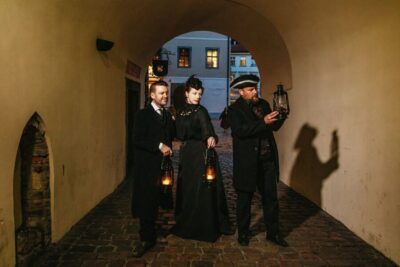
Toledo feels totally different after dark. This guided walking tour leans into Immortal Toledo’s nighttime mood and tells you what to look for when the streets go quiet. I love the way it mixes big themes like the Holy Inquisition with human-scale stories you can picture on the pavement, and I also like the pace: it stays conversational for the full 2 hours.
The standout for me is how the route highlights Toledo’s lesser-known corners, from Mozarabic community roots to the sites tied to El Greco. You get a guided thread through the Renaissance and Baroque world, plus a nod to how 19th-century romantics viewed the city. One consideration: this is a night walk, so plan for cooler temps and uneven streets, and it depends on good weather.
With a small group size (up to 30) and a mobile ticket, it’s easy to try something beyond the usual day-rush sightseeing. If you want one Toledo evening that feels story-driven and not just photo-driven, this is a strong pick.
In This Review
- Key reasons this night walk works
- Toledo after dark: what Immortal Toledo is really going for
- Value at $13.90: two hours, small group, big storytelling
- Starting at Plaza de Zocodover and keeping the night-sense right
- The Mozarabic thread: Cofradía de la Cáridad and early Toledo community
- San Ildefonso and the relic theft: a real story with real stakes
- Convent of San Pedro Mártir, Casa de Mesa, and San Román (Visigoth Councils Museum area)
- El Greco’s first Spanish stop: why it matters at night
- The little square, then the gates and walls: a night ending with real payoff
- Who should book Immortal Toledo at night?
- Should you book the Guided Walking Tour of Immortal Toledo?
- FAQ
- How long is the Immortal Toledo walking tour?
- Where do you meet, and where do you end?
- Is there a mobile ticket?
- Is it suitable for most people, and are service animals allowed?
- Does the tour run in all weather?
- Can I cancel for a full refund?
Key reasons this night walk works
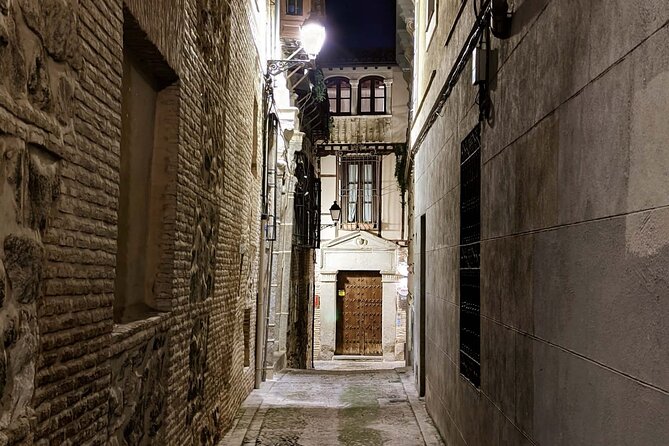
- Mozarabic roots and Cofradía de la Cáridad: start with a thread that helps you read Toledo’s past in a new way
- San Ildefonso and a 17th-century relic theft: a crime story tucked into religious tradition
- San Pedro Mártir, Casa de Mesa, and San Román: the tour points you toward big-name architecture without rushing inside
- El Greco’s early Toledo connection: you’ll hear how his work connects to specific local places
- Legends plus a real viewpoint finish: you end with gates, walls, and a wide look over the district
- Local official guides in a small group: the tour format keeps the discussion flowing for the whole walk
Toledo after dark: what Immortal Toledo is really going for
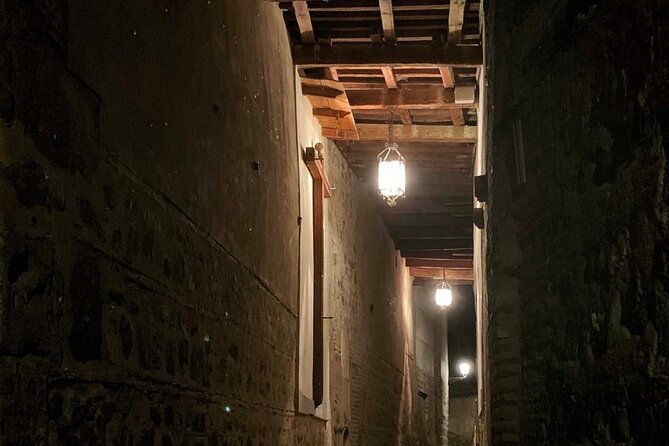
This tour is built around one simple idea: Toledo at night changes what you notice. As the light fades, the streets, alleys, and squares feel calmer, and the city’s darker stories land more naturally. You’re not just walking; you’re being guided into a mood—quiet convent neighborhood vibes, shadow-and-light Renaissance drama, and the sense that the city has secrets it still holds.
The tour’s story themes are the secret sauce. You’ll hear about institutions and hospitals, the Holy Inquisition and its secret jail, epidemics, executions, and the world of relics. Even if some of that sounds heavy, the way it’s presented helps you understand why Toledo’s art, faith, and power stories are intertwined. Then you’ll get the 19th-century romantic lens, which adds a different kind of framing—more imagination, less textbook voice.
If you like walking tours that teach you how to see, this format is ideal. You leave with mental images of scenes that match the streets you just walked, so Toledo doesn’t blur into a generic “pretty city” stop.
Value at $13.90: two hours, small group, big storytelling
At $13.90 per person for about 2 hours, this is a budget-friendly way to get a guided night experience without paying premium museum prices. You’re also not stuck in long transit time, because the walk is concentrated around central Toledo’s key areas. For many visitors, that means you’re spending your limited time in the most useful way: on-foot orientation plus context.
The group size is capped at 30 travelers, which matters more than it sounds. Smaller groups usually mean the guide can keep energy up, cover details, and let questions or quick comments flow. That helps the tour feel like a guided stroll rather than a lecture with headsets.
You’ll also use a mobile ticket, which saves you from paper tickets and sorting lines. It’s one of those small practical choices that makes an evening tour smoother, especially when you’re trying to meet at the right moment.
Starting at Plaza de Zocodover and keeping the night-sense right
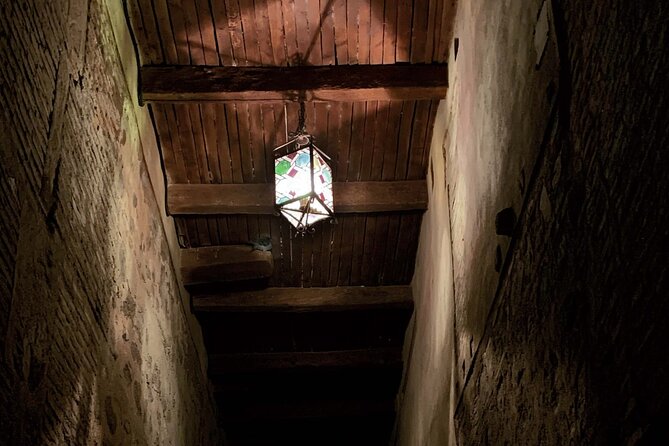
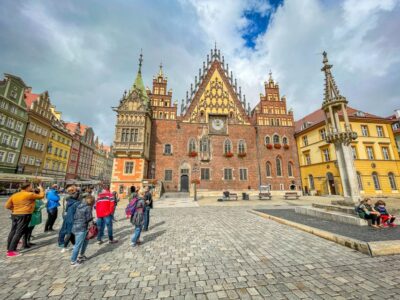
The tour begins at Plaza de Zocodover, the classic heart of Toledo. Meeting here is helpful because it’s easy to orient yourself fast, and it’s a logical place to start when you’re shifting from daytime strolling to night wandering. From the start, the guide’s approach is about teaching you where to look: street angles, sightlines, and the way certain neighborhoods feel different once you’re walking through them under lower light.
Expect the tour to move through spots where you’ll get outside views rather than a long list of inside ticket lines. That works well at night. You won’t feel like you’re losing the atmosphere by stopping constantly for entry procedures. The overall feel is continuous: story, visual cue, then forward again.
One practical thing I’d plan for: comfortable shoes. Even when the tour isn’t described as a tough hike, you’re walking after dark in an old city. Uneven pavement is normal in Toledo, and you’ll enjoy the stories more when you’re not concentrating on your footing.
The Mozarabic thread: Cofradía de la Cáridad and early Toledo community
One of the first stops sets a cultural foundation: the Mozarabic community and the Cofradía de la Cáridad, described as the oldest cofradía in Spain. This is a smart opening because it tells you that Toledo wasn’t shaped by only one story. The city’s identity was layered over time by different communities and traditions, and Mozarabic history helps you understand why Toledo’s religious and cultural life has so many echoes.
What I like about starting here is that it gives you a framework for the rest of the evening. When the tour later talks about patronage, relics, institutions, and power struggles, you can connect those themes to a city that has long traditions of organized religious life—along with the tensions and transitions that come with being a frontier of cultures.
You don’t need to know anything going in. The guide’s job here is to make the place understandable in the moment. If you’re the type of traveler who enjoys context that makes later art and architecture click, this first segment does that work for you.
San Ildefonso and the relic theft: a real story with real stakes
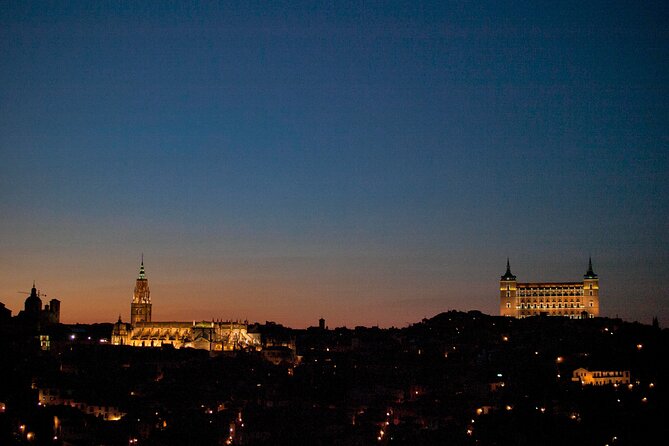
Next comes San Ildefonso, the patron highlighted by the tour, plus the incredible event of a 17th-century theft of one of his relics. This is where the tone starts leaning into drama—not just religious routine. Relics aren’t treated like museum objects. They’re presented as meaningful parts of belief, reputation, and authority, which is why a theft would matter so much in that era.
Even though this is an external visit, the story focus makes it feel like more than just looking at a façade. You’re learning what the person and the relic represented, and why that kind of event would ripple through a city like Toledo. It’s the kind of story that makes you look up at buildings differently. You start to see why certain places held attention and why “important” spots were important in multiple ways—spiritual, political, and social.
If you’re worried the theme might feel too dark, don’t skip it. The tour is careful to tie these dramatic episodes into the wider Toledo narrative, so you’re not just collecting sensational anecdotes. You’re building a picture of how people lived with faith, fear, and the institutions that controlled both.
Convent of San Pedro Mártir, Casa de Mesa, and San Román (Visigoth Councils Museum area)
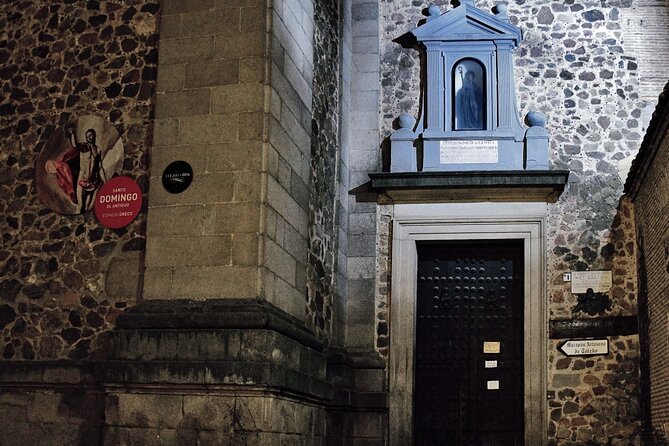
One stop is at one of Toledo’s higher points, where you get a concentration of landmarks: the front of the Church of the Convent of San Pedro Mártir, the Casa de Mesa, and the old Church of San Román, now the Visigoth Councils Museum. Standing in that zone, you can sense why Toledo was such a defensive and symbolic city. Elevation gives you visibility, and visibility historically meant control.
This segment is valuable because the tour uses outside viewpoints to connect different eras. You’re seeing a mix of religious architecture and later layers, and the guide’s storytelling helps you notice the city’s timeline without turning the walk into a museum day. If you’re hoping to understand Toledo’s layers—Visigoth references, later religious movements, and the Renaissance/Baroque world—the height and clustering of sites is a strong setup.
A quick travel note: higher points are also where wind can pick up at night. If you’re sensitive to cold, bring a light layer. Then you can enjoy the viewpoints without rushing the story just to get warm.
El Greco’s first Spanish stop: why it matters at night
This tour doesn’t treat art as separate from life. One of the key stops points to what’s described as the first place in Spain where El Greco painted, with two original Cretan works preserved there today. Hearing that during a night walk changes the flavor of art history. Instead of thinking about the painter in a distant way, you get a local anchor: El Greco tied to a specific place, not just a name in a guidebook.
External visits here still work because the guide connects the meaning of those preserved works to Toledo’s broader Renaissance mood. El Greco’s style is often discussed in terms of emotion and light, and in a nighttime setting, that conversation feels more natural. The city’s shadows do part of the job for you.
If you’re an art fan, this is worth it even if you don’t plan a full El Greco museum day. It gives you a starting point that helps you recognize why Toledo kept pulling artists in and why the city’s look suited dramatic interpretation.
The little square, then the gates and walls: a night ending with real payoff
As the tour progresses, you’ll pass a charming little square where history and legend meet. The important part here is the guide’s method: they don’t treat it as trivia. They use the square as a stage set, giving you a story you can carry with you as you keep walking.
Then you reach the grand finish: a view of the Toledo district, plus some of its gates and walls, ending at Mirador del Azor (about a five-minute walk from Plaza de Zocodover area). This is exactly the kind of ending that makes the whole evening feel “complete.” After two hours of stories, you get a broad visual payoff where you can see why people built and defended a city like this.
I love how the ending makes the earlier talk feel less abstract. When you look out over gates, walls, and the district layout, the words about institutions, power, and fear in earlier centuries start to make physical sense. You’re not only imagining Toledo’s past; you’re positioning it in space.
Also, because this is close to the central area, it’s easy to transition back to dinner or a late stroll without complicated logistics.
Who should book Immortal Toledo at night?
Book this if you want Toledo to feel like a story, not a checklist. It’s especially good for couples, friends, and solo travelers who enjoy guided context and don’t want to spend the entire evening in museums. The tone fits travelers who like darker, dramatic threads—Inquisition-era themes, relic stakes, epidemics, and execution-era realities—without losing a human feel.
It also makes sense if you’ve already done a couple of day sights and want something different. A night walk gives you a new Toledo “filter,” and the stop selection—Mozarabic roots, San Ildefonso relic theft, El Greco’s Spanish painting link—hits several different interests in one go.
If you’re traveling with limited time, this format is tight: about two hours, outside-focused segments, then a viewpoint finish. If you’re bringing kids, focus on the “story” aspect and be ready for mature themes; the tour covers executions and epidemics as part of its narrative.
Should you book the Guided Walking Tour of Immortal Toledo?
Yes—if you’re aiming for an evening that teaches you what you’re seeing and why it mattered. For $13.90, you get a guided nighttime route with outside visits tied to Mozarabic community roots, San Ildefonso and a relic theft story, El Greco’s early Spanish connection, and a viewpoint finish at Mirador del Azor. The guide-led storytelling is the real value, and the small group cap helps keep it lively.
I’d skip it only if nighttime walking and darker topics don’t match your mood, or if weather might be rough—because this experience is described as requiring good weather.
If you want one standout Toledo night, book it about a few weeks ahead since it’s often reserved well in advance on average.
FAQ
How long is the Immortal Toledo walking tour?
The tour lasts about 2 hours.
Where do you meet, and where do you end?
You meet at Plaza de Zocodover and end at Mirador del Azor on Cjón. San José, 19, Toledo.
Is there a mobile ticket?
Yes. The tour uses a mobile ticket.
Is it suitable for most people, and are service animals allowed?
The tour says most travelers can participate, and service animals are allowed.
Does the tour run in all weather?
It requires good weather. If it’s canceled due to poor weather, you’ll be offered a different date or a full refund.
Can I cancel for a full refund?
Yes. You can cancel for a full refund up to 24 hours before the experience start time.