REVIEW · SIENA
Discover the Medieval Charm of Siena on a Private Walking Tour
Book on Viator →Operated by Siena Experience Italian Hub · Bookable on Viator
Siena’s stories hit fast on foot. This private 2–3 hour walk strings together the city’s top sights with licensed local guidance, so Palio talk in Piazza del Campo makes instant sense. I love that it’s private and tailored to your questions, and I love the fast, focused highlights that show you where Siena’s power and pride actually live. One drawback: you’re still walking Siena’s hills and stone steps, so plan for some uphill moments and wear grippy shoes.
The route is built to reduce map stress. You start at Basilica San Domenico, work your way through key churches and palaces, then finish at the Cathedral area for an optional inside visit. If you’re lucky, your guide might be someone like Barbara Latini or Ludovica—names that often pop up in praise for pacing, clear storytelling, and a friendly style.
In This Review
- Key things to know before you go
- Private route through Siena’s sacred corners (and why it’s worth paying)
- Basilica San Domenico: St. Catherine’s head and a big start
- Chiesa del Santuario di Santa Caterina: outside views that still tell a story
- Palazzo Tolomei: one of Siena’s oldest private buildings
- Piazza del Campo, Contrade, and the Palio: the heart of Siena’s identity
- Battistero di San Giovanni: the unfinished upper part and why it matters
- The crypt outside and the Duomo choice that can change your whole day
- Price and logistics: making sense of $187.53 per person for 2–3 hours
- Picking the right mindset: what you’ll actually get out of the walk
- Should you book this private Siena walking tour?
- FAQ
- How long is the Siena private walking tour?
- Is this tour private?
- Where does the tour start and where does it end?
- Is the Duomo visit included?
- Can I visit the Cathedral on Sunday morning?
- What stops are included on the route?
- What should I bring or plan for?
- What is the cancellation policy?
Key things to know before you go
- Private, 2–3 hour pacing: your guide can adjust to your pace and interests as you walk.
- St. Catherine stops early: you’ll see St. Catherine’s head relic at San Domenico and then move on to her sanctuary.
- Palio context in the main square: Piazza del Campo stops time so you understand Contrade rivalry, not just see a pretty view.
- Unfinished details matter: the Baptistery of San Giovanni is worth it even from the outside because you’ll learn why it’s incomplete.
- Duomo is optional inside: you can choose outside-only or add an inside visit with tickets purchased onsite.
- English guide with a mobile ticket: confirmation comes at booking, and you’ll use a mobile ticket for entry/timing.
Private route through Siena’s sacred corners (and why it’s worth paying)
Siena can feel like a maze—beautiful, yes, but easy to wander in circles when you’re trying to connect church, legend, and civic power. This tour is designed to fix that. You’re not chasing signs or guessing what you’re looking at. A guide stays with you and explains why each stop matters, so the walk turns into a storyline instead of a checklist.
The private format is the biggest value play here. In a big group tour, you often watch and hope someone asks the question you’re thinking. Here, you can ask on the spot—about the Palio, about the Contrade, about why Siena’s buildings look the way they do. People frequently mention how guides such as Barbara Latini, Ludovica, Elena, or Dace connect architecture and everyday life without turning it into a lecture.
Also, the timing is smart: around 2–3 hours means you get major highlights without losing your whole day. That matters in Siena, where you’ll still want time to wander on your own afterward—especially around Piazza del Campo.
You can also read our reviews of more walking tours in Siena
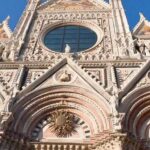
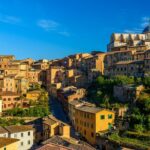
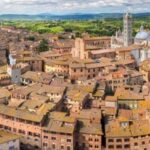
Basilica San Domenico: St. Catherine’s head and a big start
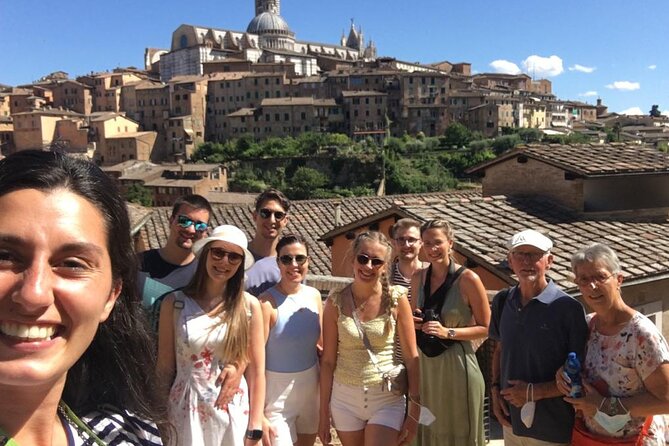
You begin in front of the Basilica Cateriniana di San Domenico, one of Siena’s most important churches. The first minutes set the tone: this is not a random photo stop. It’s a place where Siena’s religious identity and civic identity have long rubbed shoulders.
Inside, you’ll see the holy relic of St. Catherine’s head. That detail changes the way you look at the church. Instead of noticing general decoration, you understand that Siena treats Catherine as a central figure—someone you don’t just hear about in books.
Practical upside: the time here is short (about 15 minutes), and admission is listed as free. In other words, you’re not spending your whole budget on entry fees right at the start. You also get grounded quickly—useful if you’re arriving in town and need to orient your brain.
Potential watch-out: this is a church. Plan for your usual church etiquette—respectful behavior, quiet voices, and time for moments when you’ll naturally slow down.
Chiesa del Santuario di Santa Caterina: outside views that still tell a story
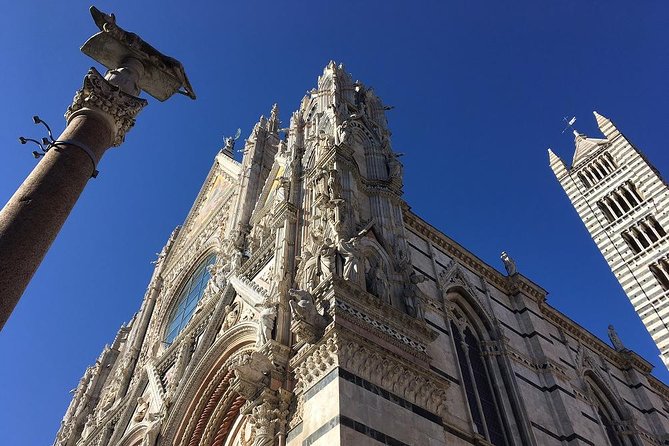
After San Domenico, the tour shifts to the Sanctuary of Santa Caterina. You’ll visit from the outside, but the guide context is what makes it worthwhile. The sanctuary relates to Catherine’s life with her large family, and the house has been transformed into three small churches.
Here’s the key idea: Siena isn’t just showing you “old buildings.” It’s showing you how a sacred space can change function over time while staying emotionally meaningful. When you hear how the house became multiple little churches for prayer and visits to the ancient rooms, the exterior starts to feel like the entrance to something deeper.
Admission is also listed as free, and the stop is brief (around 10 minutes). That short timing works well because you’re about to hit the civic heart of the city.
If you want a smooth flow: this is a great stop for photos, a quick look, and then moving on before you get church fatigue.
Palazzo Tolomei: one of Siena’s oldest private buildings
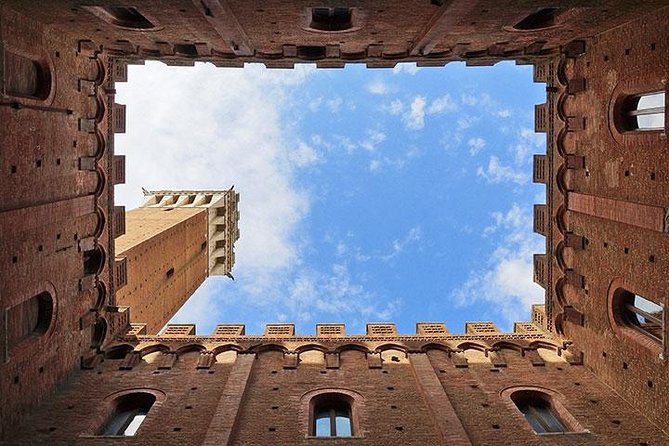
Next is Palazzo Tolomei, described as one of the oldest private buildings in Siena. This is a lighter stop than a church, but it adds something important: Siena’s medieval life wasn’t only religious. It was social, political, and fiercely symbolic.
You’ll also learn about Siena’s symbol tied to a medieval legend. Even if you’ve seen Siena’s branding before, the meaning often becomes clearer when you hear the legend attached to the building and the era that produced it.
This stop is short (about 10 minutes) and listed as free. That’s another reason the tour fits the 2–3 hour window: it spends time where context changes your understanding, then moves on before you burn energy.
Piazza del Campo, Contrade, and the Palio: the heart of Siena’s identity
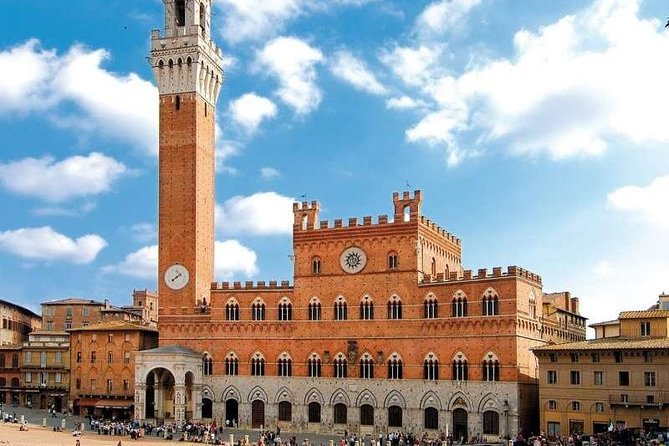
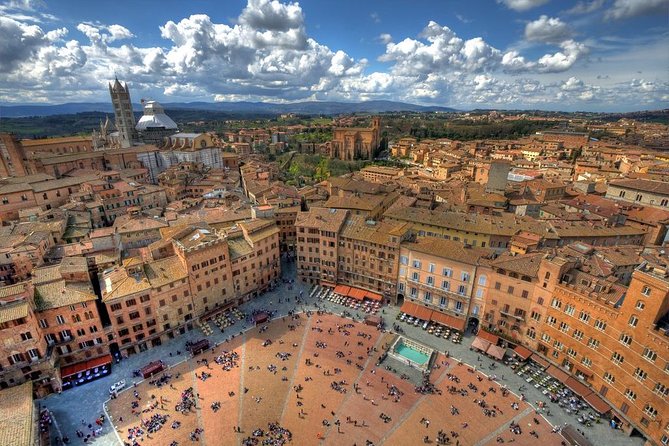
Now you get to the place most people picture when they think of Siena: Piazza del Campo. This is the main square, and the guide focuses on what makes it more than a beautiful setting.
You’ll admire the Palazzo Pubblico, the seat of the town hall. That civic building matters because the Palio isn’t only a festival—it’s tied to Siena’s districts and how communities compete, celebrate, and keep score.
This is where the tour’s biggest payoff often lands: you’ll learn the history and legends behind the famous horse race, the Palio, and how the districts called Contrade fit into it. Once you understand Contrade rivalry, the streets, colors, and local pride stop feeling random. The whole city starts reading like a map of relationships, not just landmarks.
Timing here is about 20 minutes. That’s the sweet spot. Long enough for real context, short enough that you still have time afterward to linger at viewpoints or do your own slow walk through the square.
If you’re going in peak Palio season or right around the event, this stop becomes even more valuable. Even outside the race dates, the Contrade story is the language Siena uses to explain itself.
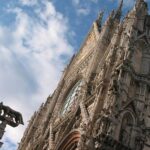
Battistero di San Giovanni: the unfinished upper part and why it matters
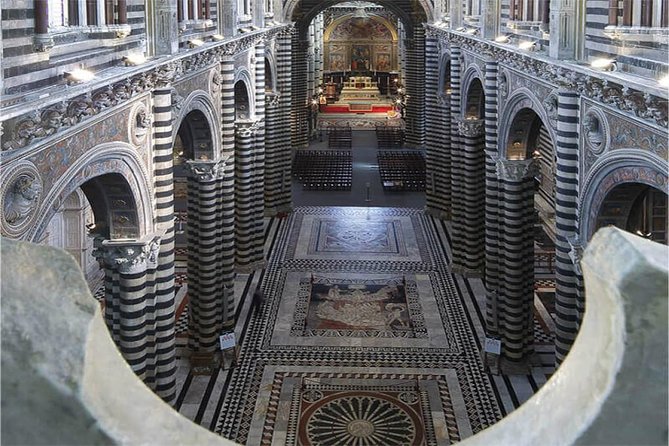
From Piazza del Campo area, you’ll reach the Baptistery of San Giovanni. You’ll admire it from the outside, and yes—the upper part was never completed. That detail could be disappointing if it were just a “not finished” building.
But with a guide, it turns into a clue. You’ll learn the reason why the top remained incomplete, and that gives you a better sense of how projects, money, and priorities worked in medieval Siena.
The stop is very short (around 5 minutes), and admission is listed as free. That makes it an easy add. You won’t feel like you’re stuck waiting around, and you’ll still take away a specific lesson you can carry into other architecture you see later.
Pro tip: if you’re a photo person, this is a quick “frame it and go” moment. Grab your shots, take in the shape, then move.
The crypt outside and the Duomo choice that can change your whole day
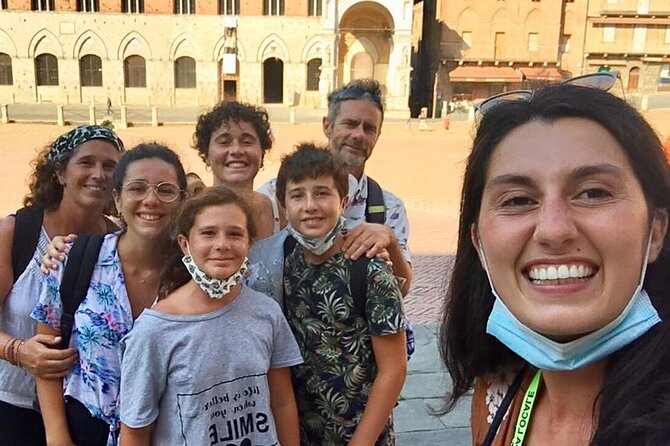
The tour includes a look at the so-called Crypt, viewed from the outside. Even without stepping inside, it adds atmosphere and context to the religious layer of Siena’s center.
Then comes the big decision point: the Duomo di Siena.
You arrive in front of the cathedral and learn why it was meant to become the largest cathedral in the world—and why the project of the New Cathedral was abandoned. That story explains the cathedral’s scale ambitions and why the final result looks the way it does.
You can continue inside if you want. The optional inside visit is where tickets come in. You can purchase onsite, and the cathedral ticket is optional (listed as from 7 euro per person). The time budget for the Duomo portion is about 40 minutes, so it’s not a rushed glance.
Sunday timing matters. The cathedral is not possible on Sunday morning; it opens at 1 pm. If your trip lands on a Sunday morning, you’ll likely keep the Duomo plan to the outside portion only.
If you love art and want the full payoff, choose the inside option. If you’re tired of churches or your energy is running low, you can still get the main meaning from the exterior story of the abandoned mega-project.
Price and logistics: making sense of $187.53 per person for 2–3 hours
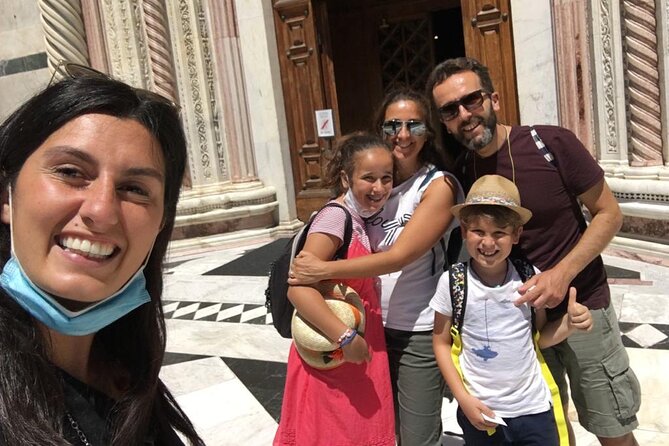
At $187.53 per person, this isn’t a bargain-basement deal. The value comes from three places.
First, it’s a private tour. You’re paying for your group to have a licensed local guide, not to share attention with strangers.
Second, the time is efficient. In 2–3 hours you hit San Domenico, Santa Caterina’s sanctuary area, Palazzo Tolomei, Piazza del Campo (with Palio and Contrade context), the Baptistery, and the Duomo area. That’s a lot of “Siena essentials” without wasting your afternoon.
Third, the guide can customize your walk. The tour description says you can tailor it with your guide and even visit the historic centre of Siena. That flexibility matters in real life. Some people want more Palio detail. Some want architecture. Some need pacing changes.
So, who is this best for? I’d say it fits you if you want a guided explanation of what you’re seeing, and you’d rather pay than spend hours researching. It’s also a good fit for couples and small families who want the stops, timing, and story under control.
One more practical note: the tour includes walking in a historic center. Comfortable shoes are a must, and weather can change your pace. If hills are a concern, it’s smart to tell your guide what you need. There are examples of guides adapting for knee issues by adjusting routes where possible.
Picking the right mindset: what you’ll actually get out of the walk
This tour is not just “look at this, look at that.” The stops connect through themes: saints and sacred relics, civic pride and town hall power, medieval legends that explain symbols, and the Palio as the annual competition that turns Contrade identity into something you can feel.
That’s why the itinerary feels coherent even when individual stops are short. You’ll move quickly, but the guide keeps the big ideas in front of you.
If you’re the type of traveler who loves stories behind buildings, this works well. If you prefer a relaxed wander with no talking, this may feel a bit structured. But the fact that the guide can tailor it helps either way. It’s your walk, not a script you have to endure.
And if you’re worried about missing the Cathedral experience, remember: the outside story still gives you the key meaning. The inside visit is a bonus, and you can buy tickets onsite.
Should you book this private Siena walking tour?
Book it if you want a quick, high-impact introduction to Siena’s top sights and you care about what those sights meant (and still mean). You’ll likely appreciate the private pacing, the Palio and Contrade explanations, and the way the route connects churches, civic buildings, and medieval legends in a way that makes the city easier to understand.
Skip it or reconsider if you want lots of free time to roam without guidance, or if you’re planning to visit the Duomo and you’re traveling on a Sunday morning (since the inside option isn’t available then). Also, be ready for walking in historic streets, with hills and uneven stone.
If you’re excited by the idea of learning the stories that tie Piazza del Campo to Siena’s identity, this is a solid way to start your time in Tuscany’s most dramatic little city.
FAQ
How long is the Siena private walking tour?
It runs about 2 to 3 hours.
Is this tour private?
Yes. It’s a private tour/activity, so only your group participates.
Where does the tour start and where does it end?
It starts at Piazza S. Domenico, 1, 53100 Siena (in front of the Basilica San Domenico area) and ends at Siena Cathedral, Piazza del Duomo, 8, 53100 Siena. The finish is in front of the Cathedral or inside if you choose the cathedral option.
Is the Duomo visit included?
The tour includes seeing the cathedral area. Entry to go inside is optional, and cathedral tickets are not included (tickets can be purchased onsite).
Can I visit the Cathedral on Sunday morning?
No. It is not possible to visit the Cathedral on Sunday morning. It opens at 1 pm.
What stops are included on the route?
You’ll see Basilica San Domenico, the Sanctuary of Santa Caterina (outside), Palazzo Tolomei, Piazza del Campo, the Baptistery of San Giovanni (outside), the Crypt (outside), and the Duomo area.
What should I bring or plan for?
Wear comfortable shoes and be ready for any weather conditions. The tour is near public transportation, and most travelers can participate. Service animals are allowed.
What is the cancellation policy?
You can cancel for free up to 24 hours in advance for a full refund. If you cancel less than 24 hours before the start time, the amount paid will not be refunded.