Salem has a way of staying unsettling. This 2-hour Hidden History walking tour turns the headlines into street-level stories, with 9 historic stops that connect Puritan rules, witchcraft accusations, and what came next. I like how the tour keeps a comfortable walking pace while still covering real details, and I like that it goes beyond the obvious Salem-only version of events.
The one drawback to consider is physical comfort. It is rain or shine, and it’s not recommended if you can’t walk more than a mile, with no wheelchair-friendly routing.
Key points that matter before you go:
- Meet at 210 Essex St: outside Salem Five Savings Bank, then you’ll work your way through the historic center
- 9 stops in 2 hours: you’ll get a tight, story-driven route instead of random sightseeing
- Danvers vs Salem: a key correction that changes how the witch trials make sense
- Hawthorne and John Hathorne link: Salem’s legacy shows up in a 19th-century author’s work
- Bewitched and Hocus Pocus filming corners: plan for a selfie-style photo break
In This Review
- Salem’s Witch Trials Story Gets Street-Level Fast
- Starting Point at 210 Essex St and the Two-Hour Rhythm
- The 9 Stops Route: What Makes Each Part Click
- Old Town Hall, Salem Athenaeum, and Old Burying Point Cemetery
- Hawthorne, John Hathorne, and the Written Afterlife of Salem
- Danvers vs Salem: The Detail That Changes the Whole Picture
- Bewitched and Hocus Pocus Photo Corners in Real Salem
- Guides Make the Walking Tour Feel Personal on Foot
- Price and Value: Is $35 Worth a 2-Hour Walk?
- Rain, Uneven Sidewalks, and How to Make It Comfortable
- Who This Tour Fits Best (and Who Should Rethink It)
- Should You Book This Salem Hidden History Tour?
- FAQ
- How long is the tour?
- Where do I meet the guide?
- How many stops are included?
- Is the tour wheelchair accessible?
- Does the tour run in rain?
- What should I bring or wear?
- Are cameras or video recording allowed?
Salem’s Witch Trials Story Gets Street-Level Fast
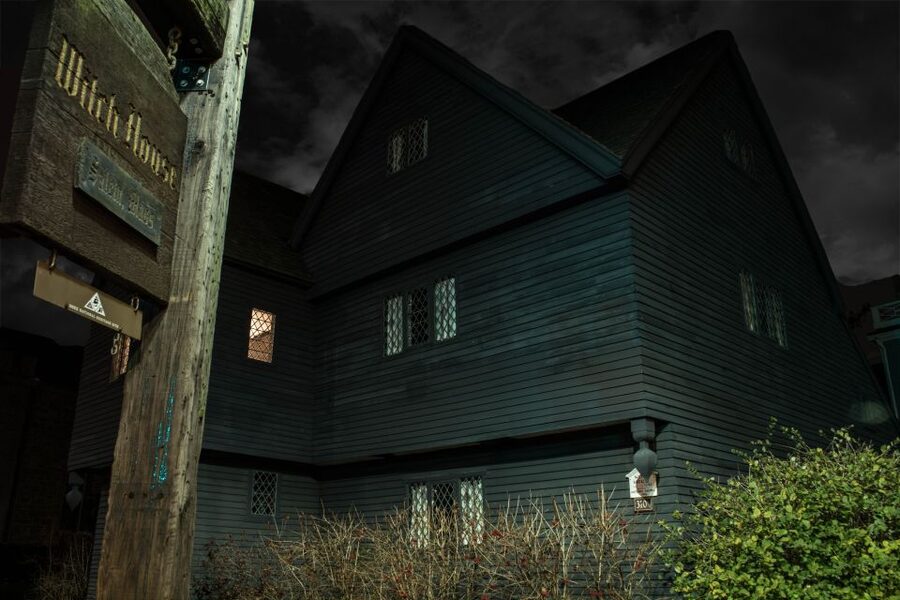
Salem’s witch-trial reputation can make the place feel like a theme park. This tour helps you see why it was terrifying in real life: tight communities, fear spreading fast, and accusations that didn’t always stay where people think they did. If you’ve already walked downtown and seen the spooky names, you’ll appreciate how the guide connects them to actual people and places.
I also like that the tone is serious without turning the whole walk into a lecture. The best moments are when the guide shows you what was happening locally, then lets you connect it to what you’re seeing on the sidewalk now.
Starting Point at 210 Essex St and the Two-Hour Rhythm

You meet your guide outside Salem Five Savings Bank at 210 Essex St. Arrive 15–20 minutes early so you can check in on time and avoid feeling rushed before you start walking.
The tour runs for about 2 hours, so it moves at a brisk but manageable pace. It’s also built for outdoors conditions, which means you should plan for the weather to be part of the experience rather than an obstacle.
You can also read our reviews of more walking tours in Salem


The 9 Stops Route: What Makes Each Part Click
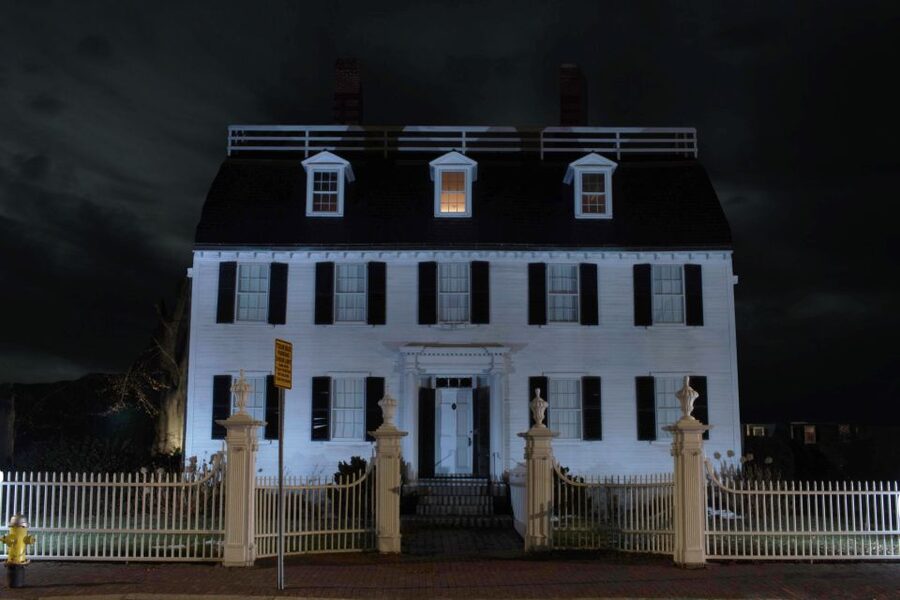
You’ll visit 9 historic locations, and the whole structure is designed like a story with chapters. Some stops work like “place reminders,” helping you recognize buildings and street corners that you might otherwise pass without context. Others are more like turning points, where the guide explains why a name, a site, or a neighborhood matters.
Here’s the practical way to think about the route. You’re not just collecting trivia—you’re building a mental map that explains how a Puritan town’s strict social order eventually got labeled as the witchcraft capital.
Old Town Hall, Salem Athenaeum, and Old Burying Point Cemetery
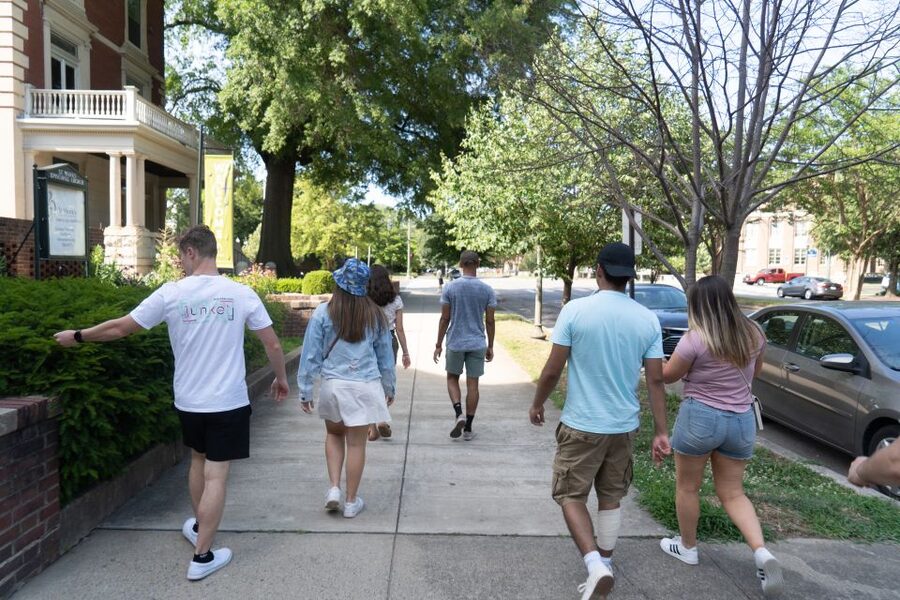
The walk starts outside the Old Town Hall area, and that opening matters because it frames Salem as a strict, organized Puritan community. From there, you’ll move into stops that show how public life and private faith collided.
Two stops I’d prioritize on this tour are Salem Athenaeum and Old Burying Point Cemetery. The Athenaeum stop helps you understand how Salem’s civic and cultural life overlapped with the era’s worldview, not just the witch-trial headlines. The cemetery stop adds weight fast—because when you stand near burial grounds connected to the story, the period stops feeling abstract.
You’ll also hit other historic locations along the way, but the overall idea stays consistent: each stop adds a new layer to Salem’s transformation from “orderly town” to “Witch City.”
Hawthorne, John Hathorne, and the Written Afterlife of Salem
One of the most memorable elements is the connection between Nathaniel Hawthorne and infamous judge John Hathorne. That detail matters because it explains why Salem’s story didn’t end with the trials.
You’ll hear how the witch-trials legacy influenced a 19th-century author, and that reframes Salem’s reputation. Instead of seeing the witchcraft story as a closed chapter, you start to understand how it was re-shaped for later readers—and why Salem’s myths became durable.
If you like literature, this is the part that makes the walk feel extra satisfying. You’re walking through places that helped fuel the kind of writing that keeps haunting our imaginations.
Danvers vs Salem: The Detail That Changes the Whole Picture
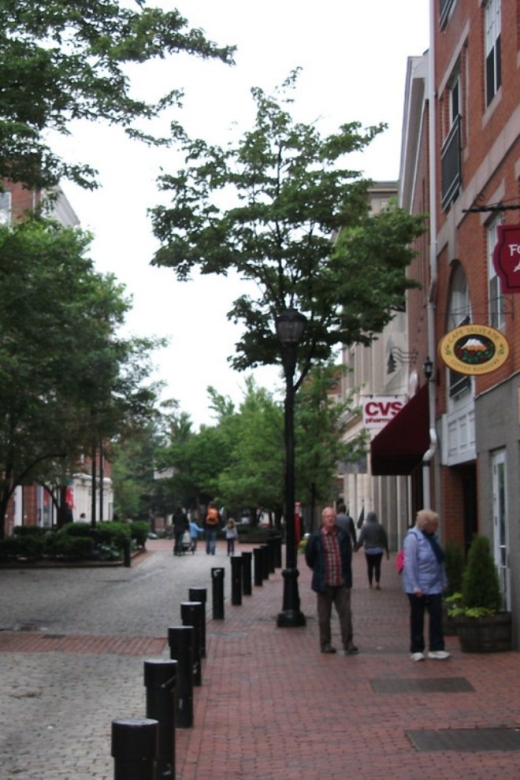
A standout claim in the tour is that most accusations, executions, and alleged witchcraft happened in Danvers, not Salem. That’s not a small correction—it’s the detail that changes how you interpret everything you see.
On foot, this matters because it stops you from thinking of Salem as the single source of the horror. Instead, you start looking at the broader local web of the era: neighboring communities, shared institutions, and how fear traveled.
Even if you came for witch-trial stories only, this is the part that gives you a more grounded understanding of what was actually going on.
You can also read our reviews of more historical tours in Salem

Bewitched and Hocus Pocus Photo Corners in Real Salem

The tour includes time for a selfie photo at filming locations tied to Bewitched and Hocus Pocus. This is a fun break from the darker material and it helps the tour land in modern-day Salem, where film references are part of how people experience the town.
A quick practical tip: if there’s one specific statue or exact photo angle you care about, don’t wait for a perfect moment. Ask your guide early where the photo spot will be, then be ready to move when the group stops.
And remember the rules: video recording isn’t allowed, so plan on photos you can take quickly.
Guides Make the Walking Tour Feel Personal on Foot

The tour’s success depends a lot on the guide—and the guides here clearly know how to keep a group engaged. Names that show up in recent experiences include Mason, John, Danielle, and Noelle.
What people seem to love most isn’t costumes. It’s the fact that the guide brings structure to the story, answers questions, and adjusts the pace so you’re not overwhelmed. The best guides also weave in humor without making light of the grim parts, which is a hard balance to pull off.
If you’re the type who likes to ask follow-up questions, this is the tour style that rewards that. You’re walking with someone who can connect what you’re seeing to what it meant back then.
Price and Value: Is $35 Worth a 2-Hour Walk?
At $35 per person for about 2 hours, this tour is priced like a focused city walk, not like a long sightseeing bus day. You’re paying for three things that add up: a live guide, 9 historic stops, and curated photo opportunities.
For me, the value comes from how tight the narrative is. Salem is easy to “see” in a superficial way—especially if you’re only hunting spooky signage. This route pushes you toward understanding, while still giving you modern photo moments.
In other words, you’re not paying to stand in the dark and guess. You’re paying to leave with a clearer story and better instincts for what to notice next in town.
Rain, Uneven Sidewalks, and How to Make It Comfortable
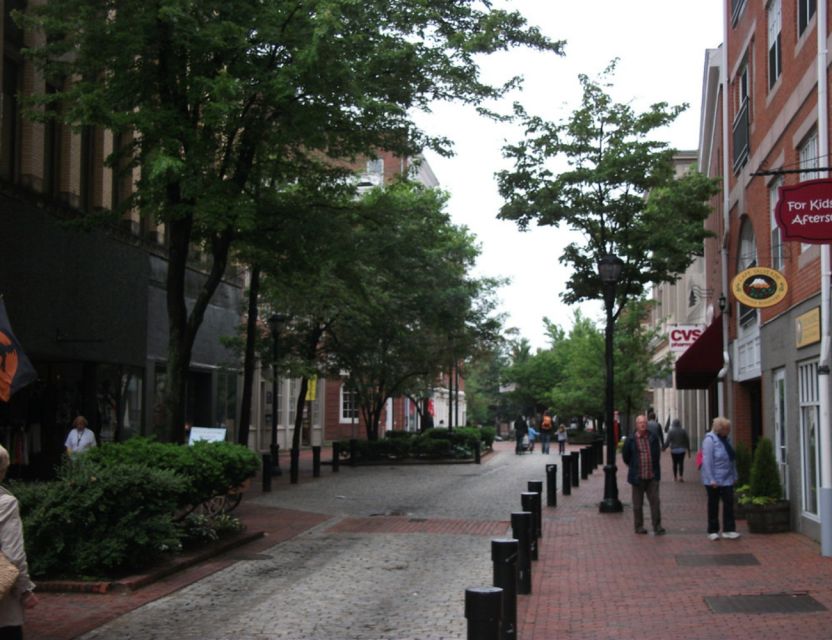
This tour takes place rain or shine. That means you should pack for wet sidewalks and still plan to walk the full route without shortcuts.
Wear comfortable shoes—not just comfortable in theory. Salem’s sidewalks can be uneven, and if you want to enjoy the stops (instead of concentrating on your footing), you’ll be glad you didn’t wear fragile soles.
Also, because it’s outdoors, bring what keeps you effective: a rain layer for weather, and if it’s warm, consider sun protection. The tour is designed for walking, and that only works when you’re physically comfortable.
Who This Tour Fits Best (and Who Should Rethink It)
This is a great pick if you want Salem beyond the quick witch-trial postcard version. I’d especially recommend it if you like history that connects people, places, and later culture—like the Hawthorne angle and the Danvers correction.
It’s also a good fit if you’re traveling with someone who gets bored by long museum time. A walking tour keeps moving, but it still gives you meaningful stops—especially the cemetery and the Athenaeum moment.
Two groups should consider skipping. The tour isn’t suitable for wheelchair users or people with mobility impairments, and it’s not recommended if you can’t handle more than a mile of walking. If that’s you, you’ll likely spend the tour thinking about your body instead of the story.
Should You Book This Salem Hidden History Tour?
If you’re spending a day in Salem and want your time to feel useful, I’d book this. The mix of 9 historic stops, the Danvers vs Salem correction, and the Hawthorne–John Hathorne connection gives you context that most quick Salem loops miss.
I’d especially recommend it if you already wandered downtown once and realized you want the “why,” not just the “what.” This tour is designed for that exact upgrade.
Just be honest about walking comfort and weather tolerance. If you can handle a steady outdoor walk, you’ll come away with a clearer, more nuanced Salem—and a few photo moments you’ll actually want to share.
FAQ
How long is the tour?
The tour lasts about 2 hours.
Where do I meet the guide?
Meet your guide outside Salem Five Savings Bank at 210 Essex St, Salem, MA. Arrive 15–20 minutes early for check-in.
How many stops are included?
The tour includes 9 historic tour stops.
Is the tour wheelchair accessible?
No. The tour is not suitable for people with mobility impairments, and it is not recommended for wheelchair users.
Does the tour run in rain?
Yes. The tour takes place rain or shine.
What should I bring or wear?
Bring comfortable shoes. The walk is about being able to keep moving during the full route.
Are cameras or video recording allowed?
Photos are part of the experience, but video recording is not allowed. Smoking, alcohol, and drugs are also not allowed.