REVIEW · REYKJAVIK
Reykjavik: City Walking tour in Small Group with Local Guide
Book on GetYourGuide →Operated by CityWalk · Bookable on GetYourGuide
Reykjavík clicks into focus fast on foot. This 2.5-hour small-group walk gives you a clean, local-first route through the city’s standout architecture and everyday life, with a guide who turns streets into context. Two things I like right away: the downhill layout that keeps it easy, and the chance to see Harpa from the inside instead of just photographing the outside.
You’ll start on the hill at Hallgrímskirkja, then work your way toward the harbor and the oldest civic core, picking up stories about Iceland’s culture as you go. The guides can be great at storytelling and Q&A—people have specifically praised guides like Ryan (who’s lived in Iceland for years and brings an academic teaching style) and Ási/Erik/ Martin for pacing, humor, and clear explanations.
The main drawback to plan for is that it’s a highlights walk, not a slow museum marathon. If you want hours in Harpa, churches, or deep dives into one topic, you may wish the stops lasted longer.
In This Review
- Key Things I’d Watch For on This Reykjavík Walk
- Starting at Hallgrímskirkja: The Best Angle to Understand Reykjavík
- Harpa Concert Hall Inside: Warm Stop Meets Jaw-Dropping Design
- Alþingi and Austurvöllur: Iceland’s Political Core, Explained on Foot
- Lake Tjörnin and the Bird Factor: Reykjavík Turns Scenic and Calm
- Laugavegur and Skólavörðustígur: The Quirky Street Rhythm You’ll Want to Revisit
- The Downhill Route: Easy Walking That Still Feels Like a Real Tour
- How the Guide Shapes the Experience (Not Just the Stops)
- Price and Value: Is $51 for 2.5 Hours a Good Deal?
- Weather Reality in Reykjavík: Rain or Shine, With Built-In Shelter
- Who This Tour Suits Best (and Who Might Prefer Something Else)
- Should You Book This Reykjavík Walking Tour?
- FAQ
- Where do I meet the guide?
- How long is the tour?
- What language is the live guide?
- Is the tour wheelchair accessible?
- What landmarks are included?
- Is the tour canceled if the weather is bad?
- Is the walking difficult?
- What should I wear or bring?
- Are there any warm indoor stops?
- What are the key booking terms?
Key Things I’d Watch For on This Reykjavík Walk
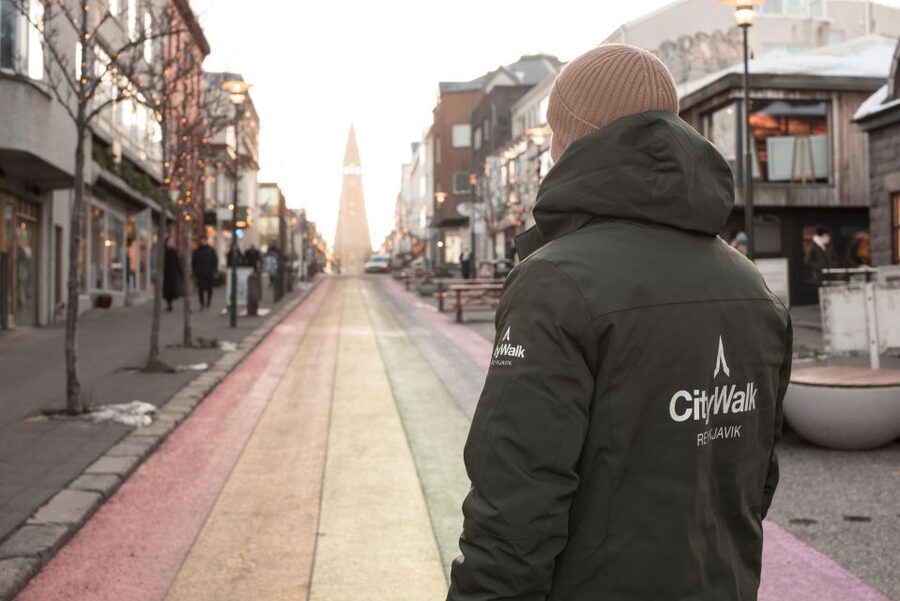
- Meeting at Hallgrímskirkja puts you high above the city for quick orientation.
- Harpa Concert Hall inside is both a design showstopper and a warm-weather refuge.
- Short, photo-friendly stops around Alþingi and Austurvöllur keep the pace moving.
- Lake Tjörnin area + birds add a calmer, more local feel between big monuments.
- Wheelchair-accessible route with sheltered indoor options when weather turns.
- Downhill simplicity means less strain and more time looking at details.
Starting at Hallgrímskirkja: The Best Angle to Understand Reykjavík
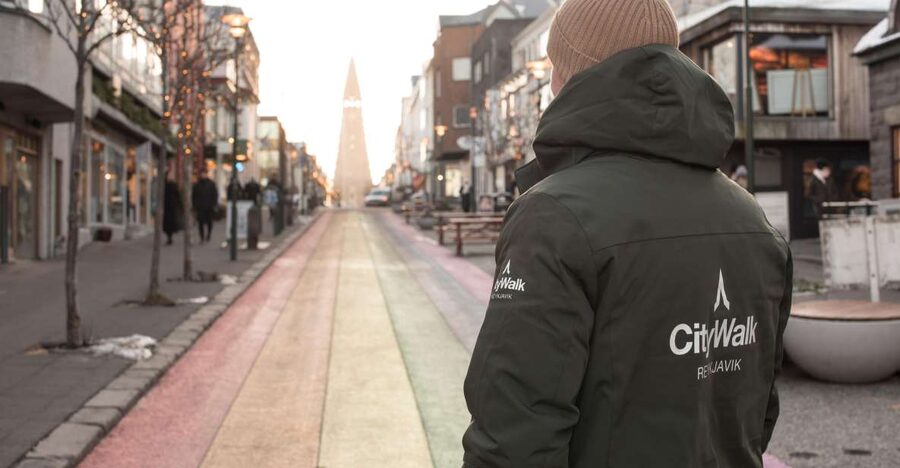
The tour begins where many first-time visitors naturally point anyway: Hallgrímskirkja. Meet your guide at the Leifur Eiríksson statue in front of the church, right on a hill with the kind of view that instantly tells you how Reykjavík is laid out. From here, you’re set up to understand everything you’ll see later—because you’ll feel the city’s shape as you look down.
The early minutes matter. You’ll get a short break and a photo moment, then a guided look around the church. This isn’t just “see the building and move on.” The value is in getting orientation and learning why this kind of landmark sits at the center of modern Reykjavík identity. The church is also a useful timing trick: it gets you started before the city gets too busy and gives you momentum for the downhill route.
Practical note for your comfort: you’ll be standing outdoors at the top, so dress for the wind. Reykjavík wind is sneaky—especially in cold months.
You can also read our reviews of more walking tours in Reykjavik



Harpa Concert Hall Inside: Warm Stop Meets Jaw-Dropping Design
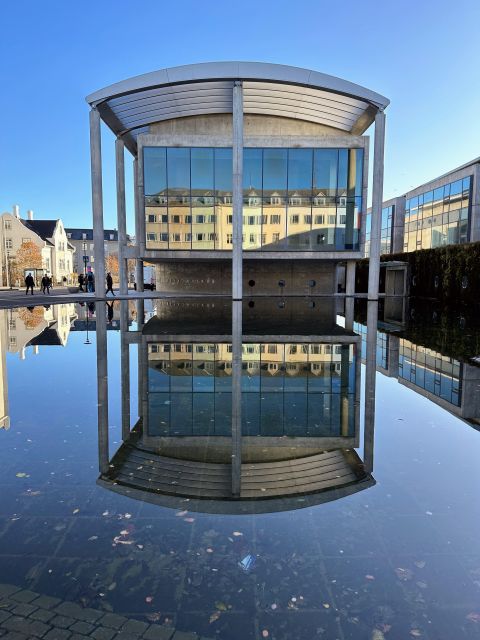
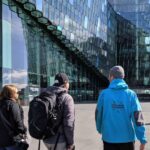
One of the biggest reasons to pick this tour is that it treats Harpa Concert Hall like more than a backdrop. You don’t just pass by it. You get to see the inside, guided, so you can appreciate the structure and feel why locals and visitors talk about Harpa like a centerpiece.
This matters even if you’re not a concert person. Harpa is described as a great warm stop during cold days, and that’s a big deal in Iceland. Iceland weather can change your whole day fast. Here, the tour builds warmth into the plan rather than leaving you to guess where to duck inside next.
Also, Harpa’s design is all about surfaces catching light, and that’s something you’ll notice more when you’re inside and close enough to see how the building works. If you’re the type who likes architecture that feels modern but still grounded in local materials and mood, this stop will likely be one of your favorites.
Alþingi and Austurvöllur: Iceland’s Political Core, Explained on Foot
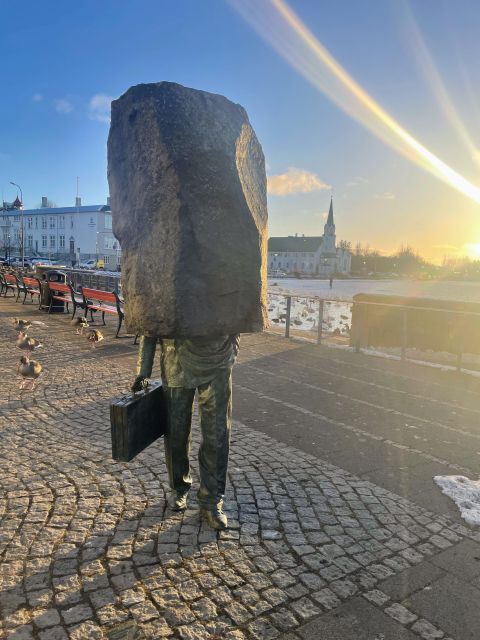
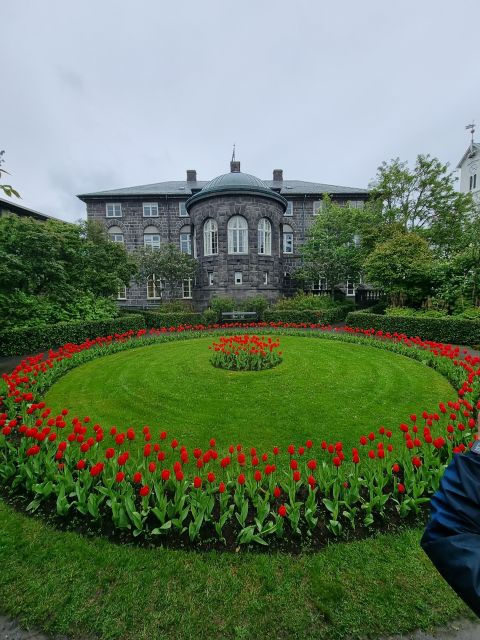
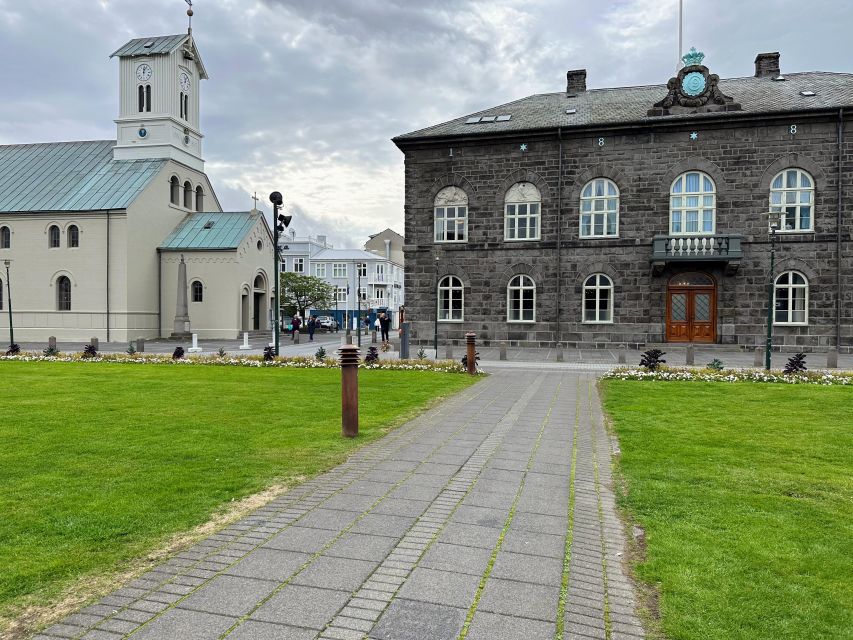
As the walk heads toward the oldest part of downtown, you’ll shift from scenic viewpoints to the civic heart of the city. The tour includes time around Alþingi (the parliament building) and then on to Austurvöllur.
Here’s what makes these stops valuable: the guide connects buildings to how Iceland governs itself, not just what the buildings look like. You’ll get a photo opportunity focused on the Alþingi Parliament building from 1881, and then you’ll walk through the surrounding public spaces where political life and public gatherings overlap.
Austurvöllur is a key square in this area, and getting there on foot is the right way to understand it. You can see how it sits within the street grid and how pedestrian movement naturally flows through it. If you’re curious about Iceland’s independence story, public institutions, and national identity, this section is where the tour starts to feel more meaningful than a simple sightseeing loop.
Small consideration: this area is very “look, listen, then move.” If you’re hoping for extended time in one specific interior, you’ll likely be happy with the pace, but you won’t get hours-long museum-style coverage.
Lake Tjörnin and the Bird Factor: Reykjavík Turns Scenic and Calm
Along the route, you’ll reach the area around Lake Tjörnin, known for its colorful houses and the chance to see wildlife and birds. This is one of those “why would a city walking tour be worth it?” moments. It breaks the pattern of only big monuments and gives you the softer side of Reykjavík—quiet water, reflections, and people who live here rather than just pass through.
Even if you don’t get ideal bird-viewing, the lake area gives you a mental reset. It also helps you understand how Reykjavík blends civic life with nature right inside the city center. You get to slow down for a minute, look, and then re-focus as the walk continues.
If you’re visiting in colder months, expect the same Iceland tradeoff: it may be gray, windy, and fast-changing, but the geothermal help and indoor options keep you from feeling stuck out in the weather too long.
Laugavegur and Skólavörðustígur: The Quirky Street Rhythm You’ll Want to Revisit

The tour includes time in Laugavegur and around Skólavörðustígur, with photo stops and guided commentary through the streets. This is where Reykjavík starts to feel less like a list of landmarks and more like a real place you could roam on your own.
Laugavegur is a main artery, but it’s not just a shopping strip in this context. With a guide, you’ll learn how the street structure and architecture reflect the city’s development and local culture. The tour doesn’t turn into a long retail stop—it stays focused on the “why behind what you see,” while still giving you time to walk and absorb.
Skólavörðustígur and the surrounding lanes tend to deliver that “how did this street end up on postcards?” vibe. You’ll get the best use of this area if you’re the kind of traveler who likes small details: street layout, building color, and the feeling of stepping into different neighborhoods without changing towns.
If you want a strong first-day plan, this is also a useful preview. After the tour, you’ll know where you’ll want to spend extra time—especially for photos, pastries, or just wandering without feeling lost.
You can also read our reviews of more guided tours in Reykjavik


The Downhill Route: Easy Walking That Still Feels Like a Real Tour
A big selling point here is how the walk is designed: the route is very easy and all downhill, with a total elevation change of about 100 meters (300 feet). That’s a practical win. You’re not saving your energy for later in the day—you’re using it to see more.
Even better, you’ll mostly walk on geothermal heated or salted sidewalks, which helps keep the route free of ice and snow. Iceland winter can be slick, and this matters for safety and comfort. The tour also indicates indoor shelter when conditions are rough, and the small group setup helps with that flexibility.
One more detail that’s easy to miss: the tour is wheelchair accessible. That doesn’t just mean “maybe.” It means the route and logistics are set up to support different mobility needs, and the guide can adjust when weather changes.
If you’re traveling with anyone who doesn’t handle steep hills well, or you simply want an effortless way to see downtown efficiently, this route design is a real advantage.
How the Guide Shapes the Experience (Not Just the Stops)
The stops are the headline, but the guide is the engine. In the feedback, people consistently praise guides for being friendly, organized, and able to answer questions without turning the walk into a lecture. Names that come up often include Ási, Martin/Martinn, Ryan, Erik, and Erik/Asi variants.
What you should look for in a good city walk guide—this tour seems to deliver those traits. You’ll likely get:
- Clear pacing where you’re not rushed from photo spot to photo spot
- Enough history to make buildings make sense
- Plenty of room for questions
- Humor that keeps the hour-and-a-half rhythm from dragging
One useful hint from the way the walk is described: because you’ll move through multiple neighborhoods and civic spaces, the guide can help you connect the dots between “old” and “current” Reykjavík. That connection is what turns a checklist into understanding.
Price and Value: Is $51 for 2.5 Hours a Good Deal?
For $51 per person and about 2.5 hours, the value depends on what you care about most.
This isn’t a long, slow tour. So if you’re hoping for a deep dive into one museum or one topic, you may feel the time is tight. But for many first-timers, the sweet spot is exactly this: a structured route that hits core landmarks, includes a major indoor highlight at Harpa, and keeps you oriented in a city that can feel confusing until you see how it flows.
Price-wise, you’re paying for three things:
- A local guide who provides context (not just directions)
- Access inside Harpa
- A route that’s designed to be easy and weather-adjusted, with indoor options
If you’ll be in Reykjavík for just a day or two, this kind of guided orientation can save you time and help you plan where to go next. If you’re staying longer and you like wandering, it becomes a map you can follow.
Weather Reality in Reykjavík: Rain or Shine, With Built-In Shelter
The tour runs rain or shine, and the plan adapts. If the day is cold or bad, indoor stops get added. That’s exactly what you want in Iceland. You can’t control the wind or cloud cover, but you can control whether your schedule collapses when weather shifts.
Also, the tour doesn’t try to be heroic about footing. Because the sidewalks are designed to stay clear and the walk is downhill, you can focus on the sights rather than worrying constantly about ice. Bring warm layers and comfortable shoes, and you’ll be set.
If you’re someone who gets miserable when it’s wet and windy, plan your clothing like a pro: warm hat, gloves, and a layer you can add or remove. Iceland weather moves fast, and your body will feel it.
Who This Tour Suits Best (and Who Might Prefer Something Else)
This walking tour fits best if you:
- Want a strong first-day orientation
- Like architecture plus culture stories
- Prefer small groups and a calmer pace than big-bus tours
- Need a route that’s easy and mostly downhill
- Appreciate an indoor highlight like Harpa
It might feel less perfect if you:
- Want long, museum-style time with no interruptions
- Are food-first and want something centered on eating
- Prefer a niche focus (only history, only photography, only modern art) without stops that shift topics
One comment in the provided feedback suggested food tours as an alternative or complement—so if your top priority is eating, you may want to pair this with a food experience afterward.
Should You Book This Reykjavík Walking Tour?
Yes—if you want a well-paced first look at Reykjavík that combines landmark views with real context, and you appreciate getting inside Harpa rather than just snapping exterior photos. The route design is a practical win, especially for cold weather: warm indoor options, easy downhill walking, and a city-center path that helps you feel oriented quickly.
Before you book, think about how you like tours. If you enjoy learning while walking and you’re happy with a highlights route, this is an easy yes. If you crave long stays inside specific venues or a single-topic deep dive, you might want to balance this with another kind of experience.
If you tell me when you’re going (month) and your walking comfort level, I can help you decide whether this should be day one, day two, or paired with something like a food-focused tour.
FAQ
Where do I meet the guide?
Meet your CityWalk Reykjavík guide in front of Hallgrímskirkja by the statue of Leifur Eiríksson.
How long is the tour?
The tour lasts about 2.5 hours.
What language is the live guide?
The tour is guided in English.
Is the tour wheelchair accessible?
Yes, the tour is wheelchair accessible.
What landmarks are included?
You’ll see Hallgrímskirkja, Harpa Concert Hall (inside), Alþingi Parliament building, and the Austurvöllur area, plus streets and areas like Laugavegur and Skólavörðustígur and the lake area of Tjörnin.
Is the tour canceled if the weather is bad?
No. The tour runs rain or shine, and indoor stops may be added in cold or bad weather.
Is the walking difficult?
It’s very easy, mostly downhill, with an elevation change of about 100 meters (300 feet).
What should I wear or bring?
Bring comfortable shoes and warm, weather-appropriate clothing.
Are there any warm indoor stops?
Yes. Harpa is included and can also serve as a warm stop on cold days, and additional indoor stops may be added for bad weather.
What are the key booking terms?
Free cancellation is available up to 24 hours in advance for a full refund, and you can reserve now and pay later.