REVIEW · GORLITZ
Görlitz: Ghosts and Spooky Historical Night Walking Tour
Book on GetYourGuide →Operated by Mysterium Tremendum · Bookable on GetYourGuide
Görlitz at night feels very alive. This 90-minute spooky walking tour uses dark stories, old maps, and real city landmarks—plus a little theatrical flair—to turn Görlitz’s shadows into something you can almost hear. You’ll start at the Peterskirche, move through alleyways and backstreets, and end inside the Schwibbogen hotel, all while learning how executions and plagues fed local superstition.
I especially like how the tour treats folklore as something you can see in the streets, not just read in a book. Two things I loved: the guide’s storytelling energy around grim events and paranormal claims, and the walk’s use of an old city map that helps you picture forgotten pathways you’d likely miss in daylight. It’s a fun way to get oriented in town fast, because each stop has a reason.
One consideration: this is more “spooky history and legend” than a lecture of dry dates. If you want lots of strictly factual, detailed timelines, you might find the balance a bit story-heavy, and the route does involve about 1 mile of uneven ground on a night walk in rain or shine.
In This Review
- Key moments you’ll remember
- Arriving at Peterskirche: where the tour earns its mood
- Peterskirche and the gothic vibe of the 1400s
- Waidhaus: the oldest secular building with big-story energy
- Following the old city map through shadowy alleyways
- Execution stories and why they fueled superstition
- Peterskirche to the mummy-tourist angle: how the weird legends spread
- The Görlitz Plague Tract: a name that makes the story click
- Surprise effects and a witch moment (with a Halloween vibe)
- Ending inside Schwibbogen hotel: close enough to feel like a scene
- What the 1.5 hours feels like in real life
- Price value: why $18 can be a smart night plan
- Who should book this spooky night tour
- Quick FAQ
- FAQ
- Where do I meet for the tour?
- How long is the Görlitz ghost tour?
- What language is the tour guide?
- What should I wear or bring?
- Is the tour offered in bad weather?
- Is it okay to bring a pet?
- Are high heels or alcohol allowed?
- Is the tour suitable for kids or mobility needs?
- Should you book? My honest take
Key moments you’ll remember
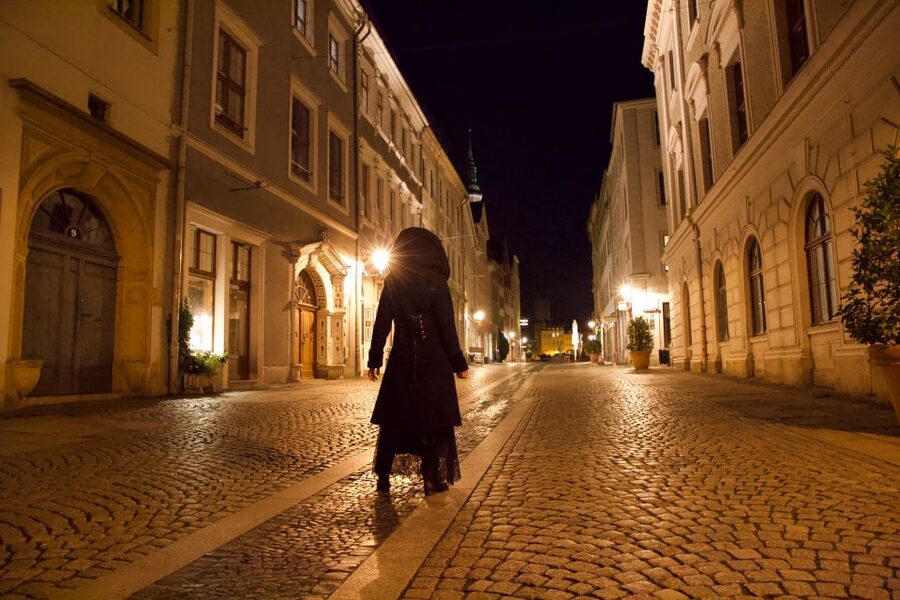
- Peterskirche as the dramatic starting point—a towering gothic church built in the 1400s, with the dark tone set immediately
- Waidhaus, Görlitz’s oldest secular building—the kind of landmark that makes superstitions feel believable
- An old city map in the dark—you’ll follow clues to back lanes and less obvious paths
- Execution stories that turned into local folklore—and why people kept telling the same scary versions
- The Görlitz Plague Tract—a forgotten-but-important document tied into the spooky narrative
- A Halloween-style payoff near the end—including surprise moments before you finish inside Schwibbogen
Arriving at Peterskirche: where the tour earns its mood
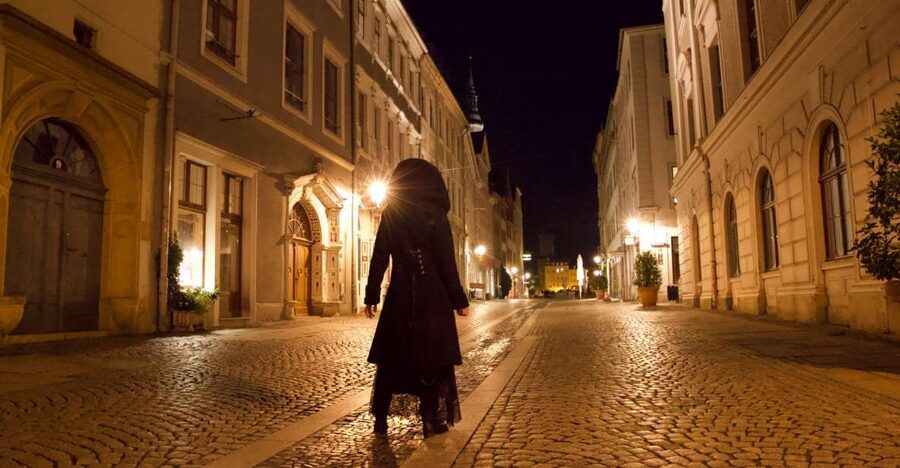
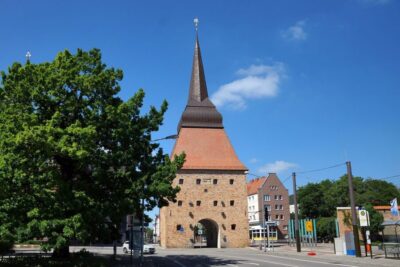
Plan on meeting in front of the Peterskirche, right next to the Waidhaus. That location matters. In daylight, Peterskirche already looks dramatic; at night, it becomes a natural stage where the guide can set rules for listening: stay close, keep your steps sure, and don’t rush the story.
This tour runs for about 1.5 hours, so it moves at a steady walking pace. You’re not doing a marathon, but you are going to cover roughly a mile of uneven ground. Comfortable shoes aren’t a suggestion here—they’re the difference between enjoying the walk and constantly thinking about your ankles.
Also note the language: the live guide speaks German. If your German is basic, you can still enjoy the atmosphere and visual storytelling, but full comprehension will depend on your comfort level with German.
You can also read our reviews of more walking tours in Gorlitz
Peterskirche and the gothic vibe of the 1400s
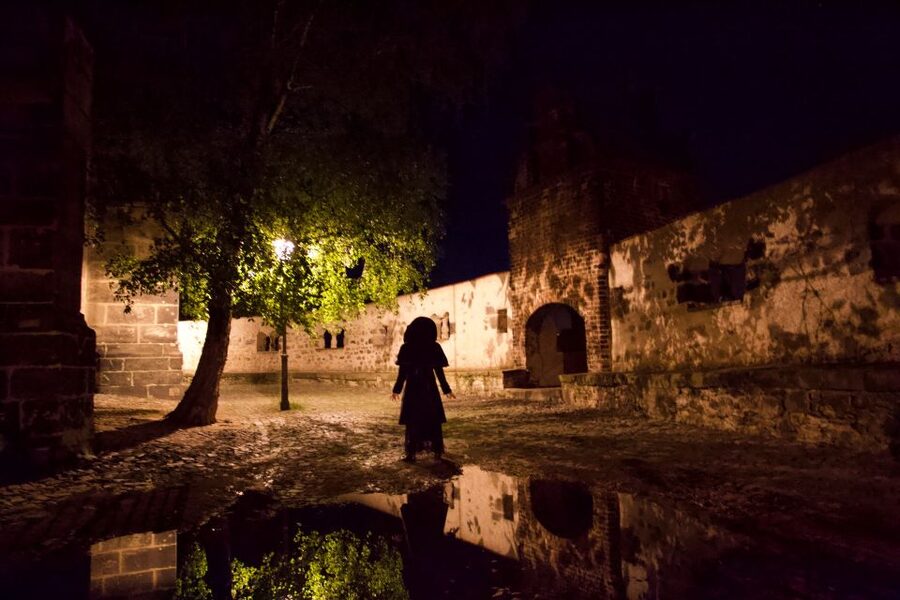
The tour leans hard into atmosphere right from the first landmark. Peterskirche is described as a towering gothic church built in the 1400s, and it’s the kind of building that changes how sound behaves at night. When a guide starts connecting architecture, local events, and ghostly claims, you can feel how the town’s past was built into the stone.
What I like about starting here is that it gives you a mental anchor. Even if the route meanders through alleyways, you’ll always know where you are in relation to the church. That matters in older cities, where streets can look similar when it’s dark.
If you’re the type who likes spooky stories but also likes understanding why people believed them, you’ll enjoy how the guide links landmarks to fear. The tour doesn’t just say there were hauntings; it tries to explain why certain places became magnets for superstition.
Waidhaus: the oldest secular building with big-story energy
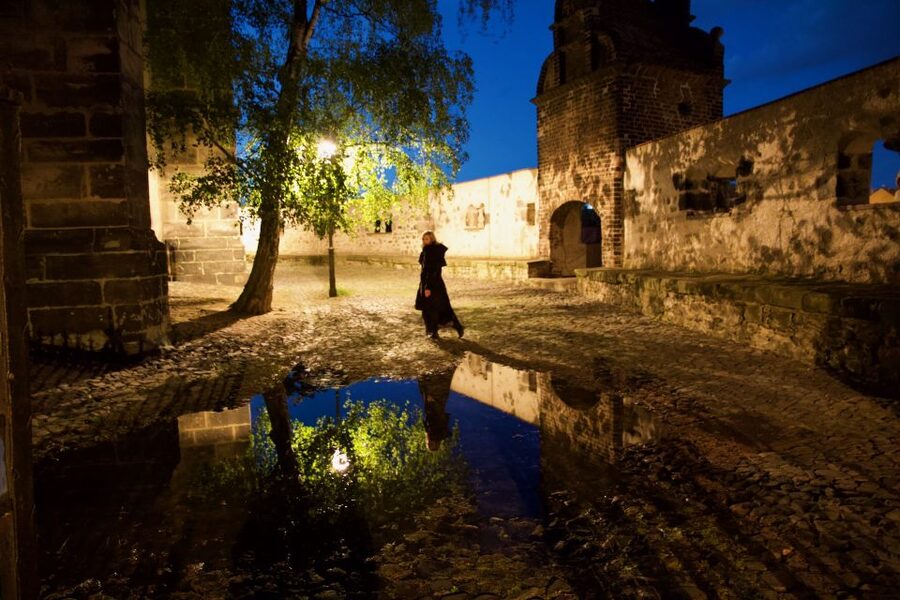
After Peterskirche, you continue toward the Waidhaus. The Waidhaus is noted as the oldest secular building in Görlitz, which makes it a powerful setting for a night tour focused on human behavior—especially fear.
Think about what that means in practice: you’re not just walking by churches and memorials. You’re passing a key civic landmark where normal life would have happened too. When stories of executions and grim events get tied to everyday spaces, the result is unsettling in a real, grounded way.
This is also where the tour’s practical magic kicks in. You’ll start to notice how the guide uses the city’s layout to tell you what to look for. You may begin spotting features you would have ignored earlier: narrow passages, the angles between buildings, and the way streets funnel you deeper into shadow.
Following the old city map through shadowy alleyways
One of the best parts of this tour is that you don’t just wander. You follow a narrative path guided by an old city map, which reveals forgotten pathways.
In Görlitz, backstreets can look like shortcuts—or like dead ends—when you’re not expecting a story to connect them. The map changes that. Suddenly those narrow lanes and less-traveled corners feel intentional, like the city itself is leading you somewhere.
Expect the guide to point out places of spooky activity and explain why they became part of local lore. This is where the tour becomes more than entertainment. Even if you don’t believe every paranormal claim, you can understand the psychology behind it: people need explanations for fear, illness, death, and the unknown. Then those explanations get repeated until they turn into tradition.
You’ll also get a clear sense of how executions and public punishments shaped beliefs. The guide connects landmark and event to superstition, showing how the past got turned into a warning system.
Execution stories and why they fueled superstition
Görlitz’s dark past is presented as a chain reaction: gruesome events happened, communities processed them, and then the stories hardened into folklore. The tour specifically focuses on how the region’s harsh age produced executions and how those deaths fed local superstitions.
This is useful for you because it gives the storytelling a structure. You’re not just collecting spooky anecdotes; you’re learning a pattern. That makes the tour easier to follow, especially on a night walk when your attention naturally starts to drift.
You’ll also hear how certain landmarks and executions sparked beliefs that lasted. It’s the difference between ghost stories as pure theater and ghost stories as social history.
And yes, the tour leans into the paranormal theme—stories of hauntings, paranormal activity, and the “why now” feeling of an old city at night—but the strongest moments are when the guide ties fear to something real enough that your brain can believe it.
Peterskirche to the mummy-tourist angle: how the weird legends spread
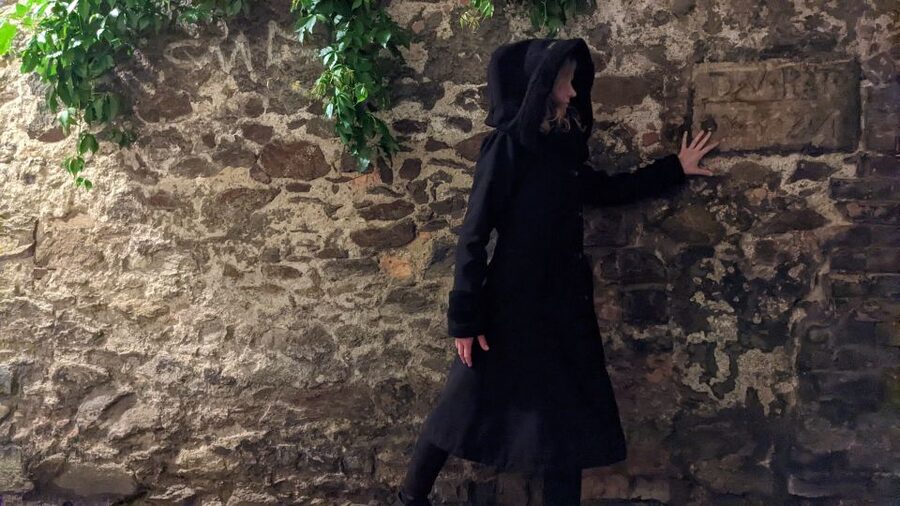
The tour includes a mention of Görlitz becoming a sought-after destination for mummy tourists. That’s a big, memorable hook because it reframes the city’s “darkness” as something that drew outsiders.
Even if you don’t know anything about that side of history, this part of the story adds context to why a town like Görlitz might earn a spooky reputation. It’s not only about local ghosts. It’s also about how strange practices and grim discoveries get turned into a visiting experience.
I like this angle because it connects the spooky to the human. People always have curiosity, and curiosity often arrives with stories. By the time you hear how legends got repeated and reshaped, you’ll start to see the night tour’s purpose: it’s teaching you how a place becomes a legend in the first place.
The Görlitz Plague Tract: a name that makes the story click
One of the more intriguing stops is the reference to the Görlitz Plague Tract, described as a forgotten but historically significant document.
Even with limited details in the tour format, the mere inclusion of a specific text gives weight to the spooky theme. It’s one thing to hear a ghost story. It’s another to hear that there were written records tied to illness and fear—records that helped people interpret what they were seeing.
This is also a good moment to slow down and listen carefully. Night tours work best when you treat them like a performance and not like background noise. The tour expects you to pay attention, because the map, the landmarks, and the story points all line up.
If you like history in the bones of your spooky tales, you should perk up here.
Surprise effects and a witch moment (with a Halloween vibe)
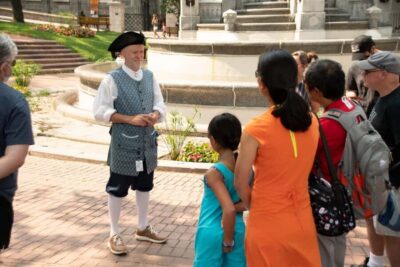
The tour’s tone is lively. You may get what sounds like surprise effects and a playful approach that still stays in character. In one example from the experience’s feedback, the guide as the witch was singled out as especially authentic, and the overall Halloween-week timing made everything feel even more fun.
Here’s how I’d interpret that for your planning: this tour isn’t a silent, serious walk. It’s a night performance with a guide who brings the story to life. That can be a real plus if you want something atmospheric after dinner and you’d rather enjoy a story than study a museum label.
If you’re the kind of person who likes your spooky entertainment with a bit of theater, you’ll probably love the energy.
Ending inside Schwibbogen hotel: close enough to feel like a scene
The tour finishes inside the Schwibbogen hotel. Ending indoors helps you decompress. After 1.5 hours of night air and alleyway shadows, it’s nice to have a warm, enclosed moment to let the stories land.
It also works practically. Night tours can make timing feel slippery, especially in rain. Having a clear end point inside a building reduces the last-street stress and helps you keep your bearings.
What the 1.5 hours feels like in real life
Let’s talk walking and pacing, because that’s what will make or break your comfort.
- You’ll cover about 1 mile on uneven ground.
- The tour runs rain or shine, so expect damp streets and possibly slick surfaces.
- Wear comfortable shoes and skip high heels. If you normally wear boots, you’re already thinking the right way.
The tour is also not designed for everyone:
- Not suitable for children under 10
- Not suitable for pregnant women
- Not suitable for people with mobility impairments
If any of those apply, it’s better to choose a different format with smoother surfaces or easier pacing.
Price value: why $18 can be a smart night plan
At about $18 per person, this is priced like an accessible night activity with a professional local guide. For that money, you’re getting a guided experience that’s short, story-driven, and uses multiple landmarks instead of staying in one area.
Is it a bargain compared to a private guide? Yes, in the sense that it gives you a guided route and a performance within a tight time window. Is it a deep academic history course? Not really. You’re paying for atmosphere and interpretation, not for a classroom-style breakdown.
So the value is strongest if you want:
- A night walk you can finish in about 90 minutes
- A local-guide perspective with a spooky theme
- A route that uses the city layout like a map-based storybook
Who should book this spooky night tour
This tour is a great fit if you:
- Want a nighttime orientation in Görlitz that feels different from daylight sightseeing
- Enjoy ghost stories that connect to real places like Peterskirche and Waidhaus
- Like guides who bring energy and do character-style storytelling
- Are comfortable walking uneven streets for about an hour and a half
It’s also a solid pick for a “what to do tonight” plan when you want something compact and atmospheric. And if your timing overlaps with Halloween season, the overall vibe can feel extra right.
If you’re sensitive to spooky themes, or you want strictly verified history with lots of factual detail, you might prefer a more museum-and-reading focused day activity instead.
Quick FAQ
FAQ
Where do I meet for the tour?
Meet in front of the Peterskirche, next to the Waidhaus.
How long is the Görlitz ghost tour?
It runs for about 1.5 hours.
What language is the tour guide?
The live guide speaks German.
What should I wear or bring?
Bring comfortable shoes. The tour involves uneven ground.
Is the tour offered in bad weather?
Yes. The tour takes place rain or shine.
Is it okay to bring a pet?
Pets aren’t allowed, though assistance dogs are allowed.
Are high heels or alcohol allowed?
High-heeled shoes are not allowed, and alcohol and drugs are not allowed.
Is the tour suitable for kids or mobility needs?
It’s not suitable for children under 10, pregnant women, or people with mobility impairments.
Should you book? My honest take
Book it if you want a fun, focused night walk with Peterskirche, the Waidhaus, and a route that uses an old city map to guide you through back lanes. The price is low enough to feel safe as a first-night activity, and the guide performance style—especially the witchy, authentic storytelling energy—makes it more entertaining than a standard history walk.
Skip it if you need a strictly factual, date-heavy history session, or if uneven ground and a night walk won’t work for your body or your pace. For the rest of you, this is exactly the kind of tour that turns a quiet historic town into a story you’ll remember.