REVIEW · PORTO
Porto Essential Walking Tour
Book on Viator →Operated by EFun Tours · Bookable on Viator
Porto has a way of rewarding slow wandering. This tour is a focused 3-hour walking loop that strings together the places you’d actually want to see first, with frequent photo stops and clear local context. I especially liked how the route covers both big names and quieter corners, and how the guide keeps the stories practical, not just dates. One thing to plan for: you’ll do steps and uphill stretches, so bring good shoes and don’t expect this to feel flat.
I also like that you get real momentum for the rest of your trip. After the walk, your guide typically shares what to see next and where to eat, so you’re not stuck guessing on day one. The only drawback is admission timing: several highlights are outside-the-wall views or photo stops, and the inside visits (like the bookshop, tower, and some churches) are not included.
A lot of people rave about the human side of this tour too. Guides such as Pedro Cardoso, Ricardo, João Rocha, Catarina, Barbara, and Maria are praised for detailed explanations, good English, and answering questions on the spot—often with a relaxed, funny tone that makes Porto feel easier to navigate.
In This Review
- Key highlights to look for on this walk
- Why a 3-hour walking tour is the best first “Porto move”
- Meeting point near Praça de Gomes Teixeira, ending by Ribeira Square
- From University of Porto to Igreja do Carmo: a tiled-start, then real orientation
- Igreja dos Carmelitas and Centro Português de Fotografia: churches plus a former prison story
- Miradouro da Vitória for the view, then Livraria Lello and the Torre dos Clérigos decision
- Praca da Liberdade and Sao Bento Station: squares and tile work you can’t fake with a photo
- Muralha Fernandina, Catedral do Porto, and Igreja De San Francisco: understanding Porto’s shape
- Palacio da Bolsa and Postigo do Carvao: the city’s power on display, then the wall return
- Praça da Ribeira: end with a river reset you can enjoy on your own
- Pace, steps, and footwear: the practical stuff that makes or breaks the day
- Admission tickets: what’s included, what costs extra, and how to choose
- Price and value: why $29.04 can feel like a deal
- Who this tour fits best (and who might want a different plan)
- Should you book Porto Essential Walking Tour?
- FAQ
- How long is the Porto Essential Walking Tour?
- What does the tour cost?
- Where do I meet for the tour, and where does it end?
- Is hotel pickup included?
- Is the tour in English?
- Are tickets included for churches, the bookshop, and towers?
- How big is the group?
- What if the weather is poor?
Key highlights to look for on this walk
- Photo-friendly pacing with frequent stops to pull out your camera without feeling rushed
- Small group size (max 20) for more questions and less crowding than big “free tour” groups
- Tile obsession stops, from ornate churches to Sao Bento Station
- Views built into the route, including Miradouro da Vitoria
- Mix of free and ticketed sights, so you can choose what to pay to enter
- End-of-tour recommendations, including what to do next and where to eat
Why a 3-hour walking tour is the best first “Porto move”
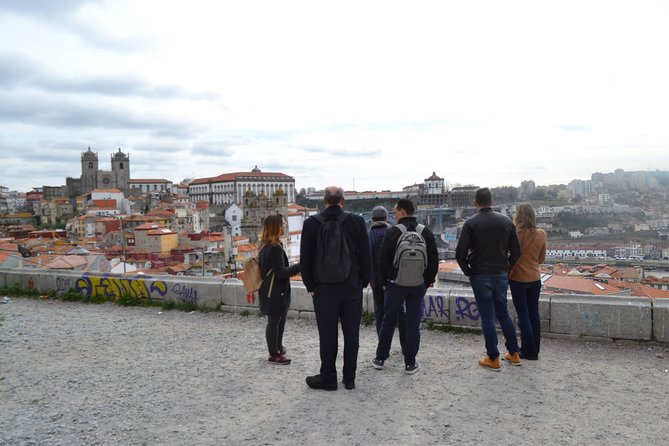
Porto is steep in places, charming in others, and easy to overdo if you try to brute-force everything in a day. I like that this tour is long enough to give you shape and context, but short enough that you still have energy afterward for a proper meal and a second walk on your own.
At about 3 hours, you get a guided route through the historic center. The smart part is that you’re not just sightseeing—you’re learning how the city fits together. By the time you reach the river, the places you saw earlier stop feeling like random postcards and start feeling connected.
You also get the kind of help that’s hard to replicate with a map: what each stop means, why it’s there, and what you can safely skip or prioritize later. Several guides are praised for being happy to answer questions, which matters in a city where street names, viewpoints, and opening hours can throw people off.
You can also read our reviews of more walking tours in Porto
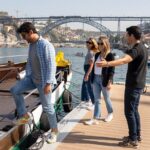


Meeting point near Praça de Gomes Teixeira, ending by Ribeira Square
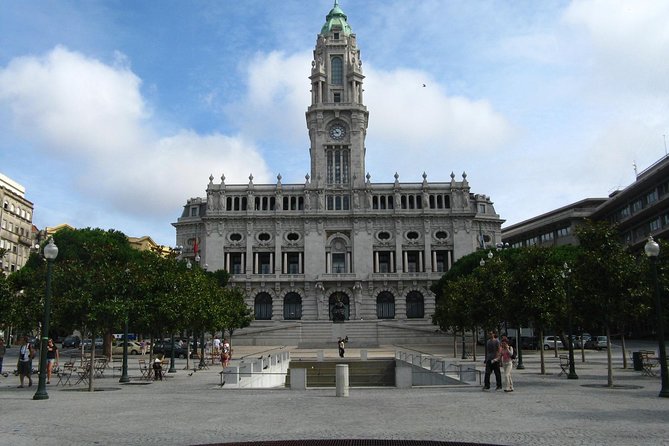
You’ll start at Praça de Gomes Teixeira (4050-161 Porto) and end at Ribeira Square (Praça Ribeira). That matters because it sets you up for the easiest next step: after the tour, you’re already near the riverside.
There’s no hotel pickup or drop-off, which is a simple tradeoff for keeping the tour moving. You’ll want to build in a few minutes to get to the start point, especially if you’re arriving by public transportation or you’re still finding your way through the center.
Also note the timing flexibility: departures are offered in morning or afternoon. If you’re trying to avoid the hottest part of the day, choose the slot that fits your energy. People consistently mention heat and weather in their feedback, so pick the departure that keeps you comfortable.
From University of Porto to Igreja do Carmo: a tiled-start, then real orientation
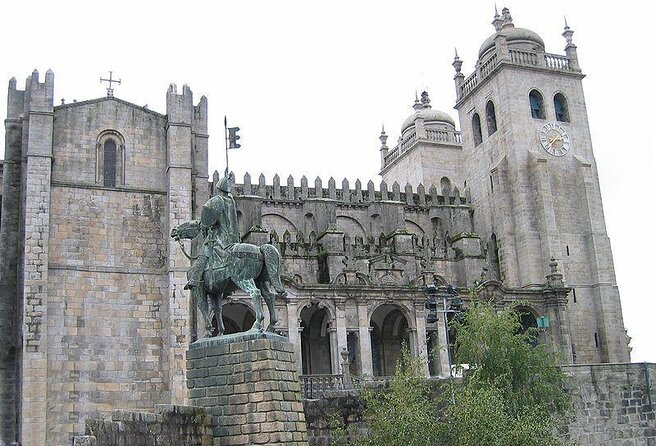
The tour begins with a stop connected to the University of Porto, which is a smart “context” move. Even if you’re not here for campus life, it helps you understand that Porto isn’t only churches and viewpoints—it’s also education, neighborhoods, and modern city life layered on older streets.
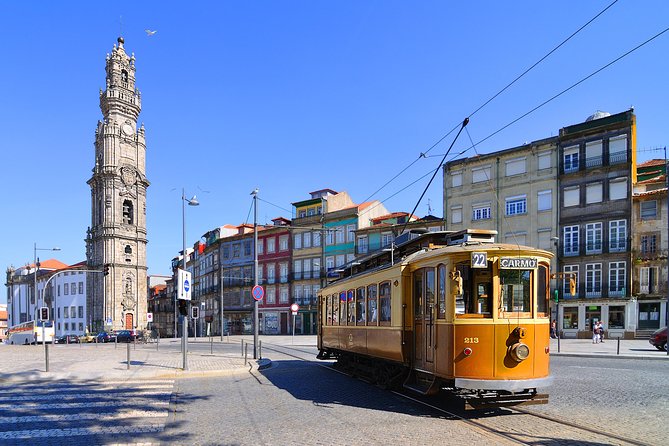
Next comes Igreja do Carmo. This is your early “wow” stop, with wonderful tile work that’s meant to be seen up close rather than from across the street. The quick drawback: the time on this stop is short, and admission is not included, so you’ll likely be weighing whether you just want the exterior/photo moment or you want to go inside.
From a practical standpoint, this segment is also where you learn the walk rhythm: stop, listen, photo, move on. If you’re jet-lagged or just arriving, this pacing helps you get bearings fast without draining you before the day really starts.
Igreja dos Carmelitas and Centro Português de Fotografia: churches plus a former prison story
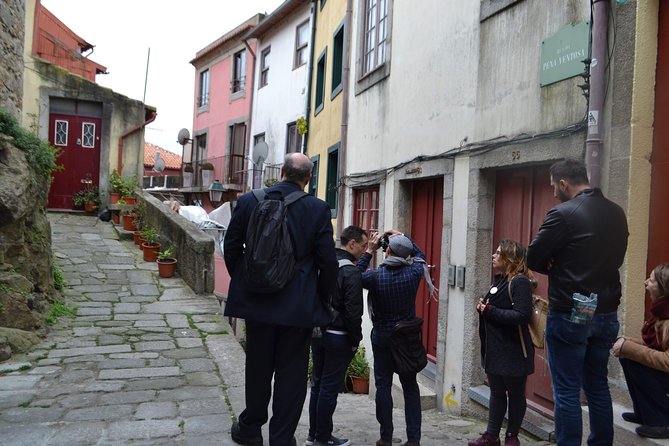
The route then shifts to Igreja dos Carmelitas, where admission is free. This is a good contrast to the earlier church stop: you can spend more time without worrying about ticket decisions, and it gives you a steadier sense of Porto’s religious architecture along the way.
After that you visit Centro Português de Fotografia, which is especially interesting because it’s housed in a building that once was a famous prison. You don’t need to be a photography fan to get value here. The conversion from prison to cultural space is the kind of city story Porto does well—how old structures get reused, not erased.
This stop is free, and it’s one of those moments where your guide’s storytelling can do a lot of work. Expect more about the building’s past and what makes the reuse meaningful, not just a quick photo moment.
Miradouro da Vitória for the view, then Livraria Lello and the Torre dos Clérigos decision
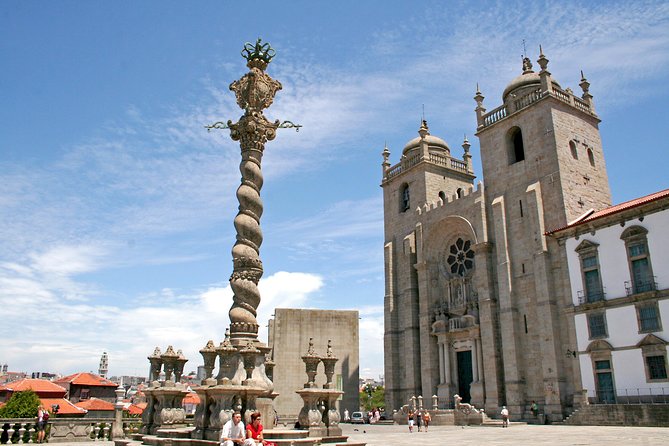
You’ll reach Miradouro da Vitória for the fantastic viewpoint. This is where Porto opens up. Even if you don’t go inside any museum today, this is the kind of lookout that gives you a mental map of how the city slopes and how the river area fits in.
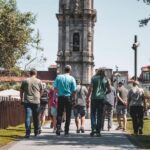
Right after the view, the tour hits two of Porto’s headline attractions: Livraria Lello and Torre dos Clérigos. Here’s the key planning point: both admission tickets are not included.
That doesn’t make the stops less worth it. It just means you should decide in advance how you want to spend your money and time. If you’re the type who really wants the inside experience—bookshop atmosphere, or climbing the tower—plan for that at this point in the walk. If you’re mainly there for the photos and the exterior vibe, you’ll still get plenty out of the stop with the guide explaining why each place matters.
The upside of including these in a guided route is that you’re not randomly stumbling onto them. You’ll understand what you’re looking at, and you can make a ticket decision with context.




Praca da Liberdade and Sao Bento Station: squares and tile work you can’t fake with a photo
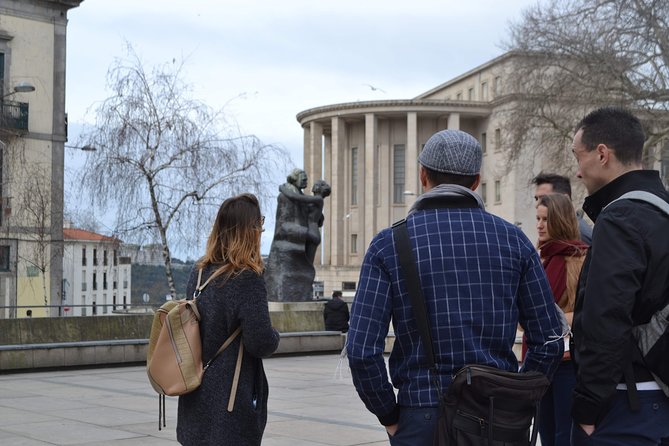
Next is Praca da Liberdade, a majestic square that functions as a breather between heavier stops. It’s a good place to reset your legs and look around with fresh eyes. If the earlier parts felt like a series of monuments, this square helps you see Porto as a city of public space, not just landmarks.
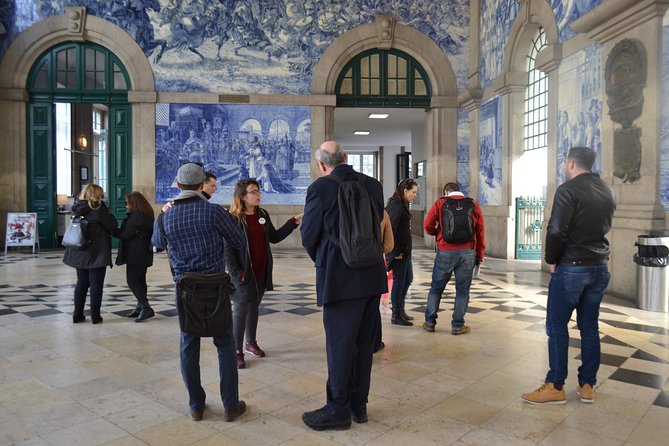
Then you get to Sao Bento Railway Station, one of the most beloved stops on the route because of the amazing tile work. This is free and it’s exactly the kind of attraction that benefits from a guide. Those panels aren’t just decoration; they’re part of how Porto tells stories in art form.
Expect to spend some real time here—about 20 minutes on the route. If you’re traveling with kids or you’re slower-paced, this is also a good pause because you can stand still and let the tiles do the work.
Muralha Fernandina, Catedral do Porto, and Igreja De San Francisco: understanding Porto’s shape
The walk turns toward Porto’s defensive past with Muralha Fernandina (the old city walls). This is free, and it helps you see the city’s structure in a way that you simply don’t get from modern streets alone. Even just standing near the walls gives you a sense of why Porto grew where it did.
After that comes Catedral do Porto, another highlight where admission is not included. The tour gives you time to admire it, and your guide’s history lesson here is what turns it into more than a building photo. Catedral stops are best when you’re listening, because the details are what make the architecture click.
Then there’s Iglesia De San Francisco, also not included for admission. This is a good place to decide what matters most to you. If you’re the kind of traveler who wants fewer ticketed interiors, you can treat it as an architectural stop. If you’re church-into-everything, you’ll want to consider entry time at this point.
A gentle caution: because you’ll be moving between these stops, you’ll want to pace yourself. Don’t try to sprint ahead for photos; the itinerary is designed so your guide’s story keeps you oriented.
Palacio da Bolsa and Postigo do Carvao: the city’s power on display, then the wall return
Later you visit Palacio da Bolsa, a major building stop where admission is not included. This is one of the places where Porto’s wealth and influence show up. Even if you skip interior time, you can still appreciate why it’s a “must” on many Porto lists—the architecture and setting explain a lot about the city’s past importance.
Before you finish at the river, you go by Postigo do Carvao, another look at the old city walls, and this one is free. Think of it as a final link back to the earlier wall segment, tying the city’s layout together visually.
This part of the tour is also a good marker for your energy level. By now you’ve already seen the biggest tile hits and at least one or two “ticket” decision points, so you’re mostly in the final stretch.
Praça da Ribeira: end with a river reset you can enjoy on your own
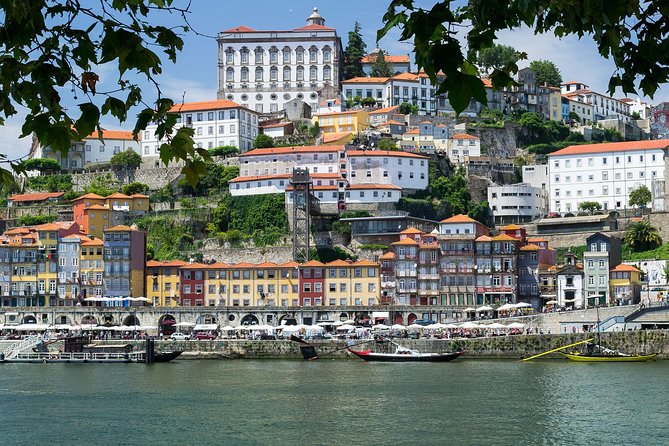
The tour closes at Praca da Ribeira with about 20 minutes to relax by the river. This is the payoff zone. After three hours of stairs, streets, and sights, you’ll probably want a pause where you can just watch people and boats and enjoy the view without listening to a timeline.
It also works strategically. You’re in a great spot to continue your own schedule—either find dinner or take a slow wander along the river to digest everything you just learned.
If you’ve had a guide like Ricardo or João Rocha, you’ll likely get helpful next-step suggestions at the end—what to do next, where to eat, and how to avoid wasting time.
Pace, steps, and footwear: the practical stuff that makes or breaks the day
This is a walking tour with moderate physical fitness in mind, but it is not a flat stroll. People mention many steps and uphill walking, so plan your pace accordingly.
My advice is simple:
- Wear good walking shoes with real grip
- Bring water, especially in warm weather
- If you’re sensitive to stairs, take breaks at natural pause points like squares and inside-station tile walls
Because the tour is max 20 travelers, it’s easier for the guide to slow down for questions or shorter breaks than on big crowded tours. Still, you’ll want to keep the “group rhythm” so everyone stays on time.
On the people side, one of the strongest themes in the feedback is how guides handle questions. Guides like Barbara and Maria are praised for making the experience feel personal rather than scripted.
Admission tickets: what’s included, what costs extra, and how to choose
What’s included is the local guide. Most of the route includes a mix of free stops and stops where entry is not included. Here’s the most useful way to think about it:
- Usually free and ideal for “yes, I’ll go in” later if you’re curious: Igreja dos Carmelitas, Centro Português de Fotografia, Miradouro da Vitória, Praca da Liberdade, Sao Bento Station, Muralha Fernandina, Postigo do Carvao, and Praça da Ribeira.
- Not included, so you decide whether to pay today: Igreja do Carmo, Livraria Lello, Torre dos Clérigos (tower ticket), Catedral do Porto, Igreja De San Francisco, and Palacio da Bolsa.
If you’re trying to keep costs controlled, you can still have a great tour without buying every ticket, because the exterior moments and the viewpoints carry a lot of the value. If you really want the inside experiences, this route is set up so those ticketed moments happen at sensible points, after you’ve already learned the background.
Price and value: why $29.04 can feel like a deal
At $29.04 per person for about 3 hours, this is priced like a strong “Porto orientation” tool. You’re paying for a guide to connect the dots—why these places matter, what to look for, and how to plan your remaining time.
In practice, this price feels especially fair because you’re getting:
- A structured walk through major highlights
- Plenty of free stops so you aren’t paying your way through the entire city
- A guide who often shares practical ideas for what to do next, including food and sightseeing priorities
If you compare this to paying for transport around the center plus figuring out everything alone, the guided format saves time and stress. And the small group size helps you get answers without waiting in a crowd.
Who this tour fits best (and who might want a different plan)
This tour fits you if you:
- Want a guided first pass through Porto without getting stuck making decisions alone
- Like architecture, tiles, and viewpoint moments
- Prefer a small group where your questions get answered
- Want a plan for the rest of the trip before you wander off
It may be less ideal if you:
- Can’t handle steps or uphill sections
- Only care about a single attraction and would rather spend the whole time there
- Don’t want any extra ticket decisions during the walk
Should you book Porto Essential Walking Tour?
If you want an easy way to get your head around Porto in one half-day, this is a smart choice. The route blends big recognizable sights with tile-rich surprises, and the ending by Ribeira gives you space to relax instead of rushing straight to another activity.
Book it if you’re the type who learns faster with a story in your ear and a clear route under your feet. Consider skipping or planning alternatives if stairs are a serious issue for you, or if you’re not interested in making a few ticket decisions along the way.
FAQ
How long is the Porto Essential Walking Tour?
It lasts about 3 hours.
What does the tour cost?
The price is $29.04 per person.
Where do I meet for the tour, and where does it end?
You meet at Praça de Gomes Teixeira, Porto, and the tour ends at Praça Ribeira.
Is hotel pickup included?
No. There is no hotel pickup or drop-off.
Is the tour in English?
Yes, it’s offered in English.
Are tickets included for churches, the bookshop, and towers?
Some stops are free, but several major sights have admission not included. The guide will take you to the stops, and you’ll need to decide whether to purchase tickets for the places that aren’t included.
How big is the group?
The tour has a maximum of 20 travelers.
What if the weather is poor?
The experience is described as operating in all weather with appropriate dressing. If it’s canceled due to poor weather, you’ll be offered a different date or a full refund.