REVIEW · ISTANBUL
Old Town Of Istanbul Orientation – Tip Based Walking Tour
Book on Viator →Operated by Basis Travel · Bookable on Viator
One quick walk can fix your whole Istanbul plan. This tip-based orientation tour strings together the key landmarks around Sultanahmet with real-world context, so you understand what you’re looking at instead of just snapping photos.
I like two things most. First, the route is built like an education snack: German Fountain, mosques with Islam explained, a look at Hagia Sophia’s scale, then on to the Column of Constantine and the Grand Bazaar. Second, you end with the best kind of break—free Turkish delight with fruit tea and a calm rooftop view, with restaurant tips that actually help.
One thing to keep in mind: entry is selective. You may not get into the Blue Mosque depending on lines or the Friday closure, and Hagia Sophia is viewed from outside unless you pay separately (25 Euros).
In This Review
- Key points worth knowing
- Tip-Based Old Town Orientation: the value play
- Starting at the German Fountain: a friendship monument with consequences
- The mosque section: Blue Mosque, an alternate plan, and Islam basics
- Hagia Sophia Grand Mosque: what you get without paying the 25 Euro fee
- Sultan Ahmet Tomb: burial traditions and how they changed
- Column of Constantine: a monument plus a trade-route story
- Nuruosmaniye Mosque: the backup plan that still teaches you
- Grand Bazaar: local-first route, then tourist zone, then your choice
- The free Turkish delight + fruit tea stop (and why it’s not just fluff)
- Price, group size, and timing: planning like a local
- Where to start and where you end
- Pacing and expectations: what to wear and what to bring
- Who this tour fits best
- The guide factor: why Ennis and Yunus show up in the details
- Should you book this Old Town orientation walking tour?
- FAQ
- How long is the tour?
- How much does the tour cost?
- Is the tour offered in English?
- Where do I meet the guide, and where does the tour end?
- Is Hagia Sophia included inside, and is there an entry fee?
- Do I need to pay admission for the other stops?
- Is there a free food or drink stop?
- Is tipping required?
- What happens if the Blue Mosque line is long or if it’s Friday?
Key points worth knowing
- Tip-based orientation: you decide what it’s worth at the end
- Islam explained on-site: mosques are chosen based on lines and schedules
- Hagia Sophia outside first: inside entry costs 25 Euros and isn’t included
- Grand Bazaar with local route logic: you start near local areas, then move toward tourist zones
- Free Turkish delight + fruit tea: a no-pressure stop with a rooftop view
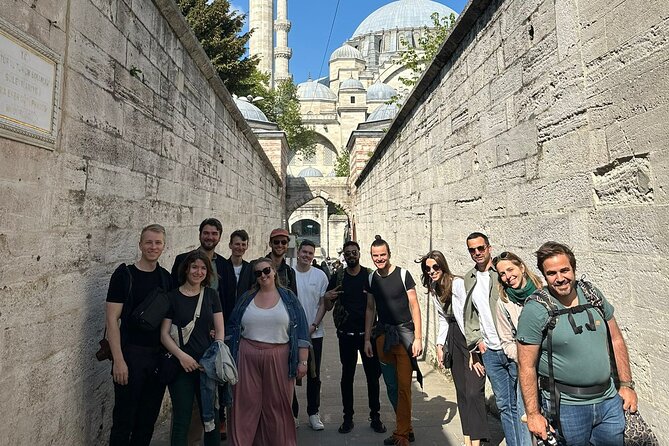
- Small group feel: up to 25 people, good for questions
Tip-Based Old Town Orientation: the value play
At $18.15 for about 2.5 hours, this is the kind of tour I recommend when you want fast direction in a city that can feel chaotic at first. You’re not paying for a single-ticket museum. You’re paying for a guide to help you connect dots: monuments to history, architecture to belief, and routes to daily life.
Being tip-based is a feature, not a trap. If your guide gives you clear answers and helps you navigate smarter, you can tip accordingly. If you don’t find it worth it, you shouldn’t feel locked into a fixed “tour tax.” That said, tips are part of the deal here—so plan to bring some cash for the guide.
The pacing works like an orientation walk: you cover multiple major stops, but you’re not stuck in one place for hours. One review noted you should have decent walking stamina, and that matches the structure. This is a “see a lot, understand a little more” format.
You can also read our reviews of more walking tours in Istanbul



Starting at the German Fountain: a friendship monument with consequences
The tour begins at the German Fountain, a friendship symbol between Turks and Germans that later ties into the countries’ alliance during World War I. That opening matters. It signals the theme of the day: old Istanbul isn’t just about empires. It’s also about relationships—politics, trade, alliances, and how those stories leave monuments behind.
From here, the walk flows into the Sultanahmet cluster. You’ll start noticing how sites sit close together, but the meanings are totally different. This is where a guide helps most: you learn what to look for before you get overwhelmed by scale and crowds.
The mosque section: Blue Mosque, an alternate plan, and Islam basics
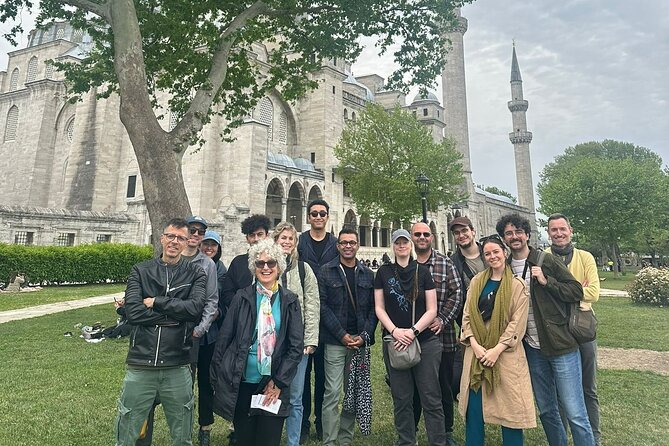
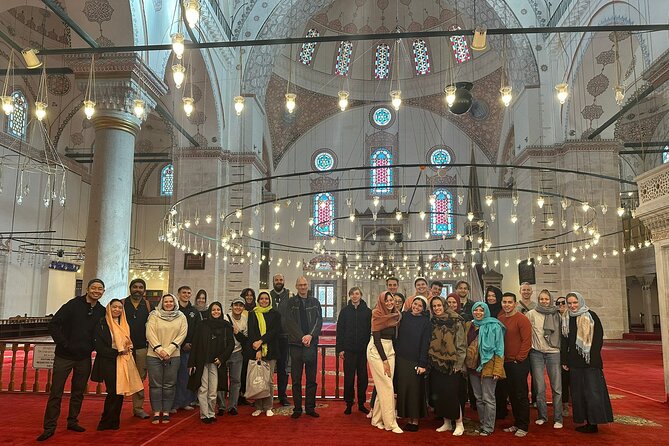
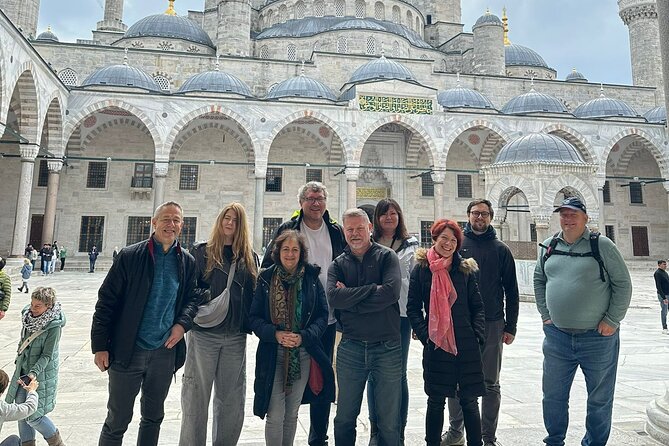
Mosques are the heart of this tour. You’ll visit a mosque and use that stop to talk about Islam in plain language, not just architecture trivia. The tour is designed around one reality: lines and access can change fast.
- The plan is to go inside the Blue Mosque if the line is manageable.
- If the wait is too long, the guide will pivot and take you to another mosque instead.
- The Blue Mosque is closed on Fridays, but the guide still works to get you inside a different mosque.
That “adapt to the day” approach is practical. In Istanbul, you’ll sometimes spend more time bargaining with crowds than learning. This tour tries to keep learning moving, even when you hit peak-hour lines.
A small detail that makes this feel more human: guides in the reviews answered questions and helped with everyday planning. One guide named Ennis stood out for extra help around public transport and even suggesting cheaper places to eat and shop. Another guide, Yunus, was mentioned as helpful and informative.
Hagia Sophia Grand Mosque: what you get without paying the 25 Euro fee
You’ll admire Hagia Sophia from the outside as part of the orientation. Entry requires a fee of 25 Euros per person, so it’s not included in the tour.
This setup has two advantages:
- You get the big visual moment—Hagia Sophia’s size hits even at street level.
- You can decide later if you want to pay and visit at a time that suits you.
If you do choose to visit later, the guide’s explanation makes a huge difference. You’ll likely notice more: the way a building can carry multiple eras, how power changes can reshape spaces, and why people still argue about what it means. You don’t need to buy the ticket on the spot here. The tour keeps your options open.
Sultan Ahmet Tomb: burial traditions and how they changed
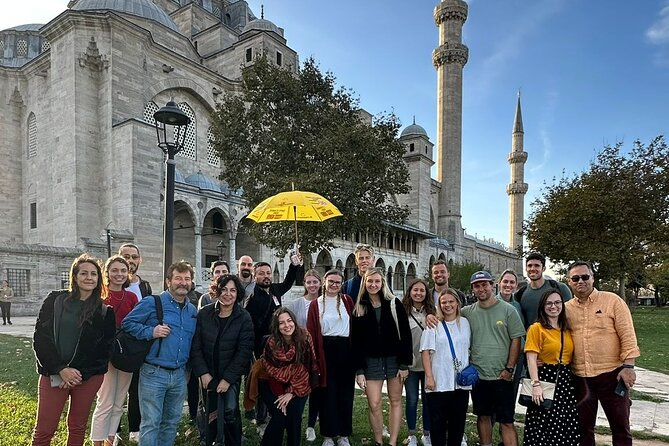
Next up is the Sultan Ahmet Tomb area, a cemetery tied to members of the royal family and other important figures. Even if cemeteries aren’t your usual “vacation highlight,” this stop is worth it because it teaches you something modern Istanbul locals carry forward: burial traditions, and how those traditions evolved after the Republic was established.
It’s a calmer moment in the middle of the walk. And it gives context for why certain neighborhoods feel layered—religious sites, state history, and family legacy all in close proximity.


Column of Constantine: a monument plus a trade-route story

The guide introduces the Column of Constantine the Great, and that’s not just a look-at-it stop. You’ll also hear how this location marked the end of major trade routes in ancient times.
That trade-route angle helps you understand what you’re seeing in Istanbul. This city didn’t become important because of one empire. It became important because goods, ideas, and people kept moving through it. You’ll feel that logic later when you hit the Grand Bazaar and realize it wasn’t built for tourists. It was built for commerce.
Nuruosmaniye Mosque: the backup plan that still teaches you
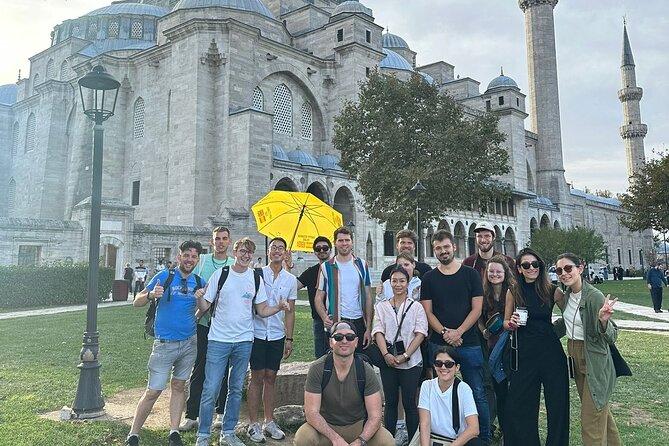
If the Blue Mosque line is too long, the tour may pivot to the Nuruosmaniye Mosque. Since mosques often share architectural and cultural features, the point isn’t that one mosque is identical to another—it’s that once you learn how to read one, the others become easier to understand on your own.
This is a smart travel skill. Istanbul has many mosques. You’ll see them after the tour too—if you know what to look for, you’ll enjoy those extra sights more.
Grand Bazaar: local-first route, then tourist zone, then your choice
The last major stop is the Grand Bazaar. The tour approach here is practical: you explore areas frequented by locals first, then move into the more tourist-oriented sections.
Then you get the best kind of guide guidance: inside for a short orientation, outside for tips. You’ll learn about haggling basics and also get recommendations for alternative bazaars to check out. This matters because the Grand Bazaar can get overwhelming fast. You want a strategy, not just a crowd ticket.
Two schedule cautions:
- Grand Bazaar is closed on Sundays, so if you’re traveling on a Sunday, you’ll want to check what happens with your specific date.
- The tour ends at/near the Grand Bazaar area, so you’ll be able to keep exploring right afterward.
The free Turkish delight + fruit tea stop (and why it’s not just fluff)
After the Bazaar exploration, you may choose to stay for a five-minute walk to a complimentary sampling of Turkish delight with fruit tea. This is not a shopping stop—no one should pull you into a sales pitch. You’ll also get access to a peaceful rooftop view.
In a city where most food stops cost extra, this is a nice value add. More importantly, the guide uses this downtime to share restaurant ideas for lunch after the walk. That’s how an orientation tour earns its keep.
Price, group size, and timing: planning like a local
This tour runs about 2 hours 30 minutes and is offered in English. The group size is capped at 25 travelers, which helps keep it interactive. If you tend to ask questions when you travel, this size is often a sweet spot.
It’s also a good sign that it’s commonly booked in advance—on average, about 17 days ahead. That doesn’t mean it sells out constantly, but it does suggest people find it useful for orientation timing. If you’re in town briefly, booking earlier usually protects you.
Where to start and where you end
You’ll meet at Pudding Shop Lale Restaurant, Alemdar, Divan Yolu Cd. No:6, 34400 Fatih/İstanbul. The tour ends out of the Grand Bazaar, near Beyazıt (34126 Fatih/İstanbul). This is helpful when you’re planning your next transport leg.
Pacing and expectations: what to wear and what to bring
This is a walking tour across major sights. One review specifically called out that you need to be in decent shape to keep up. I’d treat that as a nudge to wear comfortable shoes and expect a steady pace.
Bring:
- Comfortable walking shoes
- A small amount of cash for tipping
- Water (even if you don’t need it constantly, you’ll be glad to have it)
Also, keep expectations flexible on entry. Mosques can be subject to lines. The tour tries to handle that with alternatives, but you should still accept that the day can change the plan.
Who this tour fits best
This is a strong fit if:
- You’re new to Istanbul and want a guided way to understand the Old Town cluster
- You want a mosque stop with context, not just a checklist
- You like practical help for your next moves—food, transport, and nearby sights
It’s also ideal if you’re traveling with friends who want a shared “start here” experience. The route is structured, and the guide’s explanations help everyone keep up.
The guide factor: why Ennis and Yunus show up in the details
The reviews mention guides like Ennis and Yunus, and what stands out isn’t just history talk. It’s the way they answer the everyday questions that make a tour feel useful.
Ennis was noted for giving clear insight into sites around the area and helping with public transportation, plus suggesting cheaper spots for food and shopping. Yunus was described as helpful and entertaining, with enough detail to make the surrounding sites click.
That’s the real value in an orientation tour: not memorizing dates, but learning how to read what you’re looking at and how to move through the city.
Should you book this Old Town orientation walking tour?
If you want a fast, structured way to connect Sultanahmet landmarks—plus a mosque education component and real guidance for later wandering—this is a very solid choice. The free Turkish delight and fruit tea with rooftop calm is a genuine perk, not an afterthought. And the tip-based setup lets you match payment to what you feel you got.
I’d book it if:
- You’re aiming to understand Istanbul beyond postcard shots
- You want help with practical next steps like where to eat
- You’re okay with a steady walking pace
I’d pause before booking if:
- You specifically want guaranteed inside entry at the Blue Mosque or Hagia Sophia on the same day
- You prefer slower, deeper museum-style time over multi-stop orientation
If weather forces changes, the tour operator offers an alternative date or a full refund, which is reassuring. Just plan for the day to adapt—especially around mosque access and crowds.
FAQ
How long is the tour?
It runs about 2 hours 30 minutes.
How much does the tour cost?
The price is $18.15 per person.
Is the tour offered in English?
Yes, the tour is offered in English.
Where do I meet the guide, and where does the tour end?
You start at Pudding Shop Lale Restaurant on Alemdar, Divan Yolu Cd. No:6. The tour ends out of the Grand Bazaar near Beyazıt.
Is Hagia Sophia included inside, and is there an entry fee?
Hagia Sophia is admired from the outside on this tour. Entry inside requires a fee of 25 Euros per person and isn’t included.
Do I need to pay admission for the other stops?
Admission is listed as free for the German Fountain, Blue Mosque, Sultan Ahmet Tomb, Column of Constantine, and Nuruosmaniye Mosque.
Is there a free food or drink stop?
Yes. You can choose to take part in a complimentary sampling of Turkish delight with fruit tea, and you’ll also have access to a rooftop view.
Is tipping required?
The tour is tip-based. Tipping the guide is not included in the price.
What happens if the Blue Mosque line is long or if it’s Friday?
If the Blue Mosque line is manageable, you may go inside. If the line is too long, the guide may take you to another mosque. The Blue Mosque is closed on Fridays, but the guide will still make an effort to enter a different mosque.