REVIEW · ISTANBUL
Istanbul: Colorful Fener & Balat Walking Tour w/Expert Guide
Book on GetYourGuide →Operated by TOURMANIA · Bookable on GetYourGuide
Fener and Balat feel like Istanbul’s past walking beside you. This 2-hour, small-footprint walk threads Greek, Armenian, Jewish, and Bulgarian landmarks through steep lanes and painted staircases, with guides such as Hüseyin, Furkan, and Can/John bringing the details to life. I love how the tour focuses on specific sites you’d miss on your own, like the Bulgarian Church (Iron Church) and the Ahrida Synagogue. I also like the way the guide slows down for story, not just photos, with calm pacing and frequent opportunities to pause.
One thing to plan for: the neighborhoods are hilly and cobblestoned, so comfortable shoes matter. If you have ankle issues, this is not a casual stroll, and you’ll want to take it seriously—Jill and others flagged the steep ground, and one stop-and-start rhythm can be helpful.
In This Review
- Key highlights at a glance
- Why Fener and Balat are worth your time in Istanbul
- Meeting at Balat Merkez Şekercisi: where the walk really starts
- Balat colorful lanes: stairs, wooden houses, and local rhythm
- The Greek presence in Fener: churches, schools, and the Phanar area
- Church of Saint Mary of the Mongols (1266): one stop that changes the whole tone
- Phanar Greek Orthodox College and Panagia Paramythia: names that lead to meaning
- The Iron Church in Balat: the Bulgarian Church you’ll remember
- Ottoman wooden houses and steep streets: the real “feel” of the district
- Ahrida Synagogue: one of Istanbul’s oldest, and why it hits
- Ending with Turkish coffee: don’t skip the reset
- Price and value: is $18 for 2 hours actually fair?
- Who should book this Fener and Balat walking tour
- Should you book the Istanbul Fener and Balat walking tour?
- FAQ
- How long is the Fener and Balat walking tour?
- How much does the tour cost?
- What are the main places you’ll see?
- Is Turkish coffee included?
- Do I need a headscarf?
- Is the tour wheelchair accessible?
Key highlights at a glance

- Guided access to major minority landmarks in Fener and Balat, not just street photography
- Bulgarian Church, also called the Iron Church, with its distinctive cast-iron style
- Church of Saint Mary of the Mongols (1266) in Fener, an important date to remember
- Ahrida Synagogue, one of Istanbul’s oldest synagogue sites (15th century)
- Practical break moments and photo stops, so the walk feels human-sized
- A final cup of Turkish coffee to wrap up the day’s layered stories
Why Fener and Balat are worth your time in Istanbul
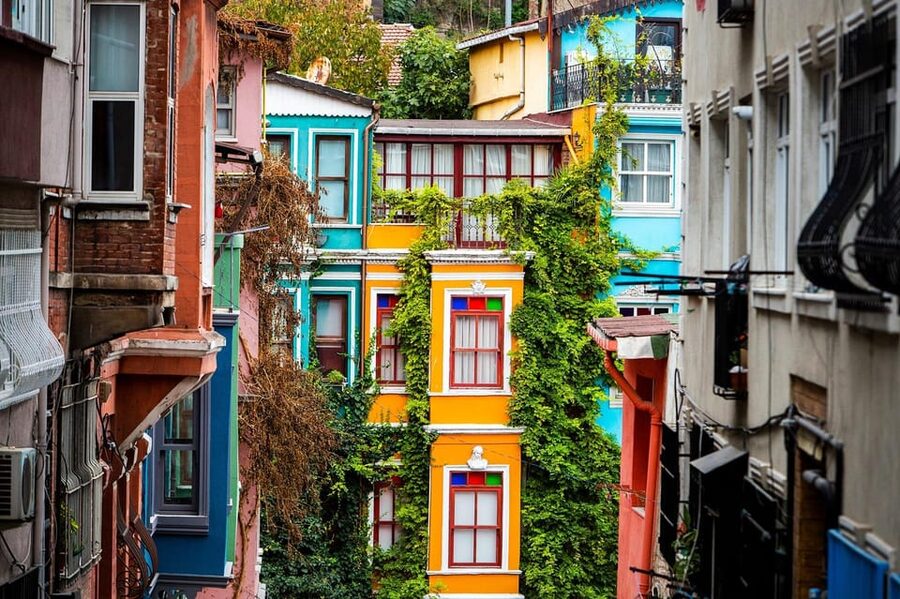
If your Istanbul plan is heavy on mosques and palaces, Fener and Balat offer a different angle: how everyday people built community across centuries. This area sits in the European side of the city and has long carried visible layers of Greek Orthodox, Bulgarian, and Jewish presence, plus Armenian and Ottoman-era influences you can still spot in architecture and street life.
The big reason I recommend this tour is that it doesn’t treat the neighborhood like a theme park. You walk into a real patchwork of places—some you can enter, some you’ll mainly pass by—and the guide ties each stop to what was happening in the city at the time. That makes it easier to connect what you see (wooden Ottoman houses, stone churches, synagogue walls) with what those communities needed to survive, worship, and stay known.
And it’s also a value play. For $18 per person for a 2-hour guided walk with entrance fees included, you’re paying for time, access, and interpretation. In a city where a “cheap” tour can turn into you walking past closed doors, this structure saves you effort.
You can also read our reviews of more walking tours in Istanbul


Meeting at Balat Merkez Şekercisi: where the walk really starts
The meeting point is in front of Balat Merkez Şekercisi. Look for the guide holding a flag with the Tourmania logo. This matters more than it sounds because the area is full of narrow streets, and you don’t want to lose time while a group is moving.
Once you’re together, you’ll head into the neighborhoods on foot. The walking style here is straightforward: photo stops, short guided segments, and quick breaks. Reviews consistently mention it’s not rushed, and that’s exactly what I like for this kind of place. When you’re dealing with hills and religious buildings, speed is the enemy. A slower pace also gives you room to ask questions, and many guides on this tour have been singled out for answering clearly.
What to bring is simple and practical:
- Comfortable shoes (really)
- Water
- Camera
- Hat
- Headscarf (required for women)
Balat colorful lanes: stairs, wooden houses, and local rhythm
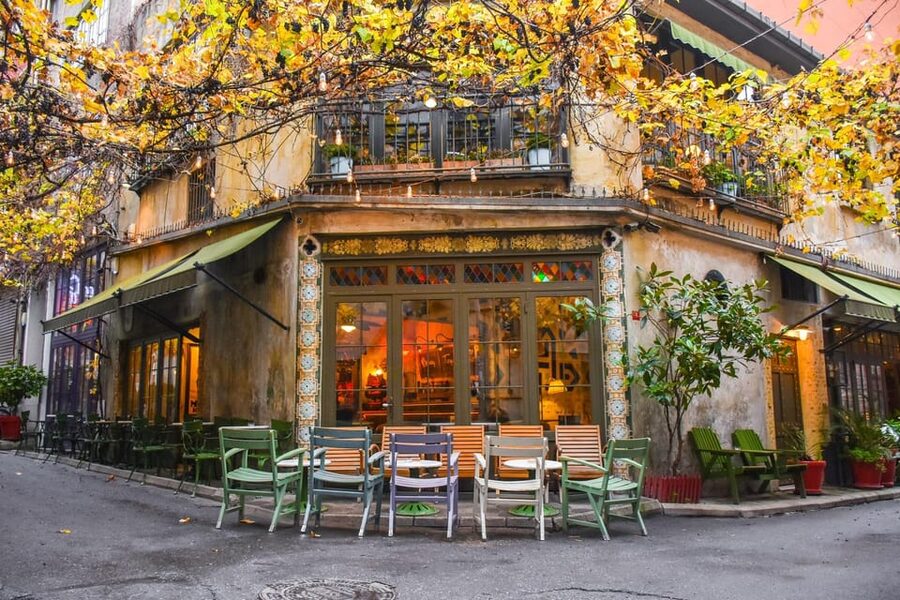
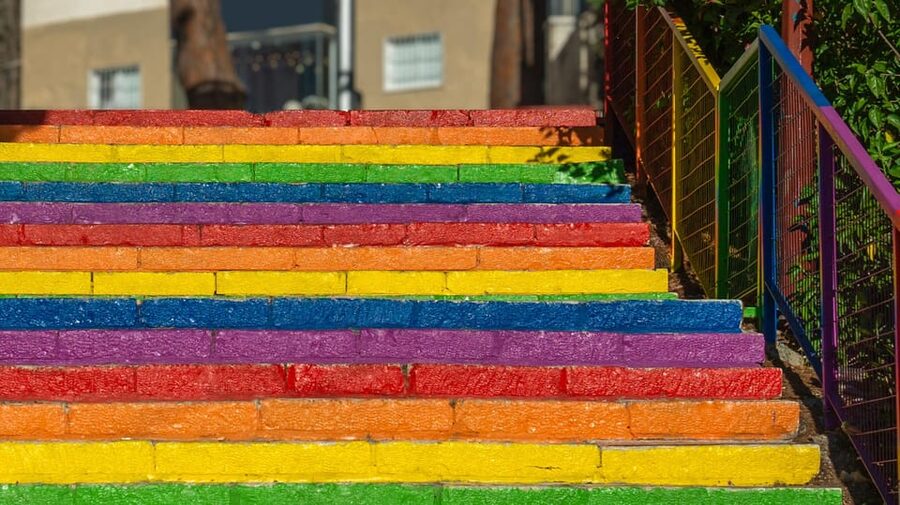
Balat is where the visuals hit first. You’ll start with a guided look around Balat’s local center and then move toward the colorful stretches that people instantly recognize. Expect moments for photos and short explanations on why the buildings look the way they do and how the district developed.
Two things to keep in mind while you’re in Balat:
- You’re walking on cobblestones and slopes, so your footing affects your enjoyment.
- You’ll be near houses and shopfronts, so respect goes a long way. Churches and synagogues have rules, and so do active neighborhoods.
One of the most memorable early stops is the colorful stairways (often referred to as the colorful stairs). The guide typically uses these viewpoints to transition from “pretty scenery” to real context—how communities lived on streets like these, and how the district changed while still keeping older traces.
If you’re the type who likes souvenirs, this is also the right side of the city to browse. A few people mentioned enjoying shopping right after the tour. Even if you don’t buy anything, walking through the small storefront feel helps you understand Balat as a lived-in district, not just a photo run.
The Greek presence in Fener: churches, schools, and the Phanar area

After Balat, you shift toward Fener. This is where the walk becomes more explicitly about the Greek Orthodox thread in the city.
You’ll see and often pass through or enter sites such as:
- A Greek Orthodox church where you’ll step inside
- A historic Greek primary school
- The area’s known colorful stairways
- The former residence of Romanian prince Dimitrie Cantemir, now tied to the local story through a museum/café stop
You’ll also come to major Fener landmarks like the Church of Saint Mary of the Mongols (dated 1266). That date is worth holding onto. It’s the kind of detail that stops the tour from feeling like a shopping list of “pretty buildings.” Instead, you start seeing the continuity: centuries-old worship spaces and the communities that kept them alive.
One of the guides named in feedback, Emre, was praised for passion and clarity, and Jan got credit for sharing how Istanbul grew through explanations and even reference pictures. That kind of interpretive storytelling is why I think a guided version of this walk is worth it. You get the why, not only the what.
Church of Saint Mary of the Mongols (1266): one stop that changes the whole tone
This church is one of those moments where the tour’s focus tightens. The key information you should remember here is the 1266 construction date. When a guide anchors you to that kind of timeline, it changes how you see the space—less like a photo background and more like a historical anchor.
Practically, this stop also teaches you how to behave inside religious spaces. You may need to adjust your clothing and how you photograph. The tour asks for respectful behavior, head coverings where required, and it also states no flash photography.
If you’re planning around this stop, build in patience. Religious buildings often have their own pace: entry rules, quiet time, and limited space for a group to gather.

Phanar Greek Orthodox College and Panagia Paramythia: names that lead to meaning
In Fener, the Phanar Greek Orthodox College shows up as a striking institution and another chance for the guide to explain how education and faith were intertwined for the Greek community in Istanbul.
You’ll also encounter the Panagia Paramythia Church along the way. Even when you’re mostly passing by, the guide typically connects it to the district’s spiritual geography—where Orthodox communities put their resources, how neighborhoods organized around worship, and why certain streets became known.
If you like architecture, these stops reward you. If you don’t want to memorize everything, you’ll still come away with a better mental map of the area. That matters because Fener and Balat can feel confusing if you’re just using your phone map app and trying to read signs.
The Iron Church in Balat: the Bulgarian Church you’ll remember
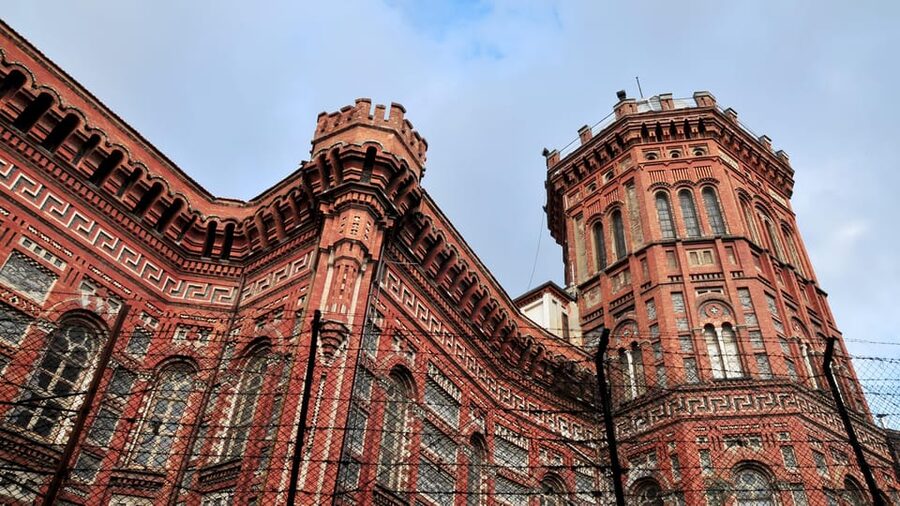
Now for the star stop many people come for: the Bulgarian Church, also known as the Iron Church, because of its cast-iron structure. This is the kind of site that makes you stop mid-walk and stare, even if you’re not an architecture fanatic.
Why it’s so valuable on a tour like this:
- The structure is unusual enough that it prompts questions.
- The guide’s context makes it more than a curiosity.
- You’re seeing it in the middle of the district that helped shape it, so it doesn’t feel detached.
You’ll also notice Ottoman-era wooden houses nearby. This helps you connect the church’s story to everyday neighborhood life: homes and streets that carried these communities through Ottoman times and into the modern city.
Ottoman wooden houses and steep streets: the real “feel” of the district
Balat’s charm isn’t only visual—it’s spatial. The wood-and-stone look of the neighborhood sits next to slopes, narrow lanes, and steps that force you to slow down. That’s why a guide helps: they can keep your route coherent while you focus on the sights.
In feedback, people flagged that the terrain can be challenging, especially if you have ankle problems. So if you go, go prepared. Short pauses during the walk aren’t a flaw; they’re what makes the experience enjoyable in warm weather or if you’re dealing with stairs and uneven stone.
A practical note: you’ll often be asked to respect clothing rules for religious sites. One recurring detail from tour experiences is that some churches can be strict about exposed knees or shoulders. If you’re not dressed for it, you might be asked to cover up, and one example mentioned buying something for 200 TL to enter. It’s smart to wear clothing that keeps your knees and shoulders covered so you’re not stuck negotiating at the doorway.
Ahrida Synagogue: one of Istanbul’s oldest, and why it hits
The tour ends in the area around the Ahrida Synagogue, described as one of the oldest synagogues in Istanbul, dating back to the 15th century. This is a meaningful shift from churches to Jewish heritage, and it’s exactly why the Fener-Balat pairing works. You’re not only seeing buildings—you’re watching the city’s identity in different faith forms along the same walking axis.
You’ll typically pass by rather than spend long inside, but the guide will frame why this synagogue matters and how older Jewish Istanbul shaped the neighborhood’s survival and visibility.
It’s also a moment where your senses narrow. After churches and Ottoman lanes, the synagogue area feels more hushed and focused. Even if you’re not a history buff, you’ll probably feel the weight of the timeline here.
Ending with Turkish coffee: don’t skip the reset
The walk finishes with a cup of Turkish coffee. This isn’t just a perk; it’s a smart way to close the experience. After hours of stairs, places, and names, coffee gives you a simple ritual to land the story in your body instead of only in your notes.
It’s also a good chance to ask your guide where to eat next in the area. Some guides are known for practical food tips, and people have specifically mentioned enjoying local treats and planning meals right after.
If you’re thinking about souvenirs, this is also where you can gently pivot from “tour mode” to “wander mode.” You’ll have a better sense of where you are, and what looks worth a second look.
Price and value: is $18 for 2 hours actually fair?
For a $18 price tag and a 2-hour time window, the value comes from three things:
- An expert guide in English, who connects landmarks to context
- Entrance fees included, so your experience isn’t constantly interrupted by extra payments
- A route that hits distinct religious and cultural sites rather than repeating the same few viewpoints
In Istanbul, you can spend more on a tour that mostly points at exterior facades. Here, you’re set up for real stops, including interior access at certain churches and structured time for the group.
One reason the price feels especially fair is how consistently guides are praised for clarity and engagement. People often mention it’s well-paced and not rushed, and if you’ve ever felt exhausted after a “two-hour” walk that somehow becomes four, you’ll appreciate the difference.
Who should book this Fener and Balat walking tour
This tour makes the most sense if you want:
- A focused way to see two districts in one morning/afternoon
- A route that includes Greek Orthodox sites, the Bulgarian Iron Church, and Ahrida Synagogue
- A guide who can explain why these communities shaped Istanbul
It also suits solo travelers, couples, and small groups who like walking but don’t want to figure out religious-site rules on their own.
That said, it’s not suitable for wheelchair users. The streets are hilly and cobblestoned, so accessibility is limited.
If you’re visiting in a hot season, bring water and plan to slow down. If you’re visiting in cool weather, wear layers so you can adjust when you step inside churches.
Should you book the Istanbul Fener and Balat walking tour?
Yes, if you like Istanbul when it’s off the main traffic of the most famous sights. This is a strong choice for people who want a practical guided path through Fener and Balat’s major cultural landmarks—especially the Bulgarian Iron Church and the Ahrida Synagogue—without turning the day into a marathon.
Book it when:
- You want context, not just photos
- You’re happy to walk on uneven streets
- You’d like a guide to help you navigate religious-site expectations (headscarf rules, modest clothing, and no flash)
Skip it or choose another option if:
- You have mobility limits that can’t handle steep cobblestones
- You’re looking for a fully laid-back, flat stroll
If you do book it, I’d recommend arriving on time, wearing shoes you trust on slopes, and bringing clothing that keeps knees and shoulders covered. Then you’ll get the best version of this walk: a calmer, clearer Istanbul story that feels real, not staged.
FAQ
How long is the Fener and Balat walking tour?
It lasts 2 hours.
How much does the tour cost?
The price is $18 per person.
What are the main places you’ll see?
You’ll see the Bulgarian Church (Iron Church), the Church of Saint Mary of the Mongols (1266), and the Ahrida Synagogue, along with several other religious and historic stops in Fener and Balat.
Is Turkish coffee included?
Yes. The tour includes a cup of Turkish coffee to end the walk.
Do I need a headscarf?
Yes, a headscarf is required for women.
Is the tour wheelchair accessible?
No. It’s listed as not suitable for wheelchair users.