
REVIEW · NEW ORLEANS
New Orleans: Garden District Guided Walking Tour
Book on GetYourGuide →Operated by Lucky Bean Tours · Bookable on GetYourGuide
New Orleans has a way of grabbing you fast. This Garden District guided walking tour pairs pretty streets with sharp history, including a peek at Lafayette Cemetery No. 1 from the gates.
I especially like how the tour turns big-picture events—like the Louisiana Purchase—into human-scale stories you can picture.
I also love the format: a live guide who keeps the pace easy and the facts clear, with plenty of time to ask questions. In past groups, guides such as Libby, James, Renée, Jackie, Betsy, and Yvonne have been praised for turning architecture and neighborhood history into something you actually enjoy walking through.
One consideration: it’s an outdoor walk on uneven surfaces, so sturdy shoes (and a comfortable plan for walking time) matter. The cemetery section is also a gate-level look—this area is noted as currently closed to the public.
In This Review
- Key moments on the Garden District walk
- Why the Garden District is such a smart New Orleans start
- The 2-hour walking rhythm: what you’ll cover (and what you won’t)
- From Louisiana Purchase to mansion blocks: decoding the architecture on the move
- Lafayette Cemetery No. 1 gates: how above-ground burial changes what you see
- What guides add beyond facts: stories that make the neighborhood feel lived-in
- Magazine Street landing: turn the last block into shopping and a meal
- Price and value: why $30 can feel fair here
- Who this tour suits best (and who should consider another option)
- Quick practical notes before you go
- Should you book this Garden District guided walking tour?
- FAQ
- How long is the Garden District guided walking tour?
- What is the price per person?
- Where does the tour start and end?
- What’s included in the tour price?
- Can I visit Lafayette Cemetery No. 1 inside the grounds?
- Is the tour wheelchair accessible?
- Are pets or smoking allowed?
- What’s the cancellation and payment flexibility?
Key moments on the Garden District walk

- Tree-lined streets where you learn why the neighborhood looks the way it does
- Antebellum-style architecture origins tied to wealth-building after the Louisiana Purchase
- Lafayette Cemetery No. 1: what above-ground burial customs look like from the gates
- Story-driven guidance with plenty of time for questions and side anecdotes
- Easy finish on Magazine Street for shopping or a quick bite right after
Why the Garden District is such a smart New Orleans start

If you only do one neighborhood on foot in New Orleans, make it the Garden District. The vibe is different from the French Quarter: leafy streets, big homes, and a calmer rhythm that helps history sink in.
This tour gives you a walkable way to understand the neighborhood’s identity. You’ll connect architecture, money, and migration patterns into one clear story as you go house to house.
You can also read our reviews of more walking tours in New Orleans



The 2-hour walking rhythm: what you’ll cover (and what you won’t)

At $30 per person for about 2 hours, this is a “get your bearings fast” kind of tour. It’s long enough to cover the main ideas and stop at the cemetery gates, but short enough that you’re not stuck on a marathon.
Meeting and starting details can vary by option, and the tour ends back at the meeting point. You’re also set up to keep exploring after the walk, especially along Magazine Street.
Here’s the practical win: you don’t have to plan route math or guess what to look for. The guide helps you spot patterns, not just pretty buildings.
From Louisiana Purchase to mansion blocks: decoding the architecture on the move

One of the best parts is learning where the Garden District’s look came from. You’ll hear how the neighborhood became a wealthy suburb after the Louisiana Purchase, shaped by risk-takers, speculators, and dreamers.
As you stroll, you’ll connect those big names and motivations to what you see: ornate antebellum-style homes and landscaped yards that made the neighborhood feel like a statement. The guide’s job is to help you notice details without making you feel like you’re reading a textbook while walking.
You’ll also get a sense of why the neighborhood is known for being well preserved. That matters because it’s the built environment that makes the stories believable—history isn’t just talked about, it’s visible.
Lafayette Cemetery No. 1 gates: how above-ground burial changes what you see

The tour’s standout stop is Lafayette Cemetery No. 1, listed as a National Historic Landmark. You’ll “peek inside the gates,” and the notes say it’s currently closed to the public, so you’ll view it from what’s allowed.
This is not a scare-house style stop. It’s a chance to learn how above-ground interment customs work in New Orleans—part culture, part practicality, part tradition. When you understand that, the cemetery shifts from scenery to context.
Practical tip: treat this as a photo-and-observation moment rather than an extended wander inside. The goal is to see the setting and absorb the meaning, then move on.
What guides add beyond facts: stories that make the neighborhood feel lived-in

A walking tour lives or dies by the guide’s storytelling. This one is repeatedly praised for being engaging and unhurried, with guides described as funny, energetic, and able to answer questions.
That matters for you because Garden District history can sound dry if it’s only dates and titles. When the guide brings it to life—talking about who helped build the neighborhood and how people lived—you get a clearer sense of what made the place what it is today.
You may also hear connections to Creole and Cajun culture and local life, plus tips that help you keep your trip flowing after the tour. Even if you’re not an architecture fanatic, these side stories can make the whole walk feel more personal.






Magazine Street landing: turn the last block into shopping and a meal

You’ll end near Magazine Street, which is a smart finish. It’s one of those New Orleans arteries where you can keep momentum without needing a second plan.
Since the tour ends back at the meeting point, you still have flexibility: you can head straight to shops and dining, or keep wandering the Garden District area if you’re in a strolling mood.
If you like to sample the city one neighborhood at a time, this finish is convenient. You get a history hit first, then you feed yourself and browse a bit while everything is fresh in your mind.
Price and value: why $30 can feel fair here
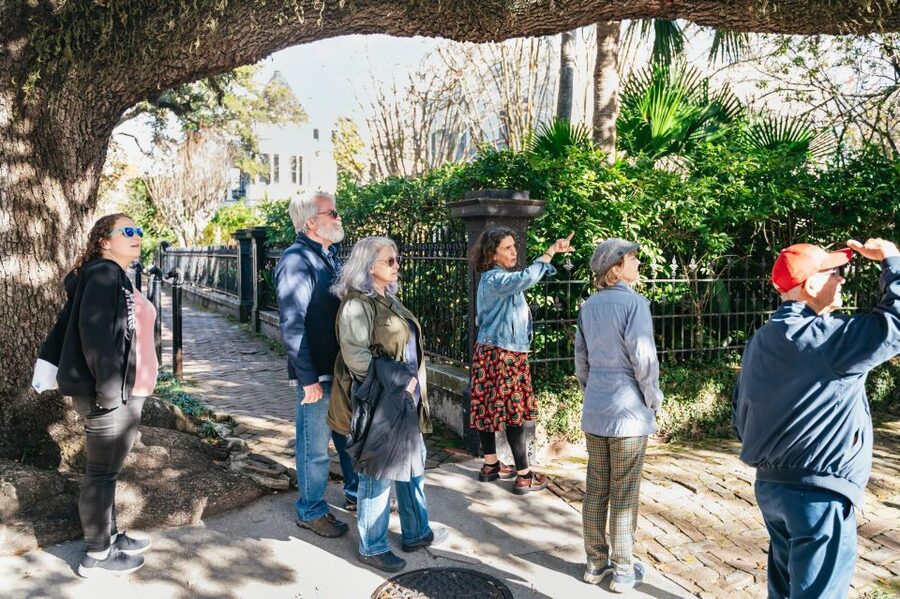
Let’s talk value in plain terms. $30 for about 2 hours includes a walking tour and a live English guide, which is the real cost driver on a guided experience. You’re not just paying for a map—you’re paying for someone to connect what you see to why it matters.
The cemetery gate peek is also part of what makes this tour different from a basic neighborhood walk. Even though it’s limited by the cemetery’s current public access status, it still adds a major cultural stop.
You’re also paying for comfort in pacing. Multiple guide comments point to a tour that doesn’t feel rushed, which makes the time feel more “worth it.” If you enjoy asking questions and listening to stories, this price is easier to justify.
Who this tour suits best (and who should consider another option)

This tour is a great match if you like architecture, history, and neighborhood stories. You’ll get enough structure to guide your eyes, plus enough flexibility to enjoy the streets instead of rushing through them.
It’s also a good fit for first-time New Orleans visitors who want an organized way to see a major area beyond the French Quarter. And if you’re traveling with mixed interests—someone who wants history, someone who just wants beautiful walking scenery—this strikes a nice balance.
One caution: the area has uneven walking surfaces, and sturdy shoes are strongly recommended. The tour is wheelchair accessible, but uneven ground can still be a factor, so plan for your comfort level.
Quick practical notes before you go

A few details that can save you stress: pets and smoking aren’t allowed. The guide is live and speaks English.
Starting times vary, so check the schedule that fits your day. Since it’s a walking tour, dress for the weather and keep your pace steady. Guides often handle changes in conditions well, but you’ll still enjoy it more if you’re prepared for what the outdoors gives you.
Should you book this Garden District guided walking tour?
Book it if you want an efficient, story-rich way to understand the Garden District without doing homework first. The mix of tree-lined streets, architecture context, and Lafayette Cemetery No. 1 from the gates makes this more than a pretty stroll.
Skip it or compare options if you hate walking on uneven surfaces or you’re expecting full cemetery access. This one is designed for viewing and learning within the stated limits, then moving on toward Magazine Street.
If you’re the type who likes to learn as you go—short stops, clear explanations, and a friendly guide—this is a solid $30 use of time in New Orleans.
FAQ
How long is the Garden District guided walking tour?
It lasts about 2 hours. Starting times vary, so you’ll want to check availability for the specific departure that works for your schedule.
What is the price per person?
The price is $30 per person.
Where does the tour start and end?
The meeting point may vary depending on the option booked, and the tour ends back at the meeting point.
What’s included in the tour price?
You get a walking tour and a live English guide.
Can I visit Lafayette Cemetery No. 1 inside the grounds?
The tour includes a peek inside the gates of Lafayette Cemetery No. 1. The information provided notes that it is currently closed to the public.
Is the tour wheelchair accessible?
Yes, the tour is listed as wheelchair accessible. The area has uneven walking surfaces, so sturdy shoes are strongly recommended.
Are pets or smoking allowed?
No. Pets and smoking are not allowed on the tour.
What’s the cancellation and payment flexibility?
Free cancellation is available up to 24 hours in advance for a full refund. You can also reserve now and pay later, meaning you don’t have to pay today.