REVIEW · MEXICO CITY
Mexico City: Historic Downtown Walking Tour
Book on GetYourGuide →Operated by Mexico a Pie Walking Tours · Bookable on GetYourGuide
A good downtown walk in Mexico City is all about layers. This 3-hour tour threads through the Centro Histórico—Aztec roots, Spanish conquest, and grand 20th-century style—in a way that’s easy to follow.
I really like how the stops come with clear stories, not just photos. Guides such as Emiliano and Nadia are often praised for making the history feel personal, with the kind of pacing that helps you connect the dots without getting lost.
One thing to think about: it’s a lot of walking on busy sidewalks, and the notes are mixed on access. Even though it says wheelchair accessible, it also states it is not suitable for wheelchair users—so check carefully if mobility is a concern.
In This Review
- Key highlights you’ll feel on the street
- Price and logistics that actually matter in Mexico City
- Step inside the Metropolitan Cathedral and learn why it mattered
- Zócalo Square: the heart of the city (and where Cortés is remembered)
- Standing near the ruins of the ancient Aztec city
- Post Office Building and Palace of Fine Arts: architecture you can feel
- Stained-glass department store and the bakery: the local culture pieces
- The department store stop
- The traditional bakery sweet bread
- Pace, shade, and city noise: how 3 hours really works
- Who this walking tour fits best (and who should reconsider)
- Value check: is $26 a good deal here?
- Should you book Mexico a Pie’s Historic Downtown walk?
- FAQ
- What is the duration of the Mexico City Historic Downtown walking tour?
- How much does it cost?
- What’s included in the tour price?
- Is transportation to and from the meeting point included?
- Are food and drinks included?
- What are the tour start times?
- What languages is the guide available in?
- Does the tour run in bad weather?
- Are baby strollers allowed?
- Is the tour wheelchair accessible?
- Where is the meeting point?
Key highlights you’ll feel on the street
- Metropolitan Cathedral visit: step inside Mexico City’s huge landmark and hear what made it so important for centuries
- Zócalo Square at street level: see the heart of the city and the spot tied to Hernán Cortés
- Aztec ruins stop: stand near the remains of the ancient city and get help understanding what you’re looking at
- Post Office Building inside: move from plazas to architecture you’d normally miss
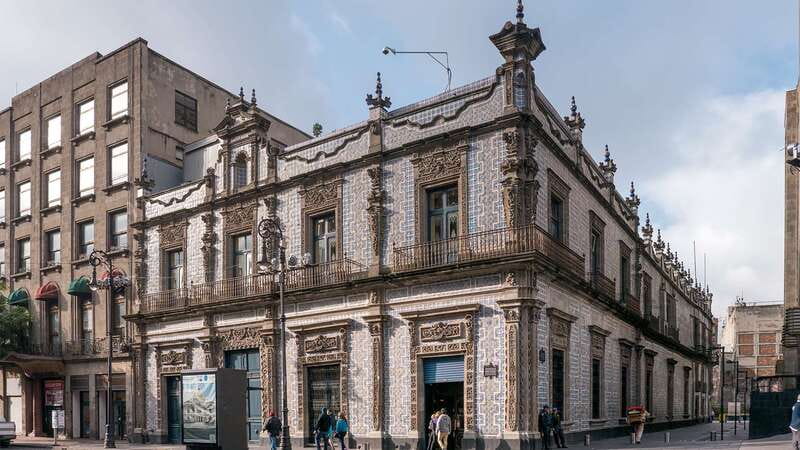
- Stained-glass department store: a major contrast to the churches and ruins, and very photogenic
- Traditional bakery sweet bread: you’ll get to see and taste the variety (even if you only try one)
Price and logistics that actually matter in Mexico City
For $26 per person, you’re paying for one thing that’s hard to DIY: a guide who can explain what you’re seeing while you’re walking. In a place like Mexico City’s historic center, the value isn’t in “getting into a few buildings”—it’s in learning how the layers fit together: Aztec city → Spanish rule → modern capital.
You’re doing this at a walking pace for about 3 hours, so plan your day around it. The tour is rain or shine, which means you’ll want weather-ready clothes and shoes you can trust on stone and uneven sidewalks.
Meeting point is straightforward: in front of McDonald’s in Zócalo Main Square, look for the white umbrellas from Mexico a Pie Walking Tours. They ask you for a valid cellphone number—useful if you get delayed and need to regroup.
Two practical notes from the experience style here:
- Bring sunscreen and sunglasses. This is downtown walking in open areas.
- Expect the city noise. Some people have flagged the audio setup being tough against street vendors and music, especially in the center. If you’re hard of hearing in loud places, sit closer to the guide when you can.
You can also read our reviews of more walking tours in Mexico City



Step inside the Metropolitan Cathedral and learn why it mattered
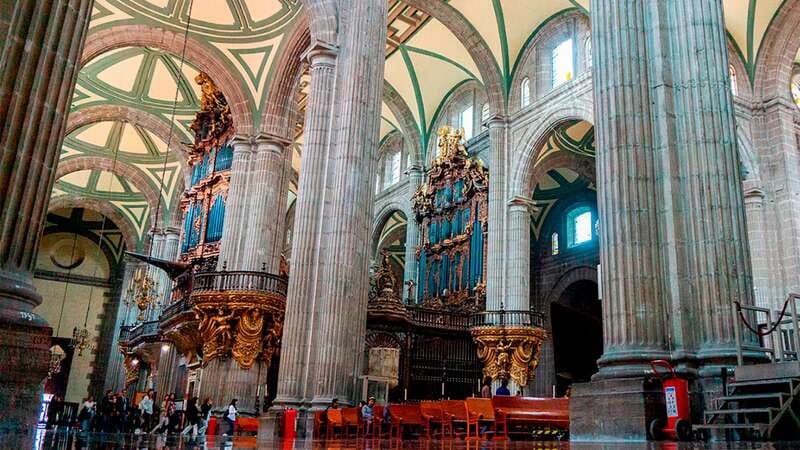
The tour starts with a classic “wow” stop: the Metropolitan Cathedral, the giant religious complex that was the biggest church in the Americas for over three centuries. Even if you’ve seen cathedrals before, this one hits differently because of its scale and the way it anchors the whole Centro Histórico.
What makes the Cathedral stop worthwhile on a guided walk is the interpretation. You’re not just touring marble and chapels—you’re learning the logic behind how Spanish power took root here, and how the church became a central piece of public life.
Inside, you’ll also understand why guides encourage a more respectful tone. People have noted guides creating the right atmosphere during the Cathedral portion, which helps the stop feel meaningful rather than rushed.
Potential drawback: this area can feel like a “museum of details,” so if you don’t love that kind of interior focus, it can take more time than you might expect. The good news is the rest of the tour balances it out with open-air landmarks and architecture.
Zócalo Square: the heart of the city (and where Cortés is remembered)
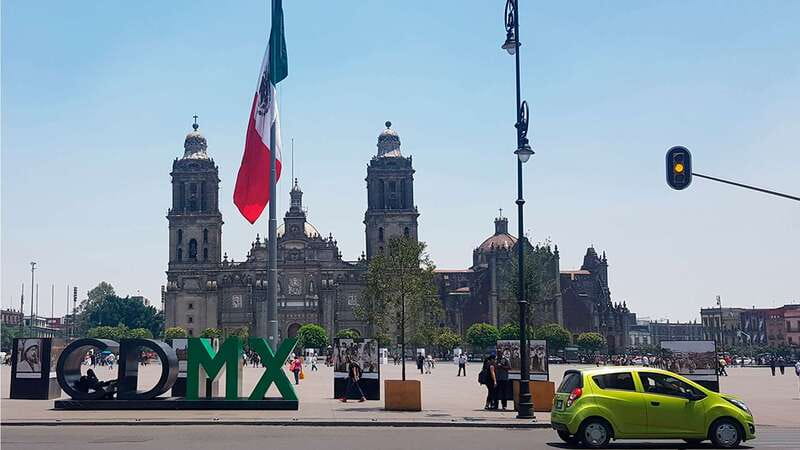
Next you’ll hit the Zócalo, Mexico City’s giant main plaza—the kind of place where you can’t help but look up. The tour frames it as the “heart” of Mexico, which is exactly right. It’s where civic life, politics, and big historic moments all gather.
One of the standout points is seeing the resting place tied to Hernán Cortés. That detail matters because it’s not a name you just read in a book—you see it in the plaza where power and symbolism overlap.
Here’s how to enjoy this stop more:
- Pause and look around before you move on. The Zócalo is huge, and your guide’s story helps you “place” the monuments in your mind.
- Keep an eye out for street vendors. You might be steered away from distractions while the guide talks, which makes it easier to stay focused.
Standing near the ruins of the ancient Aztec city
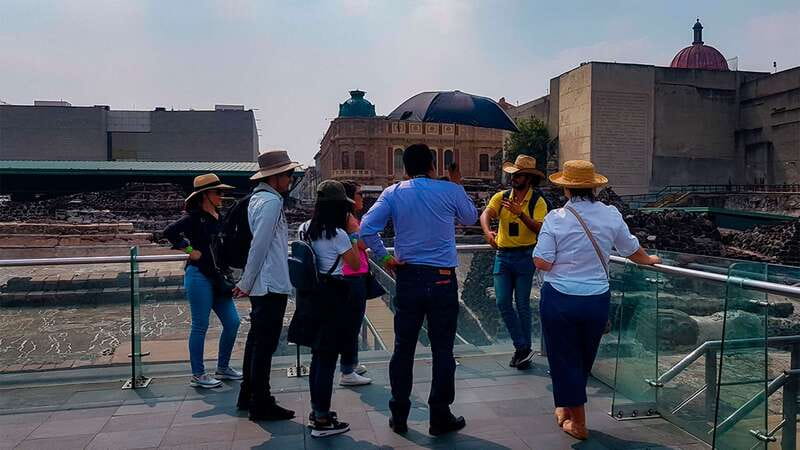
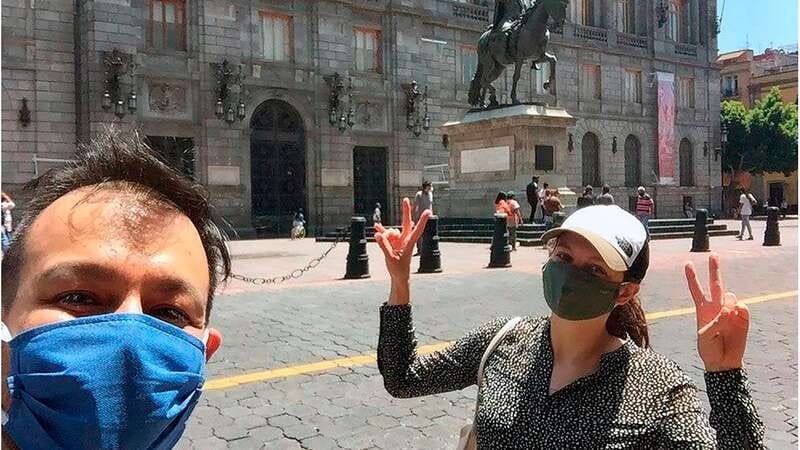
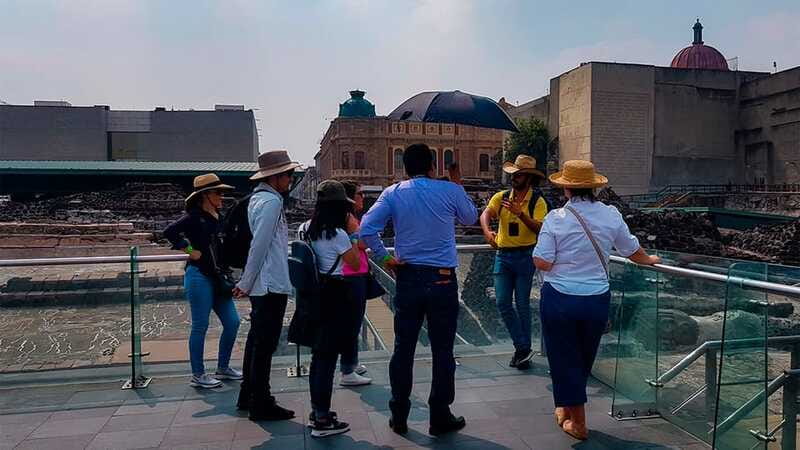
Then comes one of the most powerful shifts in the whole tour: you stand by the ruins of the ancient Aztec city. This is the part that makes the tour feel real, because you’re seeing remnants of a civilization that predates the colonial era.
Some people have specifically referenced a stop around Templo Mayor, and that makes sense for this area. Even if you don’t know what you’re looking at at first, a good guide gives you the visual map—what’s likely being preserved, why the location mattered, and how the site relates to the city that grew around it.
Why I think this stop is key:
- It’s a “history without a lecture” moment. The stones are right there.
- It changes how you read everything you see afterward. Suddenly, the plazas and churches feel like they’re built on top of earlier meanings, not separate worlds.
Possible consideration: this segment can feel short if you want to spend extra time in the ruins area. One person wished they had more time to circle and explore later. If that’s your style, treat this as your guided orientation and plan a return visit on your own time.
Post Office Building and Palace of Fine Arts: architecture you can feel
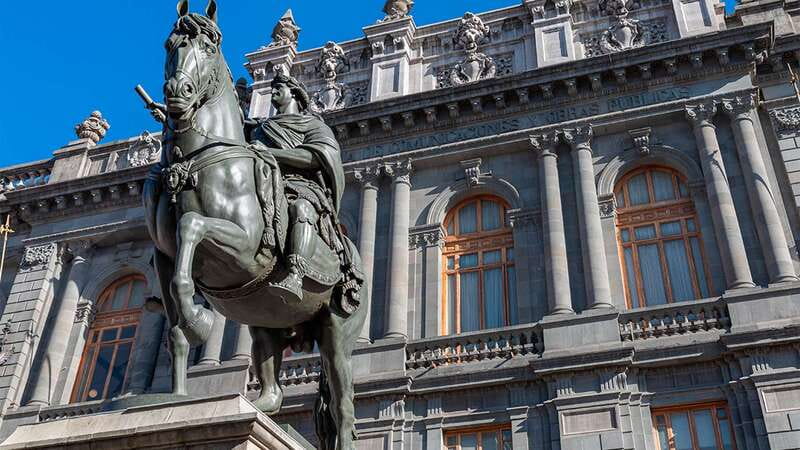
After the Aztec layers, the tour swings into something more modern and surprisingly beautiful: the Post Office Building, followed by time near the Palace of Fine Arts area.
The “why” here is practical. When you’re walking downtown, it’s easy to assume architecture is just background. A good guide helps you notice what you’d otherwise walk past: shape, scale, and the way the city likes to show off.
The Post Office stop is especially fun because it’s an architectural character building right in the middle of a history-heavy route. You’re not only learning dates—you’re seeing how Mexico City projects identity through design.
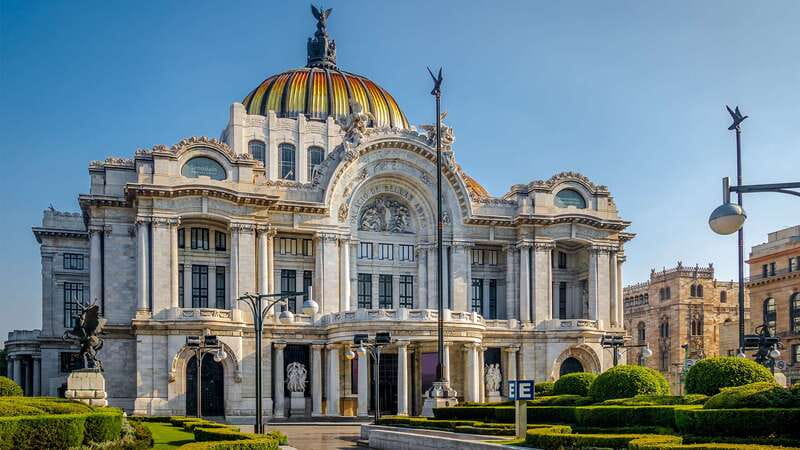
The Palace of Fine Arts mention in the tour description matters too, because it’s one of those places that feels “important” even before you know the details. With a guide, you’ll likely understand what makes it memorable and how it fits into the story of the city’s growth.
You can also read our reviews of more city tours in Mexico City

Stained-glass department store and the bakery: the local culture pieces
Not every downtown tour includes the practical, everyday side of Mexico City. This one does, which is why it’s a strong value even if you’re short on time.
The department store stop
You’ll visit an amazing department store known for an extravagant stained-glass ceiling. This isn’t just a photo stop. It’s a reminder that Mexico City’s downtown isn’t only plazas and churches—it also has big, sensory interior spaces where people shop, meet, and move through their day.
This kind of stop works for most travelers because it’s low-pressure. If you like architecture, you’ll appreciate it. If you just want a break from outdoors sun, it’s a nice reset.
The traditional bakery sweet bread
Then you step into a traditional Mexican bakery where you’ll see—and taste if you want—the variety of typical sweet bread. This is one of those travel moments that doesn’t require a long explanation to be enjoyable.
Why it’s worth including:
- Food is culture you can actually use later. You’ll know what to look for when you’re searching for snacks.
- Even a small taste gives you a better read on local habits. In Mexico City, bakery treats are part of everyday life, not just a tourist activity.
A quick tip: if you’re the type who hates sweet overload, pick one item you’re curious about and let that be your official sample. You don’t need to try everything to get the point.
Pace, shade, and city noise: how 3 hours really works
Three hours sounds short until you’re walking in a dense historic center with stops that include indoor time. The pacing here is generally designed to keep things moving without turning the day into a blur.
One detail that comes up in positive feedback: guides take shade seriously. People have mentioned guides being attentive about sun and making sure the group has breaks in more comfortable spots. That makes a real difference in Mexico City, where sunshine can hit hard even when the air feels fine.
At the same time, the center is loud. Street vendors, music, and general bustle can drown out a guide if you’re far back. If you’re able, try to stay near the front and closer to the guide during the busiest talking moments.
Who this walking tour fits best (and who should reconsider)
This tour is a great pick if you want:
- A guided introduction to Centro Histórico’s key landmarks
- A history framework that turns monuments into a story you can remember
- A mix of major buildings plus practical local flavor (the bakery stop helps)
It also tends to suit first-timers who want to get oriented fast—you’ll leave with a mental map of where things are and how the city layers work.
Who might reconsider:
- If you use a wheelchair, the accessibility info is conflicting (it says wheelchair accessible, then it also says it’s not suitable for wheelchair users). Don’t assume it will work as-is—confirm directly with the provider before booking.
- If you’re traveling with a baby stroller, it’s listed as not allowed.
- If you hate walking in crowds or you need lots of quiet time for long stops inside museums, this may feel a bit hectic. The itinerary is packed, even if the tone stays friendly.
Value check: is $26 a good deal here?
At $26, this is priced like an affordable “morning orientation” tour that still includes serious landmarks. You’re paying for a guide plus entries/inside moments tied to iconic sites like the Metropolitan Cathedral and the Post Office Building.
The value is strongest if you:
- Want someone to translate what you see on the spot
- Plan to spend more time later in the area and need a framework first
- Appreciate small culture stops like the bakery sweet bread rather than only big-ticket monuments
You might feel less thrilled if you’re expecting a slow, sit-down style day or if you’re mainly there for art museums. The tour includes major architecture, but it is still a walking route that prioritizes coverage and flow.
Should you book Mexico a Pie’s Historic Downtown walk?
I’d book it if you want a smart, guided crash-course in Mexico City’s downtown layers without spending a whole day managing logistics. The combination of Cathedral + Zócalo + Aztec ruins + Post Office architecture + a stained-glass shopping stop + bakery sweet bread is a well-balanced mix of “big sights” and real local texture.
I’d hesitate if you:
- Need wheelchair-friendly routing and aren’t sure the details will work for you
- Travel with a baby stroller (not allowed)
- Are sensitive to noise and would struggle to hear in the loud central streets
If you fit the first group, this is a strong use of a half-day.
FAQ
What is the duration of the Mexico City Historic Downtown walking tour?
The tour lasts 3 hours.
How much does it cost?
The price is $26 per person.
What’s included in the tour price?
It includes a walking tour of downtown and a local guide.
Is transportation to and from the meeting point included?
No. Transportation to and from the meeting point is not included.
Are food and drinks included?
No. Food and drinks are not included, though you’ll visit a traditional bakery and can taste sweet bread if you’d like.
What are the tour start times?
The tour has starting times at 9:30am and 4:30pm.
What languages is the guide available in?
The guide offers Spanish and English.
Does the tour run in bad weather?
Yes. It operates rain or shine.
Are baby strollers allowed?
No. Baby strollers are not allowed.
Is the tour wheelchair accessible?
The information is mixed: it says the tour is wheelchair accessible, but it also states it is not suitable for wheelchair users. If you use a wheelchair, you should verify fit and routing with the operator before booking.
Where is the meeting point?
Meet in front of McDonald’s in Zócalo Main Square. Look for the white umbrellas from Mexico a Pie Walking Tours.