REVIEW · SAN CARLOS DE BARILOCHE
Bariloche: German Immigration and History Walking Tour
Book on GetYourGuide →Operated by Bariloche Stories Walking Tour · Bookable on GetYourGuide
German history in Bariloche hits close to the real streets. This walking tour links immigration waves to specific buildings, including the German School and the house tied to Erich Priebke’s 1994 extradition story.
I especially like how it stays human and clear: you get a guided path through the town center and the German neighborhood, with a storyteller guide (Diego) who keeps the group moving between key stops. I also like the balance between facts and myths, including what people often exaggerate about other German presence in Patagonia.
One thing to plan for: the walk is short (about 1 km), but it can feel like more because the area includes uphill stretches. If hills slow you down, bring good shoes and expect to work at an easy pace.
In This Review
- Key Things You’ll Notice on This Bariloche German History Walk
- Why Bariloche’s German Story Starts at the Civic Center
- The 3-Wave Immigration Lesson: How the Tour Keeps It Clear
- Bariloche Andean Club + National Park Administration: Where Community Meets Power
- The German School Stop: More Than a Building Photo Op
- Belgrano Square: Where the Story Widens to Neighborhood Reality
- Erich Priebke’s House: A Dark Chapter Told with Context
- Myths vs. Reality: The Patagonia Theories Wrap-Up
- The Guide Factor: Why Diego’s Delivery Makes the Difference
- Price and Value: What $41 Buys You Here
- Who This Tour Is Best For (and Who Might Want Something Else)
- Quick Tips to Make Your 90 Minutes Go Smoothly
- Should You Book This Bariloche German Immigration Tour?
Key Things You’ll Notice on This Bariloche German History Walk
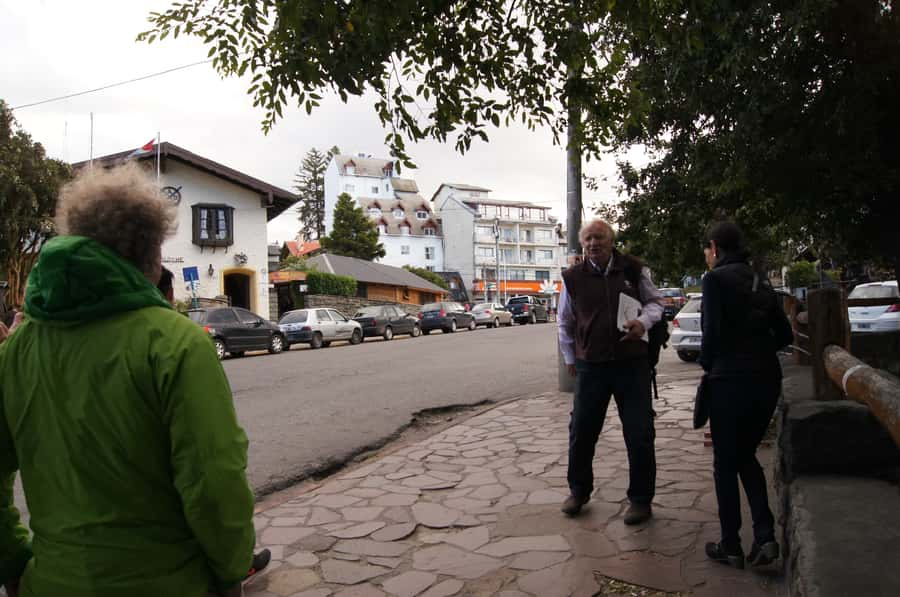
- Three waves of German immigration explained through real sites, not vague generalities
- Stops that connect local institutions to larger Patagonia settlement patterns
- The German School and what it reveals about community life and identity
- Belgrano Square as a natural “pause point” where the story widens beyond one neighborhood
- The Erich Priebke house and how the story ends with his 1994 extradition after an American journalist found him
- A wrap-up that challenges easy assumptions with theories vs. myths about German presence in Patagonia
Why Bariloche’s German Story Starts at the Civic Center
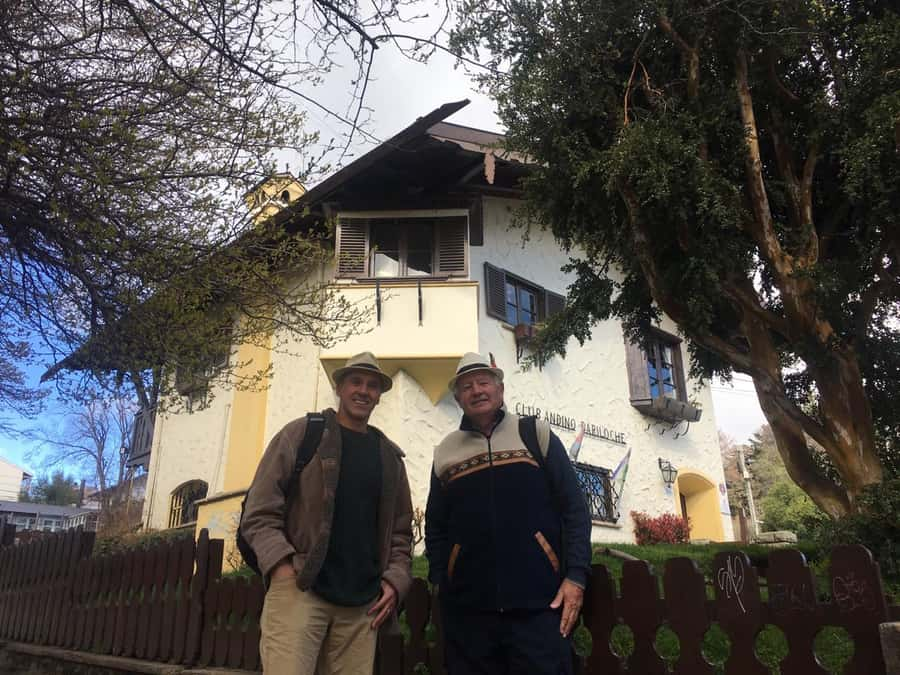
Bariloche makes it easy to read history because the town center feels like a map. This tour begins at Bariloche Civic Center square, right by the tourist information office door, so you get oriented fast before the walking story starts.
From the first minutes, you’ll see how the guide ties place to timeline. That matters because Bariloche’s German influence isn’t one single thing you either have or don’t have. It’s layers—different waves showing up at different moments, with different motivations and results.
Expect about 1 km total walking and roughly 90 minutes of guided time. It’s short enough to fit between outdoor plans, but structured enough that you won’t feel like you’re just “passing by” landmarks.
The 3-Wave Immigration Lesson: How the Tour Keeps It Clear
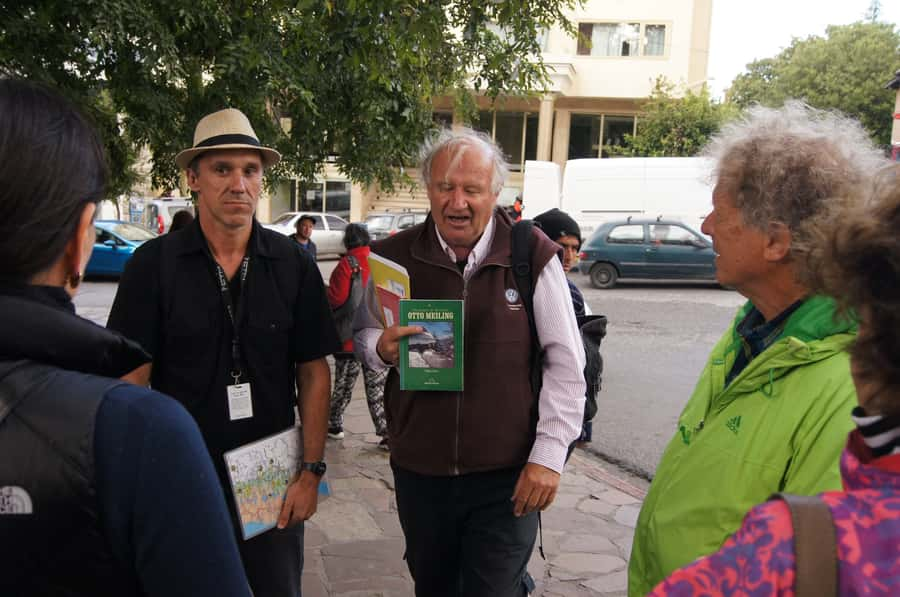
If you’ve ever heard Bariloche described as German-influenced, you might also have heard it explained with vague hand-waving. This tour fixes that by framing the German presence in three main waves and then letting you see those waves in the town.
The guide doesn’t just tell you names and dates. He connects each wave to a setting you can point at—clubs, local institutions, and public squares. That’s a smart way to learn, because your brain remembers locations better than timelines.
This approach also makes the walk more than cultural sightseeing. You’ll leave with a clearer idea of why German immigration happened in stages, and why the later chapters weren’t the same kind of story as the early settlement.
Bariloche Andean Club + National Park Administration: Where Community Meets Power
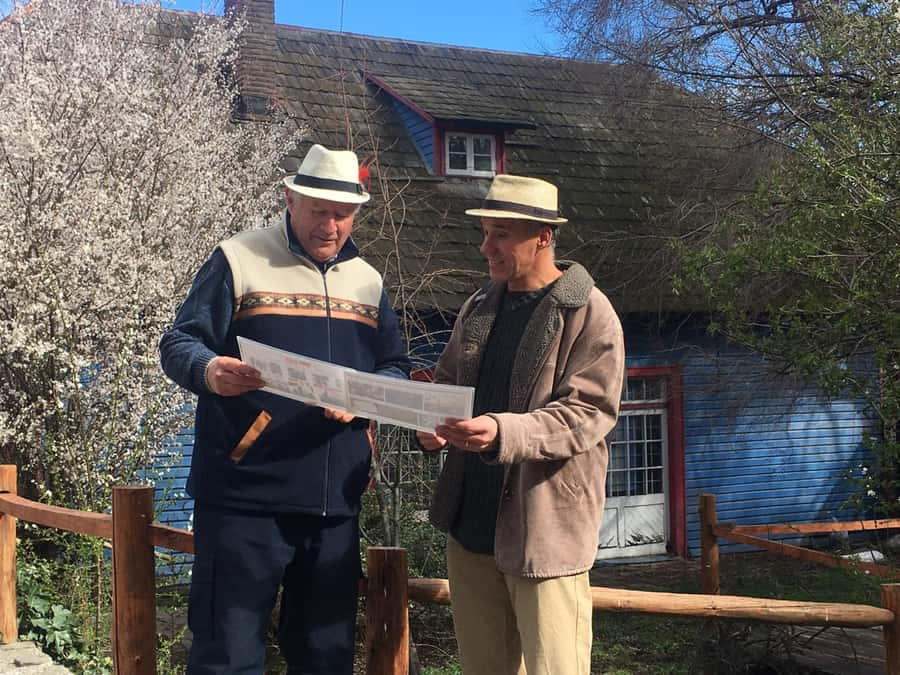
One of the best parts of the route is how it moves from the civic core toward places linked to local organization and governance. You’ll stop at the Bariloche Andean Club and the Nahuel Huapi National Park administration area, which helps explain the town’s identity as much as its architecture.
Even if you don’t know anything about the park or the club, the tour makes the connection for you. In places like this, community groups and decision-makers influence how people live, work, and build social networks. That’s exactly what you want when you’re learning about immigration beyond origin stories.
Practical note: these stops tend to work as “story resets.” You’ll get a clear explanation, then the walk continues, so you don’t get stuck listening for too long in one spot.
The German School Stop: More Than a Building Photo Op
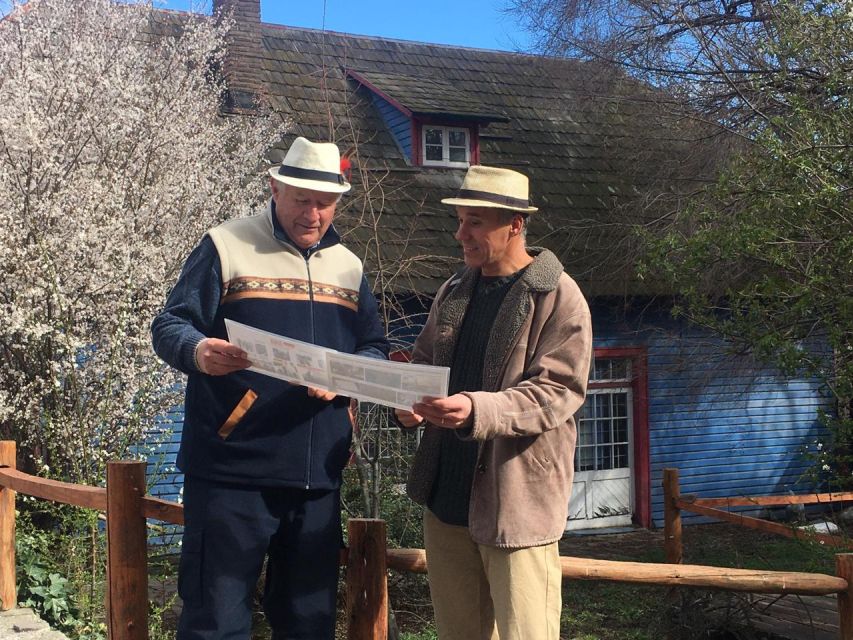
The tour’s German School stop is one of the anchor points. It’s where the story shifts from immigration as a historical event to immigration as a lived community—students, schooling, language, and daily routines.
The value here is that you can see how culture gets built into institutions. A school isn’t just a classroom; it’s how communities preserve identity and pass it to the next generation. On this walk, that idea gets tied directly to the “three waves” framework.
Also, the guide’s style matters. Several people highlighted Diego’s ability to answer questions as they come up, and that’s a big deal on a topic where myths are common. If someone asks about why people stayed, language use, or how German networks worked, you’re likely to get a direct reply rather than a vague general answer.
Belgrano Square: Where the Story Widens to Neighborhood Reality
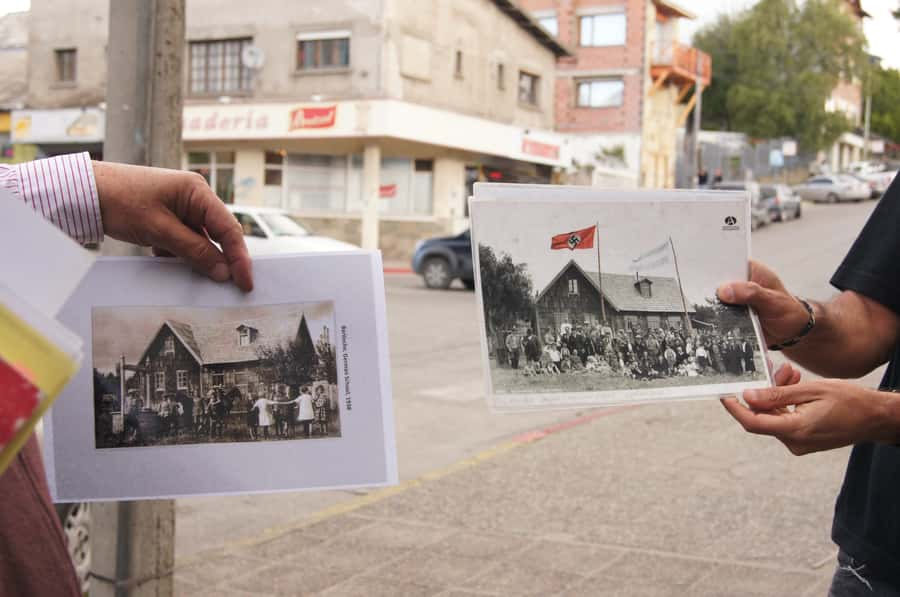
After you’ve learned how institutions reflect identity, the walk gives you a public-space moment at Belgrano Square. Squares are useful learning stops because they feel social. You’re standing in a place where people cross paths, and that makes the “community” part of history feel more real.
Here, you’ll likely notice how the guide balances the town’s German influence with the broader Bariloche story. The point isn’t to turn the city into a museum of one group. It’s to show how immigration waves shaped neighborhood character while Bariloche kept growing into its own place in the Andes lake district.
This is also a good spot to catch your breath. The tour is only about 1 km overall, but with multiple explanations and short transfers, your energy matters more than distance.
Erich Priebke’s House: A Dark Chapter Told with Context
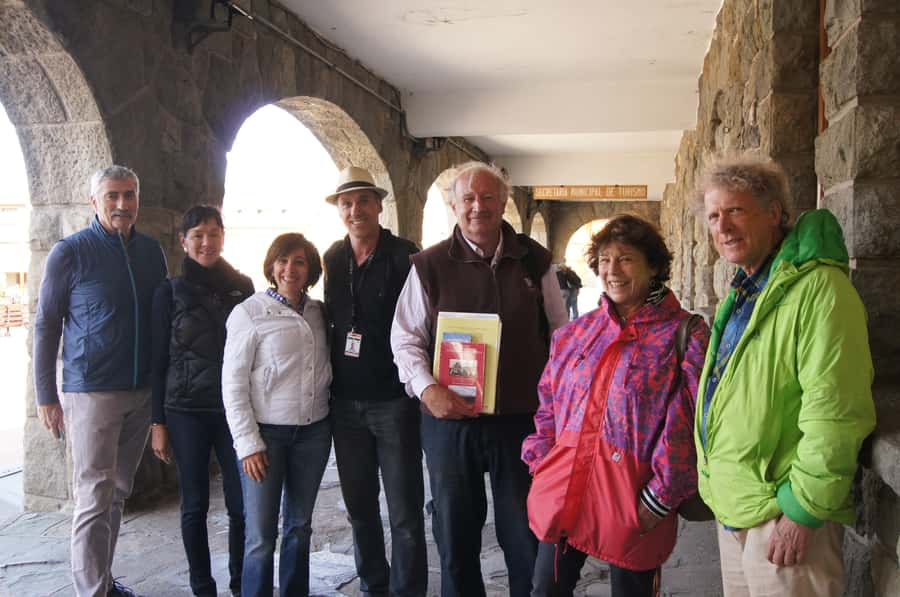
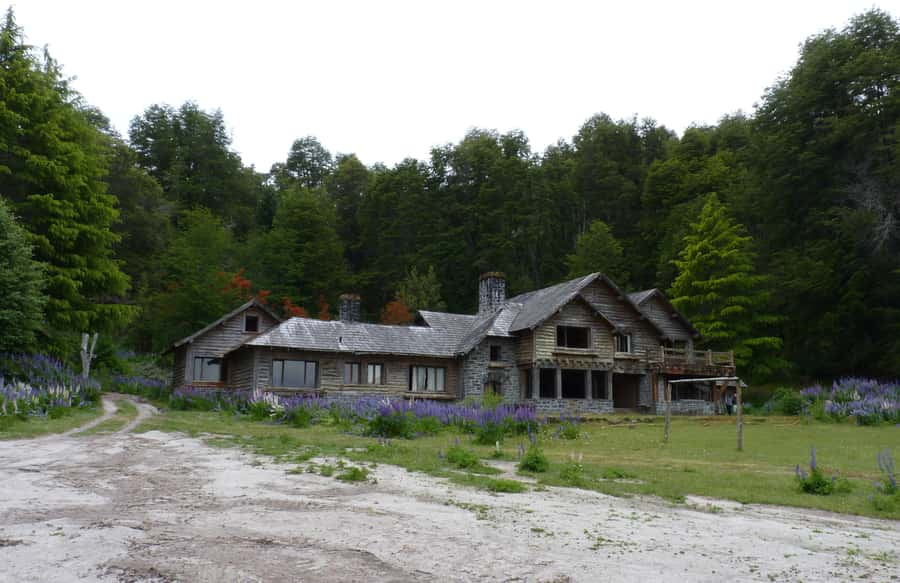
The emotional weight of the tour rises at the stop connected to Erich Priebke—the house where he lived before being extradited in 1994, after American journalist Sam Donaldson discovered his presence.
This isn’t treated like sensational trivia. The tour uses it to show how the later German presence connects to the post–World War II era and what happens when people try to disappear into new lives. It’s one of the reasons this walk stands out: it doesn’t skip the hardest part of the story.
If you’re sensitive to heavy history, plan for a more serious tone here. Still, the guide’s job is to keep it clear and grounded—what happened, why it mattered, and how that chapter affects how Bariloche’s past gets discussed today.
Myths vs. Reality: The Patagonia Theories Wrap-Up
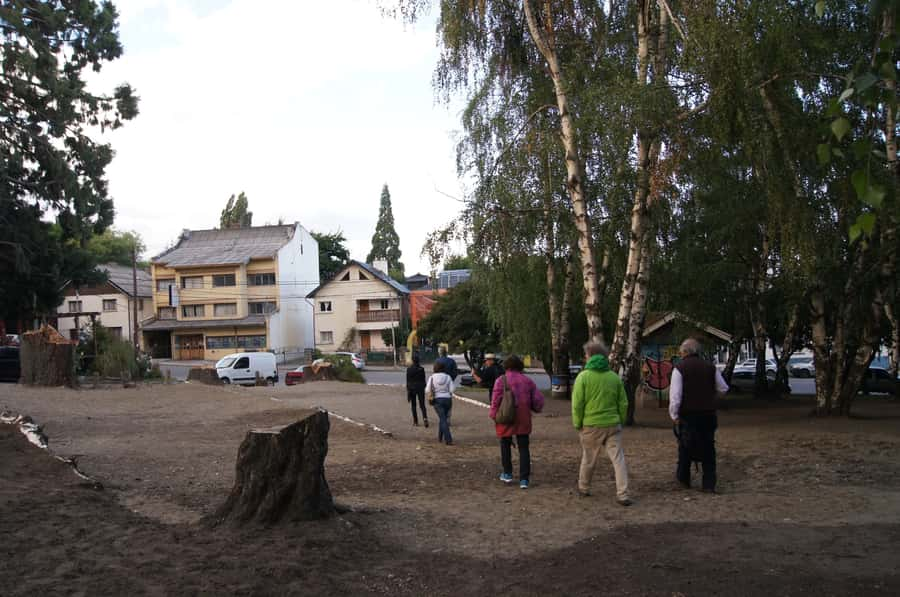
The tour finishes with a discussion of theories about German presence in Patagonia. This is where you get the “so what” of the whole walk.
Instead of leaving you with a single narrative, the guide invites you to think about why certain stories stick—why some claims grow, and why others need evidence. That matters because immigration history can be romanticized or simplified fast, especially when a town has visible cultural traces.
This final discussion also helps you connect the local story to a wider pattern you’ll see in the region: settlements are shaped by people arriving, people organizing, and people creating community structures that leave physical clues behind.
The Guide Factor: Why Diego’s Delivery Makes the Difference
This tour scores extremely high for a simple reason: the guide makes history easy to follow without turning it into a lecture.
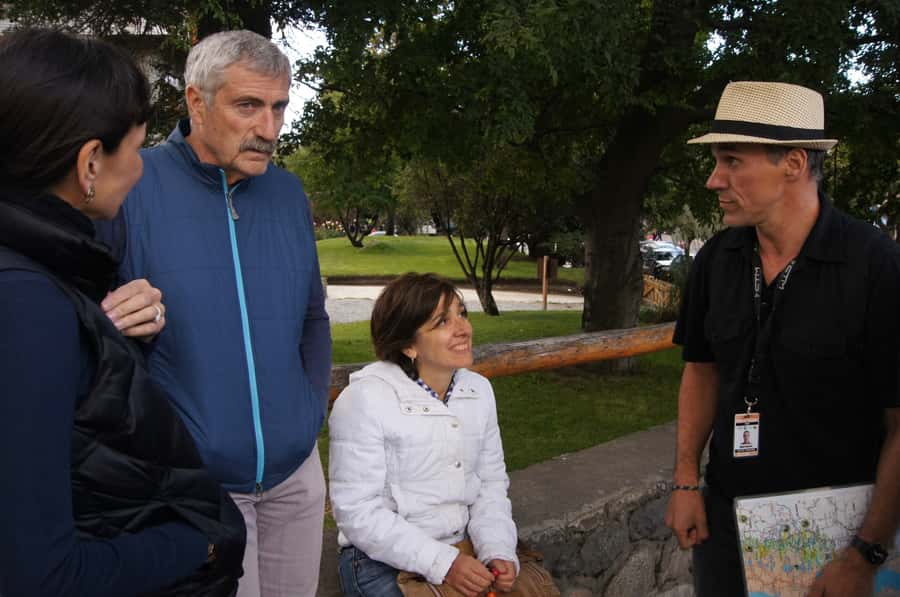
People repeatedly mention Diego by name and describe his approach as organized and engaging, with frequent location changes that keep the story from getting stuck in one mode. That kind of pacing is underrated. It’s also practical. You don’t just hear facts—you get the chance to look at the place while you learn what it means.
You’ll also appreciate the language setup. The tour is offered in Spanish and English, and the guide handles bilingual explanations in a way that keeps everyone included. If you’re traveling with a mixed-language group, this is a good option.
One caution from feedback: a couple of people felt the experience leaned bilingual even when they expected only English. If you’re very strict about language, ask when you book which language the group will use that day (English-only may not be guaranteed).
Price and Value: What $41 Buys You Here
At $41 per person for 90 minutes, you’re paying for more than “a walk.” You’re paying for a route that uses Bariloche’s town structure as a teaching tool, plus a guide who connects story elements so you understand the bigger picture.
Good value here comes from several things that work together:
- Multiple stops tied to the immigration timeline
- A clear “three waves” framework you can reuse later when you explore on your own
- The Priebke chapter, including the specific detail of extradition in 1994 after Sam Donaldson found him
- A myth-vs-reality wrap-up, which helps you avoid confusing rumors with history
Is it the cheapest activity in town? Probably not. But if you plan to do outdoor adventures during the rest of your trip, this walk gives you something different—context. It’s the kind of experience that improves how you see architecture and neighborhood character after the tour ends.
Who This Tour Is Best For (and Who Might Want Something Else)
This is a great match if you:
- Want a structured history story in a short time window
- Enjoy learning through specific places, not just facts on paper
- Like tours where the guide actually responds to questions while walking
It’s also a solid in-between activity if you’re planning hikes or lake time, because it’s only about 1 km total. Just remember the terrain can include uphill sections.
If you’re looking for only scenery or only gentle cultural vibes, this walk might feel more intense than an art-and-cafés stroll. The Priebke stop brings real darkness into the route.
Quick Tips to Make Your 90 Minutes Go Smoothly
- Wear shoes you’re comfortable walking in uphill stretches; the distance is short, but slopes add effort.
- Bring curiosity. This topic includes myths, and questions can come up fast.
- If you’re sensitive to heavy history, be ready for the Priebke segment to shift the tone.
- Aim to arrive a few minutes early at Bariloche Civic Center square so you start calmly and stay on pace.
Should You Book This Bariloche German Immigration Tour?
I think you should book if you want the most efficient way to understand why German influence shows up in Bariloche’s institutions and neighborhood look—and how that story changes across time.
Book it if you like guides who tell the story like a thread: civic core, community institutions, schooling, public square, then the harder post-war chapter tied to Priebke and Sam Donaldson, ending with theories that help you sort myth from reality.
Skip it only if you strongly dislike walking with historical themes that include dark subject matter, or if language expectations are very strict for you.
If your goal is to leave Bariloche with more than photos—if you want a mental map of how the town’s German story actually formed—this is a smart use of your time.