REVIEW · SEOUL
Seoul: Gyeongbok Palace and Bukchon Hanok Walking Tour
Book on GetYourGuide →Operated by Korea Linx · Bookable on GetYourGuide
Royal palaces meet quiet hanok lanes. This Seoul Gyeongbok Palace and Bukchon Hanok Walking Tour starts at City Hall Station and guides you through Gyeongbokgung’s ceremonies, then into Bukchon’s alleys, ending in Insadong with shopping ideas.
I really like two parts of the format. The stop inside Gyeongbokgung at the National Folk Museum of Korea helps everything you see outside make sense. And the small group size keeps the pace friendly, with time for questions and details along the way.
One thing to plan for: it is a walking-and-standing morning, including some uphill bits in Bukchon. Comfortable shoes and clothing for the weather will matter more than you think.
In This Review
- Key highlights that make this tour worth your time
- The simple flow: from City Hall to palace gates to hanok streets
- Meeting at City Hall Station Exit 6 and getting around smarter
- Gyeongbokgung Palace: changing guards and the Joseon-era setting
- National Folk Museum of Korea: the 98,000-artifact reason this tour clicks
- Bukchon Hanok Village through Samcheongdong Alley: old houses, living city
- The kind of guide you’ll hope for: stories, structure, and practical tips
- Insadong finish: souvenirs, snacks, and where to go next
- Price and value: is $88 fair for 3 hours?
- Weather, walking pace, and what to wear
- Who should book this Seoul palace and hanok morning walk
- Should you book this Seoul Gyeongbokgung and Bukchon tour?
- FAQ
- Where does the tour meet?
- How long is the walking tour?
- What’s included in the price?
- What isn’t included?
- What language is the guide?
- How big is the group?
- What should I bring?
- FAQ
- Does the itinerary change because of weather?
- Can I cancel for a full refund?
Key highlights that make this tour worth your time
- Royal guard changing ceremony at Gyeongbokgung Palace
- National Folk Museum of Korea inside the palace, with over 98,000 artifacts from the Joseon era
- Bukchon Hanok Village walk through Samcheongdong Alley
- Insadong finish, where your guide can point you toward souvenir and snack stops
- Small group capped at 8, so you get real conversation time
- Public transport guidance, including practical city etiquette for getting around
The simple flow: from City Hall to palace gates to hanok streets
This tour is designed like a good morning in Seoul: start central, walk into the big historic moments, then taper off into neighborhood life. You’ll begin at City Hall Station (Exit 6), then make your way on foot to Gyeongbokgung Palace. After the palace area, you shift gears into Bukchon Hanok Village’s traditional streets. The timing stays compact at about 3 hours, which is ideal if you don’t want to lose half a day to logistics.
What makes this structure work is the story order. You start with the Joseon Dynasty setting and royal ceremony. Then you see an actual collection focused on everyday life during that same era. After that, you walk into Bukchon, where traditional houses help you picture what “daily life” might have looked like in a different Seoul.
You can also read our reviews of more walking tours in Seoul


Meeting at City Hall Station Exit 6 and getting around smarter
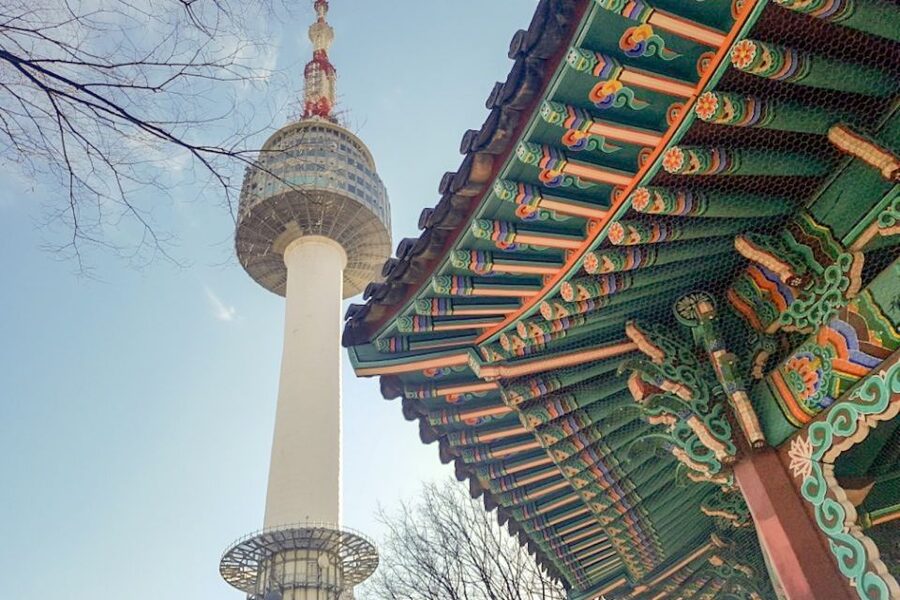
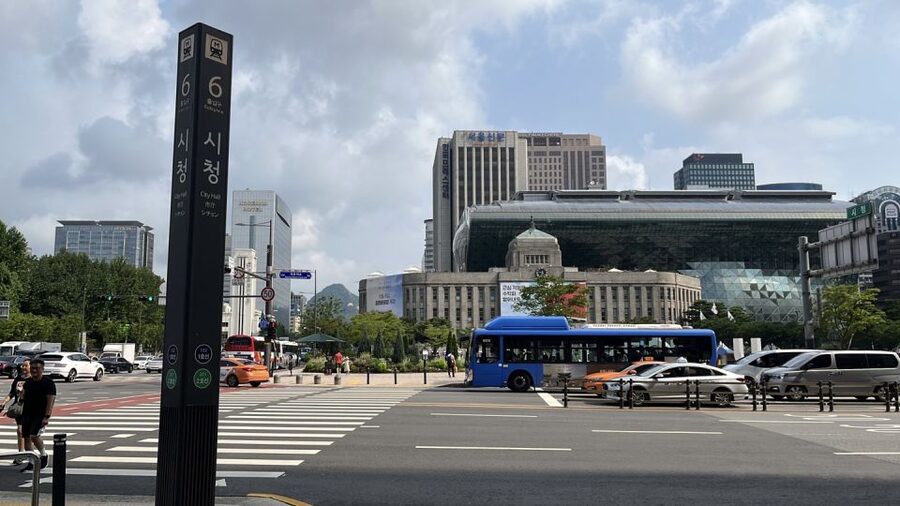
Your meeting spot is City Hall Station, Exit 6 (outside of the exit), right next to The Plaza hotel. That’s useful because it’s easy to navigate even if you’re arriving from somewhere else in the city.
A big part of the value here is that the tour doesn’t treat public transport like a mystery box. It’s built around you learning practical basics so you can confidently move around Seoul after the tour. That matters because Seoul’s metro and bus network can feel overwhelming on day one, especially if you’re juggling station names and station transfers.
If you want a quick “do I understand Seoul yet?” check, this tour gives you one. By the time you finish, you should feel comfortable getting yourself back to neighborhoods like Insadong without having to rely on taxis or constant map checking.
Gyeongbokgung Palace: changing guards and the Joseon-era setting
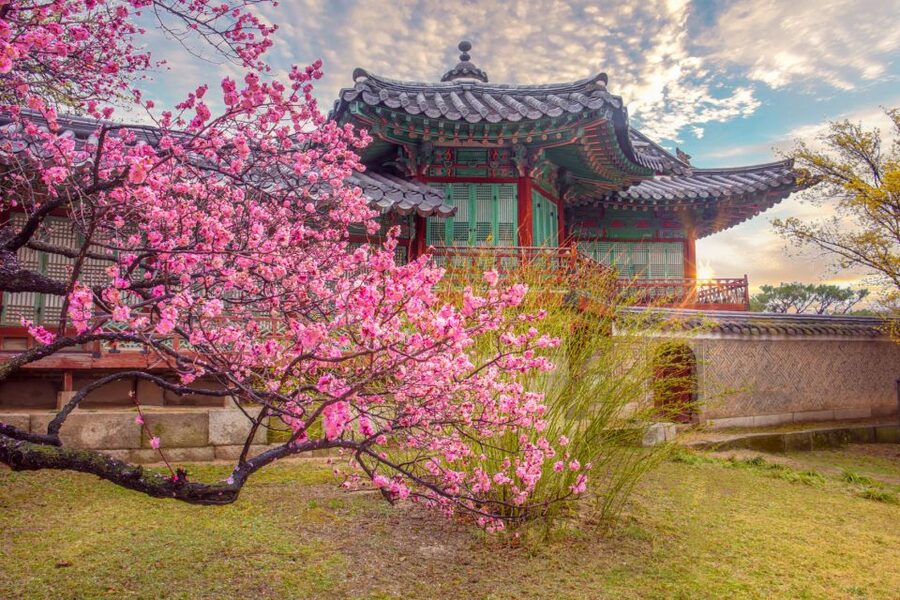
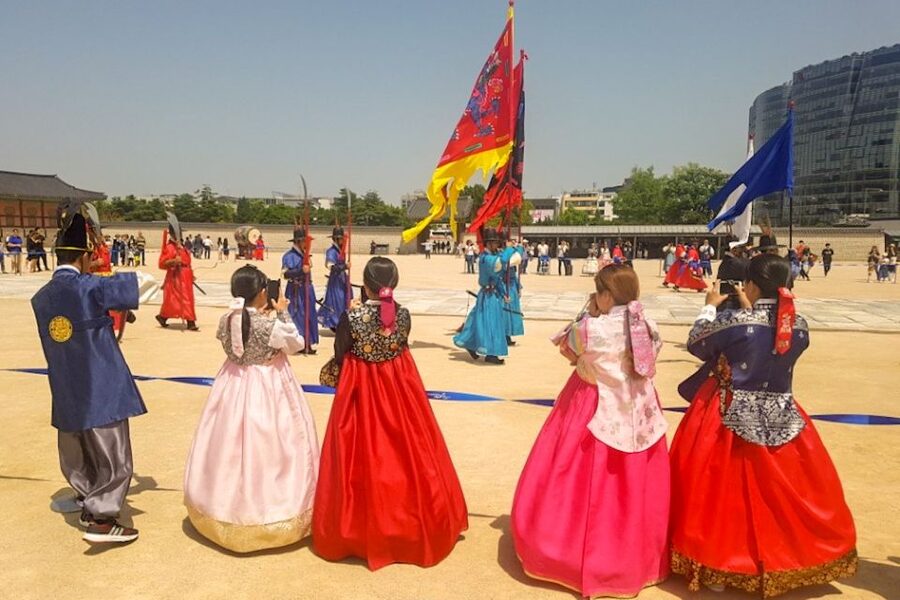
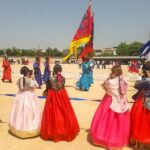
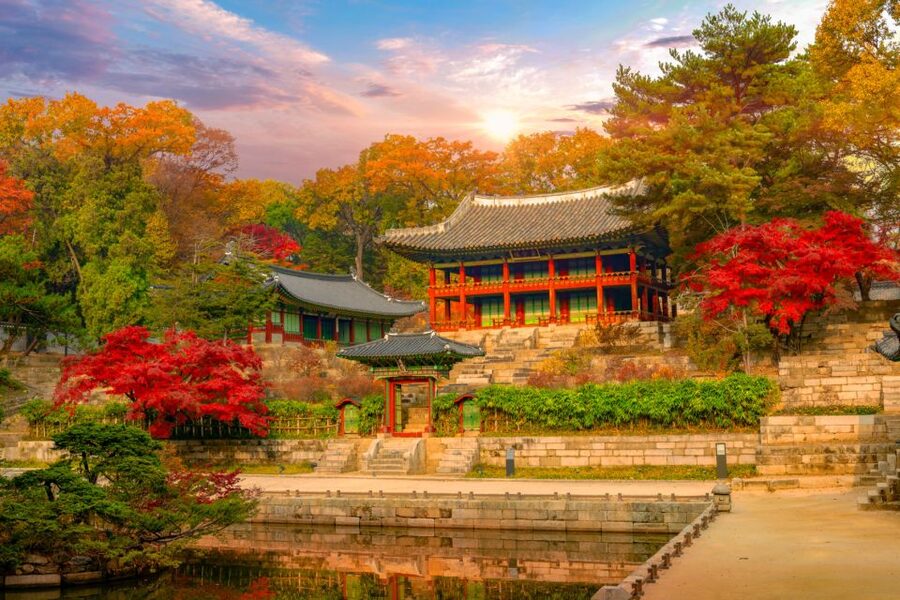
Gyeongbokgung is the headline. You’ll walk into the palace area and be set up to watch the changing ceremony of the royal guards. Even if you don’t know much Korean history yet, the ceremony helps your brain anchor the whole visit. The uniforms and formal routine make the place feel less like buildings and more like a functioning world.
The tour also frames Gyeongbokgung through the Joseon Dynasty, described as a 500-year history in the tour materials. That context is what turns palace architecture into something you can interpret: why certain spaces exist, how power is displayed, and how ceremony was part of daily state life.
Practical tip: bring warm layers if you’re visiting in winter. One guide in the tour line has been praised for keeping the experience smooth even during intense cold and snow. That’s a reminder that you should dress for wind and standing time, not just walking.
National Folk Museum of Korea: the 98,000-artifact reason this tour clicks
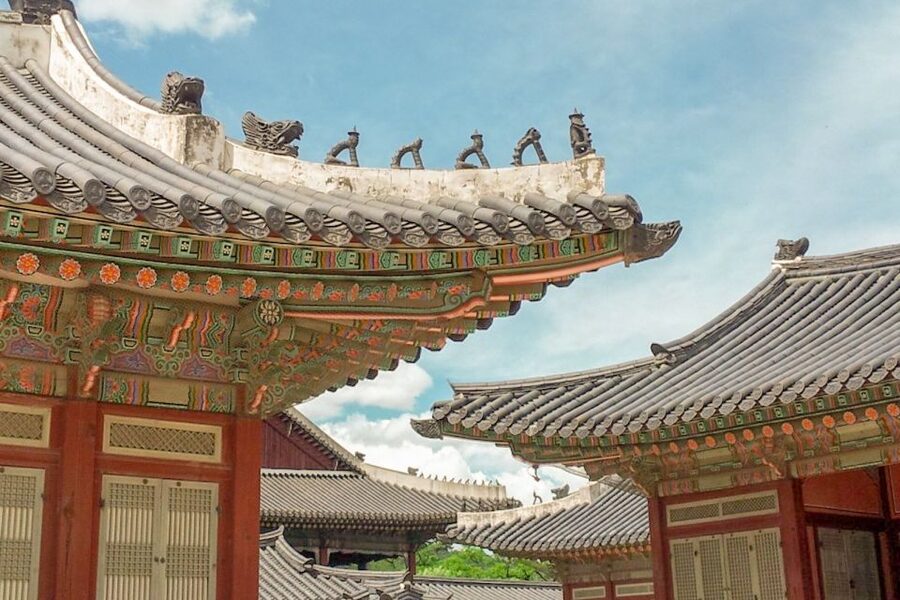
A lot of palace visits stop at “pretty buildings.” This one adds the why through the National Folk Museum of Korea, located within the palace complex.
You’ll look at a collection that includes over 98,000 artifacts connected to the Joseon era. More importantly, you’ll learn what those objects were used for and what they can tell you about daily life—clothing, tools, household realities, and the rhythms of a society that’s very different from modern Seoul.
That museum stop is a key reason the tour feels more complete than a simple photo walk. When you return to palace courtyards and gates afterward, you can connect what you’re seeing to the way people actually lived. It’s not just spectacle; it’s context.
Bukchon Hanok Village through Samcheongdong Alley: old houses, living city
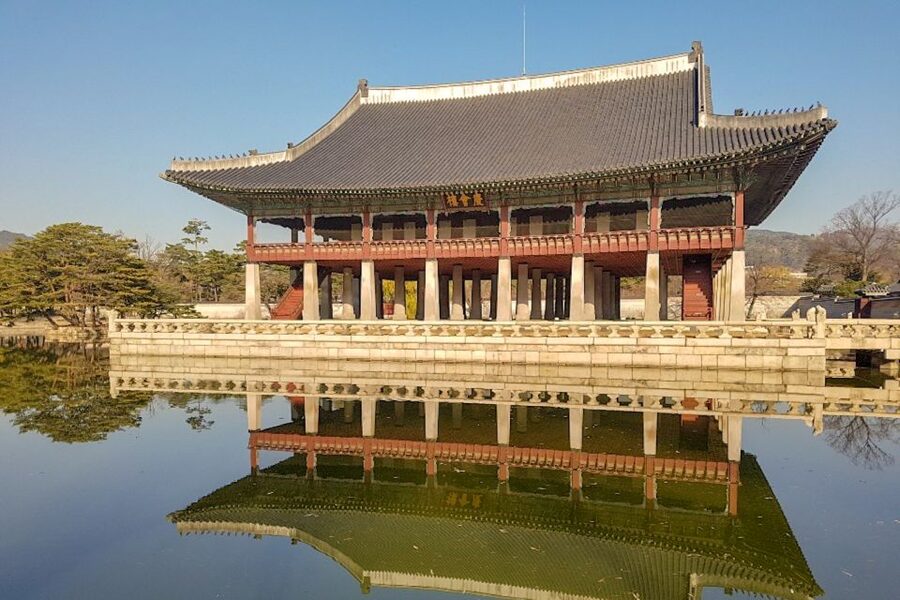
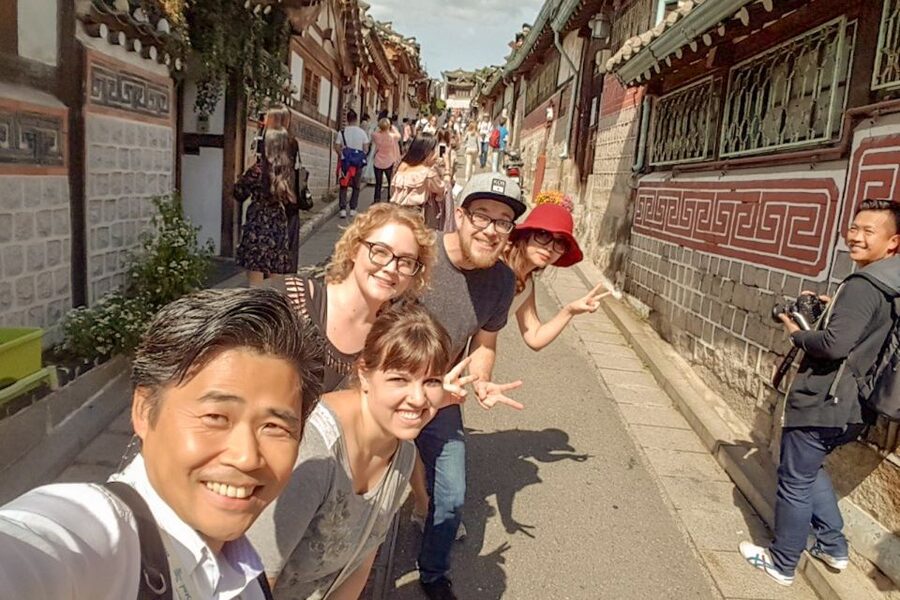
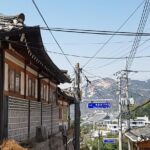
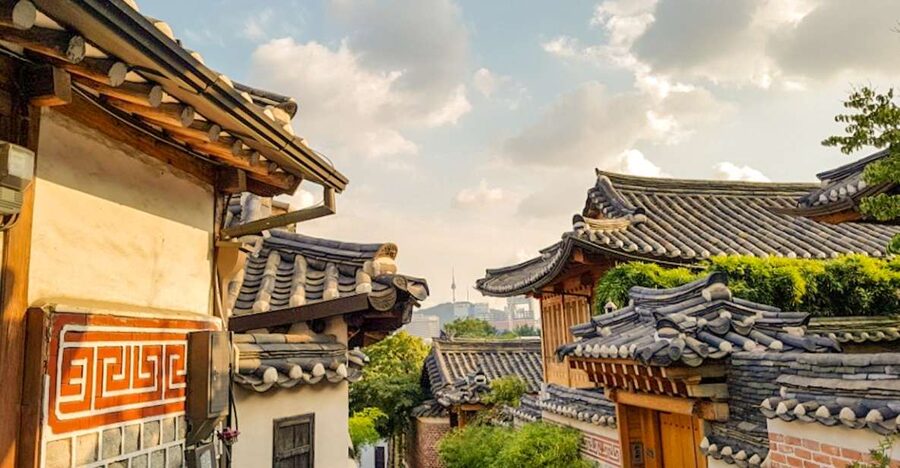
After the palace, the tour transitions to Bukchon Hanok Village, where traditional hanok houses sit in the middle of a constantly changing city. You’ll walk through Samcheongdong Alley, which is a nice choice because it helps you see the neighborhood as a series of small passages rather than a single viewpoint.
The tour guides attention to the contrast: old architecture is still there, but you’re experiencing it inside modern Seoul. That coexistence is one of the most useful things you can learn here. In many cities, history feels like a museum. In Bukchon, it’s more like a neighborhood you can walk through.
It also comes with a reality check: Bukchon has some uneven ground and uphill sections. Reviews mention climbing, and the guides also guide your footing and pace so the walk stays enjoyable. If you’re the type who hates stopping constantly, you might still feel the legs by the end, but you won’t feel rushed through the alleys.
The kind of guide you’ll hope for: stories, structure, and practical tips
This is an English live tour with a small group limited to 8 participants, which is a big deal for communication. When you’re in a palace and a hanok neighborhood, it helps to have a guide who can answer questions quickly and explain what you’re looking at without turning it into a lecture marathon.
From the guide styles shared in recent experiences, a few patterns show up:
- Stella is repeatedly described as friendly, organized, and strong at tying palace details to wider Korean history.
- Joe is praised for going above and beyond, including handling harsh winter conditions without derailing the tour.
- Jay Kim is noted for connecting history to today, even touching on politics and current themes, plus food along the way.
- Kay (and others) are mentioned for helping with comfort and even offering extra views when timing allows.
Even if your guide isn’t one of these names, the consistent takeaway is that you’re not just following footsteps—you’re getting an explanation that turns the walk into a story you can remember.
Insadong finish: souvenirs, snacks, and where to go next
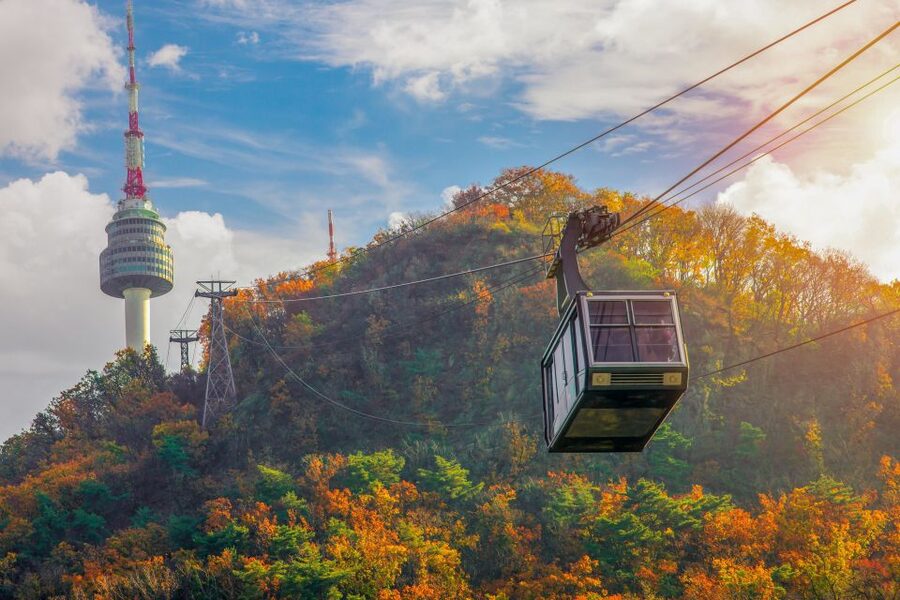
The morning tour ends in the Insadong area, which is a practical finish. It’s close to where you can keep going right away, and it’s also a classic place to browse for souvenirs and gifts.
This is where your guide’s recommendations can really help. Insadong can be full of shops, tea, and street-level choices that look similar if you’re rushing. Having someone point you toward good options (and tell you what to skip if you’re pressed for time) is the kind of shortcut that saves energy.
If you like to plan your next move while you’re still in “tour mode,” ask your guide before you break off. You’ll leave with a direction, not just a map.
Price and value: is $88 fair for 3 hours?
At $88 per person for about 3 hours, this tour sits in the midrange for Seoul guided walks. The value case is strongest because it includes both:
- a guide
- Gyeongbokgung entrance ticket
What’s not included is hotel pickup/drop-off, so you need to handle getting yourself to City Hall Station. If you’re staying nearby (or you can reach City Hall easily by metro), that’s not a dealbreaker.
Also, the small group size (8 max) matters. If you’re paying for a guide, you want interaction, not just a voice echoing over a big crowd. This tour’s cap tends to keep it more conversational, especially during museum explanations and in the hanok alley sections.
If you’re trying to decide between a “buildings only” palace visit and a guided walk with context, this one leans toward value through interpretation. You’re paying for someone to connect ceremonies, artifacts, and the traditional neighborhood into one coherent morning.
Weather, walking pace, and what to wear
The itinerary can shift due to weather and traffic conditions, so go in with a flexible mindset. That said, the tour is built to keep working even when conditions aren’t perfect—just expect adjustments in timing and routes when needed.
For what to wear, the essentials are simple:
- comfortable shoes
- comfortable clothes
That’s not generic advice. Bukchon’s streets can feel tiring quickly, especially if you’re stopping often for photos and details. If you’re visiting in cold months, dress like you’ll be outside longer than you think. One guide experience specifically notes intense cold and snow, and still keeping the tour enjoyable.
Who should book this Seoul palace and hanok morning walk
I think this tour fits best if you want:
- a strong first-day introduction to old Seoul without committing to a full day
- guided context for Gyeongbokgung ceremonies and Joseon-era daily life
- a hanok walk that includes alley-level detail, not just one photo stop
- a small-group experience in English where you can ask questions
It might be less ideal if you dislike walking and prefer fully seated sightseeing, because you will spend time standing and moving. It’s also worth thinking about if you’re visiting during harsh weather and you hate being outside for any reason.
Should you book this Seoul Gyeongbokgung and Bukchon tour?
If you want a guided morning that helps you understand what you’re seeing—royal ceremony, Joseon everyday life, and Bukchon’s old-and-new contrast—this is a smart buy. The combination of a palace visit plus the museum inside plus Bukchon alleys gives you more than the typical “one building and done” plan.
Book it if your top priority is context and flow. Skip it if you want a fully self-guided experience and don’t mind piecing together history on your own.
Either way, plan for walking. That’s the trade: you get a more human Seoul by foot.
FAQ
Where does the tour meet?
The meeting point is City Hall Station, Exit 6 (outside of the exit), next to The Plaza hotel.
How long is the walking tour?
The tour duration is 3 hours.
What’s included in the price?
The price includes an English live guide and the Gyeongbokgung entrance ticket.
What isn’t included?
Hotel pickup and drop-off aren’t included.
What language is the guide?
The tour has a live English-language guide.
How big is the group?
It’s a small group limited to 8 participants.
What should I bring?
Bring comfortable shoes and comfortable clothes.
FAQ
Does the itinerary change because of weather?
Yes. The itinerary is subject to weather and traffic conditions.
Can I cancel for a full refund?
You can cancel up to 24 hours in advance for a full refund.