REVIEW · BRISTOL
Bristol: Air Raid Shelter & St. Nicholas Market Walking Tour
Book on GetYourGuide →Operated by St. Nicholas Market Walking Tour · Bookable on GetYourGuide
Bristol hides a whole wartime world underground. This tour starts at the Corn Exchange and takes you into an WW2 air raid shelter you’d never find from street level, led in WW2 costume style.
I really like the exclusive access to areas usually kept closed, and how the walk links Bristol’s past to the present. You’re not just looking at old buildings. You’re tracing 1,000 years of trading and the city’s changing identity.
One thing to note: the shelter sections are tight and underground, so it’s not a fit if you’re dealing with claustrophobia or limited mobility.
In This Review
- Key things I’d bet on before you go
- Corn Exchange start: finding the door to Bristol’s underground
- Old City walk: trading history and Blitz scars in the same stroll
- The WW2 air raid shelter: what makes it feel authentic
- Corn Exchange rooms and the 1960s music thread
- What St Nicholas Market adds to the tour (and how to plan lunch)
- Price and timing: whether $16 makes sense
- Who it suits best, and who should skip it
- Guides, delivery, and the overall vibe
- Should you book this Bristol shelter and market tour?
- FAQ
- How long is the Bristol Air Raid Shelter and St Nicholas Market walking tour?
- Where do I meet the tour?
- What’s included in the price?
- Is food included at St Nicholas Market?
- Where does the tour finish?
- What language are the tours in?
- Is it suitable for claustrophobia or mobility issues?
- Are there age and weight limits?
- What if I need to cancel?
Key things I’d bet on before you go
- Corn Exchange meeting point: easy to find, and the tour begins in the right place to set the story fast.
- A real subterranean tour: Bristol’s only underground tour experience focused on the shelter itself.
- Blitz damage + architecture on foot: you get context above ground before you go below.
- WW2 rooms tied to Bristol life: you’ll see spaces that once hosted major 1960s music moments, including the Rolling Stones reference.
- St Nicholas Market time at the end: you finish with a practical lunch plan and snack options nearby.
Corn Exchange start: finding the door to Bristol’s underground
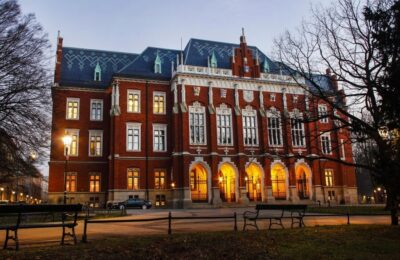
The tour begins outside the main entrance of the Corn Exchange, which matters more than it sounds. You’re starting from a landmark that’s central and recognizable, so you can focus on the walk rather than playing guess-the-meeting-point.
Right away, the tone is part history lesson, part role-play. The guide wears WW2 costume for the shelter portion, and it helps your brain switch gears. Instead of reading about the Blitz, you’re hearing it framed like a lived event, with Bristol’s streets acting as the first stage set.
If you’re the type who likes short, purposeful walking tours, this one fits that style. It’s timed well enough that you’re not stuck trudging all afternoon before anything interesting happens underground.
You can also read our reviews of more walking tours in Bristol


Old City walk: trading history and Blitz scars in the same stroll
Before you go under, you walk through the Old City and pick up the big picture. The guide takes you from ancient origins toward Bristol’s modern identity, with stops that connect architecture and war damage to everyday life.
What I like about this approach is how it prevents the shelter from feeling like a random basement attraction. You understand what kind of city Bristol was, what it traded, and why the waterfront-linked streets and buildings mattered. Then you see the war impacts on the ground level—so the underground time capsule has a sharper meaning.
Expect stories tied to how Bristol evolved through trade over centuries, with an emphasis on wartime Bristol during the Second World War. This isn’t just facts tossed at you. It’s the kind of walking route that helps you read the street layout as history, not just scenery.
The WW2 air raid shelter: what makes it feel authentic
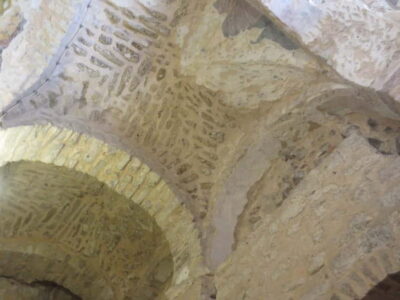
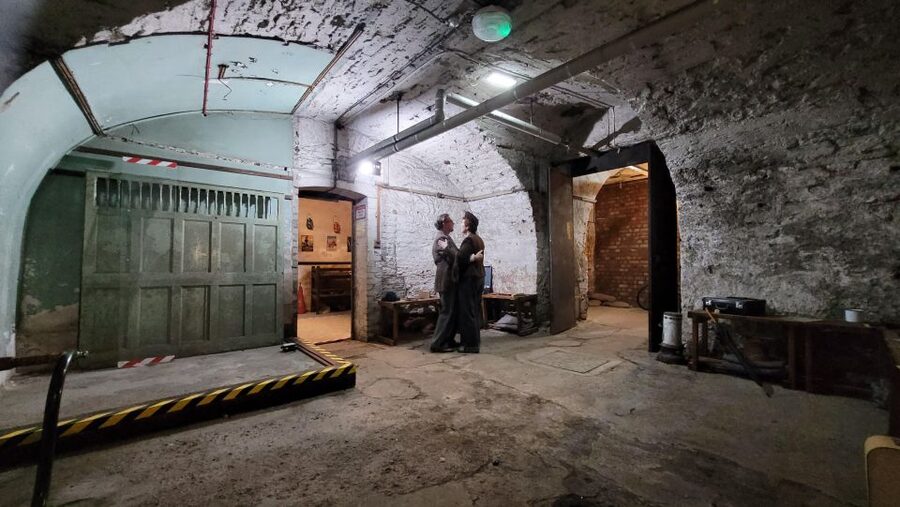
The highlight is the subterranean part. Your guide leads you beneath the streets for a tour of Bristol’s biggest public air raid shelter, located under the Corn Exchange area. This is the rare experience where the setting does a lot of the work for you.
Here’s the practical value: the shelter remains largely untouched, so you’re not just viewing a recreated set. You get a physical sense of the conditions people faced—tight, underground, and built for survival rather than comfort. Even if you’ve read about air raids, seeing how the spaces work in real life tends to hit harder than diagrams.
The tour also includes entry to the air raid shelter plus access to areas of the Corn Exchange that are usually off limits. That combination is a big part of the value. You get a guided explanation, but you also get to stand in parts of the building complex you’d never access on your own.
One more detail that adds credibility: guides have a strong sense of authenticity in how they present the site, with storytelling that feels committed to the project rather than staged for tourists. That’s what makes it more than a quick look-and-go attraction.
Corn Exchange rooms and the 1960s music thread
A neat twist in this tour is how it threads the story forward in time. In addition to WW2 survival spaces, you’ll also see rooms connected to Bristol’s later cultural moments—specifically references to the best bands of the 1960s, including the Rolling Stones.
That matters because it shows how cities don’t freeze in wartime memory. They rebuild. They repurpose. The same area can carry different kinds of energy across decades. If you enjoy tours that connect history to culture, this part can feel especially satisfying.
You might also hear a light supernatural angle. The tour description suggests you may meet Margaret, a friendly ghost. It’s presented as part of the experience, and the overall tone is playful without taking away from the wartime focus.
If you’re hoping for a large, modern museum space down there, manage expectations. The shelter tour makes strong use of what’s available on site, and some people wish there were a bit more space for artifacts. Still, the trade-off is that you’re visiting the shelter itself as it is, not a polished replacement.
What St Nicholas Market adds to the tour (and how to plan lunch)
After the underground section, the tour transitions back to the street level and you finish in St Nicholas Market. This is where the pacing helps you. You’ve just spent time learning about serious history, and you get a practical, easy landing point for food and souvenirs.
Food and drink are not included, but that’s actually a plus for control. You can choose what fits your mood and budget: sweet snacks, savory bites, and a range of street-food options. If you like tasting your way through a market, this is a solid setup.
St Nicholas Market is known as a covered market, and the tour positions it as the perfect lunchtime finish. Drop-off is at St Nicholas Market and also at the Corn Exchange, so you’re not stuck far away from transport or other plans.
What I recommend: go to the shelter tour hungry enough to enjoy the market, but not so hungry that you’ll rush. Most people tend to need a few minutes after being underground, so give yourself time to reset before you order.
Price and timing: whether $16 makes sense
At about $16 per person, this feels like good value for three reasons.
First, you’re paying for a guided experience that includes entry to the air raid shelter plus access to exclusive Corn Exchange areas. Those admissions usually cost more when taken separately.
Second, you’re getting a story-led route: Old City walk above ground, Blitz context, then the shelter. It’s not just one attraction. The structure matters.
Third, the duration—around 75 minutes to 2 hours—keeps it efficient. It’s long enough to feel complete, short enough that you can still enjoy your day. If you’re building a Bristol afternoon and want one standout history moment, this format fits.
So who should consider it? People who like history that’s told in place. Families who want something more engaging than a standard museum hour. And Bristol visitors who want an experience that’s truly tied to the city’s layers, not generic war facts.
Who it suits best, and who should skip it
This tour isn’t for everyone, and it’s important to take the limits seriously. It’s not suitable for people with mobility impairments or anyone with claustrophobia. It also lists weight and age thresholds: not suitable for people over 300 lbs (136 kg) and not for people over 95 years.
If those don’t apply, you’ll likely enjoy it more. You should plan on comfortable shoes, since you’re walking the Old City streets before going underground.
Best-fit groups:
- History fans who want WWII details explained in a human way, not just signage
- People who enjoy guides who use storytelling and character (WW2 costume style, plus lively delivery)
- Visitors who want to combine history with an immediate food stop at St Nicholas Market
If you know you get anxious in tight indoor spaces, treat this as a hard no. Underground is part of the point.
Guides, delivery, and the overall vibe
One of the strongest themes from the tour’s reputation is the guide impact. Names like Owen, Duncan, and Theresa come up repeatedly, and the common thread is energy: engaging delivery, clear speaking, and a strong command of Bristol during the war.
People also seem to appreciate that it doesn’t feel manufactured. The shelter and its stories have enough weight on their own; the guides don’t need to oversell.
That said, there are small expectations to set. Some visitors want a bit more time to read artifacts and ask questions, and others wish there were more museum space. If you’re the type who loves slow museum browsing, consider this tour more like a guided walk-through of the shelter experience, with market time afterward if you want an easier, open-ended pace.
Should you book this Bristol shelter and market tour?
Yes, if you want something that feels specific to Bristol and not interchangeable with any other UK history city. The underground air raid shelter under the Corn Exchange is the main reason to book. The Old City walk gives it context, and St Nicholas Market gives you an easy finish you can actually enjoy.
Book it if:
- You like guided storytelling with a clear, physical setting
- You want WWII history that connects to everyday Bristol streets
- You’re planning to eat at St Nicholas Market anyway and want your day to feel planned
Skip it if:
- You’re claustrophobic or have mobility concerns that make underground spaces hard
- You want a large, formal museum with lots of reading time before you move on
If you’re unsure, this is one of those rare tours where the setting does most of the convincing. Comfortable shoes, a bit of curiosity, and you’ll get a Bristol experience that stays with you long after lunch.
FAQ
How long is the Bristol Air Raid Shelter and St Nicholas Market walking tour?
It runs for about 75 minutes to 2 hours, depending on the starting time.
Where do I meet the tour?
Meet at the main entrance of the Corn Exchange.
What’s included in the price?
You get a guided tour, entry to the WW2 air raid shelter, and entry to exclusive areas of the Corn Exchange.
Is food included at St Nicholas Market?
No. Food and drink are available to purchase in St Nicholas Market.
Where does the tour finish?
You’ll be dropped off at St Nicholas Market and also at the Corn Exchange.
What language are the tours in?
The live tour guide speaks English.
Is it suitable for claustrophobia or mobility issues?
No. It is not suitable for people with mobility impairments or people with claustrophobia.
Are there age and weight limits?
Yes. The activity is not suitable for people over 300 lbs (136 kg) and people over 95 years.
What if I need to cancel?
You can cancel up to 24 hours in advance for a full refund. You can also reserve now and pay later.