REVIEW · BRISTOL
Blackbeard to Banksy – The Ultimate Walking Tour of Bristol
Book on Viator →Bookable on Viator
Bristol has a way of telling stories on brick and stone. This walking tour connects Banksy street art with city history you can actually see while you walk, starting from the cathedral area and ending near Narrow Quay. I love how it gives you a focused route for first-timers, not a random scavenger hunt, and I also like the way the guide links the art to what Bristol used to be, from older landmarks to the city’s changing streetscape.
Two details that really made it click for me: you get pointers to Banksy originals (including context about Banksy’s studio being here) and you also learn why people’s murals and stencils show up where they do. The main drawback to plan around is simple: it’s a 2-hour walk in central Bristol, and it depends on weather.
In This Review
- What You’ll Get From This Blackbeard to Banksy Walk
- Why Bristol Feels Different When You Walk It
- Banksy, Studio Context, and What You Should Actually Look For
- The Cathedral Area Start: How the Walk Sets the Tone
- Ruined Churches and Toppled Statues: Bristol’s Hard-to-Notice History
- The City That Used to Be a River (and Why That Matters)
- Street Art Along the Route: How the Walk Feels on the Ground
- Weather Reality: When It Rains, the Tour Still Has to Work
- Price and Logistics: Is $18.03 a Good Value?
- Who Should Book This Bristol Street Art Walk?
- My Practical Tips Before You Go
- Should You Book Blackbeard to Banksy in Bristol?
What You’ll Get From This Blackbeard to Banksy Walk
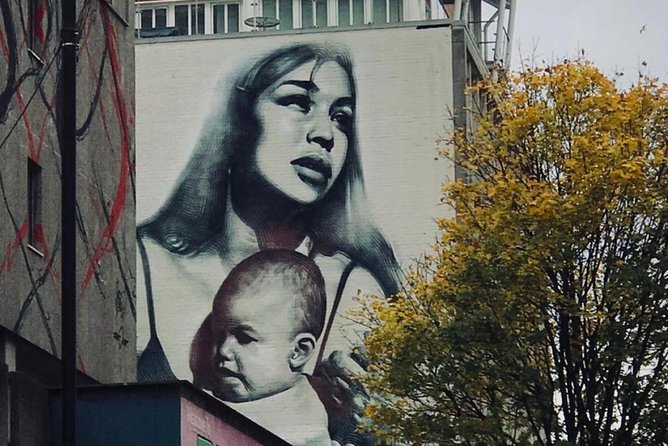
- Banksy originals plus local artists: you’re not just hearing about street art; you’re seeing it where it lives.
- History you can spot: ruined churches, toppled statues, and built-up cultural layers come up as visual landmarks.
- A route that fits a day in Bristol: about two hours, moving through central areas without trying to exhaust you.
- Guides who keep it clear and friendly: names you might hear from the guide team include Mike, Owen, Luke, and Henry, all described as engaging and easy to follow.
- Practical tips for the rest of your stay: the walk is also an orientation, so you know where to go next.
- A small group feel: capped at 28 travelers for better interaction and Q&A.
Why Bristol Feels Different When You Walk It
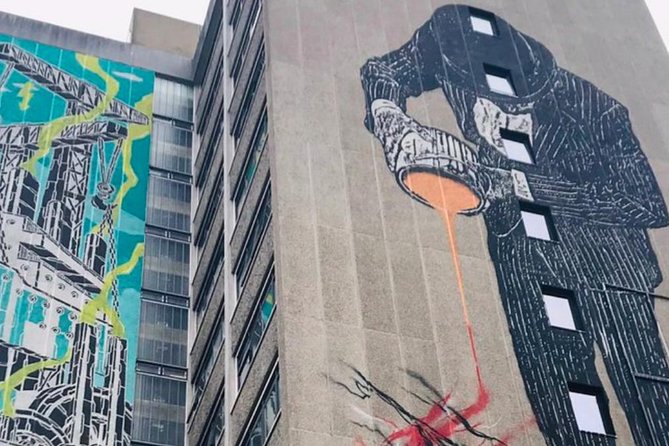
I like tours that reduce the guesswork. This one does that fast. In about 2 hours, you get a sense of the city’s personality by moving through the center and watching how the art sits next to older architecture, political statements, and locations people would otherwise breeze past.
Bristol can feel like it has two versions of itself. There’s the historic city you can read in churches and older buildings. Then there’s the present-day Bristol you spot on walls—quick, expressive, and often political. This tour uses street art as the thread, but it doesn’t ignore the older layers beneath it.
For me, the best part is the framing. You don’t just collect photos of murals. You learn the context that explains why certain images show up, why they matter, and how they connect to Bristol’s shifts over time. That makes your own exploring afterward more meaningful, because you’re not just seeing art—you’re recognizing what the guide taught you to notice.
You can also read our reviews of more walking tours in Bristol

Banksy, Studio Context, and What You Should Actually Look For
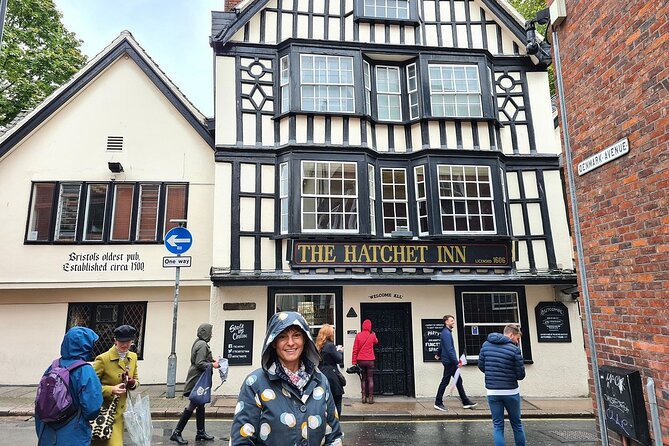
Let’s talk about the Banksy factor. This tour is marketed around seeing Banksy’s originals, and it also mentions that Banksy’s studio is here. Even if you’re not a die-hard fan, that matters because the guide’s job is to turn recognition into understanding.
When street art is part of the conversation, you should keep an eye on three things as you walk:
- Placement. Murals and stencils look different depending on whether they’re tucked into corners, placed where people stop, or positioned near older civic buildings.
- Message and timing. Even without a deep art degree, you can pick up the idea that some works react to Bristol’s identity and conflicts.
- How it sits next to history. The tour is built to show how a stencil on a wall can reference social issues while older churches and statues tell a longer story.
This is where the guide makes a difference. People reported guides like Mike, Owen, Luke, and Henry as clear, friendly, and capable of keeping the group moving and interested—so you’re not left standing around hoping the mystery will solve itself.
The Cathedral Area Start: How the Walk Sets the Tone
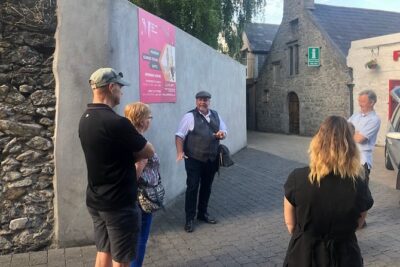
You start in the Bristol BS1 area (meeting at Bristol BS1 5TJ) and the tour gets going with an orientation around the cathedral zone. That’s a smart choice. Starting near a major landmark helps you calibrate quickly. You’re immediately in the right part of town, and you can picture where you are even if you’re new to Bristol.
From there, you get more than art spotting. You get a quick grounding in the local area—how Bristol’s center developed, what to pay attention to in the streets around you, and how the city’s history connects to the images on display.
If you’ve ever been on a walk where the first stop feels slow, this probably won’t be that. The early minutes are meant to help you see the tour theme clearly: older civic Bristol meets street-level commentary, and the guide points out what you might miss on your own.
Ruined Churches and Toppled Statues: Bristol’s Hard-to-Notice History
One of the most interesting parts is how the tour covers the city’s complex past. The theme isn’t only pretty buildings. Expect references to ruined churches and toppled statues, plus the idea that history in Bristol isn’t static.
These topics can sound heavy, but the value here is practical. Once you understand that some places and symbols have been altered or removed, you start noticing the “why” behind the visual cues. A statue that’s been taken down, for example, is not just a missing object—it’s part of a shift in identity, politics, or public memory.
And because you’re walking, you can connect the story to the exact streetscape. It’s one thing to read about heritage. It’s another to stand in central Bristol and see how old and new share the same blocks.
The City That Used to Be a River (and Why That Matters)
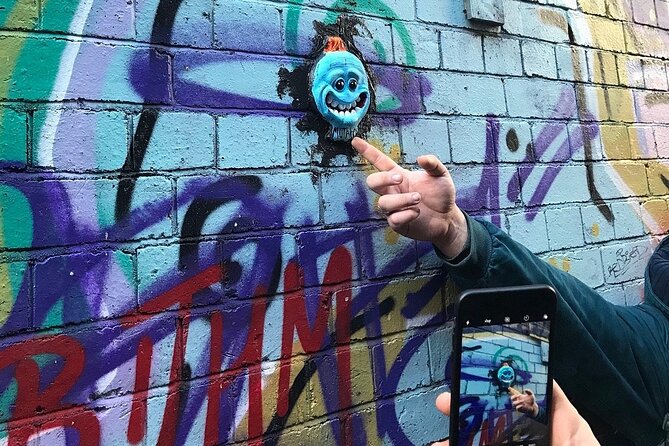
A detail that stuck with me from the descriptions is how you learn that the city center used to be a river. That kind of information changes how you understand Bristol, because it affects the logic of streets, industry, and where people built key parts of town.
Why does that help you as a visitor? Because Bristol’s layout makes more sense when you know what came before. Even if you can’t picture the river on a map, you start seeing the center as shaped by water, commerce, and movement—then you see how street art follows foot traffic and public gathering points.
This tour uses that idea well: the art works become waypoints, and the history gives you the reason those waypoints exist where they do.
Street Art Along the Route: How the Walk Feels on the Ground
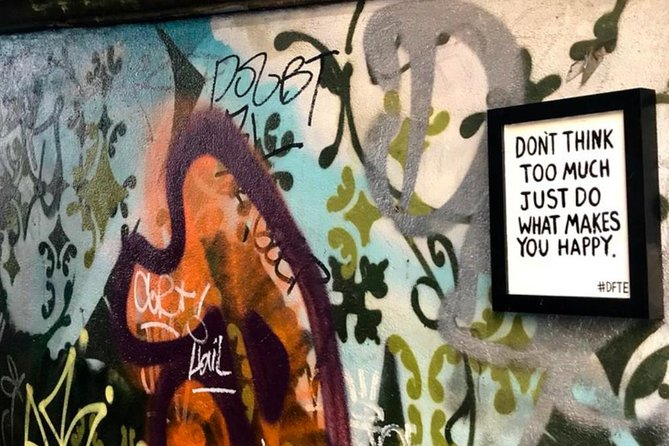
This is a true walking tour of central Bristol, so your comfort matters. You’ll cover a loop that takes you through key parts of the city center, with multiple stops focused on the street art scene.
Here’s what you should expect from the pacing:
- Lots of stops, not a race. The guides are there to explain, not just point.
- A mix of art styles and references. It’s not only one kind of stencil or one kind of mural message.
- Time for questions. People reported the guide made the group feel welcome, which usually means you can ask follow-ups without feeling rushed.
There’s also a useful reality check: street art changes. If you’re the type who wants a guaranteed list of exact images, you might prefer something more museum-based. But as a walking experience, this tour offers something better: it teaches you how to read what’s on walls and why it’s there now.
Weather Reality: When It Rains, the Tour Still Has to Work
This tour is weather-dependent, with the operator noting it requires good weather. That’s not just small print. Street art photography and comfortable walking don’t work well in heavy rain.
That said, you should also know that Bristol weather can be messy. In the experience details and descriptions, guides are reported as adjusting when weather turns rough. So if you’re planning in shoulder seasons, bring a light waterproof layer and be ready for the walk to continue in mixed conditions (unless it’s cancelled ahead of time due to poor weather).
If the experience is cancelled for weather, the plan is a rescheduled date or a full refund. If you’re tight on time, it’s worth checking your Bristol schedule before you book, since you’ll want at least some flexibility.
Price and Logistics: Is $18.03 a Good Value?
At $18.03 per person for about 2 hours, this is strong value for a first look at Bristol. The price makes sense because you’re paying for a local guide’s storytelling and route knowledge, not an attraction with timed entry fees.
A few logistics points that matter in real life:
- It’s mobile ticket based, which keeps things simple once you’re already in the city.
- The group size tops out at 28, which is big enough to feel social but small enough for you to actually hear explanations at stops.
- It’s offered in English, and the walk is described as doable for most travelers.
- You’ll finish near Narrow Quay, a good spot to keep exploring afterward on your own.
There is one consideration: if you only want street art with zero history angle, the tour may feel too layered. The whole concept is that art and city history are linked.
Who Should Book This Bristol Street Art Walk?
This tour is a great fit if you want your Bristol visit to start with context. It’s especially good for:
- First-timers who need a fast orientation and a clear route through central areas.
- Street art fans who want more than photo ops, and want to understand the messages.
- History-minded travelers who don’t want a lecture in a museum—they want stories tied to what you see outside.
It may be less ideal if you hate walking for extended stretches or if you’re trying to do a one-hour sprint through town. A few people noted that two hours can feel long if you prefer shorter walks. Still, it’s the right length for most people who want a solid overview without burning the whole morning or afternoon.
My Practical Tips Before You Go
If you want to get the most out of it, here’s how I’d prep:
- Wear shoes that can handle central Bristol sidewalks in varying weather.
- Bring a small umbrella or light waterproof layer. Even if the walk keeps going, you’ll enjoy the stops more if you’re comfortable.
- Have your camera ready, but don’t let it steal all your attention. The guide’s explanations are the point.
- If you can, go at a time when you’re not rushing to a train right after. Two hours goes quickly, and you’ll likely want to linger afterward near the finish.
And if you’re a first-time visitor, use the walk as your setup. After you return to the streets on your own, you’ll notice more because you’ve learned what to look for.
Should You Book Blackbeard to Banksy in Bristol?
If you’re deciding between DIY wandering and a guided route, I’d lean toward booking this. For $18.03 and about two hours, you get a structured introduction to Bristol that ties together Banksy originals, local street art, and visible city history like ruined churches and toppled statues. The big bonus is that you leave with tips for what to do next, not just a pile of pictures.
Book it if you want an easy, high-value way to see central Bristol with meaning. Skip it only if you’re set on a short, purely street-art-only stroll or you know you won’t handle outdoor walking in changing weather.