REVIEW · GENOA
Genoa: Food and Wine Tasting Walking Tour
Book on GetYourGuide →Operated by GenovaTourMyLand.it · Bookable on GetYourGuide
Food plus Genoa stories. That’s the trick.
This food and wine walking tour turns snack stops into a guided walk through the city’s major landmarks, with Lorenzo keeping the pace light and the explanations clear. You taste classic plates people actually order in Liguria, then connect the flavors to what Genoa built—trade, sea food, and tight-knit local traditions.
I especially love two things. First, the five Genovese dishes (including a local dessert) give you a real cross-section of what makes Genoa’s table distinctive, from focaccia and farinata to pesto and walnut-style flavors. Second, you don’t just eat in place—you get quick guided glimpses at stops like Doge’s Palace, Genoa Cathedral, and Palazzo San Giorgio, so the history feels useful instead of random.
The main drawback is weather and walking. It’s a two-hour stroll in a historic center, so on a cold, windy day you’ll want proper layers and a bit of extra patience, since you’ll be outside most of the time.
In This Review
- Key highlights you’ll feel on the walk
- The real point of a Genoa food-and-wine tour
- Casa di Cristoforo Colombo: meeting point and orientation
- Landmark stops that make the food make sense
- Doge’s Palace: power, not just postcards
- Genoa Cathedral: faith, wealth, and the city’s center
- Palazzo San Giorgio: the trading spirit in stone
- The bakery tastings: focaccia, farinata, and pesto territory
- Farinata: the chickpea flatbread that feels like comfort
- Pesto and walnut-style flavors
- A note on seasonal pie
- Restaurant stops: where the seafood really shows up
- Panissa and classic street-friendly portions
- Dessert and the ice-cream stop you’ll remember
- Wine tasting: two glasses, Ligurian style
- Dietary options that actually matter for ordering
- Price and logistics: is $70 worth it?
- Practical tips so the walk feels easy
- Who should book this tour (and who might skip it)
- Should you book Genoa: Food and Wine Tasting Walking Tour?
- FAQ
- Where does the tour start?
- How long is the walking tour?
- What’s included in the tasting?
- Can the menu be adjusted for dietary needs?
- What languages is the guide available in?
- Is hotel pickup or drop-off included?
- Is the tour wheelchair accessible?
- What is the cancellation policy?
Key highlights you’ll feel on the walk
- Five traditional Genovese tastings plus a local dessert so you leave satisfied, not nibble-satisfied
- Two glasses of local wine paired with the tour’s food rhythm
- Quick landmark guidance at Doge’s Palace, Genoa Cathedral, and Palazzo San Giorgio
- Custom menu options with vegetarian and vegan friendly adjustments
- Lorenzo’s big Genoa energy—he connects plates to place without making it lecture-y
- A classic end-of-tour finish at a local bar with wine tasting
The real point of a Genoa food-and-wine tour
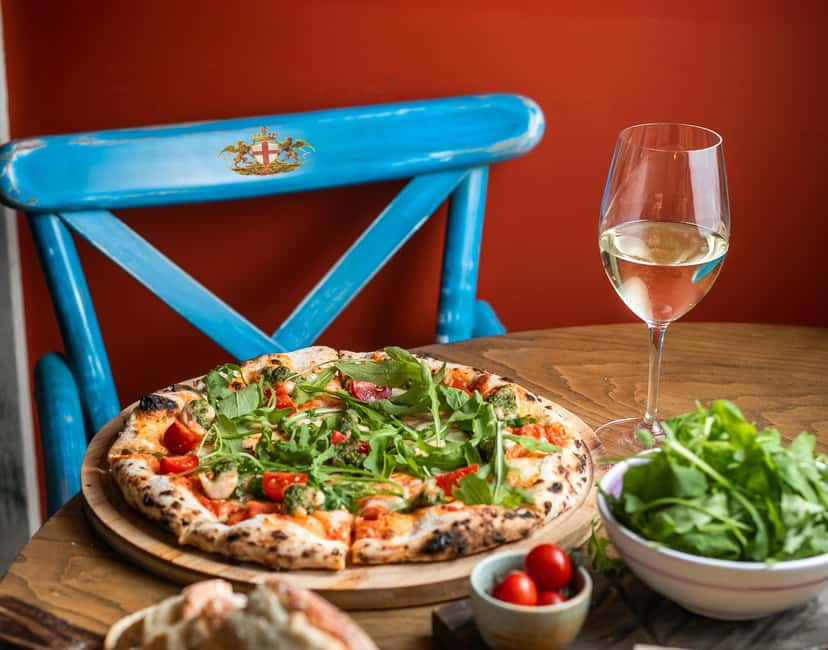
Genoa can feel like a maze at first. Narrow streets, steep bits, and church after church. A guided tasting walk is one of the fastest ways to get your bearings and start eating the right things.
This tour is built around that idea: you sample the city’s favorites while also seeing the kind of architecture and public spaces that shaped how Genoa traded, fed itself, and celebrated. Food and wine here aren’t separate hobbies—they’re part of daily culture.
You can also read our reviews of more walking tours in Genoa


Casa di Cristoforo Colombo: meeting point and orientation
Your tour starts at Casa di Cristoforo Colombo. It’s a smart place to begin because it immediately anchors you to Genoa’s maritime identity—the city likes to tell time in ships, routes, and commerce.
Before you set off, the guide usually gathers you in front of the meeting point. You’ll recognize her by a small flag with the GenovaTourMyLand logo. If you’re arriving early, take a quick look around the entrance area so you know exactly where your group will form.
Landmark stops that make the food make sense
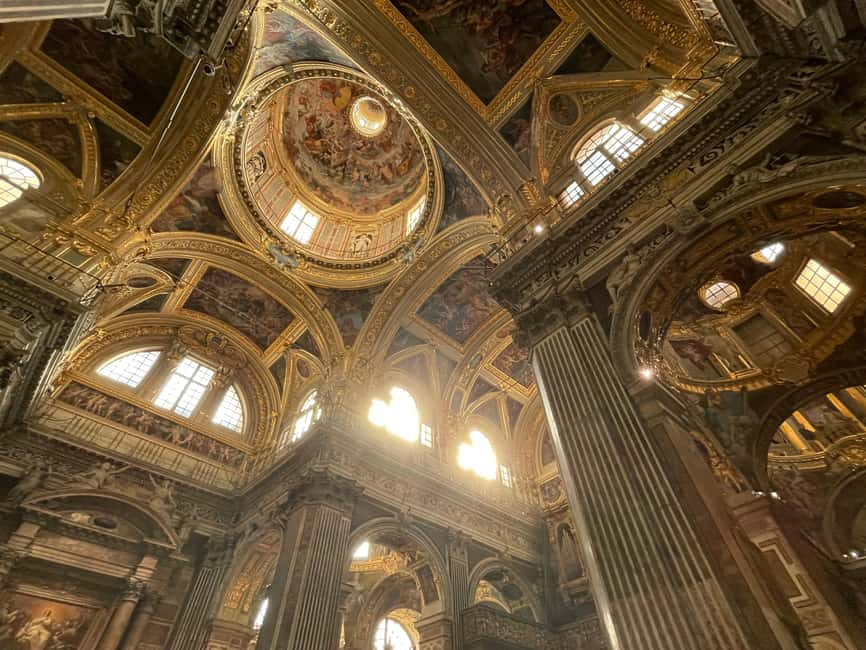
This walk is not a long museum slog. It’s more like short guided chapters—enough context to understand what you’re eating and why Genoa’s food leans coastal and savory.
Doge’s Palace: power, not just postcards
You’ll get a guided look at Doge’s Palace for about five minutes. Even that short stop helps you understand Genoa as a city that ran on decisions, influence, and trade networks. That matters because Ligurian cooking grew alongside merchant life and port activity—simple ingredients, strong flavors, and lots of ways to turn seafood and staples into full meals.
Genoa Cathedral: faith, wealth, and the city’s center
Next comes Genoa Cathedral with another brief guided stop. The effect is practical: you’re standing in the heart of a city that historically gathered people and resources. Food in places like this doesn’t just happen—it’s tied to what mattered locally: community, status, and celebration.
Palazzo San Giorgio: the trading spirit in stone
You’ll also pass Palazzo San Giorgio with a quick guided moment. This is where Genoa’s mercantile reputation shows up in architecture. When later you taste seafood and olive-oil friendly dishes, you’ll likely feel the logic of it more clearly.
The bakery tastings: focaccia, farinata, and pesto territory
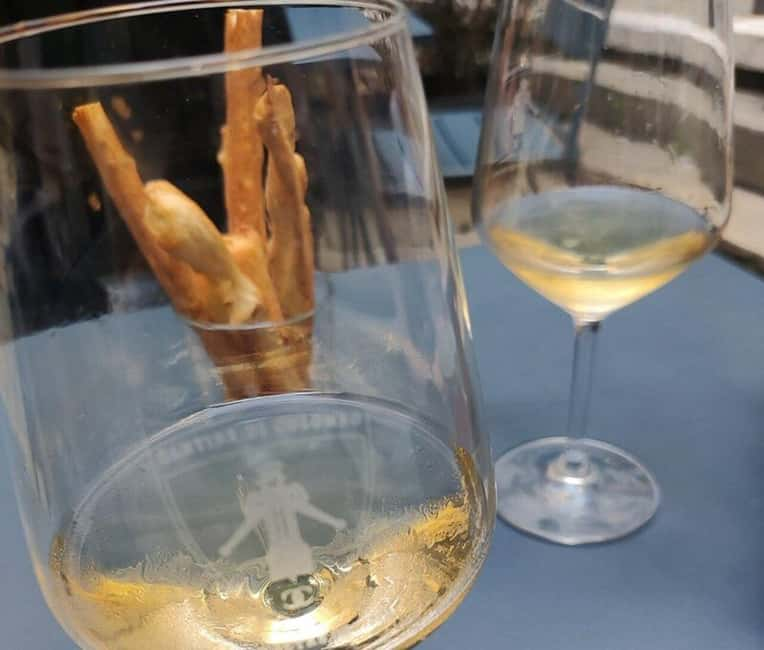
Now the tour earns its keep. You hit local bakeries and small food counters where Genovese classics are handled like everyday food, not museum samples.
You’ll taste multiple versions of focaccia, including the classic style and a version served with cheese (focaccia al formaggi). Genoese focaccia is built on a philosophy of simplicity: good flour, good technique, and the kind of olive oil that actually tastes like something.
Farinata: the chickpea flatbread that feels like comfort
Farinata is another highlight. It’s a chickpea-based flatbread baked until it’s set in the middle with crisp edges. If you think you’ve had chickpea snacks before, this is different—more savory, more filling, and very “Genoa.”
Pesto and walnut-style flavors
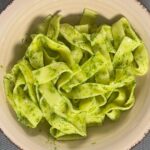
The pesto part isn’t treated like a one-note gimmick. You’ll get tastings that connect pesto to the broader flavor world of Genoa, including pesto alongside a taste of walnut paste flavors. That walnut element helps explain how nuts and herbs show up in Ligurian food beyond the usual basil stereotype.
A note on seasonal pie
One reviewer wished the tour included a seasonal Ligurian pie like spinach, artichoke, or asparagus (depending on what’s available). That’s a good heads-up for you: if you’re visiting when those ingredients are in season, you might ask the guide whether there’s room for a seasonal pie in the menu plan. The tour is described as adjustable for preferences and needs, so it’s worth bringing up.
Restaurant stops: where the seafood really shows up
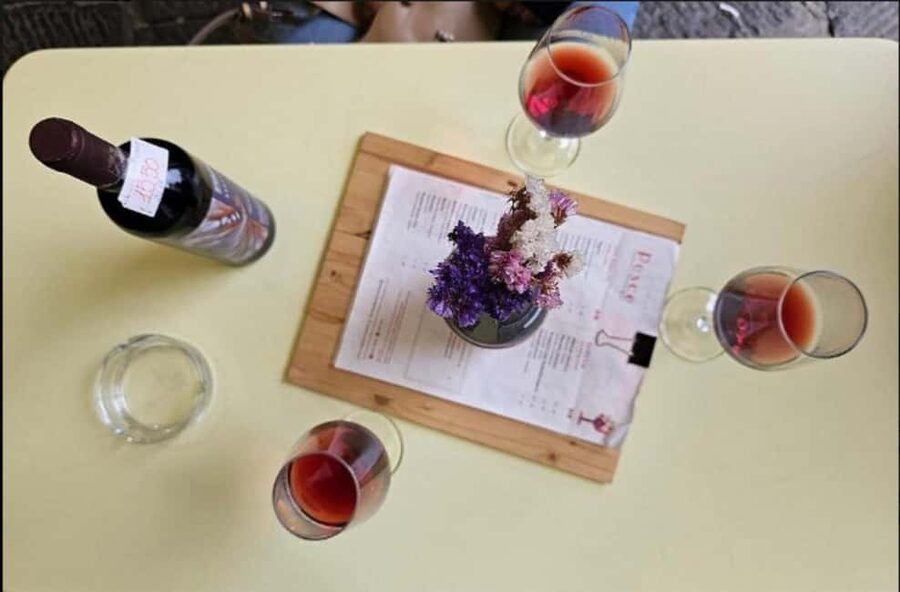
After the bakery bites, the tour shifts to tastings in local restaurants—short servings, but built around what Genoa does well.
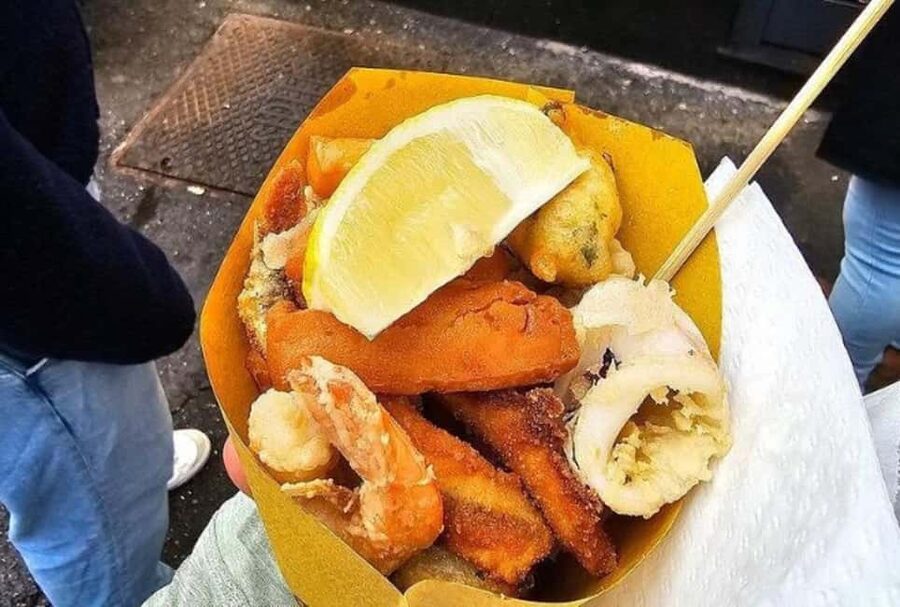
You’ll encounter something like an amazing fried fish moment, plus street-food style seafood tastings. This is the part where you’ll understand why Liguria’s coast influences its menus: seafood isn’t an occasional treat. It’s a default ingredient, and it often shows up in breads, fried snacks, and plates that are meant to be eaten while walking around or sharing.
Panissa and classic street-friendly portions
You may also see dishes like panissa showing up in the menu mix. Panissa is another Ligurian staple—fried or prepared chickpea-based comfort food—so it fits right next to farinata and focaccia in the overall theme. Even if you’re not the type who plans meals around chickpeas, this tour makes the connection fast.
Dessert and the ice-cream stop you’ll remember
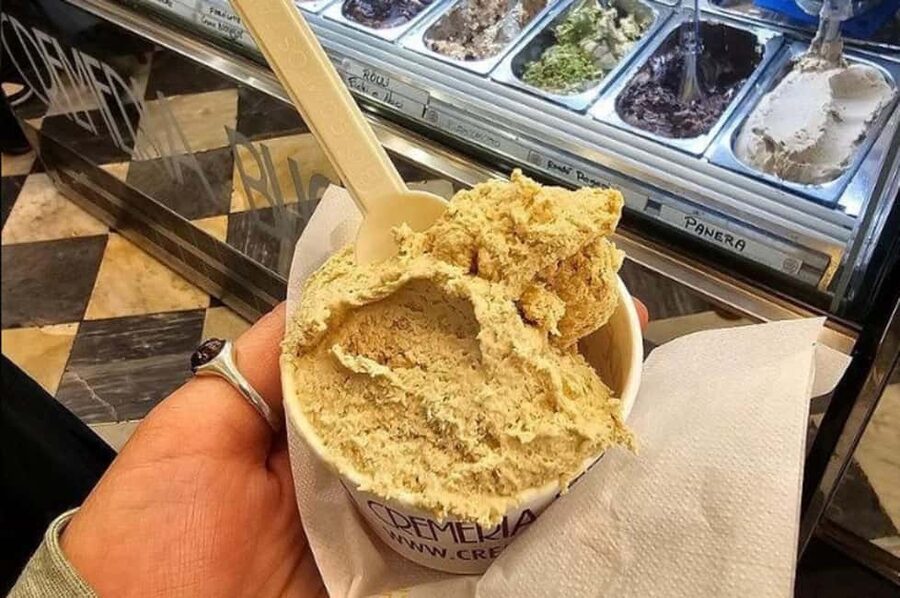
The walk ends dessert-side at a local bakery, then finishes with wine at a bar. Genoa is serious about its sweets, but the best part here is that dessert feels like a natural continuation, not an afterthought.
Expect a local dessert tasting, and don’t skip the end-of-tour gelato-style stop. Multiple guests called out the ice cream experience as stand-out, described as creamy and memorable—part of why this tour ends up feeling like a full evening meal even though it’s only two hours.
Wine tasting: two glasses, Ligurian style
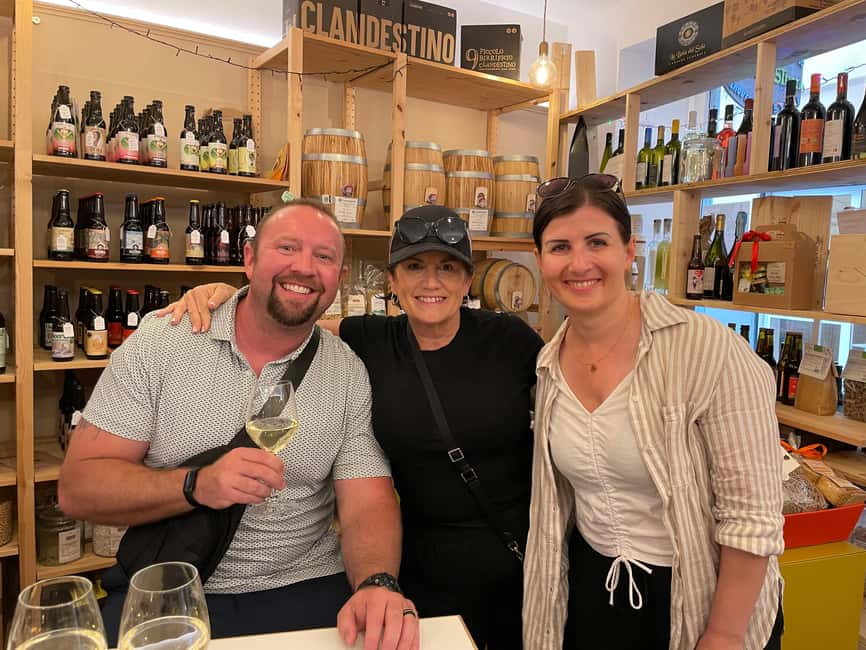
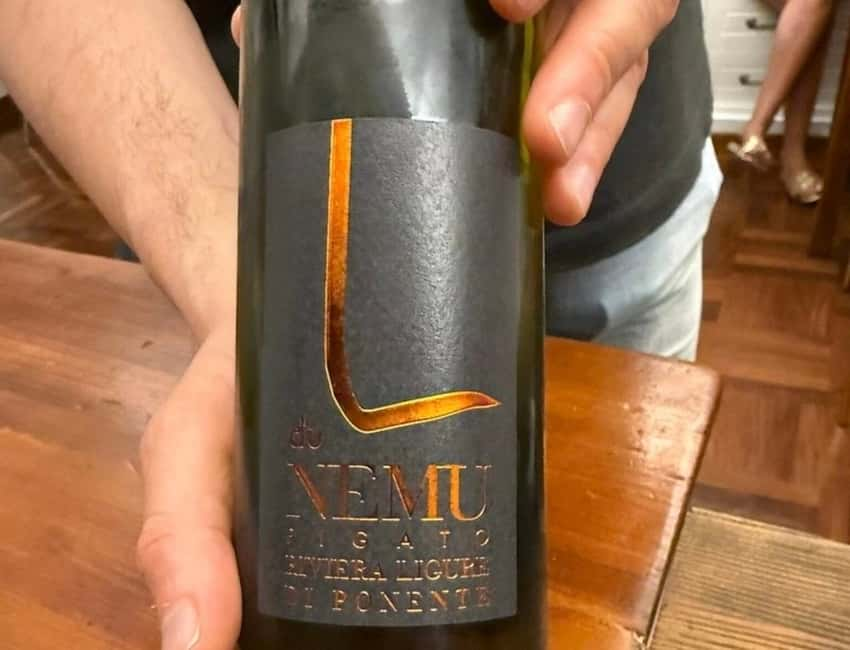
The wine portion happens at a local bar and lasts about 30 minutes. You’ll receive two glasses of local wine. It’s not presented like a sommelier performance. Think of it more as guided sipping so you understand what you’re drinking and why it fits the food you just ate.
If you like to learn through taste, this is the sweet spot: you can ask questions in plain language about what you’re tasting and how it pairs. And because the tour is focused on local wine, you’re less likely to end up with generic labels that mean nothing once you leave.
Dietary options that actually matter for ordering
This tour is designed to be flexible. It’s described as vegetarian and vegan friendly, and the menu can be adjusted based on possible food intolerances. That’s a big deal on a food tour, because many tours act flexible until you actually name an intolerance.
For you, that means you can book with less stress. You’re not stuck with a token bread plate. You’re also not forced to skip the core Genovese theme just because your diet is different.
They also note it’s family and pet friendly. So if you’re traveling with kids or with a well-behaved dog, this is one of the calmer ways to include everyone.
Price and logistics: is $70 worth it?
At $70 per person for a two-hour walking tour, you’re paying for three things at once: guided city highlights, multiple tastings, and wine. If you’ve ever tried to DIY Genoa food and wine, you know how quickly that gets messy. It’s easy to miss the right spots, and it’s also easy to overpay in the wrong places.
Here, you’re getting five traditional tastings plus dessert, and two glasses of local wine, with a guide coordinating the flow. For many people, that coordination is the value. You’re not just eating—you’re being guided to food that fits Genoa’s identity, with stops planned so you’re not zig-zagging across the old town.
Also, the tour includes guided glimpses of key landmarks, so your time feels double-used: you see Genoa and you eat Genoa. You’d still have to spend money on snacks if you wandered alone.
Practical tips so the walk feels easy
Wear comfortable walking shoes. The historic center is best experienced on foot, but that also means some uneven pavement and a lot of standing.
For cold days, plan for it. One guest described a freezing day and still credited Lorenzo’s effort for making the experience feel welcoming. Layers matter more than style. Bring something warm and consider bringing water too, since you’ll be sampling and walking and you might not think about hydration until you feel it.
If you’re worried about pacing, remember the tour is about two hours, with multiple short stops. It’s designed to keep moving, so you’re tasting often, not waiting around forever.
And for meeting-up clarity, make it easy on yourself: one guest suggested meeting point accuracy matters, like lining up precisely at the bottom of the steps outside Casa Cristoforo Colombo.
Who should book this tour (and who might skip it)
Book it if you want:
- A first-night or first-day introduction to Genoa
- A food-forward route that also explains major sites in small doses
- A reliable way to taste Genovese classics like pesto, focaccia, and farinata
Consider a different option if you want a long, sit-down meal or deep-detailed museum pacing. This is about quick tastings and quick context, not spending hours in one place.
If you’re visiting with dietary needs, this tour is one of the more reassuring choices because the menu can be adjusted for vegetarian, vegan, and intolerance needs.
Should you book Genoa: Food and Wine Tasting Walking Tour?
Yes, if you want a smart two-hour plan that feeds you and helps you understand Genoa fast. The best part is the balance: tastings are the star, but the guide’s historic context makes the flavors land better.
I’d book it especially if you like tasting menus without the formality of a formal dinner. And if you enjoy asking questions while you walk—this guide style fits that perfectly.
If you’re the type who hates feeling cold or standing around, dress for the weather and give yourself a little buffer. Do that, and you’ll likely come away thinking this was one of the most efficient ways to eat like a local while still seeing the city’s center.
FAQ
Where does the tour start?
The meeting point is Casa di Cristoforo Colombo.
How long is the walking tour?
The duration is 2 hours.
What’s included in the tasting?
You get sampling of 5 traditional Genoese dishes per person plus tastings of 2 local wines per person, along with guided walking through Genoa’s historic center.
Can the menu be adjusted for dietary needs?
Yes. The tour is vegetarian and vegan friendly, and the menu can be adjusted based on possible food intolerances.
What languages is the guide available in?
The live tour guide is available in English, Italian, and Spanish.
Is hotel pickup or drop-off included?
No. Hotel pickup and drop-off are not included.
Is the tour wheelchair accessible?
The tour is listed as wheelchair accessible.
What is the cancellation policy?
You can cancel up to 24 hours in advance for a full refund.