REVIEW · GENOA
Genoa: 2-Hour Guided Walking Tour of the Historical Center
Book on GetYourGuide →Operated by Genova Tourism Board · Bookable on GetYourGuide
Genoa’s old streets can feel like a maze. This 2-hour guided walk turns the caruggi into a story you can follow, with stops around the UNESCO-listed Palazzi dei Rolli and the big-name art lanes of Via Garibaldi. I love the way the route mixes architecture with practical context, so you’re not just seeing buildings, you’re understanding why they mattered to Genoa’s power. One watch-out: it’s a bilingual tour, so you may wait a bit while the guide switches languages.
What I like most is the combo deal: you walk the highlights in town, then you get museum access so your visit doesn’t end the minute the street tour finishes. The route also hits high-impact sights like San Matteo Square and San Lorenzo Cathedral, and it’s paced with room to look up and take photos without feeling rushed. The possible drawback is sound: since it’s a walking tour, you’ll want to stand where you can hear the guide best, especially on tight corners and busy stretches.
If Genoa is on your must-see list, this is a smart way to get your bearings fast and leave with clear next steps for exploring on your own.
In This Review
- Key points worth your attention
- Genoa’s caruggi: why this 2-hour walk works
- Where you meet on Via Garibaldi and how the route flows
- Palazzi dei Rolli: the UNESCO palaces you’ll actually be able to recognize
- San Matteo Square: a political landmark dressed up as a city stop
- San Lorenzo Cathedral: what to notice before you go in
- Strada Nuova on Via Garibaldi: the art-and-palace corridor
- Sant’Agostino Museum: Gothic settings that make medieval art easier to picture
- Museums after the walk: how to use your time well
- Price and value: is $16 a good deal for Genoa?
- The bilingual guide factor: what it means for your day
- Pace, comfort, and practical expectations for walking
- Who should book this tour in Genoa
- Should you book this Genoa 2-hour guided walking tour?
- FAQ
- How long is the Genoa guided walking tour?
- Where is the meeting point?
- What museums are included?
- Will I visit the museums during the guided portion?
- What languages is the tour offered in?
- Is there a guided component for the walking part?
- What key places does the tour focus on?
- Is this tour refundable if my plans change?
- Can I reserve without paying right away?
- How much does it cost?
Key points worth your attention
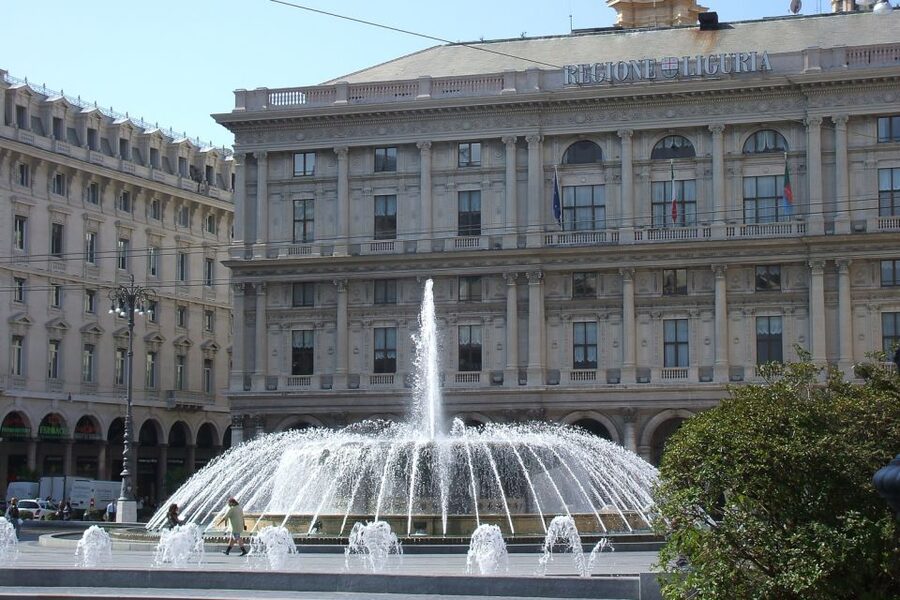
- Palazzi dei Rolli (UNESCO): You’ll see the grand residences that helped define Genoa’s aristocratic era.
- Caruggi navigation: The guide helps you make sense of the narrow lanes so you don’t feel lost.
- Strada Nuova museums included: Access to the main museum cluster on Via Garibaldi.
- Sant’Agostino Museum included: Gothic art and a triangular cloister setting that’s easy to remember.
- Bilingual live guide (English/Italian): You get the same storyline in two languages, not just a rushed translation.
Genoa’s caruggi: why this 2-hour walk works
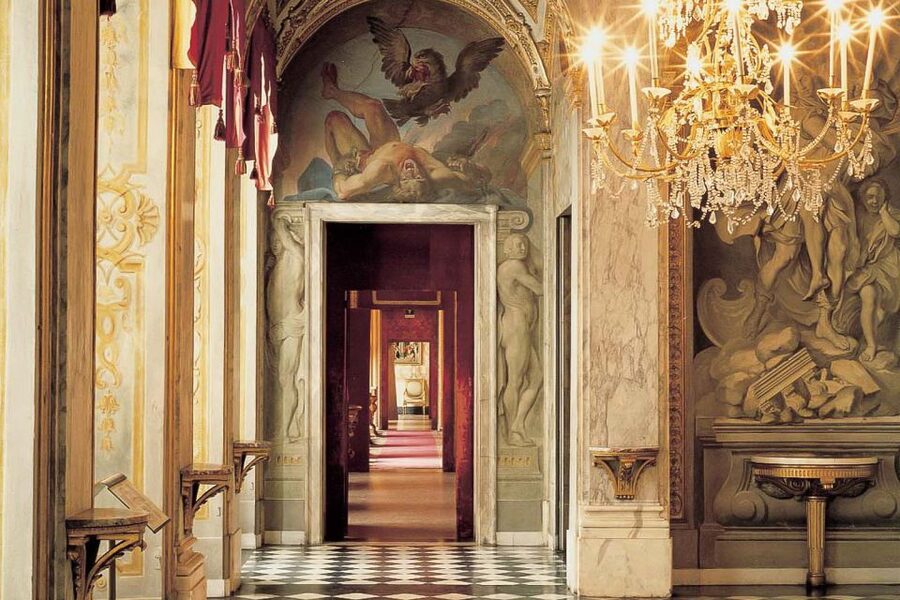
Genoa’s historic center has a special talent for turning “just one street over” into a full wandering mission. The caruggi (narrow alleys) can be charming, but without a plan they can also be confusing. This tour is built to solve that. In a short time, you get a guided path through the old town’s tight lanes, so you can later walk the same area with confidence.
I also like that the tour treats Genoa like a city with layers, not a checklist. You move from palace streets to religious landmarks and back toward museum territory. That rhythm matters because it keeps your brain engaged: you’re constantly switching between “what am I looking at?” and “why was this here?”
The 2-hour length is another plus. Genoa involves stairs, corners, and “wait, where is that square?” moments. A shorter tour means you still get the big themes without burning your whole day on walking.
Where you meet on Via Garibaldi and how the route flows
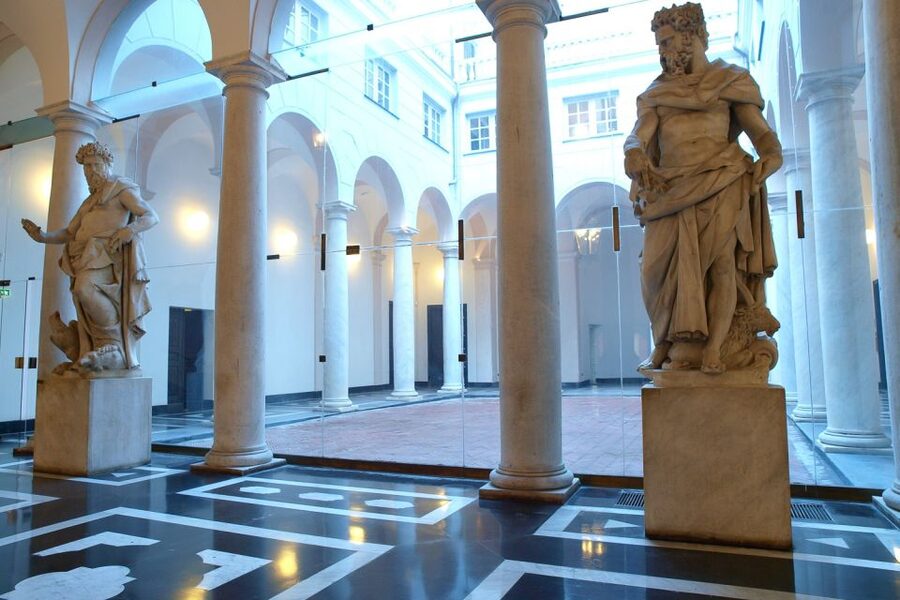
You start at the Tourist Information Center on Via Garibaldi 12red. That’s a useful detail because the tour’s later museum segment is tied to the same Via Garibaldi area (the Strada Nuova corridor). So even if your day is packed, the start point keeps everything connected.
The walking portion is guided, and then at the end you’re introduced to the museums so you continue on your own. That structure is practical. You get enough interpretation to understand what matters, then you choose how much time you spend inside each site.
Also, note the timing instruction: you should plan the museum visits for the same day as the walking tour. If you’re juggling a day-trip schedule, make sure you don’t put the museums into a different day and then get stuck with closed hours or travel delays.
Palazzi dei Rolli: the UNESCO palaces you’ll actually be able to recognize
One reason this tour is popular is that it focuses on the Palazzi dei Rolli, Genoa’s UNESCO World Heritage property. These aren’t generic “pretty buildings.” They’re aristocratic residences from the 16th and 17th centuries, built to host important visitors. Once you understand that, the facades and street positions start to make sense.
As you walk, you’ll see these residences as part of a bigger system: power, wealth, and the city’s social rules played out in stone. The guide’s job here is to point out what to look for and connect it to Genoa’s history. That’s how you go from seeing a palace to noticing the details that signal status and function.
A practical benefit: Via Garibaldi and the surrounding streets are easier to navigate once you’ve seen the “big picture” layout during the walk. Later, when you spot another rolli palace from the sidewalk, you’ll know what you’re looking at instead of wondering if it’s just another old facade.
San Matteo Square: a political landmark dressed up as a city stop
The tour includes San Matteo Square, described as tied to Genoa’s most important Doria family power. Even if you’re not a history buff, squares like this are where a city’s message becomes visible. This is where you’re meant to pause, look around, and connect the surrounding architecture to who held influence.
It’s also a good “breather” moment in a walking tour day. After moving through narrow lanes, a square gives your eyes space. That matters because Genoa’s old center often requires you to look up frequently, which can feel tiring if the itinerary never lets your body reset.
If you want photos, this is the kind of stop where a quick change in angle can make a big difference. A guide can help you stand in a spot where you capture the square without turning your camera into a juggling act.
San Lorenzo Cathedral: what to notice before you go in
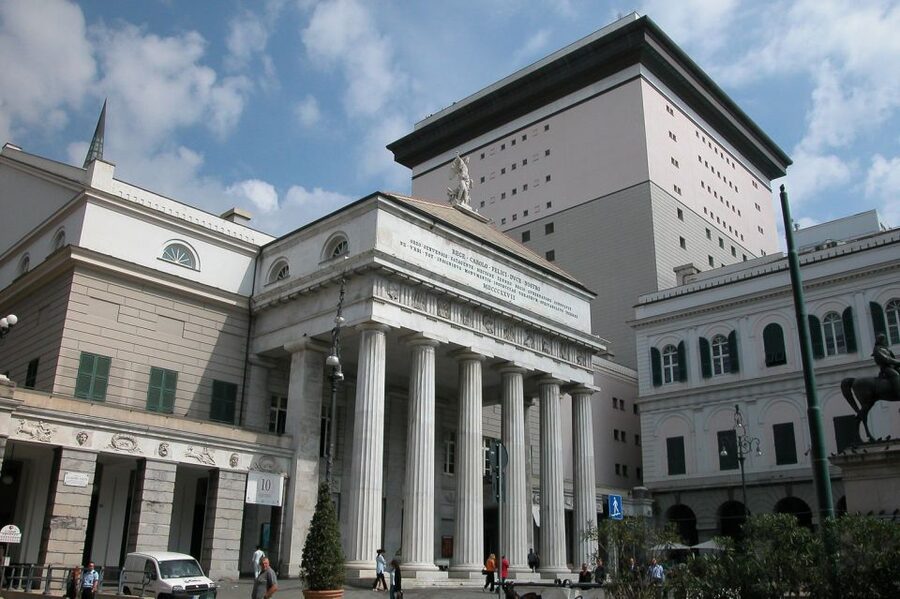
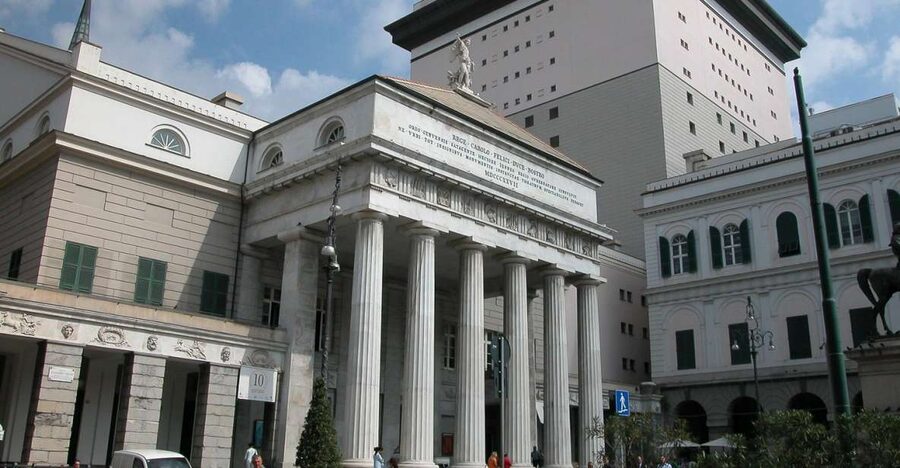
Next up is San Lorenzo Cathedral, a gothic church housing many religious objects. The guide’s storytelling is what helps this stop land. Gothic churches can look similar when you’re passing by quickly, but once you know the role the cathedral played in Genoa’s story, the details start to connect.
One of the memorable themes mentioned in the tour context is how Genoa collected and protected major Christian relics after the Crusades. The cathedral also has ties to famous Genoese stories, and guides often weave in broader “why Genoa mattered” facts as you approach.
Even if you only spend a short time around the cathedral area, you’ll leave with a clearer mental map of how the city’s wealth and faith intersected. And that makes later self-guided exploring much easier, because you’ll recognize relationships between landmarks.
Strada Nuova on Via Garibaldi: the art-and-palace corridor
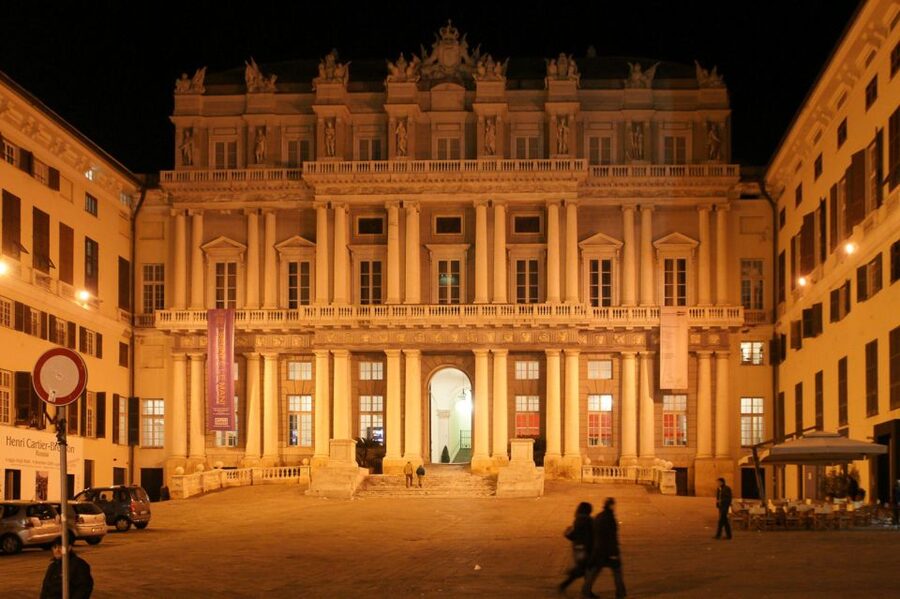
The big museum street is Strada Nuova, also known as Via Garibaldi, and it’s UNESCO World Heritage territory. This is the corridor where you see how Genoa wanted to present itself: grand residences plus a concentrated area of cultural institutions.
The Strada Nuova museum center is described as holding masterpieces from the 15th to the 19th centuries, with notable representation of the Genoese and Flemish schools. That’s a smart inclusion for a walking tour day because it meets two different travel styles:
- If you like art, you get a solid museum framework in one place.
- If you prefer architecture, the palaces become part of the art story, not just scenery.
The walking tour acts like an introduction. You’re shown the right street, given the right context, and then you’re set up to spend more time on what grabs you inside the museums. That beats the “tour ends, good luck” experience.
Sant’Agostino Museum: Gothic settings that make medieval art easier to picture
The second museum stop is Sant’Agostino Museum, known for being tied to the triangular cloister and for hosting what’s described as the largest preserved Gothic church in the area. That combination matters because the building isn’t just a container. It shapes how you experience medieval art.
Inside, you can expect a selection of significant art pieces from medieval Genoa. This is the kind of museum where you’ll likely remember the room more than the stopwatch. The setting helps you slow down, even if you’re in a hurry.
A practical point: since you visit the museums on your own after the walking part, it helps to know what each museum is for. Strada Nuova tends to be your main art highlight zone along the Via Garibaldi museum cluster, while Sant’Agostino gives you a strong medieval gothic atmosphere.
Museums after the walk: how to use your time well
At the end of the itinerary, the guide introduces the Strada Nuova Museums and you proceed alone. That’s a great setup because it gives you a head start without controlling your exact pace.
Here’s how I’d use it if you want the best value:
- Pick one museum to go deeper in and one to see more lightly.
- Start with the museum setting that matches your mood. If you want art in a palace setting, prioritize Strada Nuova. If you want a gothic architectural atmosphere, lean into Sant’Agostino.
- Don’t underestimate the power of a short re-read in your head. If you remember what the guide said about the schools of artists or the church setting, you’ll “see” more while you’re inside.
Also, the tour info makes it clear you should do both museums on the same day. If you’re planning dinner or a boat ride later, build in buffer time. Walking tours always have small delays: a photo moment, a narrow corner that slows everyone down, or simply a group that takes a beat longer at a square.
Price and value: is $16 a good deal for Genoa?
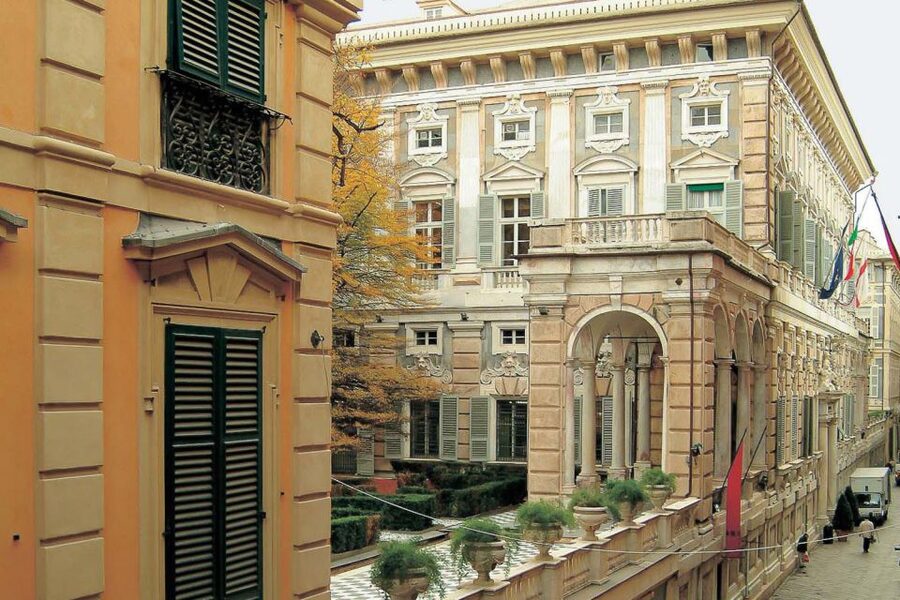
At $16 per person for a 2-hour guided walk plus museum access, this is priced like a solid “orientation plus extras” option. The key value isn’t just that you get a guide. You also get access to the Strada Nuova Museums and Sant’Agostino Museum, and that’s usually where most independent visitors start paying extra.
So your money buys you two things:
- A guided route through the confusing parts of old town (caruggi navigation).
- Museum time with built-in context, instead of entering a museum cold.
From the pattern of customer feedback, the tour is often seen as excellent value for money because it’s not just talking on a street corner. The guide’s explanations help you choose what to focus on inside the museums.
One more value detail: the duration is short enough that it doesn’t feel like you’re paying for a full day of walking. You get a lot of Genoa highlights without spending hours just trying to find your way.
The bilingual guide factor: what it means for your day
This tour runs in English and Italian with a bilingual guide. That can be a strength, because you can benefit from the full storytelling no matter which language you’re following. But it can also affect pacing.
In practice, you may experience moments when the group waits while the guide switches languages. That’s not necessarily bad; it just means your time won’t be perfectly synchronized with a single-language tour.
If you want to enjoy it smoothly:
- Stand where you can clearly hear the guide. Tight streets amplify hearing issues.
- If you understand a bit of Italian, you can sometimes glance at what the guide is pointing out during the Italian portion, then refocus when the English part starts.
- Bring patience. Genoa’s streets are narrow and the guide is working to keep both language groups engaged.
On quality, the feedback pattern points to guides who work hard to translate well and keep the group included. Different guides are named in the feedback, including Irene, Roberta, Daniel, Barbara, and Marina, and the common thread is that they manage both languages while still explaining the details you need.
Pace, comfort, and practical expectations for walking
The tour is walking-focused, so it’s not the one to pick if you want totally minimal movement. Still, the feedback signals that guides generally set a pace that works for typical visitors, including people dealing with physical limitations.
I’d plan for:
- Narrow lanes where you’ll need to slow down and watch your footing.
- Lots of looking up at facades, then looking back to the guide for the “what to notice” cues.
- Weather variability. Even a short Genoa walk can feel long in strong sun or rain.
Also, some people found that a tour guide’s microphone setup wasn’t needed as much because groups were attentive and sound carried in a normal way. Even so, don’t count on it. If you’re hard of hearing, position yourself carefully early in the tour.
Who should book this tour in Genoa
This tour fits best if you want:
- A guided way to understand Genoa’s old center quickly.
- Museum access without building a whole plan from scratch.
- A walk that hits major landmarks like San Lorenzo Cathedral and San Matteo Square, then connects you to art inside.
It’s especially good for first-timers. Genoa can be rewarding but confusing. This tour gives you enough structure to turn later self-guided exploring into something you control.
If you only want one thing on your trip—just the monuments, no museums—then the museum inclusions might be more than you need. But if you enjoy art even a little, the Strada Nuova and Sant’Agostino combo is a smart add-on.
Should you book this Genoa 2-hour guided walking tour?
Yes, if you’re looking for a short orientation that turns into a longer museum visit. The strongest reasons to book are simple: you get a guided walk through confusing old streets plus museum access that extends the value of your time.
I’d skip it only if you truly don’t want to walk, or if you want a strictly single-language experience with no switching. Otherwise, for $16, it’s an efficient way to see the heart of Genoa and leave knowing what you’re looking at.
FAQ
How long is the Genoa guided walking tour?
The tour lasts 2 hours.
Where is the meeting point?
The starting point is the Tourist Information Center on Via Garibaldi 12red.
What museums are included?
You get access to the Strada Nuova Museums and the Sant’Agostino Museum.
Will I visit the museums during the guided portion?
You’ll be introduced to the museums at the end of the walk, and then you proceed alone. Plan to visit them on the same day.
What languages is the tour offered in?
The guide speaks English and Italian.
Is there a guided component for the walking part?
Yes, the tour includes a live guide.
What key places does the tour focus on?
The route includes the Palazzi dei Rolli, San Matteo Square, San Lorenzo Cathedral, and the Strada Nuova on Via Garibaldi, along with other historical-center highlights.
Is this tour refundable if my plans change?
Cancellation is free up to 24 hours in advance for a full refund.
Can I reserve without paying right away?
Yes. It offers reserve now & pay later.
How much does it cost?
The price is listed as $16 per person.