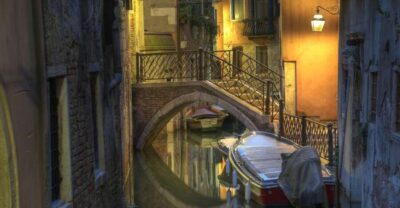
Old Genoa reveals itself street by street. In about 2 hours you start at Piazza Raffaele de Ferrari, then wind through top sights and side lanes with a 15-person maximum group, so you’re not stuck in a noisy crowd. Still, expect some steep steps and uneven cobblestones, and make sure you can handle the climb-and-wait rhythm.
What I like most is the guide energy: many groups are led by Genoese local Antonio, who connects city history across eras and keeps things paced for real people, with time for questions.
15-person maximum keeps the walk personal and interactive
Start/finish at Piazza Raffaele de Ferrari makes meeting up simple
Top sights plus the odd details like Pozzo di Giano and myth links to Janus
A tight 2-hour route with short stops and a few surprise streets
English and mobile ticket for an easy, on-your-phone arrival
Casa di Colombo may cost extra since it’s not included
In This Review
- Quick Start at Piazza Raffaele de Ferrari (and Why That Matters)
- Piazza De Ferrari and Palazzo Ducale: Genoa’s Public Power
- Torri di Porta Soprana: Stepping Through a Medieval Threshold
- Casa di Colombo: What It Adds (and What You May Pay)
- Pozzo di Giano: The Mythical Well That Changes How You See Genoa
- Piazza San Giorgio: A Real Pause With Real City Life
- Il Cittadino (San Lorenzo Cathedral Area): Gothic Meets Romanesque
- Piazza Banchi and Surprise Lanes: Where the Local Feel Lives
- How the Pace Works in Two Hours (and Who It Fits)
- Price and Value: What $32 Buys You in Genoa
- Meeting Logistics That Actually Help You Enjoy the Tour
- Should You Book This Genoa Walk?
- FAQ
- How long is the Genoa walking tour?
- What group size should I expect?
- Is the tour offered in English?
- Where is the meeting point?
- Where does the tour end?
- Is admission to all stops included?
- What’s included in the $32 price?
- Is a mobile ticket provided?
- Are service animals allowed?
- What are the cancellation and refund rules?
Quick Start at Piazza Raffaele de Ferrari (and Why That Matters)
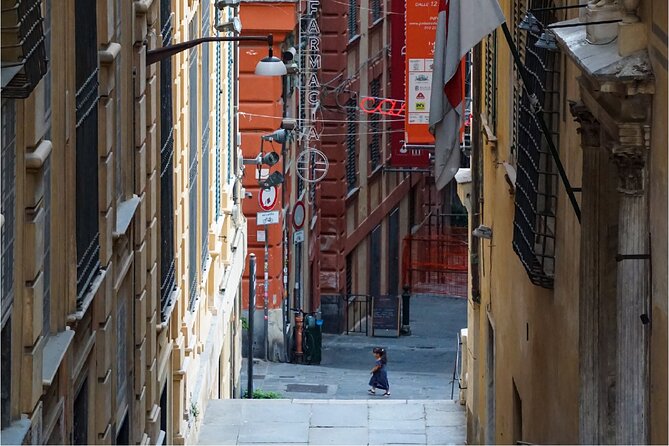
If Genoa feels like it could swallow you, this tour gives you a handle. You meet at Piazza Raffaele de Ferrari 1, a clear, central spot that’s easy to orient from, and you end back there too.
That start point isn’t just convenient. It also sets expectations for how Genoa works: you’ll move from major public spaces into tighter lanes, where knowing what you’re looking at makes the city feel far less confusing.
I like that the walk is built around short, focused stops. You get the payoff without losing a big chunk of your day.
Piazza De Ferrari and Palazzo Ducale: Genoa’s Public Power
You begin at Piazza De Ferrari, the kind of square that locals treat like a living room. It’s also one of the best places to “read” Genoa’s layout—where grand buildings frame everyday life. You’ll spend about 15 minutes here, enough time to lock in direction and notice the main visual cues.
Next comes Palazzo Ducale (Doge’s Palace), where the architecture does the talking. Even if you don’t plan to go deep into interiors for long, this stop helps you understand Genoa’s past as a power that could build impressive civic statements.
Practical note: this is a good moment to ask questions. If your guide has a local perspective (Antonio is one example), the palace area is where that perspective often clicks into place.
You can also read our reviews of more walking tours in Genoa

Torri di Porta Soprana: Stepping Through a Medieval Threshold
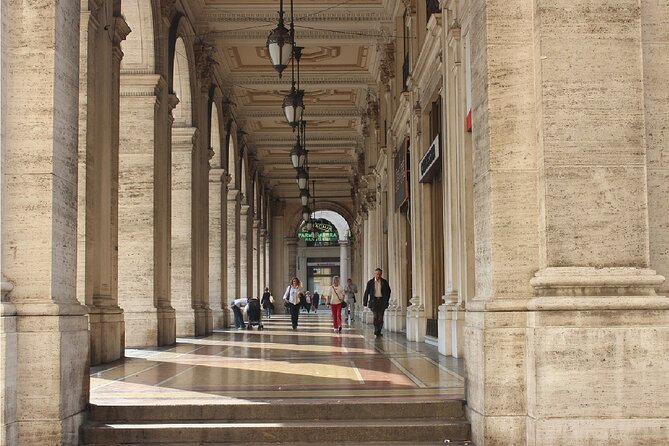
Then you reach Torri di Porta Soprana, a medieval gateway that feels like a time machine for how the city once defended itself. The twin towers are instantly recognizable, and they’re a nice reset after the more formal palace setting.
This stop is only about 15 minutes, so you won’t be stuck. The value is in the framing: a guide can point out what makes the gateway important beyond the postcard look—how it signals Genoa’s role as a maritime city with walls and control points.
If you’re a photo person, this is one of the easiest places to shoot quickly. You’re not hunting around for the “right angle” in a maze of alleys.
Casa di Colombo: What It Adds (and What You May Pay)
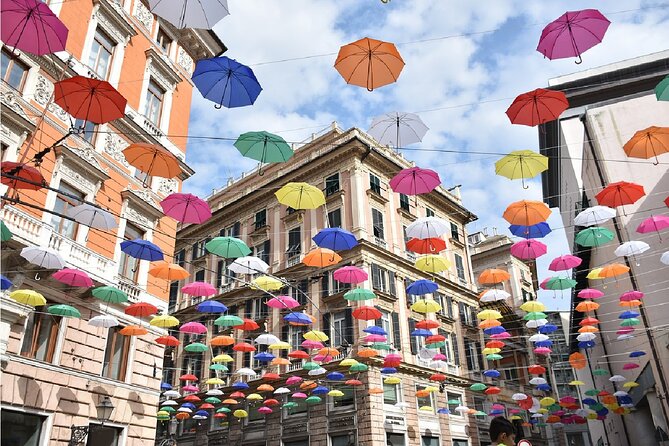
Casa di Cristoforo Colombo is the birthplace/house-linked stop for Christopher Columbus, and it shifts the story toward global exploration. It’s about 15 minutes, and it gives you a tangible connection to the famous name—without turning the tour into a museum marathon.
One key detail: admission here is not included. So build a little extra money (and a bit of time buffer) if you want to go inside rather than just view from the outside.
This is also a smart checkpoint for pacing. If you’re getting tired, it’s easy to take a slower beat here, knowing the tour keeps moving toward lighter, open squares afterward.
Pozzo di Giano: The Mythical Well That Changes How You See Genoa
Not every Genoa stop is about famous buildings. Il pozzo e il busto di Giano (Pozzo di Giano) brings in mythology tied to Janus, the Roman god often associated with beginnings and transitions.
This is one of those moments where a guide’s storytelling matters more than the object itself. The well is physical, but the meaning is what makes it stick—suddenly you’re looking at the city like it has layers of belief, not just layers of stone.
It’s also a nice “mental break” stop. You can stand, listen, and let the guide explain how the city’s mythology and geography connect.
Piazza San Giorgio: A Real Pause With Real City Life
After the denser stretches of old town, Piazza San Giorgio gives you breathing room. You get a calm square feel, with the church area anchoring the scene, plus the kind of café energy that makes this part of Genoa feel lived-in.
This stop runs about 15 minutes, and it’s usually a good time to slow down, re-check where you are, and decide if you want a snack later. Even if the tour doesn’t center on food every time, Genoa is a city where it’s worth staying hungry for the right bites.
Tip: if you’re sensitive to uneven walking, this square stop is where you can catch your breath before the later church stop.
Il Cittadino (San Lorenzo Cathedral Area): Gothic Meets Romanesque
Next is Il Cittadino / Cattedrale di San Lorenzo, a major cathedral stop with Gothic and Romanesque architecture elements. You’ll spend about 15 minutes, which is plenty to appreciate the façade details and step inside for the atmosphere.
Cathedrals can be overwhelming on your own. A guide helps you spot the shapes and features that you might otherwise miss when you’re just trying to find the entrance and take pictures fast.
If you want to get the most from this stop, linger in one place long enough to let your eyes adjust. The interior mood is part of the point, not just the building’s exterior.
Piazza Banchi and Surprise Lanes: Where the Local Feel Lives
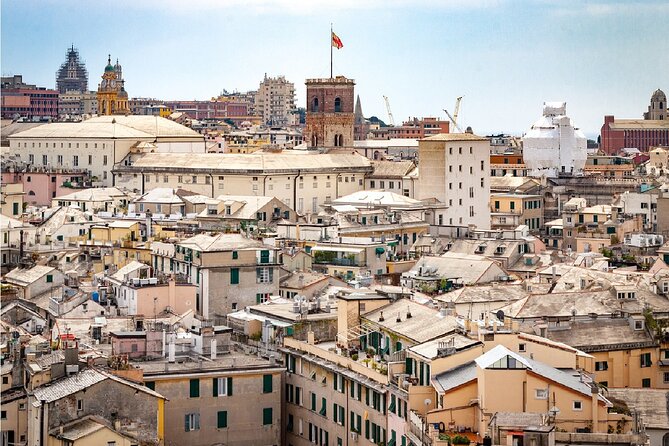
Finally, you reach Piazza Banchi. This is where the tour’s “Genoa vibe” tends to show up—less about formal monuments and more about the city’s daily rhythm and street textures.
The tour also hints that there will be a few more stops as a surprise. That’s the part that often makes the walk feel less like a checklist and more like a guided wander, especially when you’re moving through narrow passages and less-traveled connections.
Some groups also end up with small local-food moments. In at least some cases, that includes tastes like apéritifs and focaccia, which can be a fun way to make the walk feel more than sightseeing.
How the Pace Works in Two Hours (and Who It Fits)
This walk is designed to be doable: about 2 hours with a capped group size. The route uses multiple 15-minute stop blocks, which keeps the day from dragging.
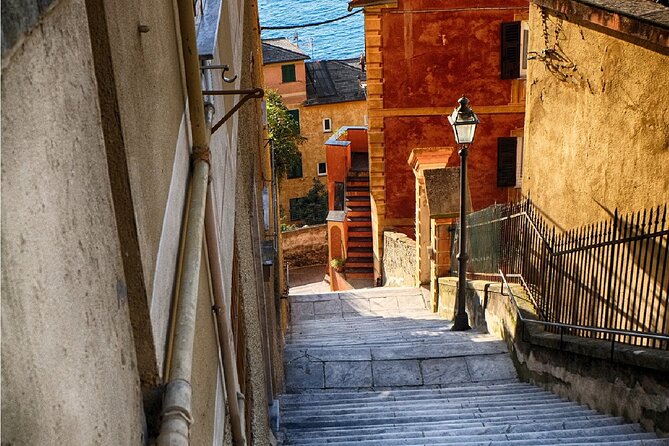
Still, the old-town physical reality is real. Expect stairs, hills, and uneven cobblestones, so this is best for people who can handle short climbs without needing frequent long breaks. In the nicest scenario, you move at a steady pace and you can ask questions along the way; in a tougher scenario, you’ll feel the stones.
The good news is that the format supports interaction. When your group is small, a guide can slow down when someone needs it, and you can chat without losing the whole pack.
Price and Value: What $32 Buys You in Genoa
At $32 per person, you’re paying for three things: a local guide, a structured route, and time savings. Genoa’s center can be confusing if you’re wandering without a plan, and the tour reduces that guesswork fast.
Most stops list free admission (Piazza De Ferrari, Palazzo Ducale, Porta Soprana, Pozzo di Giano, Piazza San Giorgio, and the cathedral stop). The big exception mentioned is Casa di Colombo, where admission is not included. That means your total day cost may rise a bit if you choose to go inside there.
Gratuities are optional and not built into the price, so plan for that if you want to tip a guide who keeps things smooth and engaging.
Meeting Logistics That Actually Help You Enjoy the Tour
This experience uses a mobile ticket, and the meeting spot is near public transportation, which matters in a city where you might otherwise lose time figuring out the right street.
It also ends back at the starting point, so you don’t need to reorganize your plans mid-day.
One more practical thought: keep a little buffer around the start time. A few people have reported guide lateness, so if you have a tight ticket window elsewhere, build in slack.
And if your tour includes sampling drinks, ask about costs ahead of time. Some reports mention that sample pricing wasn’t always made obvious.
Should You Book This Genoa Walk?
Book it if you want a first-time-friendly orientation plus stories that make the old streets feel connected. The mix of major sights (Palazzo Ducale, Porta Soprana, the cathedral) and the myth-and-meaning stops like Pozzo di Giano is exactly the combo that helps Genoa click.
Skip it or choose a different option if you strongly dislike stairs, hills, and cobblestones, or if your schedule is so tight you can’t absorb a late start or a route adjustment. Also think twice if you don’t want any extra-paid admission, since Casa di Colombo isn’t included.
If you’re the type who likes to ask questions, take a few photos, and get local food suggestions afterward, this tour is well matched to you.
FAQ
How long is the Genoa walking tour?
It’s about 2 hours.
What group size should I expect?
The tour is capped at 15 participants per guide maximum, and the overall activity can have up to 30 travelers.
Is the tour offered in English?
Yes, the tour is offered in English.
Where is the meeting point?
You meet at Piazza Raffaele de Ferrari, 1, 16121 Genova GE, Italy.
Where does the tour end?
It ends back at the meeting point.
Is admission to all stops included?
Most stops list free admission, but Casa di Cristoforo Colombo has admission not included.
What’s included in the $32 price?
You get a 2-hour guided walking tour with a professional tour guide.
Is a mobile ticket provided?
Yes, the tour uses a mobile ticket.
Are service animals allowed?
Yes, service animals are allowed.
What are the cancellation and refund rules?
You can cancel for a full refund if you cancel at least 24 hours in advance. If you cancel less than 24 hours before the start time, the amount paid is not refunded.