Florence makes sense fast on foot. In about 2 hours 30 minutes, you get a guided loop that turns scattered landmarks into a clear map of how the city is laid out. I like that the walk focuses on famous places and then adds context so you know what you are looking at as you go.
My favorite part is the value: it is priced very low, and the format is built around a voluntary tip at the end. I also like that you are in a very small group (up to 4 people), which usually makes questions easier and the experience feel more personal. One possible drawback: a few people noted that it can be hard to hear at times due to microphone or delivery issues, so you may want to stay close to the guide.
In This Review
- Key Things to Know Before You Go
- Why a 2.5-Hour Florence Walk Helps on Day One
- Meeting in Piazza dell’Unità Italiana and Finishing Near the Sights
- The Full Route: From Medici Chapel to Santa Croce Square
- Stop by Medici Chapel, Medici Riccardi Palace, and San Lorenzo Church
- San Lorenzo Market as a Contrast Stop
- Duomo Cathedral and The Baptistery Views
- Repubblica Square and Orsanmichele Church for City-Scale Sense
- Porcellino and Signoria Square for the Big-Photo Moment
- Uffizi (External) and Ponte Vecchio for the River Crossing Feel
- Santa Croce Square to Close the Loop
- How the Guide Turns Landmarks Into a Real Map
- Price and Group Size: Why This Feels Like a Deal
- Comfort, Sound, and Timing on a Florence Street Walk
- When This Tour Is a Smart Fit (and When It Isn’t)
- Should You Book This Florence Walking Tour?
- FAQ
- FAQ
- How long is the Florence walking tour?
- What does the tour cost?
- Where does the tour start?
- Is the tour in English?
- Do you see the Uffizi inside, or is it outside only?
- Does it include admission tickets?
Key Things to Know Before You Go
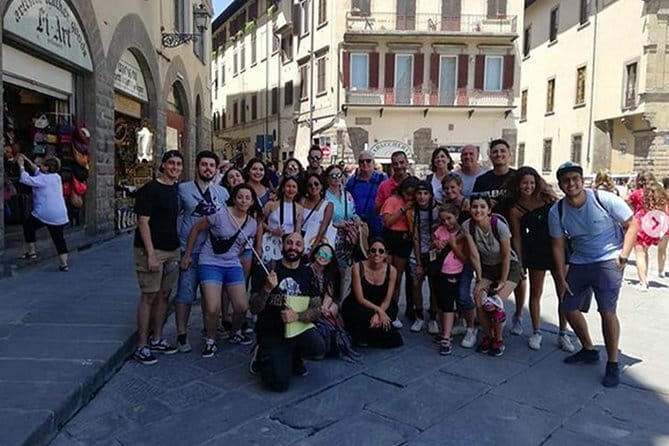
- Small group size (max 4) helps you follow along and ask questions.
- 2.5-hour orientation means you can plan the rest of your Florence days faster.
- Major sights in one route from Medici Chapel through Signoria Square, Ponte Vecchio, and Santa Croce Square.
- English-only guide with a strong focus on local stories and site explanations.
- Mobile ticket makes check-in simpler.
- Free admission ticket listed suggests you are mostly seeing the key sights from the outside during the walk.
Why a 2.5-Hour Florence Walk Helps on Day One
Florence can feel like a greatest-hits album once you are there. The trick is avoiding the trap of seeing everything and remembering almost nothing. This tour helps you get your bearings fast by linking the city’s biggest landmarks into one logical path.
I also like how the format is built for real orientation. You are not stopping for every museum ticket or long sit-down moment. Instead, you are walking, looking, and learning the “why this place matters” connections that make later visits easier.
The other win is pacing. Most people can participate, and the tour is short enough to fit smoothly into an arrival-day afternoon or a pre-dinner stroll. If your schedule is tight, this is a smart way to get the big picture before you start choosing where to spend more time.
You can also read our reviews of more walking tours in Florence
Meeting in Piazza dell’Unità Italiana and Finishing Near the Sights
Your start point is Piazza dell’Unità Italiana, 50123 Firenze FI, Italy. That matters because it gives you a fixed anchor. When you are new to the city, having a clear starting square cuts down on early confusion and wasted minutes.
The end point is different from the start. The activity finishes in another location, which you can treat as a benefit: you should end closer to the areas you will likely want to revisit. It also means you can plan your next move around where you finish, instead of doubling back across town.
Also note the practical stuff that helps on the street: the tour is near public transportation, and service animals are allowed. If you are traveling light, this setup is friendly.
The Full Route: From Medici Chapel to Santa Croce Square
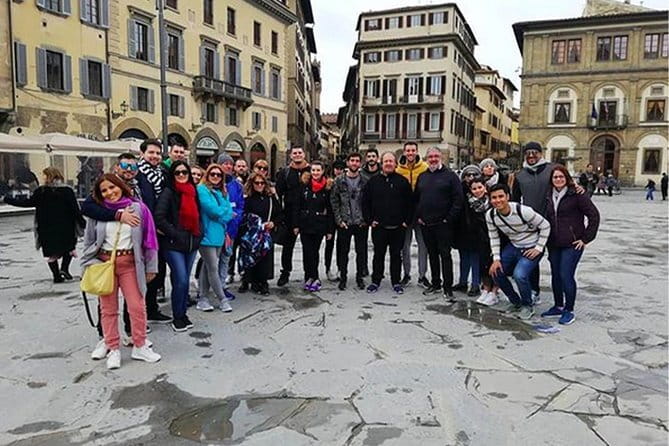
This walk is designed as a highlight chain, moving from one iconic zone to the next. The order you visit places can shape how the city clicks, and this route hits the core sights most people come to see.
Here’s what you can expect as you move along the route, plus what to watch for and a couple of things to keep in mind.
Stop by Medici Chapel, Medici Riccardi Palace, and San Lorenzo Church
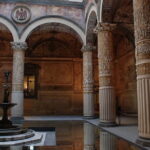
You start with the Medici Chapel area and then move through the Medici Riccardi Palace and San Lorenzo Church zone. These stops are useful because they set up Florence’s identity early in the walk. You will get explanations that connect the names you have heard back home to the streets you are standing on.
What I’d do here: take a few minutes to look up and around before you rush onward. You are building the “mental map” of the city, and early landmarks anchor the rest of the route.
Consideration: if you are hoping for deep inside viewing of every site, the walk format may feel more exterior-and-street-focused. The tour does list admission ticket free, which hints that the experience is more about orientation than full entries.
San Lorenzo Market as a Contrast Stop
Next is San Lorenzo Market. This is a good moment to shift from monument mode to everyday city energy. Even if you do not plan to shop, markets help you understand where people flow and how crowds form around the sights.
If you want to use the tour well, treat this stop as a reference point for later. After you see how it sits in the walk, you can decide whether to return for snacks, souvenirs, or just a slower wander.


Duomo Cathedral and The Baptistery Views
Then you hit the Duomo Cathedral and The Baptistery. These are the kinds of landmarks that can feel overwhelming when you first arrive. With a guide, you get a structured look: what to notice, how to frame photos, and how the area fits into the broader city layout.
Practical tip: the Duomo and Baptistery zone often creates bottlenecks. If the group slows, that is normal. Stay patient, keep your footing on uneven pavement, and let the guide manage the flow.
Repubblica Square and Orsanmichele Church for City-Scale Sense
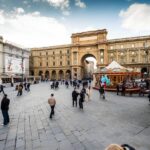
Next comes Repubblica Square, followed by Orsanmichele Church. Squares teach you how Florence organizes space around movement. Church stops help you see how the city’s spiritual and public life overlaps with its street plan.
If you want to use this tour like a tool, pay attention here. The explanations you get in the square and church stops usually give you a framework for understanding why later stops look the way they do.
Porcellino and Signoria Square for the Big-Photo Moment
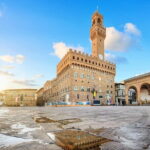
You will also see Porcellino and then Signoria Square. This segment is a classic Florence “wow” stretch, and it is also where orientation really matters. Once you can picture this area, the rest of the day becomes easier because you know where you are in relation to the river and the main corridors.
A small group can help here. With only a few people, the guide can point out details without losing time to large-group logistics.
Uffizi (External) and Ponte Vecchio for the River Crossing Feel
You get Uffizi (external) and then Ponte Vecchio. The Uffizi stop being listed as external is important. You are getting the location and city context rather than a full museum experience in the middle of the walk. That is good if you already plan to choose your museum day based on time and ticket strategy.
Then you hit Ponte Vecchio, which tends to be one of Florence’s most recognizable transitions: the bridge brings instant atmosphere. It is the kind of stop that makes the walk feel complete because it ties the city’s central landmarks to the river setting.
If you like photos, this is where you will naturally slow down. Just remember that bridges can mean crowd density, especially at popular times.
Santa Croce Square to Close the Loop
The last named stop is Santa Croce Square. Ending here gives you a strong “final landmark” so your tour does not just end in transit. It feels like a wrap-up point you can mentally hold onto while you plan the rest of your stay.
I like ending on a square because it makes the end feel useful. You can step away from the group and instantly decide if you want to continue walking, sit down, or head toward a dinner spot nearby.
How the Guide Turns Landmarks Into a Real Map
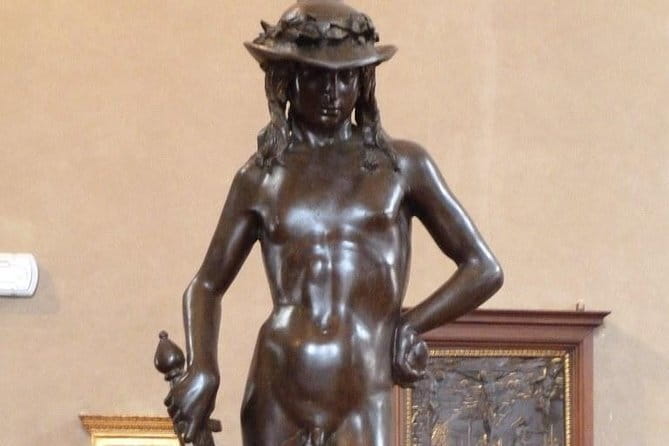
A walking tour only works if it connects. This one is built for that connection: the guide explains history and local stories while you cover the city’s most famous sights.
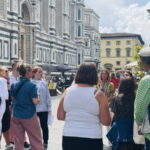
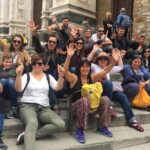
The best part, based on the people who did this with different guides, is the variety of personalities. Names that came up strongly include Manuel, Elizabeth, Armando, Deb, Simone, Alessandro, Gino, and Barbara. I’m pointing this out because it tells you the experience is not a one-note script. Different guides seem to bring their own local angle, jokes, and pacing.
Several comments also mention practical add-ons: restaurant recommendations, and help with getting around Florence. That is exactly what you want from an orientation walk. A great guide does not just say what you are seeing; they help you decide what to do next.
Also pay attention to the “how to visit” mindset. If you book this near the start of your trip, you can use it as a shortlist builder. You will likely leave knowing which sights you want to revisit with tickets, and which areas you just want to admire from the street.
Price and Group Size: Why This Feels Like a Deal

The listed price is $3.63 per person, and the tour runs about 2 hours 30 minutes. That price is the kind of cost where you stop thinking about it as an expense and start thinking about it as insurance. You are buying orientation, context, and a guide to answer the questions that pop up when you see a place in person.
The format also matters: it is described as a low-cost option with a voluntary tip at the end. When a tour is designed that way, it often means you are not paying for heavy ticket costs built into the price. That usually makes the experience feel fair and flexible for different travel budgets.
Small groups help, too. With a maximum of 4 travelers, you are less likely to get lost behind a sea of people. You also tend to hear the guide better when everyone is closer together, though there is one caveat below.
Comfort, Sound, and Timing on a Florence Street Walk
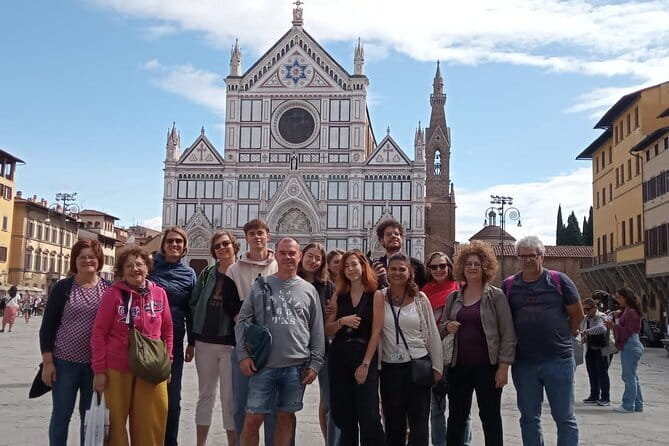
On paper, the tour is simple. On the street, your comfort depends on two things: audio and movement.
One concern that shows up: hearing can be tricky if the guide’s audio system is not clear or if delivery is fast. Another issue mentioned is that heavy accent or rapid pacing can make certain details slip by. This is not uncommon on group walking tours, especially outdoors.
So here is how I’d handle it:
- Try to position yourself closer to the guide.
- If something is unclear, ask right away rather than waiting.
- Bring realistic expectations: you are not taking a classroom lecture; you are catching the highlights that connect the day.
Timing is the other consideration. The tour runs in good weather and has an outside-walk format. If weather changes, the operator may offer a different date or a refund. You should also keep an eye out for schedule updates close to departure, since at least one person reported a time change they did not catch.
When This Tour Is a Smart Fit (and When It Isn’t)
This tour is best if you want three things:
- Orientation in a short window
- A guided route through major sights
- Practical advice for what to do next
I especially like it for arrival day, because it gives you direction and reduces stress later. It is also a good match if you prefer walking over public transit for part of the day, since the tour is designed for on-foot exploration.
Where it might not fit: if your main goal is deep museum time or long indoor visits. This walk lists admission ticket free and includes Uffizi (external), which signals that you are seeing famous places as part of a route rather than spending the tour inside major attractions.
In other words: this is for people who want to understand Florence’s layout and key highlights quickly, then choose deeper visits on their own afterward.
Should You Book This Florence Walking Tour?
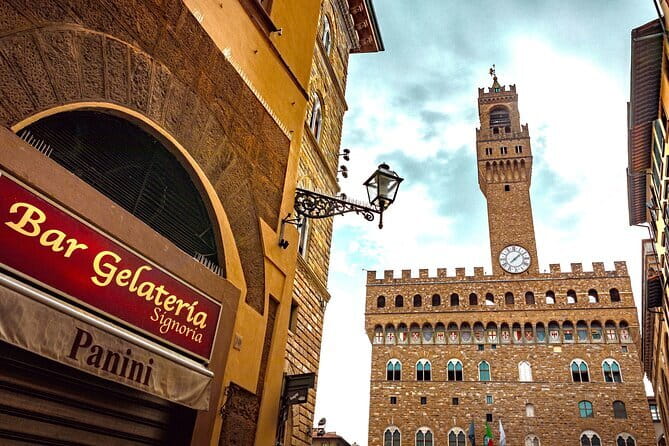
I would book it if you are the kind of person who likes a first-day plan. The combination of short duration, small group size, and a route that hits landmarks like Signoria Square and Ponte Vecchio makes it a solid orientation tool.
I’d also book it if you care about local guidance beyond facts—tips on where to eat, how to get around, and what to prioritize. Guides like Armando, Alessandro, Elizabeth, and others come up as favorites for a reason: they tend to keep the walk lively and useful.
Skip it if you expect guaranteed, crystal-clear audio from the back of the group or if you want a tour that functions like a museum day. With walking tours, you control the listening position, but you cannot fully control street conditions.
FAQ
FAQ
How long is the Florence walking tour?
It runs for about 2 hours 30 minutes.
What does the tour cost?
The listed price is $3.63 per person.
Where does the tour start?
The meeting point is Piazza dell’Unità Italiana, 50123 Firenze FI, Italy.
Is the tour in English?
Yes, it is offered in English.
Do you see the Uffizi inside, or is it outside only?
It includes Uffizi (external), so you are viewing it from outside as part of the walk.
Does it include admission tickets?
The tour lists admission ticket free, and the itinerary includes several major sights, including exterior viewing.