REVIEW · FLORENCE
Florence: Renaissance and Medici Tales Guided Walking Tour
Book on GetYourGuide →Operated by Tour-Tale · Bookable on GetYourGuide
Florence can feel like a stage set until someone explains the script. This guided walk strings together Medici power and Renaissance design across the city’s most famous landmarks, so you see more than stone—you see motives, symbols, and ambition.
I especially like how the tour turns big sights into a clear story arc, with guides such as Chiara, Michele, Glenda, and Angela described as strong storytellers who keep history human and easy to follow. I also like that you don’t finish at another monument—you end near the Uffizi area with practical suggestions on where to eat, drink, and shop.
One consideration: it’s a rain-or-shine walking tour, and since the base price is very low, you should plan on tipping your guide with cash.
In This Review
- Key things that make this tour worth your time
- Where the tour starts: San Lorenzo square and the feel of Florence
- Palazzo Medici Riccardi: power, patronage, and why the Medici mattered
- Duomo complex, Giotto’s bell tower, and Brunelleschi’s dome: engineering you can actually picture
- House of Dante: literature as a street-level landmark
- Palazzo Vecchio and Piazza della Signoria: civic Florence in stone
- Ponte Vecchio: closing the loop with a classic bridge
- Finish near the Uffizi: turn history into your next meal and shop stop
- Price and value: $2.36 isn’t the point—what you buy is context
- What you should bring (and why it affects how much you enjoy it)
- Who this walking tour is best for
- Should you book this Florence Renaissance and Medici walking tour?
- FAQ
- How long is the Florence Renaissance and Medici Tales guided walking tour?
- Where do I meet the guide?
- What sites are included on the route?
- What languages are offered for the live guide?
- Is the tour wheelchair accessible?
- Does the tour run in bad weather?
- What should I bring?
- Is tipping expected?
- Can I cancel for a refund?
Key things that make this tour worth your time
- Medici intrigue on your walking route: politics, patronage, and street-level clues to power
- Exterior-focused sight stops that make sense together: Duomo, bell tower, dome, and civic buildings
- Symbols you learn to read as you pass them, not after you’re already done looking
- Local recommendations at the end: food, drinks, and shopping pointers from a working Florentine
- A guide-led orientation that’s especially useful if it’s your first day in town
Where the tour starts: San Lorenzo square and the feel of Florence
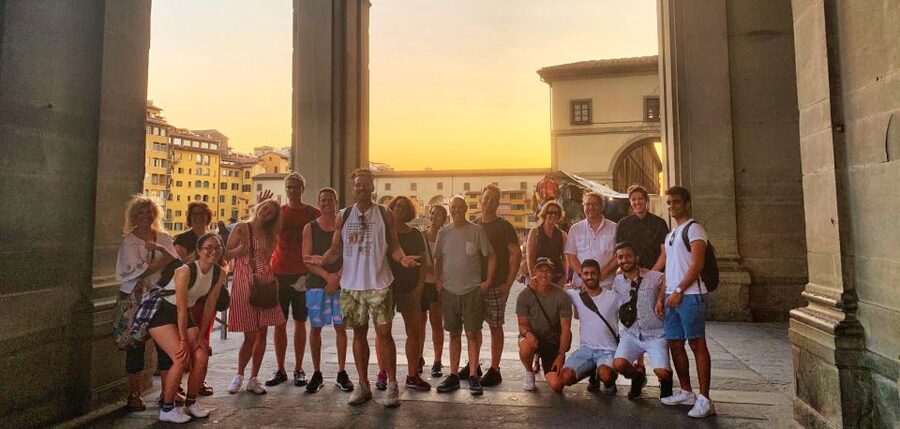
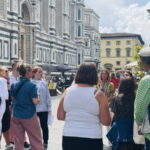
You meet at Florence Free Tour-Tale, looking for a green umbrella in front of the stairs leading to the main entrance of San Lorenzo Church. This matters more than you might think. Starting here puts you in an area where Florence’s architecture starts telling two stories at once.
San Lorenzo is a smart “orientation” opener because you can see the distinct mix of architectural styles around the complex right away. That helps you understand what you’re looking at later in the walk, when the Renaissance idea shows up again and again—sometimes as design, sometimes as propaganda, sometimes as both.
If you’re thinking: I’ll just wing it and stroll between monuments—this start changes your approach. You get a map in your head. Streets stop feeling random.
You can also read our reviews of more walking tours in Florence
Palazzo Medici Riccardi: power, patronage, and why the Medici mattered
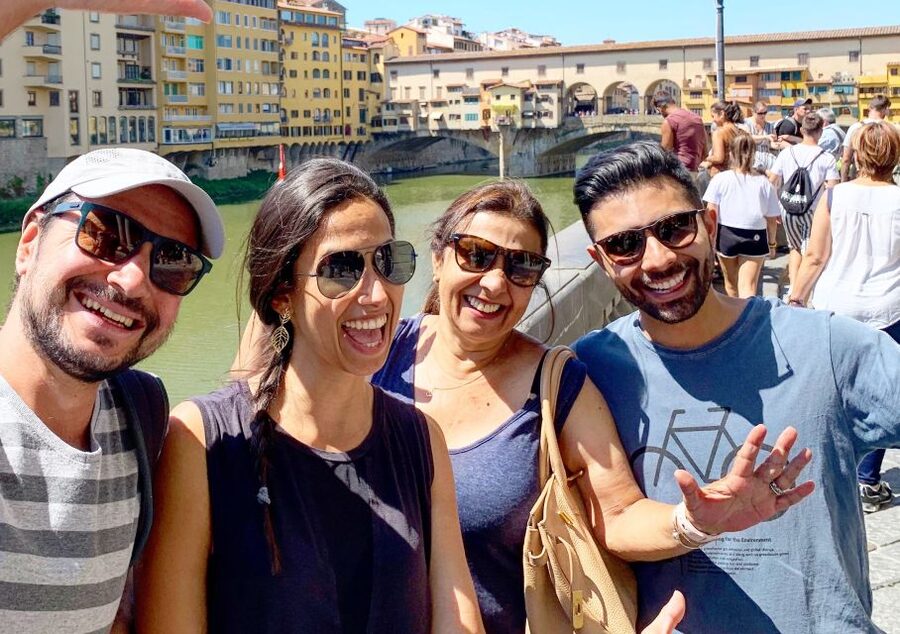
After the opening stretch, the walk moves into the heart of Medici influence, with stops that connect the family to buildings you’ll pass anyway. The core theme is simple and compelling: the Medici were not just collectors. They were operators. They shaped Florence through intrigue and by backing the artists and architects who built the city’s image.
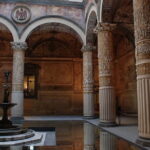
Palazzo Medici Riccardi is the kind of stop where the guide’s job is to slow you down. You’re not just staring at a façade. You’re learning what the power structure wanted to say, and how family ambition could become public artwork.
A nice bonus here is how this tour frames Florence as a “cradle” moment for the Renaissance. When someone explains who funded what—and why—you start spotting connections between art, architecture, and rule.
Practical note: this is a walking tour, so you’ll appreciate it most if you’re comfortable reading details while people move around you.
Duomo complex, Giotto’s bell tower, and Brunelleschi’s dome: engineering you can actually picture
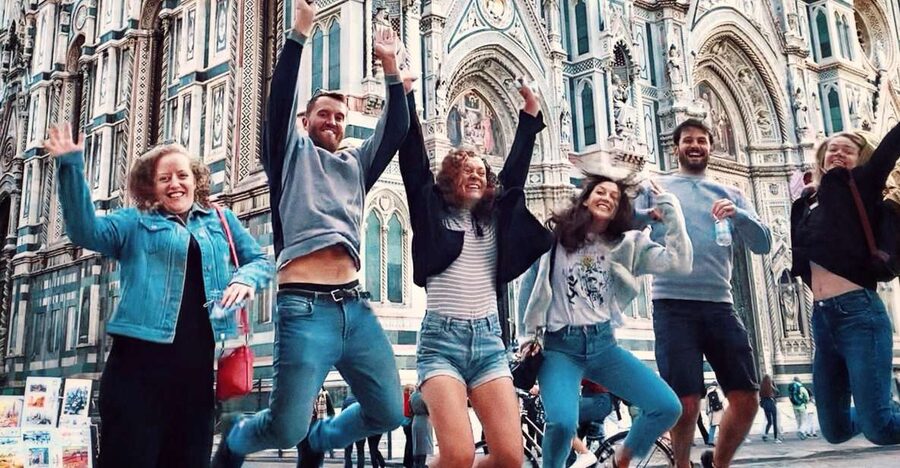
Florence’s skyline can feel like a postcard. This part of the tour makes it feel like a construction story.
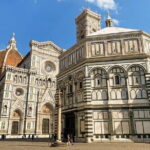
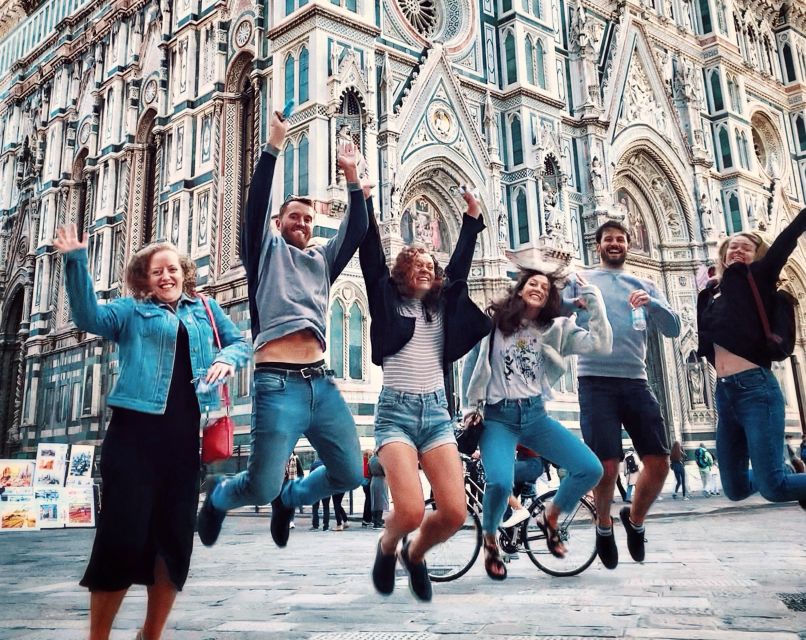
You’ll focus on the Duomo complex and related landmarks, including Giotto’s Bell Tower and Brunelleschi’s Dome. The best value here is the way the guide helps you understand what makes the dome so iconic—without turning it into a lecture. You learn the “why” behind what you’re seeing, plus how the surrounding buildings fit into the bigger plan.
Even if you’re not going inside major sites, exterior viewpoints work. The shape, proportions, and placement become easier to read when you know what to look for—like the logic of elevation and the dramatic effect of a dome dominating a skyline.
One more small advantage: this is a tour where symbols get explained as you encounter them. So when you see decorative elements and design cues on the Duomo complex area, you’re not guessing what they mean.
House of Dante: literature as a street-level landmark
Next comes the House of Dante, and this stop is a reminder that Florence wasn’t only about architecture. It was also about ideas that traveled through language.
In a short walking format, Dante can sound like a random cameo. The guide’s job is to link him to Florence’s cultural role—so the person becomes part of the city’s identity rather than a name on a museum plaque.
This is also a good moment to slow down if you like when history shows up as everyday geography. Dante’s presence in the city helps you feel how deeply the Renaissance depended on more than artists—it depended on writers, thinkers, and public reputation.
If crowds are heavy, you’ll still get value here because the story helps you focus on what you’re seeing instead of just pushing forward with everyone else.
Palazzo Vecchio and Piazza della Signoria: civic Florence in stone
Now you shift from Medici influence into the broader civic engine that made Florence matter. You’ll see Palazzo Vecchio, then continue through Piazza della Signoria and Loggia dei Lanzi.
This section works well because it shows you Florence’s power structure at street level. Palazzo Vecchio isn’t just an impressive building. It’s a statement about governance, legitimacy, and authority. Once you understand that, the surrounding public spaces feel less like open plazas and more like stages where power was performed.
Piazza della Signoria adds atmosphere fast. It’s the kind of place where you can stand for a minute and start recognizing why Florence’s art became public. The city didn’t hide prestige behind palace walls—it used public space.
Loggia dei Lanzi continues that idea. The guide helps decode symbols you encounter along the way, which turns this into more than a photo stop. You’re learning how the city “talked” to itself through design.
You can also read our reviews of more guided tours in Florence



Ponte Vecchio: closing the loop with a classic bridge
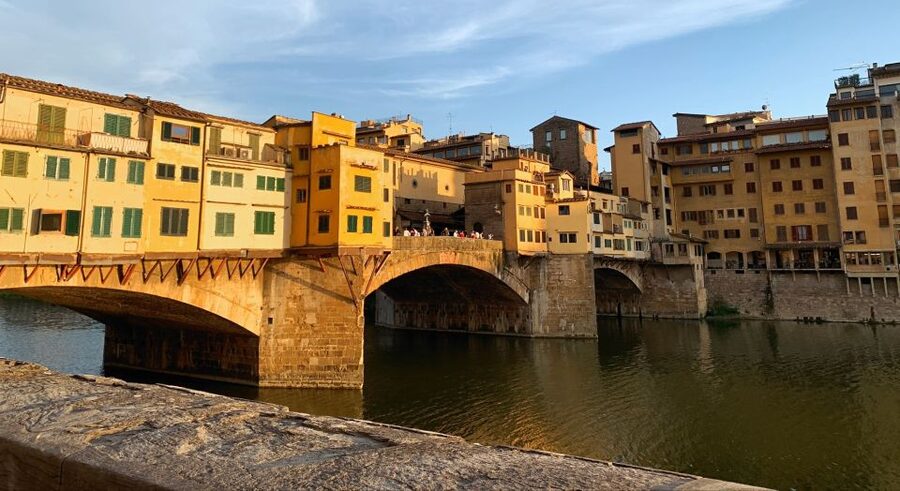
You end the core sightseeing run at Ponte Vecchio. This bridge is a familiar stop on any Florence plan, but what makes it work inside this tour is the way everything before it has given you context.
When you reach the bridge after palace and civic square stories, you understand the city’s layout better. The walk has already explained power networks and cultural identity, so the bridge feels like a practical connector—not just a postcard.
For many people, Ponte Vecchio is also where the tour becomes a little more relaxed. You can take photos, pause for a drink later, and let your brain organize what it learned.
Finish near the Uffizi: turn history into your next meal and shop stop
You wrap up outside the Uffizi Gallery. That ending is smart. You’re done with the guided “what to know,” and you’re positioned near a major art destination where your day can branch into museums, galleries, or just wandering with better instincts.
One of the most useful parts of this tour is that you get expert advice on how to eat, drink, and shop like a local. This is the kind of guidance that saves time when you’re hungry and deciding fast—especially if you’re in Florence for just a couple of days.
If your plan includes the Uffizi itself, this finish helps you schedule mentally. If your plan is to skip the museum, the tour still gives you enough orientation to wander around this area with purpose.
Price and value: $2.36 isn’t the point—what you buy is context
The listed price is $2.36 per person, and it’s the kind of number that can look suspiciously low. But in a walking-tour model like this, the real value is what you leave with: a guided explanation across multiple major sites in about two hours, with someone translating the city’s “code” for you.
In other words, you’re paying for an efficient learning shortcut:
- You don’t spend your first day trying to guess what each building represents.
- You see a chain of places tied to one theme: Renaissance birth and Medici influence.
- You get practical suggestions at the end so you don’t waste energy on tourist traps.
One more real-world tip: plan to bring cash to tip your guide. People specifically recommend this, and it’s a big part of making a low base price feel fair for the work you’re getting.
What you should bring (and why it affects how much you enjoy it)
This tour runs rain or shine, so pack like it’s spring weather that can change its mind quickly. At minimum:
- Comfortable shoes (you’ll be walking across central Florence)
- Water
- Camera
- Weather-appropriate clothing
If you’re the type who takes lots of photos, also protect your hands and keep your camera accessible—you’ll get the most from explanations when you can look at the details immediately.
A small equipment comfort: some guides use a microphone setup so you can hear clearly, which matters in busy areas with narrow streets and lots of background noise.
Who this walking tour is best for
This is ideal if:
- It’s your first day in Florence and you want an instant orientation
- You care about how art and power connect, not just what a building looks like
- You want a story-driven plan that works even if your group doesn’t all love museums
- You’d like practical advice for meals and shopping in addition to sightseeing
It might not be your best match if you:
- Hate walking or need long indoor breaks
- Want a ticketed museum experience as the main event (this tour focuses on guided viewing and context, not full museum time)
Should you book this Florence Renaissance and Medici walking tour?
I’d book it if you want Florence to make sense fast. A 2-hour walk that connects Medici tales, Renaissance symbolism, and the Duomo engineering story is exactly the kind of “front-load your knowledge” move that makes the rest of your trip better.
I’d skip it only if you’re already comfortable interpreting Florence’s key sites and you’d rather spend your time inside museums instead of on the streets.
If you do book: bring good shoes, keep an eye out for the green umbrella at San Lorenzo, and carry a bit of cash for tipping. Then let the guide do what they’re best at—turning monuments into a story you can remember.
FAQ
How long is the Florence Renaissance and Medici Tales guided walking tour?
The tour duration is listed as about 2 hours, and it’s also shown with a 2.25-hour tour length in the description.
Where do I meet the guide?
Meet at Florence Free Tour-Tale. Look for the green umbrella in front of the stairs that lead to the main entrance of San Lorenzo Church.
What sites are included on the route?
You’ll see or stop at the Basilica of San Lorenzo area, Palazzo Medici Riccardi, the Duomo complex area, Giotto’s Bell Tower, Brunelleschi’s Dome, the House of Dante, Palazzo Vecchio, Piazza della Signoria, Loggia dei Lanzi, Ponte Vecchio, and you finish outside the Uffizi Gallery.
What languages are offered for the live guide?
The live tour guide offers Spanish and English.
Is the tour wheelchair accessible?
Yes, the tour is wheelchair accessible.
Does the tour run in bad weather?
Yes. The tour takes place rain or shine.
What should I bring?
Bring comfortable shoes, a camera, water, and weather-appropriate clothing.
Is tipping expected?
This is a pay-what-you-want style walking tour, and you should plan to bring cash to tip your guide.
Can I cancel for a refund?
Yes. Free cancellation is available up to 24 hours in advance for a full refund.