REVIEW · GDANSK
Gdańsk City Sights & History Guided Walking Tour in English
Book on GetYourGuide →Operated by Walkative Tours · Bookable on GetYourGuide
Gdańsk history comes at street level. This 150-minute English walk connects WWII turning points with the long road to independence, told as you move through the same streets the kings used. Along the way, you get architecture, rivers-and-canals views, and the city’s Polish, Dutch, and German mix in one practical route.
I especially love two things: the stop at St. Mary’s Basilica for its massive brick Gothic presence, and the harbor moment at the Zuraw crane, where you can really see how trade shaped the city. If you’re into photos, the Neptune fountain on Long Market also gives you an instant postcard payoff.
The only real drawback to plan for is that this is a general walking tour route, so group size can vary and some corners get tight—especially when the weather is cold and you want to stop for pictures.
In This Review
- Key Highlights You’ll Notice Fast
- Finding Your Start Point: Golden Gate and the Kings’ Route
- Long Market and Neptune Fountain: The Merchant Power Center
- St. Mary’s Basilica: Gothic Brick That Actually Feels Huge
- Zuraw Treadwheel Crane: The Harbor’s Working Past
- How WWII Gets Told Without Turning Into a Lecture
- Solidarity, Independence, and the City’s Long Memory
- The Walk in Real Terms: 150 Minutes on Foot
- What the Guide Adds (And Why Names Like Sandra, Tufi, and Marcin Keep Coming Up)
- Price and Value: Why $26 for 2.5 Hours Can Be a Smart Buy
- Logistics That Actually Matter for Your Comfort
- Quick Tips to Make This Tour Work for You
- Should You Book This Gdańsk Walking Tour?
- FAQ
- Where is the meeting point for this tour?
- How long is the Gdańsk City Sights & History walking tour?
- Is the tour offered in English?
- Does the tour include hotel pickup and drop-off?
- Is the tour wheelchair accessible?
- Does it run in the rain?
- What should I bring?
- Can I reserve now and pay later, and is there free cancellation?
Key Highlights You’ll Notice Fast
- Golden Gate meetup with a yellow umbrella so you can start without guessing
- Long Market + Neptune fountain for the merchant-town center that made Gdańsk famous
- St. Mary’s Basilica brick Gothic scale and the chance to catch the famous clock moment
- Zuraw treadwheel crane at the harbor and why it’s such a strong city symbol
- WWII beginnings in Gdańsk and the Solidarity story tied to what you’re seeing on the street
Finding Your Start Point: Golden Gate and the Kings’ Route
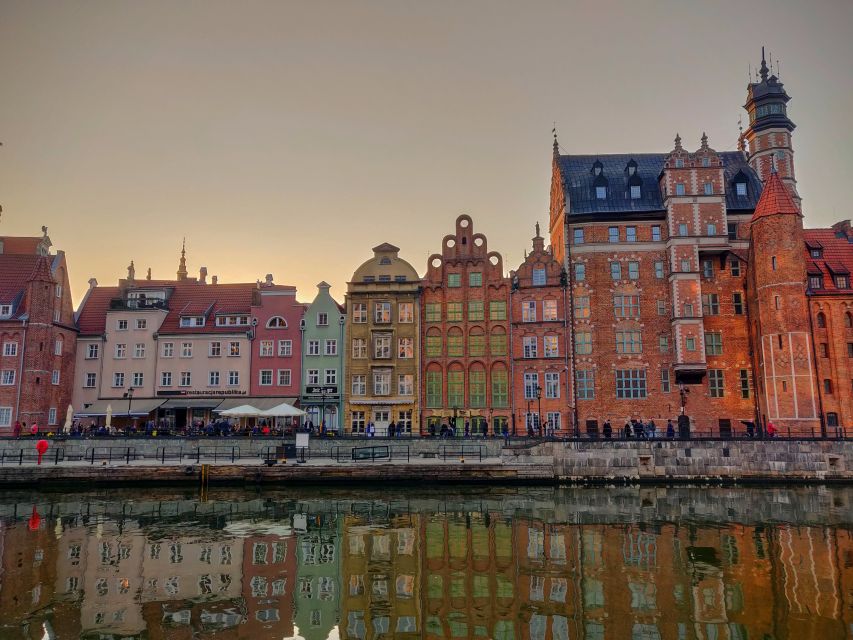
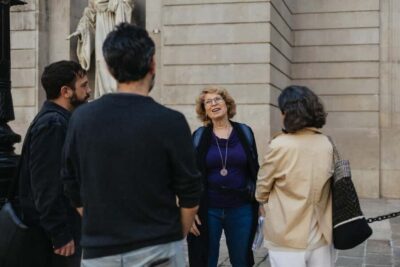
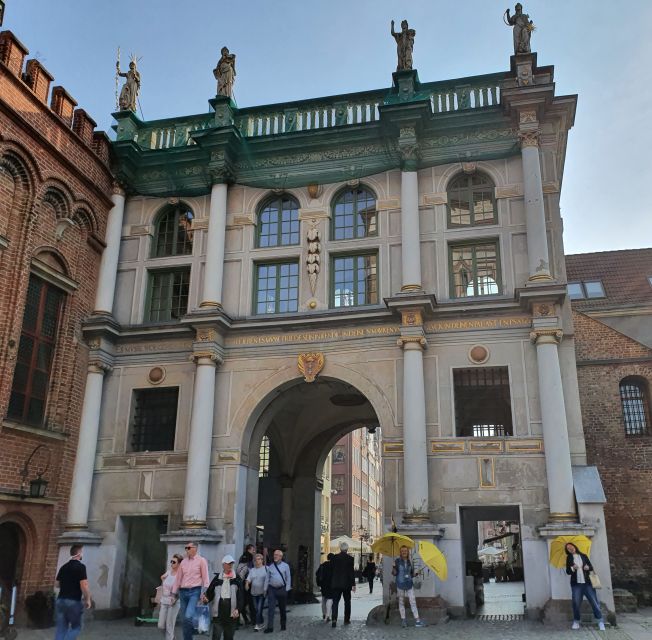
The tour begins at Złota Brama (Golden Gate). Look for the guide carrying a yellow umbrella, and you’ll know you’re in the right spot. From there, you’ll walk through the old-town core along a route that’s been used for centuries.
One thing I like about this start: it gets you oriented early. Golden Gate sits right where you can quickly understand the old city layout, then the walk naturally leads you toward merchant streets, waterfront views, and the monumental buildings that define Gdańsk.
You can also read our reviews of more walking tours in Gdansk


Long Market and Neptune Fountain: The Merchant Power Center
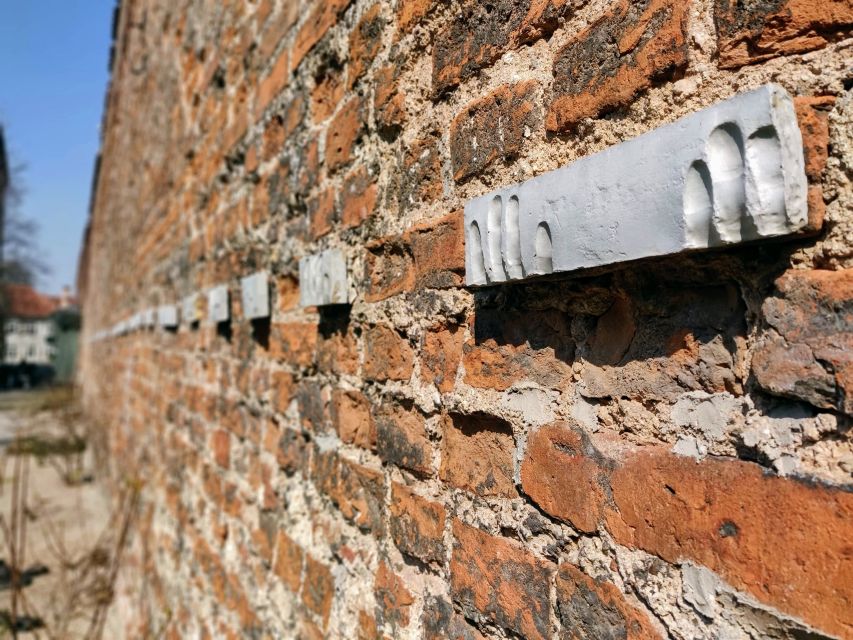
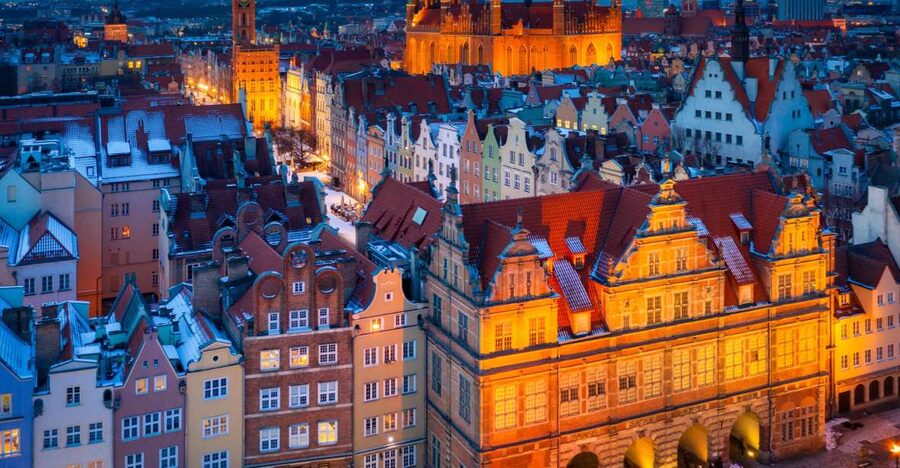
As you head into the Old Town, your guide sets the scene for why Gdańsk mattered on the Baltic. This city was shaped by trade, and the architecture around Long Market reflects that wealth and ambition.
Long Market is a key stop for a reason. It’s not just pretty facades; it’s where you can connect the dots between power, money, and the city’s ability to rebuild after destruction. You’ll also see the Neptune fountain, a bright focal point that helps you picture how people gathered in the center of daily life.
If you’re the kind of traveler who likes to understand what a place once was, this is one of the fastest places to get that “before/after” context. Your guide’s stories about the townhouses—damaged in war and rebuilt with care—make the street feel less like a museum and more like a living city that learned to recover.
St. Mary’s Basilica: Gothic Brick That Actually Feels Huge
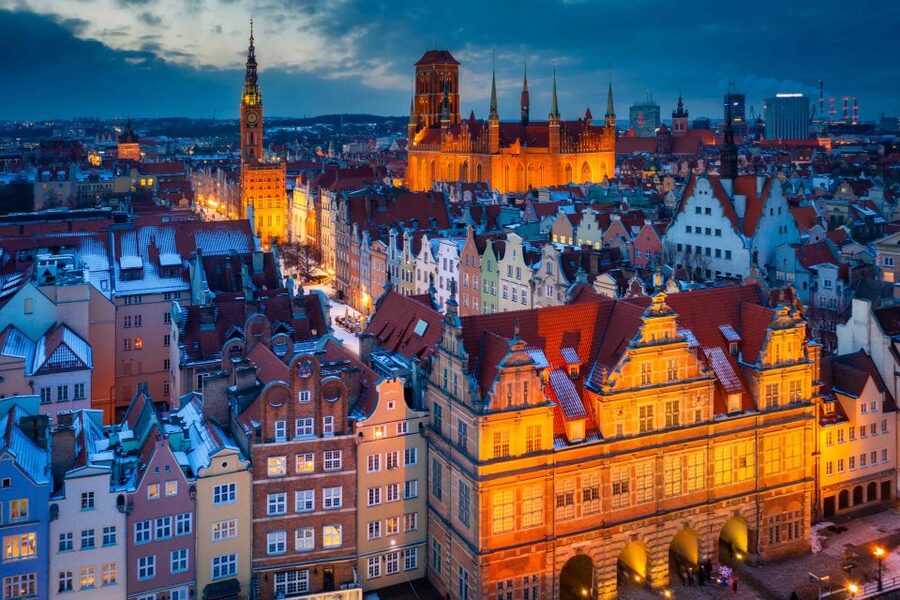
Next comes the big one: St. Mary’s Basilica, the largest brick Gothic church in the world. The scale is hard to put into words until you’re standing there, looking up at the brickwork and feeling how much space it commands.
This stop works well on a guided tour because the guide doesn’t just point out architecture. They help you see why brick Gothic belongs in this part of Europe, and what it signaled about confidence, craftsmanship, and civic pride.
A nice practical touch: guides often time this portion so you can catch the church clock around the noon moment. On cold days, you may also get brief opportunities to warm up indoors or just pause while the guide continues the explanation. If you care about timing a great photo, this is a good stop to be ready with your camera as you approach.
Zuraw Treadwheel Crane: The Harbor’s Working Past
Then you shift from church scale to waterfront scale: the Zuraw (Zuraw crane). This is a medieval treadwheel crane, and it’s known as the largest of its kind—plus it’s a symbol of the city’s harbor life.
What I like here is how the crane changes your understanding of Gdańsk. You stop thinking only about buildings and art, and you start thinking about labor, logistics, and the real mechanics of shipping. The harbor is where “history” stops being abstract.
You’ll also get visual exposure to Gdańsk’s rivers and canals as you walk. That matters because the city’s geography explains why trade flourished here and why conflict hit it so hard later. Even if you only glance at the water at each stop, the guide helps connect those views to the bigger story.
How WWII Gets Told Without Turning Into a Lecture
One of the most memorable parts of this walking tour is how it frames the beginning of WWII in the city. Instead of dropping names into the air, your guide ties events to what you’re seeing—street by street, landmark by landmark.
This approach helps the story stick. When you hear how the war disrupted everyday life and the city’s future, you can look around at the reconstructed townscape and understand that rebuilding was never just cosmetic. It was survival, identity, and politics all at once.
I also appreciate that the tour doesn’t end with WWII. You’ll walk forward into the era when the city continued pushing toward independence, linking Gdańsk’s spirit to later change across the Eastern bloc.
Solidarity, Independence, and the City’s Long Memory
The tour’s independence story connects strongly to Gdańsk’s reputation as a place where civic action matters. Your guide explains how the Solidarity movement signaled the fall of communism in the region, and how the city kept shaping its own direction even under pressure.
This part is valuable because it gives you a timeline that matches the geography. You’re not just collecting facts; you’re building a mental map of how power shifted, how people organized, and why this city became a symbol well beyond its borders.
The Walk in Real Terms: 150 Minutes on Foot
At 150 minutes (about 2.5 hours), the pace is designed to cover major sights without turning into an all-day ordeal. That timing is a sweet spot for most first-time visitors: long enough to understand the layout and major themes, short enough that you can still explore the rest of the city afterward.
Still, plan for weather. The tour runs rain or shine, so you’ll want weather-appropriate clothing and shoes that handle uneven old-town surfaces. Cold snaps can make you grateful for a guide who keeps explanations going in the right spots and allows short pauses when conditions get tough.
What the Guide Adds (And Why Names Like Sandra, Tufi, and Marcin Keep Coming Up)
A huge part of why this tour scores so high is the storytelling style. You’ll hear the city as a sequence of reasons and consequences, not just a list of dates.
Guides you might encounter include Sandra, Tufi (also heard as Twofi), Marcin, Philip, Zosia, Katie, Paul, Isabella, and Sophia. Common strengths in the experiences shared with me: clear English, humor to keep the tone light, and the ability to answer questions without making you feel rushed. That combo matters because it turns a sightseeing walk into a sense-making walk.
Price and Value: Why $26 for 2.5 Hours Can Be a Smart Buy
At about $26 per person for a 150-minute guided walk, you’re paying for a structured route plus an English-speaking guide. In practical terms, that can save you time and avoid the frustration of trying to connect landmarks to the right historical context on your own.
This is especially good value if it’s your first day in Gdańsk. You’ll get a framework for later independent wandering—so when you return to places like Long Market or the waterfront, you’ll understand what you’re looking at rather than just seeing it.
If you’re the type who likes to slow down and talk, a guided route can feel even more worth it. The guide can respond in real time, and that’s hard to replicate with a self-guided audio app.
Logistics That Actually Matter for Your Comfort
This tour includes a walking tour and a guide, with no hotel pickup or drop-off. That’s normal for city walks, but it means you should plan to arrive at Złota Brama a bit early so you don’t have to sprint to the start group.
Also, this tour joins a general walking tour. If you prefer a smaller group or private feel, you’ll need to contact the supplier after booking to try to arrange it. Just know that the experience is built around shared movement through the same set of key sights.
Finally, bring layers. Even in winter, you’re outdoors for stretches. The good news is that guides tend to handle cold conditions with smart pacing, and you often get short breaks to reset.
Quick Tips to Make This Tour Work for You
- Start with good shoes: old-town streets can be uneven, and you’ll be walking continuously.
- Arrive a few minutes early at Golden Gate: it reduces stress when you’re trying to spot the yellow umbrella.
- Have one question ready: about the war story, the merchant period, or how Solidarity is tied to Gdańsk’s identity.
- Plan a longer self-walk after: use what you learn to explore extra streets and courtyards on your own.
Should You Book This Gdańsk Walking Tour?
Yes, if you want a first-pass introduction that feels grounded in real places. This is a strong choice for history-minded travelers who also care about architecture and waterfront views, and for anyone who wants WWII and Solidarity placed in context without turning it into a dry lecture.
It’s also a good buy for the price: you’re paying for the guide’s interpretation of what you’re seeing at Long Market, St. Mary’s Basilica, and the Zuraw crane. Just go in expecting a normal group-walk experience, with tight moments in the old town and the need to dress for whatever weather you get.
FAQ
Where is the meeting point for this tour?
You meet at Złota Brama (Golden Gate). Look for the guide holding a yellow umbrella.
How long is the Gdańsk City Sights & History walking tour?
The tour lasts 150 minutes (about 2.5 hours).
Is the tour offered in English?
Yes. The tour includes a live guide in English.
Does the tour include hotel pickup and drop-off?
No. Hotel pickup and drop-off are not included.
Is the tour wheelchair accessible?
Yes. The tour is listed as wheelchair accessible.
Does it run in the rain?
Yes. The tour takes place rain or shine.
What should I bring?
Bring weather-appropriate clothing for your conditions.
Can I reserve now and pay later, and is there free cancellation?
Yes. You can reserve now & pay later, and you can cancel up to 24 hours in advance for a full refund.