REVIEW · COPENHAGEN
Copenhagen: Guided Walking Tour
Book on GetYourGuide →Operated by Dinturia · Bookable on GetYourGuide
Copenhagen changes fast once you learn the why. This guided walking tour strings together medieval lanes, royal landmarks, and Danish daily-life customs in just 3 hours. I especially liked how guides use real stories to connect places like Strøget and the cathedral to what Denmark became.
Two things really made this worth it for me: the pace (with stops for questions and scenery) and the way the guide tailors the route to your interests. I’ve seen it work for families, teens, and first-timers, and guides like Facundo, Edgar, and Lucy are repeatedly described as fun and focused.
One consideration: it’s a walking tour, rain or shine, and you should plan for a solid stretch on your feet. Even with wheelchair access mentioned, the tour isn’t set up for everyone with mobility needs, and large bags aren’t allowed.
In This Review
- Quick highlights to expect
- Starting at Copenhagen Central: where the tour really begins
- Tivoli, City Hall, and old squares: the fastest way to get local context
- Strøget and the cathedral: medieval streets that still feel alive
- Christiansborg, the Old Stock Exchange, and power you can walk up to
- Rosenborg to Nyhavn: royal rooms, then postcard streets
- Amalienborg and the palace area: when timing can add extra magic
- How the best guides tell Denmark’s story (and keep you awake)
- Walking reality check: 3 hours is shorter than it feels
- Price and value: what $343 per group actually buys you
- Who should book this walking tour in Copenhagen?
- Should you book it?
- FAQ
- Where is the meeting point for the guided walking tour?
- How long is the walking tour?
- What does the tour focus on?
- What landmarks are typically included?
- What language is the guide available in?
- Is it wheelchair accessible?
- What should I bring?
- Is there a dress code or weather limitation?
- Are food and drinks included?
Quick highlights to expect

- Meet at Copenhagen Central Station and start right away toward Tivoli Gardens
- Medieval Copenhagen route, including old squares and classic historic streets
- Royal stops like Christiansborg and Amalienborg, plus time near key viewpoints
- Guides tell Denmark’s history in stories you can remember, with humor and flexibility
- Expect to carry only what you need since luggage/large bags aren’t allowed
Starting at Copenhagen Central: where the tour really begins
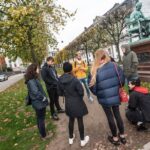
Copenhagen Central Station is your anchor point, and that matters because it keeps the start simple. You’ll meet your guide at the station exit to Tivoli Gardens, then head out on foot. If you’re doing this on day one, you’ll feel calmer right away, because Copenhagen can look orderly but still confusing at street level.
Before you join, come ready for weather swings. You’ll want comfortable shoes and warm layers, plus an umbrella if the forecast even hints at rain. The tour runs rain or shine, so this isn’t the one to book if you only want easy photos and zero walking.
This is a private group format, which tends to make a difference. Guides repeatedly adjust pacing and coverage depending on who’s with them. That can be huge if you’re traveling with kids, teens, or anyone who gets tired faster than the average tourist.
You can also read our reviews of more walking tours in Copenhagen


Tivoli, City Hall, and old squares: the fastest way to get local context
Most routes begin in the Tivoli direction, and you’ll pass or view Tivoli from the outside before moving into the city’s civic and historic core. Tivoli isn’t the point; it’s the atmosphere. Copenhagen loves mixing tradition with everyday life, and that sets the tone for the rest of your walk.
From there, the tour often includes City Hall and the nearby squares, like Ny Torv and Gammel Torv. These aren’t just pretty backdrops. The value is what a good guide pulls from them: who lived nearby, what power looked like at street level, and how Denmark’s cities grew into what you see today. If you’ve ever felt like European buildings are just facades, this is the antidote. The story comes right as you pass the walls.
One reason I like these early stops is momentum. You start with a cluster of landmarks close enough to feel efficient, but not so crowded that you’re stuck in bottlenecks. You’re learning as you walk, not stopping every two minutes for a lecture.
Strøget and the cathedral: medieval streets that still feel alive
Next comes the medieval pulse. The tour commonly includes Copenhagen Cathedral, plus the famous pedestrian stretch Strøget. Strøget can look like any shopping street at first glance, but it’s one of those places where history lives in plain sight. Your guide can help you read it: why streets like this matter, how the city layout shaped movement, and how commerce and culture grew together.
The cathedral stop is where you get a stronger sense of time depth. Denmark didn’t just arrive into modern order; it layered faith, authority, and everyday life for centuries. You don’t need to be religious to appreciate the architecture and the social role these buildings played.
Also, guides often help you spot details you’d normally miss. People mention that guides like Alessio, Facundo, and Stuart are story-first and keep things moving without turning it into a checklist. That makes the walking feel lighter, even when you’re on the move for hours.
Christiansborg, the Old Stock Exchange, and power you can walk up to
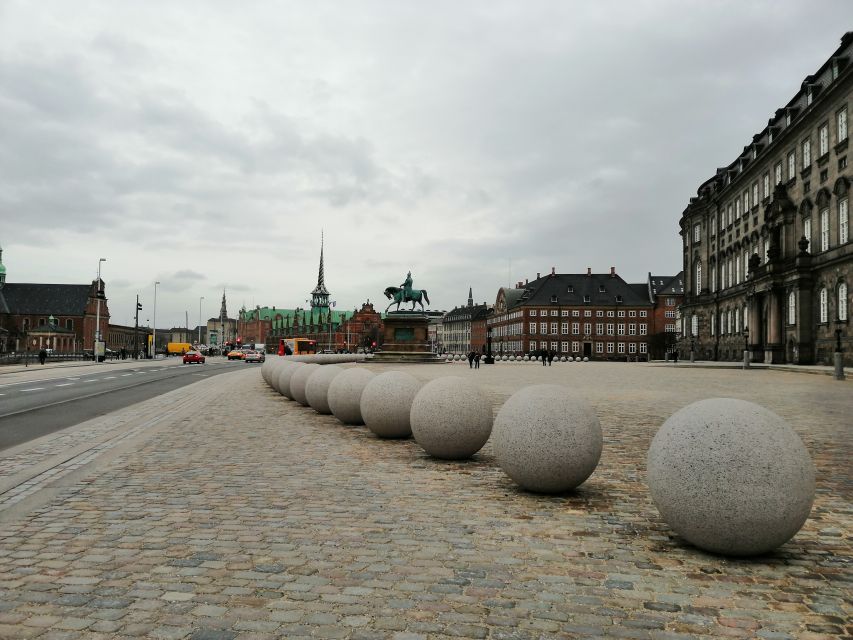
If Copenhagen’s past had a steering wheel, Christiansborg Castle would be near it. This stop is a big one for understanding Danish government and the way important institutions sit in the city. Depending on timing, you might also get moments that feel unusually present-day, such as ceremonial arrivals near official buildings. Your guide can help you interpret what you’re seeing so it doesn’t pass as a spectacle.
Often you’ll also include the Old Stock Exchange and the Round Tower area. These are Denmark’s “brains and systems” landmarks: places connected to how trade, knowledge, and power operated. The Round Tower is especially good for perspective, because the building style and placement help you grasp how Copenhagen balanced practical design with monumental design.
A useful reality check: you’ll probably spend only part of the time looking straight at buildings. The bigger payoff is when your guide explains the logic behind why the buildings are where they are, and how that shaped daily life around them.
Rosenborg to Nyhavn: royal rooms, then postcard streets
One of the most satisfying transitions on this tour is the shift from royal Copenhagen to waterfront atmosphere. Rosenborg Castle is a highlight for many visitors, and it’s a strong place to learn about monarchy and how power was staged. Even if you don’t go inside, the surrounding area gives you context: Denmark’s royal story isn’t distant; it’s woven into the city’s geography.
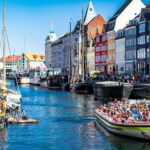
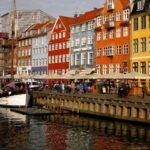
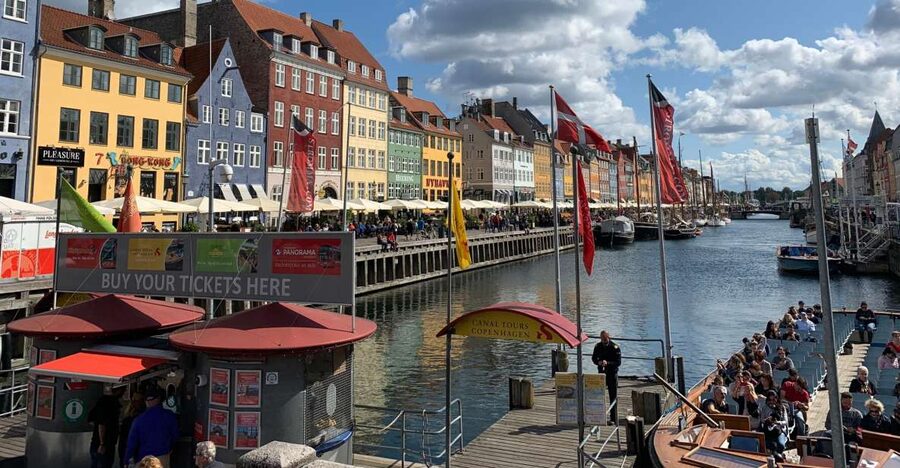
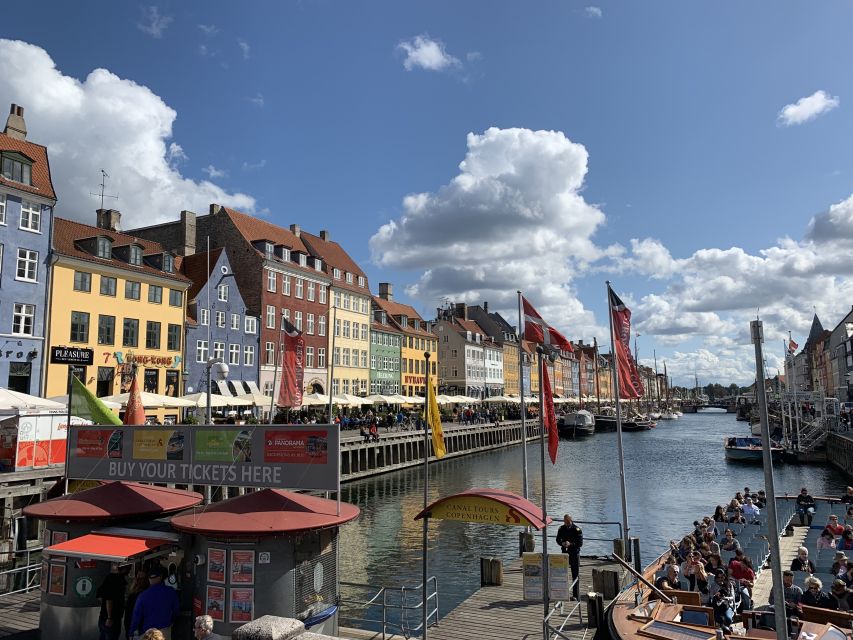
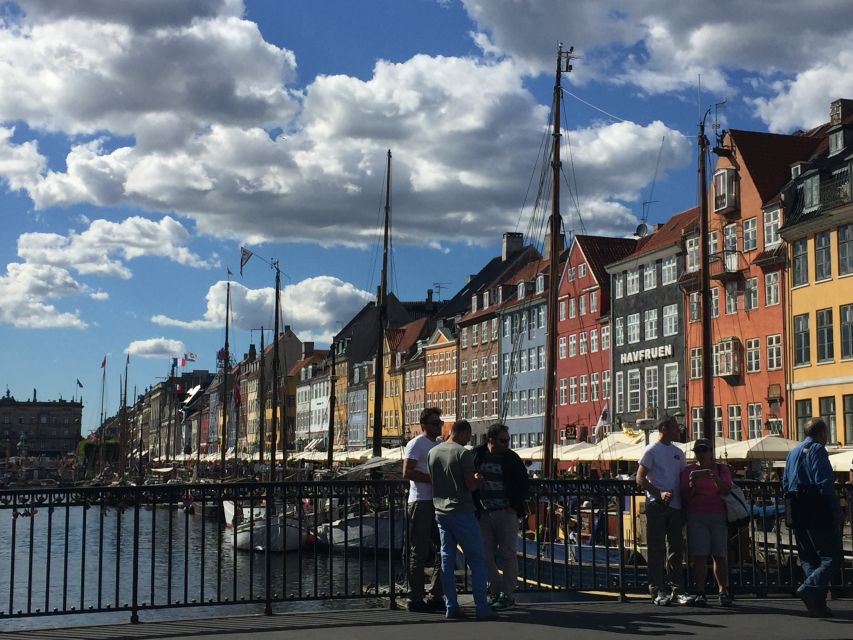
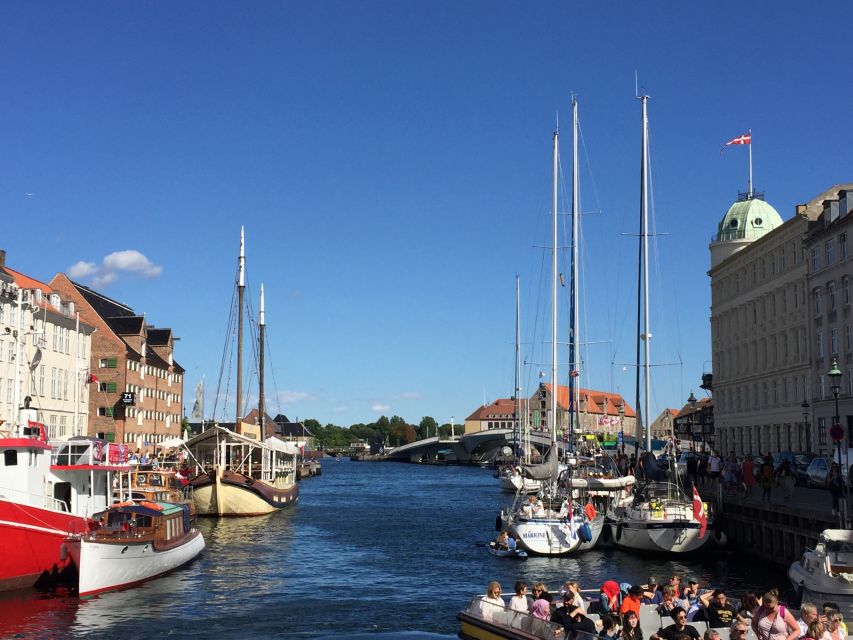
Then comes Nyhavn, the iconic harbor district. Yes, it’s photogenic. But it’s also a good stop to learn how waterfronts functioned historically: trade, movement, and work lived close to where people gathered. Guides tend to connect the street view to older city patterns, so Nyhavn doesn’t feel like a theme zone.
If you’re wondering whether you’ll get enough time for photos, the answer is: you’ll get chances, but you won’t get endless wandering. This tour works best when you’re willing to treat photos as quick captures while you listen.
You can also read our reviews of more guided tours in Copenhagen




Amalienborg and the palace area: when timing can add extra magic
Many routes finish toward Amalienborg Castle. This is where you get the strongest sense of royal Copenhagen in one concentrated area. If your timing lines up, you may catch something like the changing of the guard near the palace zone. Guides have been known to time the end around that kind of moment, so your final stretch can feel cinematic instead of just terminal.
Even without ceremonies, Amalienborg is a strong learning stop. The architecture and symmetry help you understand what rulers wanted people to feel: order, stability, and power that’s easy to recognize from the street.
And because this tour is only 3 hours, your guide won’t send you on a long detour. You’ll end with a clear mental map of where key sights sit relative to each other, which is a big deal if you only have a day or two in town.
How the best guides tell Denmark’s story (and keep you awake)
What consistently comes through is the guide talent. People name guides like Facundo, Edgar, Alessio, Stuart, Lucy, Tina, Papito, and Martin as standout storytellers. Some guides are described as royal experts, others as flexible with families, and many as excellent at keeping a relaxed, easy pace.
This is the difference between a lecture and a walk. You don’t just hear facts; you hear the why in short pieces you can hold onto. The guide can also steer you in real-time. For example, if you want to linger near an area like Parliament or pause when something important is happening, the tone suggests they’re comfortable adjusting within the time window.
You’ll also hear practical tips. One of my favorite patterns from the experiences shared is food and sightseeing advice woven into the walk. That helps you plan the next day without scrambling for recommendations at random.
Walking reality check: 3 hours is shorter than it feels
The tour is 3 hours, and the pace can be brisk if your group is mobile. One participant noted the walking can reach around 7 miles, which helps you plan water, stamina, and clothing. The good news is that guides often build in resting points and allow you to take in views.
Plan for standing time too. Some stops involve looking up, stepping back for better angles, and listening while you wait your turn in busy areas like Strøget. If you’re the kind of traveler who needs frequent seat breaks, build that expectation in.
Also, pack light. Luggage or large bags aren’t allowed, so you’ll want a small day bag and easy-to-grab layers. If you’re arriving in Copenhagen with a suitcase, you’ll be glad you already figured out where it’s going before your tour.
Price and value: what $343 per group actually buys you
At $343 per group up to 5, you’re not paying per person. That can make this feel expensive if you’re traveling solo, but it becomes much more reasonable if you’re splitting the cost with friends or family.
Think of it like this: you’re paying for a guided route across multiple neighborhoods and landmark clusters, with a live person steering you through history and culture in one tight window. For first-timers, that orientation value is real. You learn how Copenhagen fits together, then you can explore afterward with less guessing.
If you’re a couple or small group, this private-group format is where the value shows. If you’re solo, you might still find it worthwhile if you want deeper attention rather than a larger group tour, but check your own tolerance for cost.
Who should book this walking tour in Copenhagen?
This tour is a strong match if you want:
- A first-day overview that makes later self-guided exploring easier
- History explained with stories, not just dates
- A route that includes both old streets and royal landmarks
- A guide who can keep kids and teens engaged, not just adults
It may be a weaker fit if:
- You need very frequent seating or can’t handle long steady walking
- You’re bringing luggage or large bags
- Weather and crowds will stress you out (it runs rain or shine, so dress for it)
Should you book it?
I’d book this if you want Copenhagen to make sense fast. The route is designed to cover major layers of the city, and the guides seem to do their job with energy and flexibility. With stops like Tivoli, Strøget, Rosenborg, Nyhavn, and Amalienborg, you’ll leave with a clearer mental map and better context for what you see next.
If you’re confident walking for hours and you want your landmarks explained with humor and practical tips, this is a good use of 3 hours. If you’re worried about stamina or you can’t do sustained walking, look for a lighter alternative.
FAQ
Where is the meeting point for the guided walking tour?
Meet your guide at the Copenhagen Central Station exit to Tivoli.
How long is the walking tour?
The tour lasts 3 hours.
What does the tour focus on?
You’ll hear the history of Copenhagen and Denmark from your guide, learn Danish customs and traditions, and walk around Medieval Copenhagen.
What landmarks are typically included?
The highlights can vary by preference and itinerary, but may include Tivoli (outside), City Hall, Ny Torv, Gammel Torv, Copenhagen Cathedral, Strøget, Christiansborg Castle, the Old Stock Exchange, the Round Tower, Rosenborg Castle, Nyhavn, and Amalienborg Castle.
What language is the guide available in?
The live tour guide is available in Spanish and English.
Is it wheelchair accessible?
Wheelchair accessible is listed, but it is also noted as not suitable for people with mobility impairments, so it’s worth checking your specific needs before booking.
What should I bring?
Bring comfortable shoes, warm clothing, an umbrella, and weather-appropriate clothing. Comfortable clothes help too.
Is there a dress code or weather limitation?
No. The tour is a walking tour and takes place rain or shine.
Are food and drinks included?
No. Food and drinks are not included, and the tour also does not include hotel pickup or drop-off.