REVIEW · COPENHAGEN
Copenhagen: Guided Walking Tour in French
Book on GetYourGuide →Operated by Mercure · Bookable on GetYourGuide
Copenhagen by foot, in French, with real context. This small-group walk strings together the city’s best-known landmarks and the kind of everyday context you only get from a guide who can explain what you’re seeing. You get 3.5 hours of city stories, architecture views, and social history, all in a French-speaking format.
I really like two things about this tour. First, the group stays tight—up to 14 participants—so you’re not lost in the crowd. Second, the route is built around how Denmark lives now, not just monuments, with stops that connect civic spaces, royal areas, and harbor-front streets.
One thing to consider: it’s French-only. If French isn’t your comfort zone, this may feel like a lot of walking with less understanding. Also, a couple of points are pass-bys, so you won’t linger at every single location.
In This Review
- Key highlights to know before you go
- Small-group French tour: what the 14-person limit really does
- Where you meet: Vesterbrogade 4B and the Axelborg Visitor Service
- Tivoli area to City Hall: getting your bearings fast
- Christiansborg Palace, Stock Exchange, and Holmen Church
- King’s New Square and the Nyhavn walk that people remember
- The Playhouse, Amalienborg, Gefion Fountain, and Kastellet
- The Danish way of living theme: how this tour tells one story
- Price and timing: is $67 worth it for 3.5 hours?
- Who should book this French walking tour?
- Should you book this tour?
- FAQ
- What language is the tour guide?
- How long is the Copenhagen guided walking tour in French?
- How many people are in the group?
- How much does the tour cost?
- Are there discounts for children or teens?
- Where do I meet, and where does it end?
- Is the tour wheelchair accessible, and can I cancel?
Key highlights to know before you go
- Max 14 people means more questions and less “follow the guide” chaos
- French-speaking guide only, with the kind of clear explanations that fit real street time
- Stops across Copenhagen’s major zones, from Tivoli area to Nyhavn and Kastellet
- A 3.5-hour walking format designed for highlights without an all-day commitment
- Family-friendly pricing: children under 13 join free; teens get 40% off
Small-group French tour: what the 14-person limit really does
The biggest quality jump here is simple: a walking tour with up to 14 people tends to feel human. You’re still moving as a group, but the guide can slow down when someone has a question, and you’re more likely to hear the details the first time. On a city like Copenhagen, that matters, because the differences between areas show up in streetscapes and buildings as much as in famous spots.
I also appreciate that this tour is intentionally built around how to read the city. You’re not just collecting names of places. The guide is there to connect what you’re looking at to Denmark’s culture, everyday way of living, and the city’s social and urban choices. That’s a strong use of 3.5 hours.
There’s another practical upside: fewer people usually means fewer delays at the start and fewer problems regrouping after a photo break. Copenhagen is pretty walkable, but a smoother group flow can make the whole experience feel easier.
You can also read our reviews of more walking tours in Copenhagen


Where you meet: Vesterbrogade 4B and the Axelborg Visitor Service
You meet at the Copenhagen Visitor Service in the Axelborg building, which sits directly across from Tivoli Gardens’ main entrance and next to the SAS Radisson Collection Hotel. The tour also lists the starting address as Vesterbrogade 4B, so treat that as your navigation target.
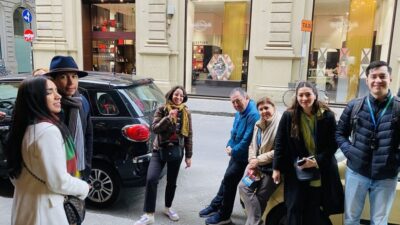
Your guide will wear a distinctive hat or cap, and you’ll meet inside the Visitor Service if it’s open. If it’s closed, the guide waits outside. That detail is small, but it’s the kind of thing that prevents the start-of-tour scramble that can waste 10–15 minutes.
Because the tour uses fixed meeting logistics, I’d suggest you arrive a bit early—especially if you’re navigating from a hotel or transit stop. If you’re even slightly late, this is a group of walkers with a schedule, so catching up can be hard.
Tivoli area to City Hall: getting your bearings fast
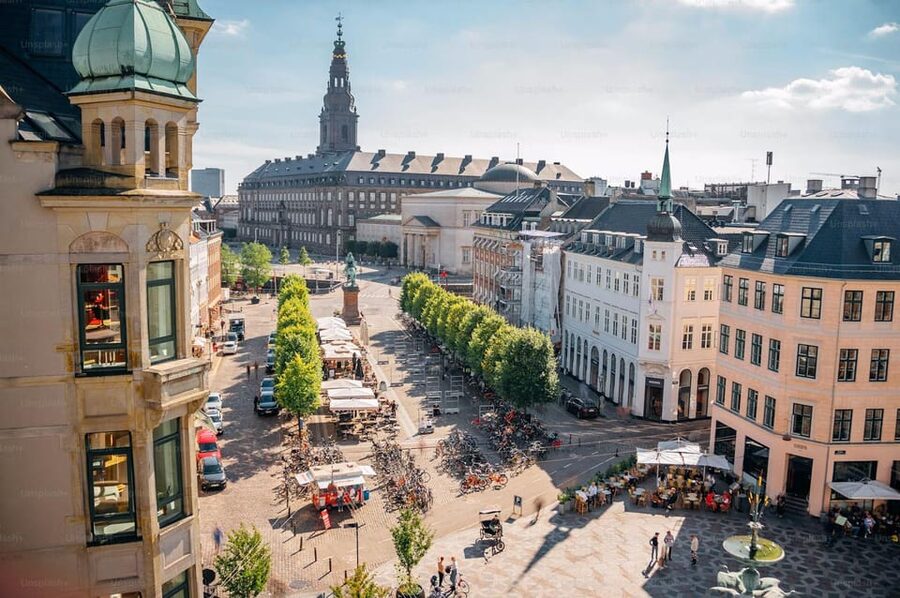
The first stretch sets the tone. You start from Vesterbrogade toward central Copenhagen, and the tour passes by the Tivoli Gardens area. Even if you don’t go inside, this is a good way to frame what “Copenhagen highlights” looks like from the street: a blend of public spaces and places people actually enjoy.
Next you get to Copenhagen City Hall for sightseeing. This is one of those stops where the value is in the perspective. A guide can help you notice scale, civic setting, and why certain buildings matter in a city’s identity. You’re starting with a public, city-facing landmark, which makes it easier to understand later stops like squares and palaces without the story feeling scattered.
If you prefer tours that explain how city design connects to daily life, this start works. You’re not jumping straight to a single “must-see” photo spot. Instead, you’re getting context while your legs are still fresh.
Possible drawback: because the Tivoli point is a pass-by, you’ll only get a quick look before moving on. If you wanted a long pause for photos there, you may have to do it independently before or after the tour.
Christiansborg Palace, Stock Exchange, and Holmen Church
From civic spaces, the walking route shifts toward institutions and landmarks that show different sides of Copenhagen. You walk at Christiansborg Palace, then continue with Copenhagen Stock Exchange sightseeing and the Church of Holmen sightseeing.
What I like about this cluster is the variety of “city roles.” Even without deep detours, the stops help you see how Copenhagen’s identity isn’t only about pretty waterfronts. It’s also about governance, commerce, and spiritual or community spaces. The guide’s job is to stitch those themes together into a story about Danish society and how public life is organized.
Christiansborg Palace is a walk stop, which means you’ll likely have a bit more time to move through the area than at the pass-by locations. That matters if you want to feel like you’re actually in the place, not just looking at it from the curb.
The Stock Exchange stop keeps you oriented to Copenhagen’s historical and cultural development through commerce. Then the Church of Holmen gives you a different rhythm—often these kinds of landmark churches are where you notice architectural details and how the city surrounds important buildings.
If you’re traveling with someone who loves structure and meaning, this part tends to land well. If you’re the kind of traveler who wants only street-level views and fewer “institution stops,” you might find yourself wishing for more time at Nyhavn later.
King’s New Square and the Nyhavn walk that people remember
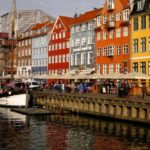
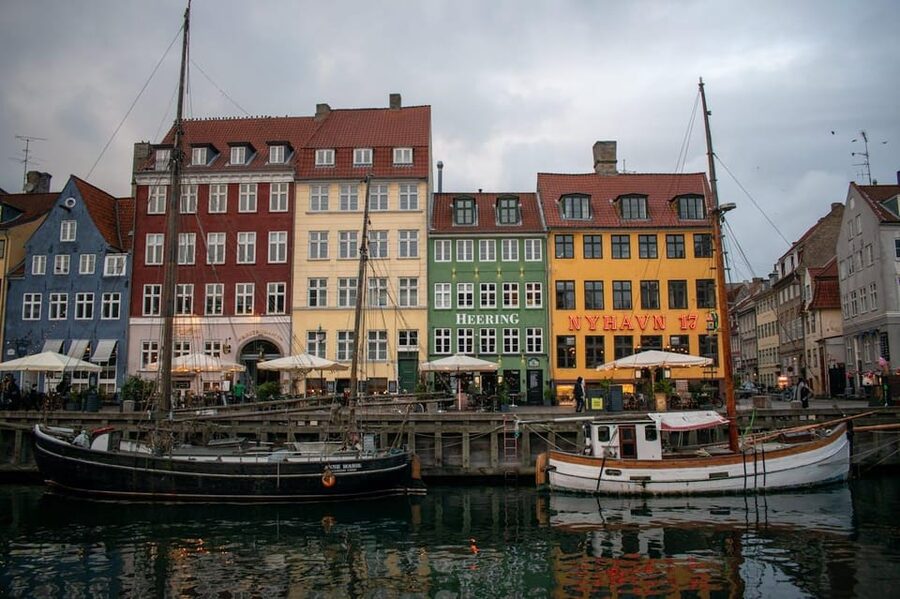
Then the tour brings you toward King’s New Square (pass by), and after that comes Nyhavn (walk). This is where the experience usually becomes more sensory and easier to picture, because you’re moving into a classic Copenhagen waterfront scene.
The key here is that Nyhavn isn’t treated like a single photo stop. With a guide speaking French, you’re getting city context in real time while walking along the area. The point is to understand how older waterfront spaces fit into modern Copenhagen and how daily life plays out in historic settings.
King’s New Square is a pass-by, so you’ll see it, but you won’t spend much time there. In exchange, the tour doesn’t stall. It keeps momentum so you reach Nyhavn while the group still feels together and energized.
If you care about “how people live” rather than only “what buildings look like,” this middle-to-late portion is a strong choice. Copenhagen’s identity shows up in where people gather, walk, and linger—and the guide’s explanations can make the atmosphere make sense.
You can also read our reviews of more guided tours in Copenhagen

The Playhouse, Amalienborg, Gefion Fountain, and Kastellet
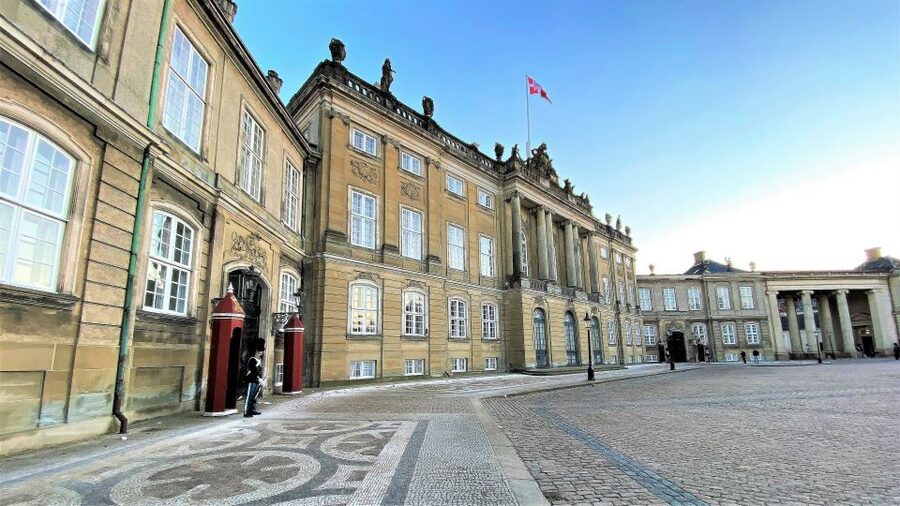
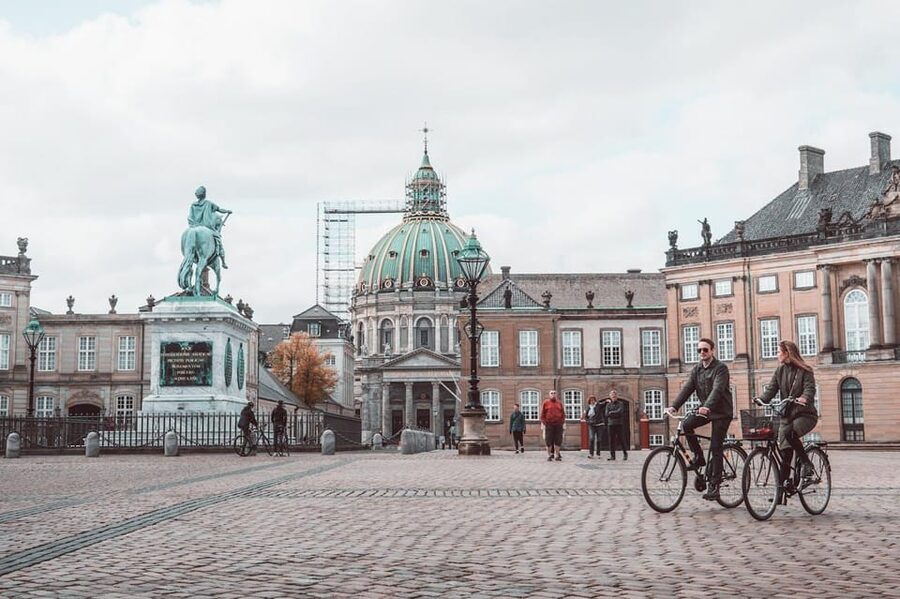
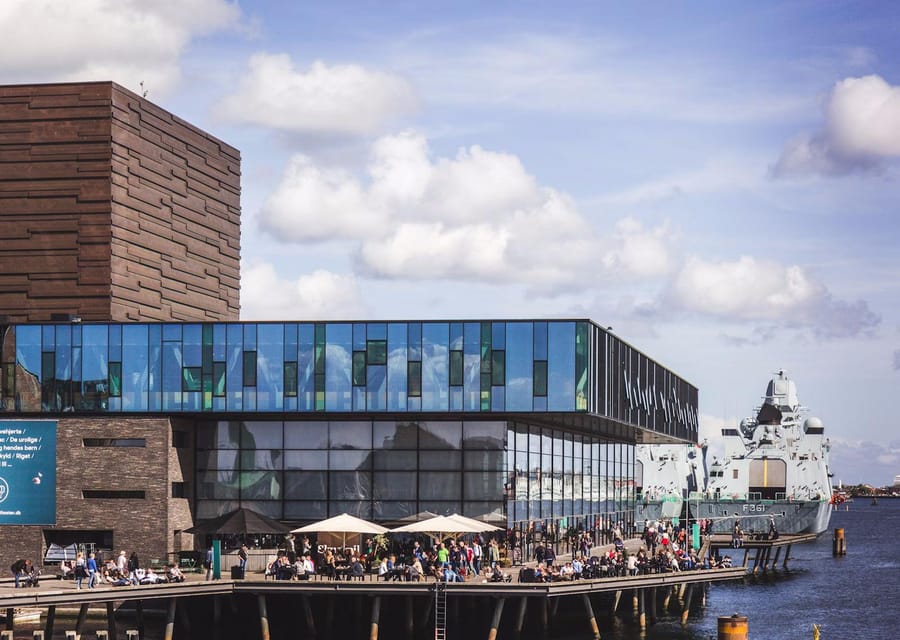
After Nyhavn, you hit The Playhouse Copenhagen for sightseeing. Then it’s on to Amalienborg Palace sightseeing, Gefion Fountain sightseeing, and finally Kastellet for sightseeing.
This is a fun section because it mixes different landmark types without turning into a random checklist. The Playhouse gives you the arts side of the city. Even if you’re not going to a show, it helps complete the “people and culture” picture the earlier stops started.
Amalienborg Palace adds the royal context—again, not in a museum-way, but as an urban landmark you can see from the street. Then Gefion Fountain becomes a pause point for orientation and visual details. Fountains are the kind of place where a guide’s narrative can connect symbolism and city identity without needing a formal visit.
Finally, Kastellet comes last in the main sequence. The tour treats it as another key sightseeing moment before finishing at the end point. This stop is valuable for breaking up the route with a different kind of space, and it helps shift your mind from “downtown classics” to a more distinctive part of the city.
One thing to note: this section is heavier on sightseeing than walking-through every location. That’s not bad—it keeps the route moving—but it does mean you’ll rely on the guide’s timing to get the most out of each stop.
The Danish way of living theme: how this tour tells one story
The tour description is pretty clear about what it aims to do: mix Copenhagen’s iconic highlights with explanations of Danish history, culture, and modern social and urban developments. That sounds abstract until you see how the stop list supports it.
The route moves through civic identity (City Hall), major institutions (Christiansborg Palace, Stock Exchange), community landmarks (Church of Holmen), and everyday-gathering spaces (Nyhavn). Then it finishes with royal and symbolic markers (Amalienborg, Gefion Fountain) and a distinctive final sightseeing area (Kastellet).
That structure is the real value. You’re not just moving from famous place to famous place. You’re building a mental map of how Copenhagen works: public life, city planning style, and how different eras still show up in the street.
The guide experience also shows up in the kind of praise the tour has received. People specifically call out guides like Hamid for knowing city history and for explaining the broader organization of life in Denmark, not just facts. That combination tends to make the tour feel practical—like you’re learning what to look for after the walk ends.
Price and timing: is $67 worth it for 3.5 hours?
At $67 per person for about 3.5 hours, you’re paying for a live French-speaking guide and a structured route that hits multiple major areas without requiring you to plan stop order yourself. The value improves if you like learning from a guide instead of piecing together a self-guided route.
The small-group size also matters for value. You’re not paying for a “big bus tour” dynamic where you get a quick overview and then vanish. With a maximum of 14 people, you’re more likely to get clearer explanations and better group flow.
There are also meaningful pricing perks for families. Children under 13 can join for free, and teenagers get a 40% discount. That can turn this into a practical option if you’re traveling with mixed ages and want one activity that’s still interesting for adults.
Who the price makes sense for:
- You want a guided walk that covers a lot of ground without an all-day commitment
- You’re comfortable with French or you specifically want a French-led experience
- You’d rather spend time learning city context than researching the route
Who should book this French walking tour?
This is a good fit if you want Copenhagen in a guided format that emphasizes daily life, culture, and how the city grew into its modern shape. The French-only format is the biggest filter, but if you’re studying French or you’re a confident French speaker, it’s a bonus to have the guide explain what you’re seeing rather than just pointing.
It’s also a nice choice if you like walking routes that cover multiple zones—Tivoli area, city center landmarks, Nyhavn, and then toward Amalienborg and Kastellet—without turning into a hike.
If you’re traveling with kids, pricing is friendly: under 13 free and teens at 40% off. And the tour is listed as wheelchair accessible, which is a strong point if mobility needs are part of your planning.
If you hate anything that feels like a “pass-by tour,” you might want to be aware that some stops are specifically pass-by locations. The itinerary still covers a lot, but it’s not equal time everywhere.
Should you book this tour?
I think you should book it if you want a guided Copenhagen experience that’s more than photo stops. The combination of small group size, a French-speaking guide, and a route built around how Danish society shows up in the city is a solid match for travelers who like context.
Don’t book it if French is a struggle for you or if you only want long, slow visits at each landmark. This is a 3.5-hour walk with a planned flow, and the emphasis is on moving through the city while the guide explains what matters.
If you’re trying to decide today, my advice is simple: if you can handle French, this is a strong value way to connect Copenhagen’s highlights to real life in Denmark.
FAQ
What language is the tour guide?
The tour is conducted exclusively in French, with a live French-speaking guide.
How long is the Copenhagen guided walking tour in French?
The duration is 3.5 hours (starting times vary, so you’ll want to check availability).
How many people are in the group?
The tour is limited to a maximum of 14 participants.
How much does the tour cost?
The price is $67 per person.
Are there discounts for children or teens?
Yes. Children under 13 can join free of charge, and teenagers receive a 40% discount.
Where do I meet, and where does it end?
You meet at the Copenhagen Visitor Service in the Axelborg building (in/near Vesterbrogade 4B), across from Tivoli Gardens’ main entrance. The itinerary lists the finish at the Iver Huitfeldt Memorial, while the activity also states it ends back at the meeting point.
Is the tour wheelchair accessible, and can I cancel?
The tour is listed as wheelchair accessible. It also offers free cancellation up to 24 hours in advance for a full refund, and it’s offered with reserve now & pay later.