REVIEW · BOLOGNA
Bologna: Guided Walking Tour
Book on GetYourGuide →Operated by Manuela Roversi · Bookable on GetYourGuide
Bologna makes you walk under its magic roofs. This Piazza Maggiore start pairs big-city monuments with the covered porticoes that feel like a second street. I also like how the tour connects landmarks to the reasons locals call Bologna La Dotta and La Grassa, not just what to photograph. One consideration: church rules can be strict, and the Archiginnasio anatomy theatre visit costs extra.
The guide really matters here. When I look at how past groups describe the experience, Manuela Roversi (and others like Giulia) comes up for staying organized, answering questions clearly, and keeping the walk interesting even when the weather turns.
It’s a focused 3 hours, so you get a strong highlight reel without doing the kind of marathon walking that fries your calves before lunch.
In This Review
- Key highlights you’ll feel fast
- Piazza Maggiore: your quick map of central Bologna
- Why Bologna gets called La Dotta, La Grassa, and La Rossa
- Monuments on foot: Palaces, squares, and the big views
- The leaning towers and Torre Galluzzi: Bologna’s signature skyline
- Archiginnasio and the Anatomical Theatre: plan for the extra ticket
- Basilica of Saint Petronio: the longest sundial moment
- Church dress code: how not to get turned away
- Porticoes of Piazza Santo Stefano: Bologna’s covered walking superpower
- Court Isolani and Via Strada Maggiore: the “in-between” that feels special
- Via Farini and Mercato di Mezzo: food culture explained on the move
- What the 3-hour format gets right (and what it can’t)
- Guides make the difference: why Manuela and Giulia stand out
- Price and value: $118.95 per group up to 5
- Practical Matters: shoes, pace, and what to carry
- Should you book this Bologna walking tour?
- FAQ
- How long is the Bologna guided walking tour?
- What is the meeting point?
- Where does the tour end?
- What sights are included on the route?
- Is the Anatomy Theatre of the Archiginnasio entrance included?
- How much does the tour cost?
- What languages are available for the guide?
- Is the tour wheelchair accessible?
- What should I wear for the churches?
Key highlights you’ll feel fast
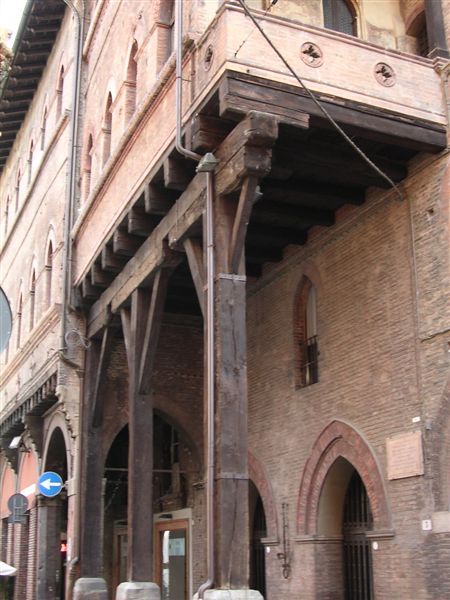
- Piazza Maggiore orientation with Neptune Fountain and the Palazzo del Podestà area as your anchor point
- Santo Stefano porticoes that make Bologna’s covered walkways feel practical, not just pretty
- Two leaning towers plus Torre Galluzzi for that signature Bologna silhouette in brick and stone
- Archiginnasio Anatomical Theatre as a standout university stop, with a paid entry add-on
- Basilica of Saint Petronio’s long sundial for a rare, very specific architectural detail
- Mercato di Mezzo food talk that explains why Bologna treats meals like a cultural event
Piazza Maggiore: your quick map of central Bologna
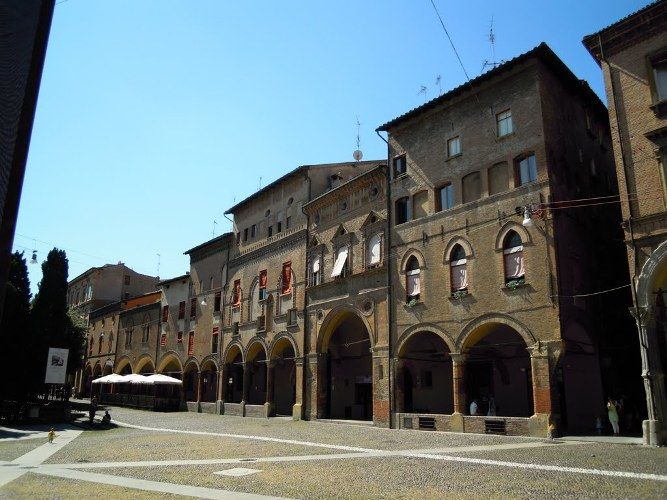
Most Bologna days feel like a scavenger hunt—so you want a smart starting point. The tour meets at Piazza del Podestà in the Piazza Maggiore area, right by the Bologna Welcome tourist office entrance. From there, the guide helps you orient fast: where the main squares sit, which streets pull you toward the historic center, and what you should notice as you go.
I like that the first stretch is about landmarks you can’t miss. You’ll take in the Fountain of Neptune and the Palazzo del Podestà area, and you’ll get an explanation of why Piazza Maggiore sits at the city’s core. That context matters, because the rest of the walk starts to feel connected instead of random.
You can also read our reviews of more walking tours in Bologna
Why Bologna gets called La Dotta, La Grassa, and La Rossa
Bologna isn’t one-note. The tour weaves in the city’s nickname trio—La Dotta (The Learned), La Grassa (The Fat), and La Rossa (The Red)—as a way to understand what drives daily life here. You’ll hear how “learned” ties into one of Europe’s oldest universities, how “fat” connects to food culture, and how the city’s look earns that red reputation.
This isn’t a trivia dump. It’s a set of lenses for seeing what you’re walking past. When you understand that Bologna built its identity around learning and eating, the Anatomical Theatre stop and the market area stop feel like part of the same story.
Monuments on foot: Palaces, squares, and the big views
Once you’re rolling, you’ll see the main monument loop that defines central Bologna. Piazza Maggiore is the headline, but the tour doesn’t stop there. Along the way, you’ll get the rhythm of the city’s architecture—plazas opening up, then streets guiding you into covered sections.
You’ll also hear about the palaces around the square and what role these buildings played in Bologna’s medieval life. The guide points out what makes the setting feel official and historic, not just scenic. In other words, you don’t just pass by stonework—you learn how it functioned.
The leaning towers and Torre Galluzzi: Bologna’s signature skyline
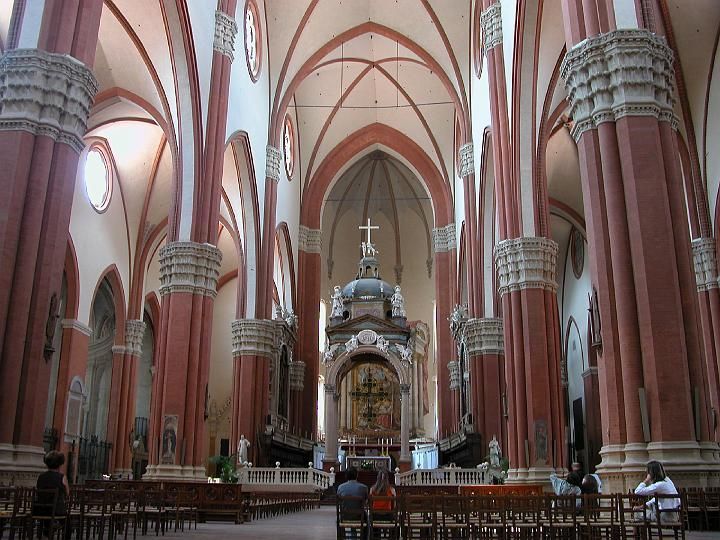
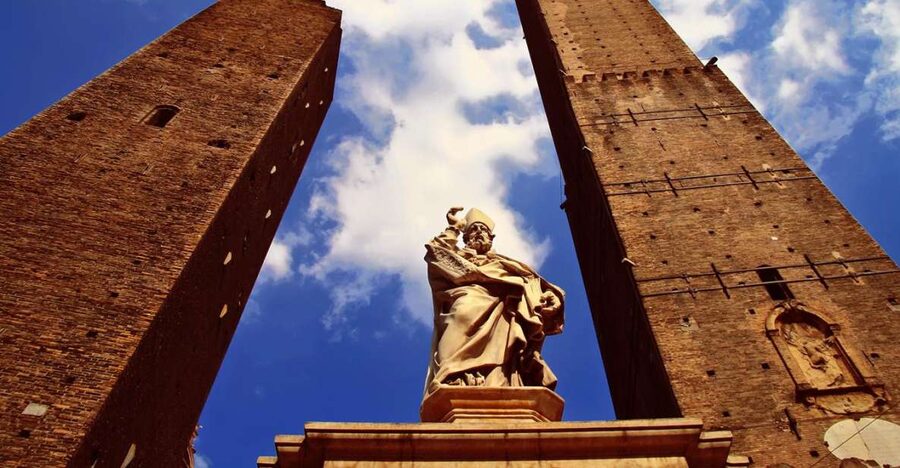
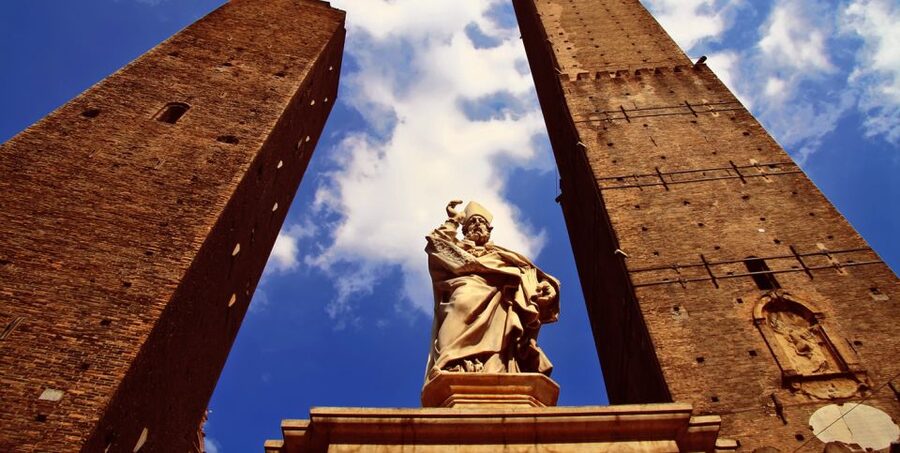
Bologna’s skyline has a personality, and you’ll see it up close on this walk. The itinerary includes the famous two leaning towers plus a stop at Torre Galluzzi, a medieval tower that adds variety to the tower story. Even if you’ve seen photos online, it changes when you’re standing near the shapes and trying to understand how the city grew around them.
I find tower stops work best when you get more than a quick description. Here, the guide ties the towers to why Bologna looks the way it does, so your eyes start scanning the details: angles, height, and the way stone and brick hold the city’s character.
Archiginnasio and the Anatomical Theatre: plan for the extra ticket
The university connection becomes very real at the Archiginnasio area. You’ll learn about the historic university and visit the unique anatomical theatre inside the Archiginnasio. This is one of the most memorable stops on the route because it’s so specific, so unusual, and so tied to Bologna’s “learned” identity.
There’s an important detail: entrance to the Anatomy Theatre of the Archiginnasio is not included. The cost is listed as €3.50 per person, and you must book it in advance. If you forget this, you might miss the inside visit—so it’s worth planning ahead when you decide on your day.
If you do it right, this stop turns the walk from sightseeing into something closer to cultural history you can actually picture. The theatre isn’t just a building; it’s a statement about how Bologna thought about science and education.
You can also read our reviews of more guided tours in Bologna
Basilica of Saint Petronio: the longest sundial moment
Another highlight is the Basilica of Saint Petronio, where you’ll discover the longest sundial mentioned on this tour. That kind of detail is exactly why a guided walk is worth it: without a guide, you might stand in front of a massive church and still miss the one story you’ll remember later.
The tour also respects the practical reality of church visits. You’ll get clear guidance on what you can wear when entering. That matters because the dress code is not a suggestion.
Church dress code: how not to get turned away
Bologna churches can be strict. The tour notes say you must be covered up when entering—no shorts are allowed, and your shoulders must be covered. Bring a layer if you’re traveling in warmer months or if you plan to wear something light in the heat.
I always tell people to treat this as non-negotiable. It’s not just politeness; it affects whether you can go inside at all.
Porticoes of Piazza Santo Stefano: Bologna’s covered walking superpower
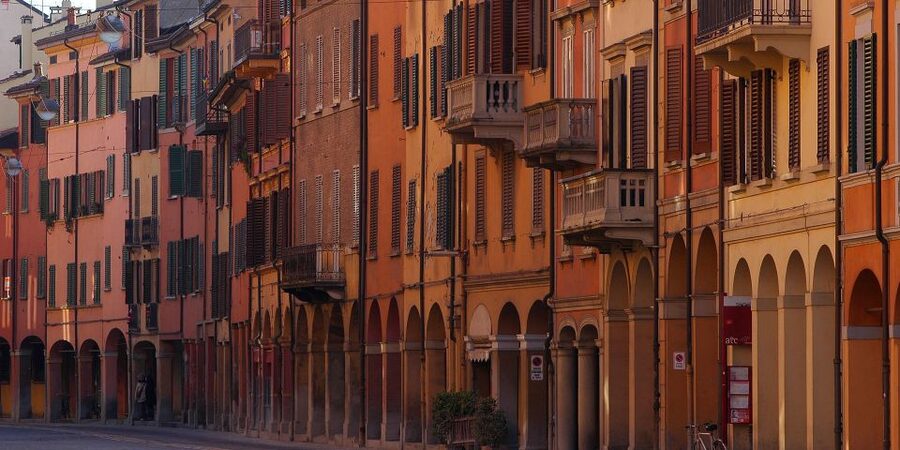
Now for the Bologna magic trick: the covered walkways. You’ll walk to the porticoes of Piazza Santo Stefano, which show you why Bologna is so walkable even when the weather is moody. These porticoes aren’t just atmosphere; they’re daily infrastructure in the city’s design.
If you’ve ever thought porticoes sound like a photo-only gimmick, this stop fixes that idea. You’ll see the proportions, the rhythm of the arches, and how the space works as you move through it. It’s practical beauty, and it makes the city feel easy to navigate.
Court Isolani and Via Strada Maggiore: the “in-between” that feels special
Between the big squares and major sites, the tour includes smaller but memorable passages. On the way toward Via Strada Maggiore, you’ll pass through the covered passageway of the Court Isolani. These in-between spaces are where Bologna’s character gets extra interesting.
It’s also where you start noticing the city as a system: streets connect squares, and the porticoes connect different micro-worlds within the center. That helps the rest of your day make more sense, even after the 3-hour tour ends.
Via Farini and Mercato di Mezzo: food culture explained on the move
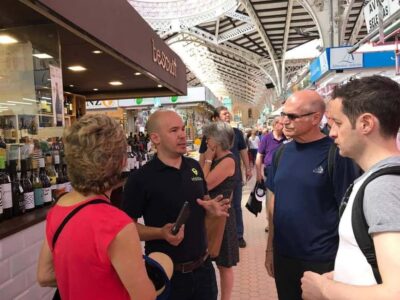
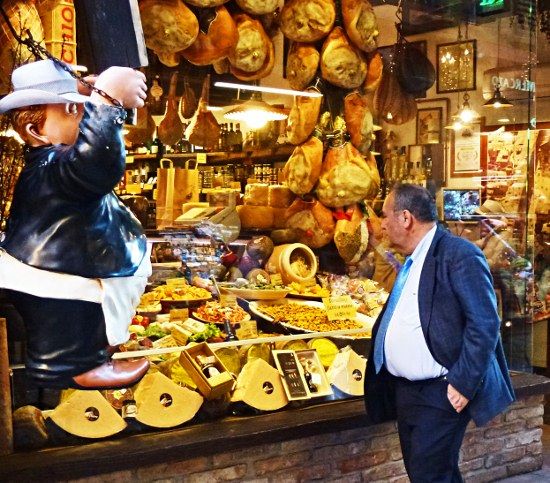
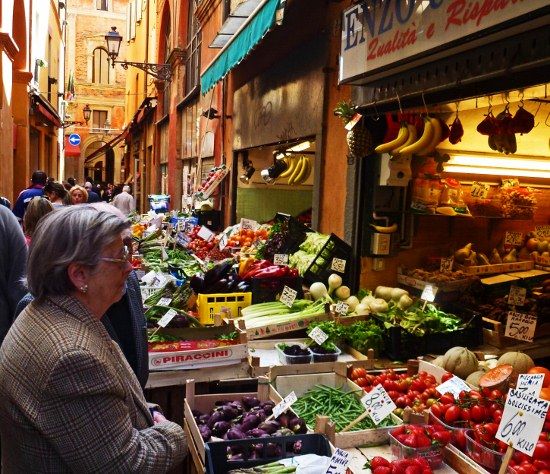
A Bologna walking tour should include food talk that feels grounded, not performative. This one heads toward Via Farini and then to Mercato di Mezzo, where the guide helps you understand why food is so important in Bologna.
I like this because it’s not just about where to eat. You learn how markets and food spaces shape daily routines and local identity. Once you’ve heard the explanation, you’ll be more alert to what’s going on around you—people buying, chatting, and treating food as social life.
What the 3-hour format gets right (and what it can’t)
This tour is built around the idea of a highlight loop. In three hours, you can’t cover every church, every tower, and every hidden courtyard. What you can do is get a strong “this is what Bologna is” overview with the most iconic sights and a couple of very specific cultural anchors.
The route is also designed to keep you moving through the center, not stuck in one plaza. Between Piazza Maggiore, Santo Stefano porticoes, university stops, and the market area, the time adds up to a sense of place.
Guides make the difference: why Manuela and Giulia stand out
The strongest praise tied to this tour is about the guides themselves. Manuela Roversi is repeatedly singled out for passion and organization—sharing history in a way that feels personal to the city, while still answering practical questions. Giulia also appears in feedback as another excellent guide who kept groups engaged through architecture-heavy stops.
And yes, weather can happen in Bologna. One of the nice parts of a guided format is that you don’t have to improvise when conditions change. The guide keeps things going and adjusts so you still see the key sights.
Price and value: $118.95 per group up to 5
At $118.95 per group up to 5, this is priced for families, small friend groups, or pairs who want a private-feeling experience without paying for a solo guide. The value isn’t just the guide; it’s the time efficiency. You get a curated route through Bologna’s center with the context that makes monuments meaningful.
There’s an extra cost you should factor in: the anatomy theatre ticket (€3.50 per person). If you want the inside visit, plan for that budget.
Practical Matters: shoes, pace, and what to carry
This walk is all about comfortable movement. The tour asks for comfortable shoes, and I agree. Bologna’s center rewards good footwear because you’ll be transitioning between squares, streets, and covered stretches.
Since the route includes churches, bring a light layer for shoulder coverage and plan ahead if you’re traveling with summer clothing. For a smooth day, pack small and keep your hands free—you’ll want them for photos and for following where the guide points.
Should you book this Bologna walking tour?
Book it if you want a tight, high-impact route through Bologna’s core sites—especially if you care about context, not just checklists. The private group setup means you get better interaction with the guide, and the included stops hit both big landmarks (Piazza Maggiore, Santo Stefano) and Bologna’s signature themes (university life and food culture).
Skip it or adjust expectations if you’re not interested in church rules or you really don’t want extra planning for the Archiginnasio anatomy theatre ticket. But if you’re willing to dress for churches and book that €3.50 entrance in advance, this is one of the easier ways to understand Bologna fast.
FAQ
How long is the Bologna guided walking tour?
The tour lasts 3 hours.
What is the meeting point?
It starts at Piazza del Podestà Piazza Maggiore 1/e, close to the entrance door of the tourist office called Bologna Welcome.
Where does the tour end?
The activity ends back at the meeting point.
What sights are included on the route?
You’ll see highlights such as Piazza Maggiore (including the Fountain of Neptune area and the Palazzo del Podestà), the 2 leaning towers, Torre Galluzzi, the Archiginnasio anatomical theatre (subject to the separate entrance fee), porticoes of Piazza Santo Stefano, and the Mercato di Mezzo food area, plus stops connected to Basilica of Saint Petronio’s sundial.
Is the Anatomy Theatre of the Archiginnasio entrance included?
No. Entrance is not included and costs €3.50 per person. You must book in advance.
How much does the tour cost?
It costs $118.95 per group, up to 5 people.
What languages are available for the guide?
The live guide is offered in Spanish, English, Italian, and German.
Is the tour wheelchair accessible?
Yes, it is wheelchair accessible.
What should I wear for the churches?
You must be covered up when entering churches: no shorts, and your shoulders must be covered.