REVIEW · VENICE
Venice: Jewish Ghetto Walking Tour with Synagogue Visits
Book on GetYourGuide →Operated by Walks In Europe · Bookable on GetYourGuide
A Jewish Ghetto tour in Venice hits harder than you expect. This 2-hour walk through the Cannaregio district and the historic Jewish Ghetto (Ghetto Nuovo and Ghetto Vecchio) gives you context you can’t get from postcards. I love how the tour makes the neighborhood feel lived-in, not like a museum hall, and I also love the synagogue visits—Spanish Synagogue and Levantine Synagogue—through arrangements connected to the Jewish Museum. One thing to think about: this isn’t a casual sightseeing stroll. You’ll be walking on uneven streets and you’ll also face a strict synagogue dress rule.
The details matter here. You meet at Campo di Ghetto Nuovo by the black drinking fountain in the middle of the square, and from there the guide sets the pace at a thoughtful walking tempo. You’ll learn how the Venetian Jewish community developed inside confinement, and how daily life shaped Venice’s social and cultural life over centuries. Plan on being respectful and prepared, because synagogue access follows dress requirements and the experience isn’t designed for wheelchair users or major mobility limitations.
In This Review
- Key things that make this tour worth your time
- Campo di Ghetto Nuovo: where your Venice day turns serious
- What I like about the pacing
- Cannaregio and the walk into the Ghetto’s real geography
- Why this is a smart way to do Venice off the water
- Ghetto Nuovo and Ghetto Vecchio: tall walls, tight squares, and survival
- One practical note: expect emotions
- Campo del Ghetto Nuovo: the hidden niche you’ll actually remember
- Spanish Synagogue: what “behind modest exteriors” means in practice
- What to watch for
- Levantine Synagogue: another voice, same community story
- A small constraint that can affect your plan
- Jewish Museum is under restoration: how that changes the experience
- Tour guides and the question-answer culture
- Price and value: what $105 buys you in Venice terms
- Who should book this tour (and who should skip it)
- Simple tips to make the most of Spanish and Levantine Synagogues
- Should you book the Venice Jewish Ghetto walking tour with synagogue visits?
- FAQ
- Where is the meeting point for the Venice Jewish Ghetto walking tour?
- How long is the tour?
- What synagogues are visited during the tour?
- Is the Jewish Museum included?
- What dress code is required for synagogue visits?
- Are synagogue visits available on Fridays?
- Is the tour wheelchair accessible?
- What language is the tour guide?
- Are there restrictions on what I can bring?
- What’s included in the price?
Key things that make this tour worth your time
- Two synagogues in one short outing: Spanish Synagogue plus Levantine Synagogue, with guided explanations.
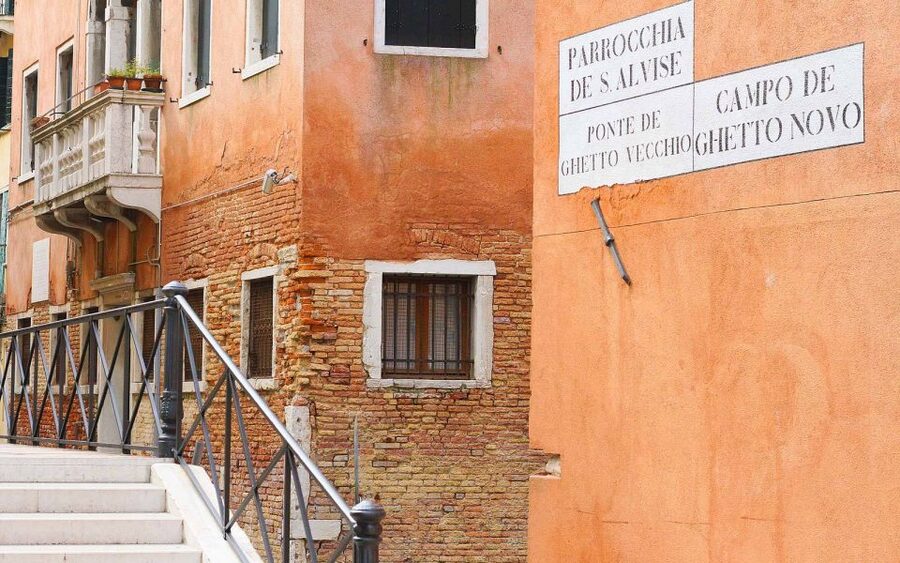
- Start in the right square: Campo di Ghetto Nuovo, by the black drinking fountain—easy to find, easy to orient.
- Ghetto Nuovo + Ghetto Vecchio on foot: you’ll see how different parts of the quarter evolved.
- A local guide who connects Venice and Jewish history: the story stays anchored in place, not generic facts.
- Sephardic and Ashkenazi influences explained: not just names, but how traditions shaped what you see.
- Jewish Museum interior isn’t the focus: the museum is under restoration, but synagogue access is arranged.
Campo di Ghetto Nuovo: where your Venice day turns serious
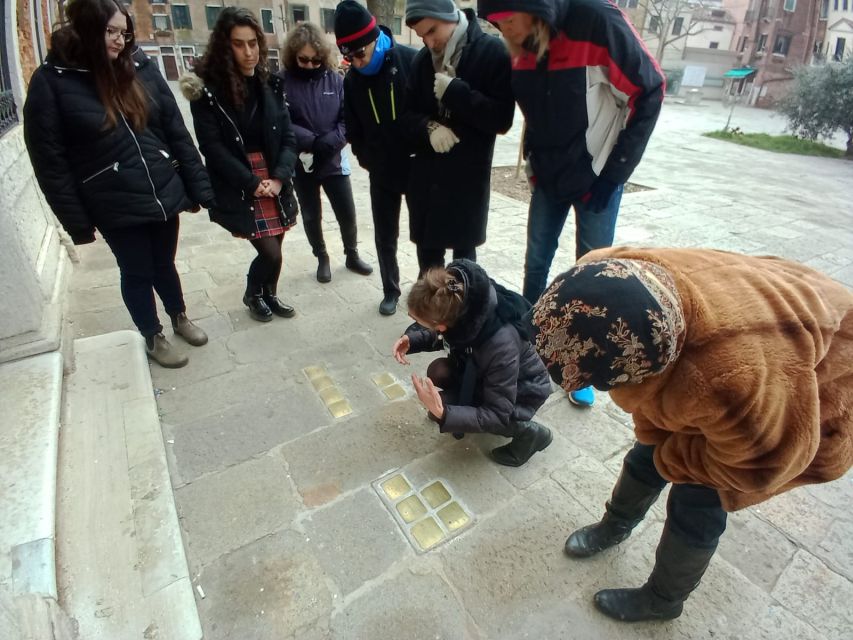
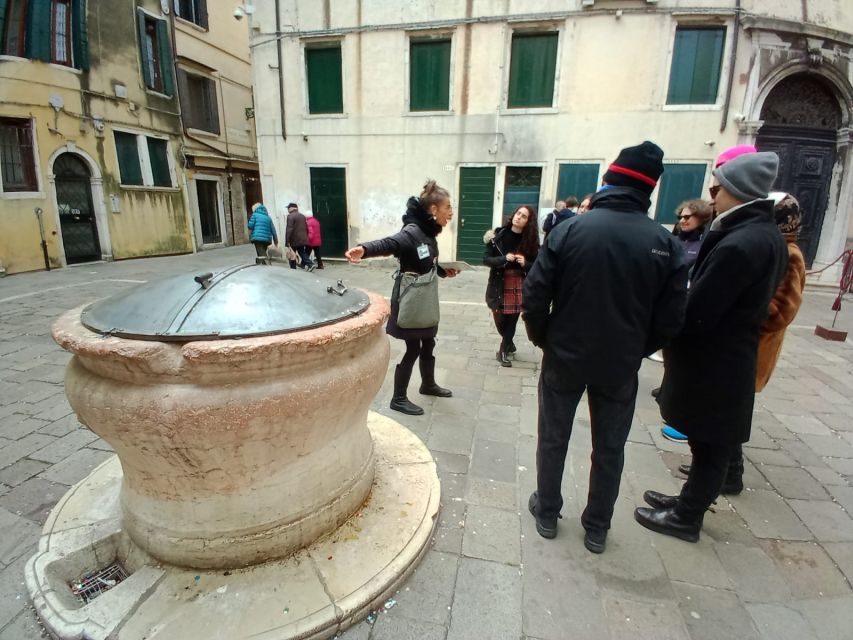
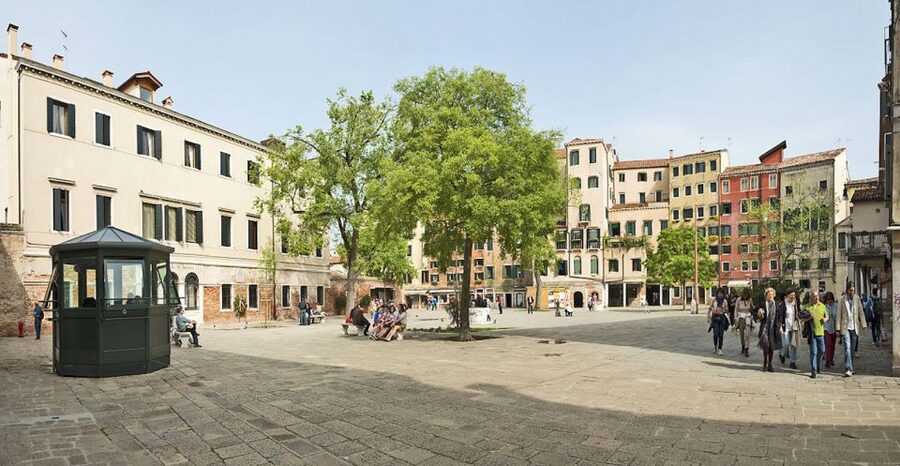
Venice is built for wandering, but this tour gives your wandering a purpose. You begin at Campo di Ghetto Nuovo, a square in the Cannaregio area that feels calmer than the postcard zones. The meeting point is specific: stand in the big open square and look for the black drinking fountain right in the center. You’re aiming to arrive 5 to 10 minutes early, because once the walk starts, it’s not possible to join midstream.
That early setup matters more than you’d think. Venice streets can be confusing, and a clear start point helps you relax. Once you’re with the group, the guide’s job is to help you see the neighborhood as a shaped environment—tall buildings, tight lanes, and small squares that carried a very real daily rhythm.
You can also read our reviews of more walking tours in Venice



What I like about the pacing
The whole experience is about 2 hours. That’s long enough to connect history to street layout, but short enough that you don’t feel trapped on a long haul. It’s also the kind of format that makes it easy to ask questions without the guide rushing you out the door.
Cannaregio and the walk into the Ghetto’s real geography
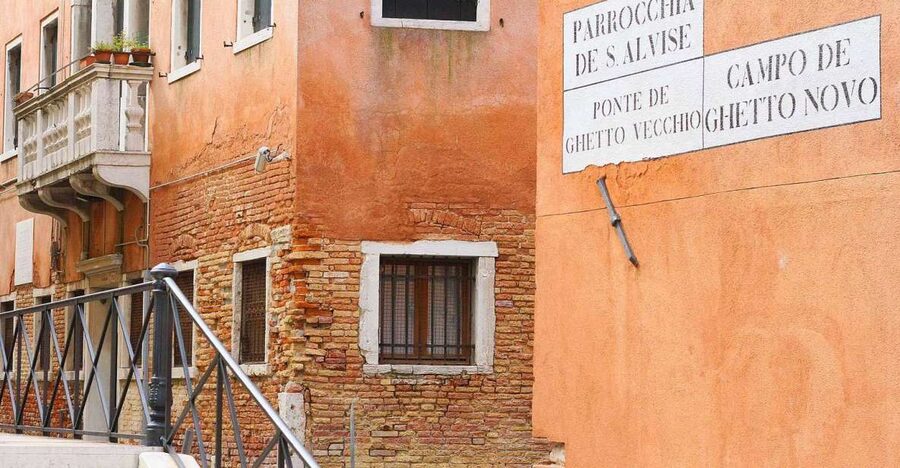
After you start, you move through the Cannaregio district into the heart of the quarter. This is where the story stops being abstract. The Venetian Jewish Ghetto is described as the oldest Jewish quarter in the world, founded in 1516, and you’ll hear how that establishment shaped life in a confined space.
As you walk, you’re not just passing sights. You’re getting a mental map of how the ghetto’s sections worked—commonly framed as Ghetto Nuovo and Ghetto Vecchio. The guide helps you connect what you see (building heights, narrow passages, intimate squares) to the lived experience of navigating restrictions while building community life.
Why this is a smart way to do Venice off the water
If your Venice days have been canals and architecture-only, this tour gives your brain a different kind of “seeing.” You start to notice how social life, work patterns, and community institutions can shape a city block just as surely as palaces do. It’s also a good break from crowds. Cannaregio feels more like a real neighborhood than a set.
Ghetto Nuovo and Ghetto Vecchio: tall walls, tight squares, and survival
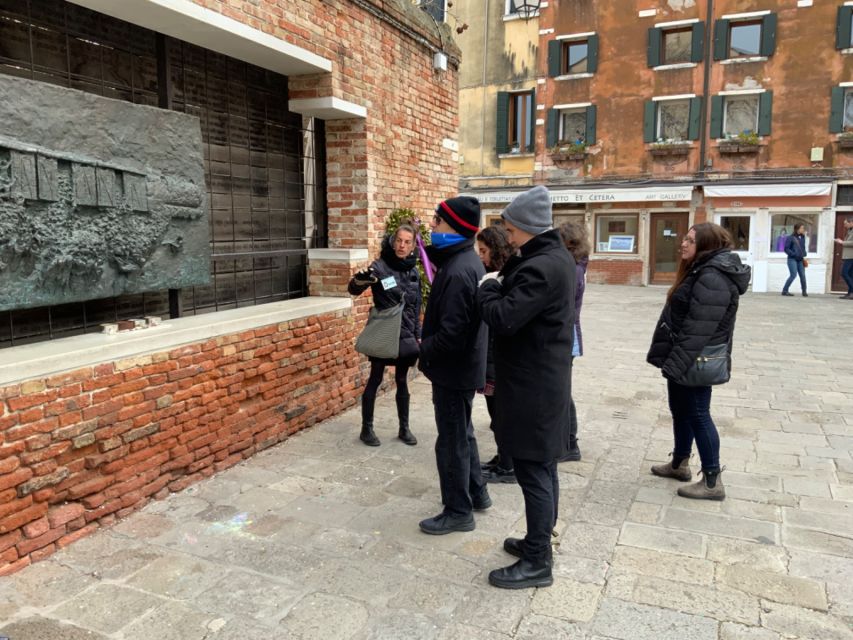
The walk includes both parts of the historic quarter, and you’ll spend roughly 30 minutes in the Jewish Ghetto area and additional time in the surrounding streets (short guided segments like 15 minutes at points along the route). The point isn’t to race through. It’s to let the guide connect time periods to physical place.
You’ll hear stories about resilience, tradition, and daily life—from the Renaissance onward into later centuries. The tone here is important: it’s not a theatrical “dark tour,” and it’s also not sanitized. The neighborhood itself forces the conversation to be human-scale: where people gathered, how they organized community life, and how rules affected ordinary routines.






One practical note: expect emotions
This is historically serious territory. The experience is respectful and designed to be thoughtful, but don’t plan this right after a late night or with a mindset of pure entertainment. I’d treat it as a meaningful stop that changes how you look at Venice afterward.
Campo del Ghetto Nuovo: the hidden niche you’ll actually remember
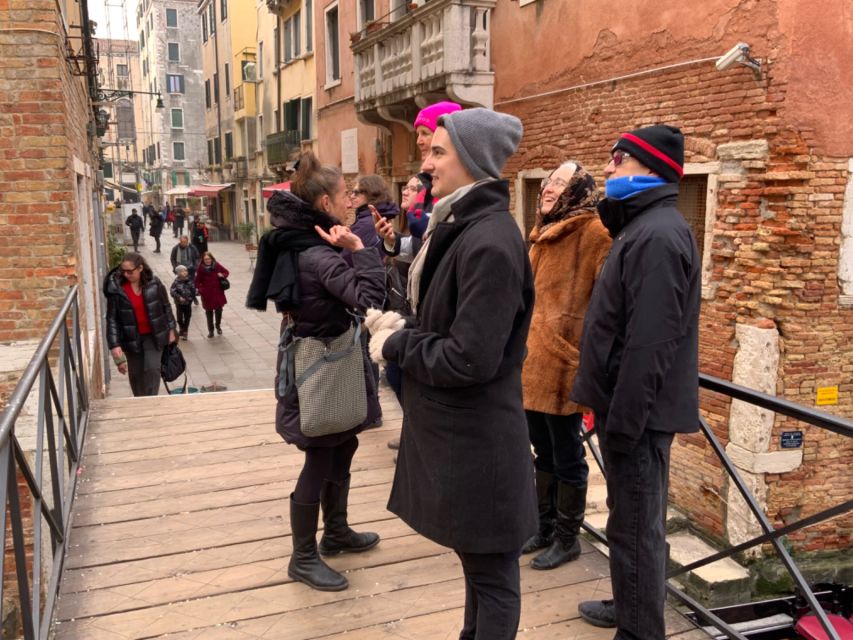
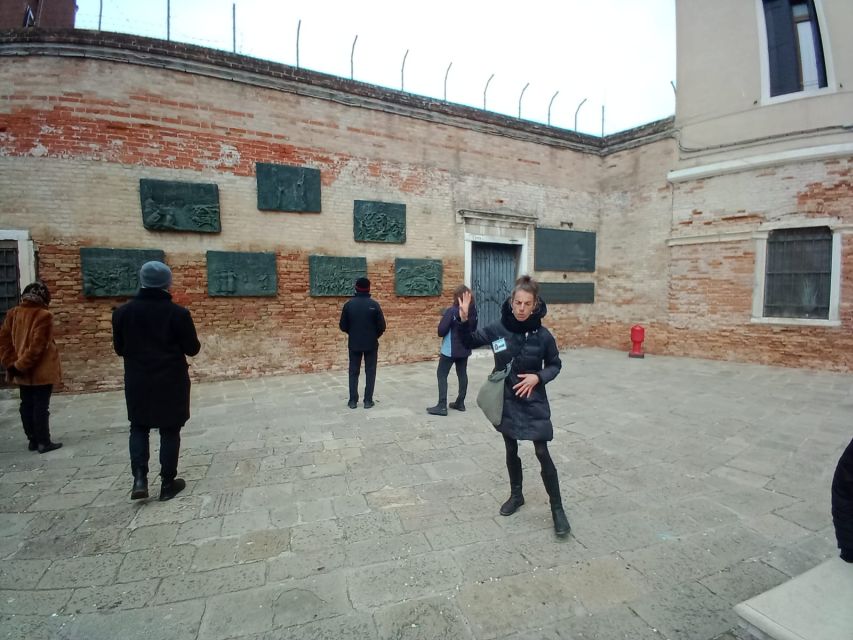
A standout for me is the tour’s attention to Campo del Ghetto Nuovo, not just as a landmark, but as a small stage for community life. Even if the square looks like any Venice square at first glance, the guide helps you read it differently once you know what was happening around it.
This is one reason the walking format works so well. You can’t see context from a single photo angle. Standing in the square and hearing what the space meant makes it stick.
Spanish Synagogue: what “behind modest exteriors” means in practice
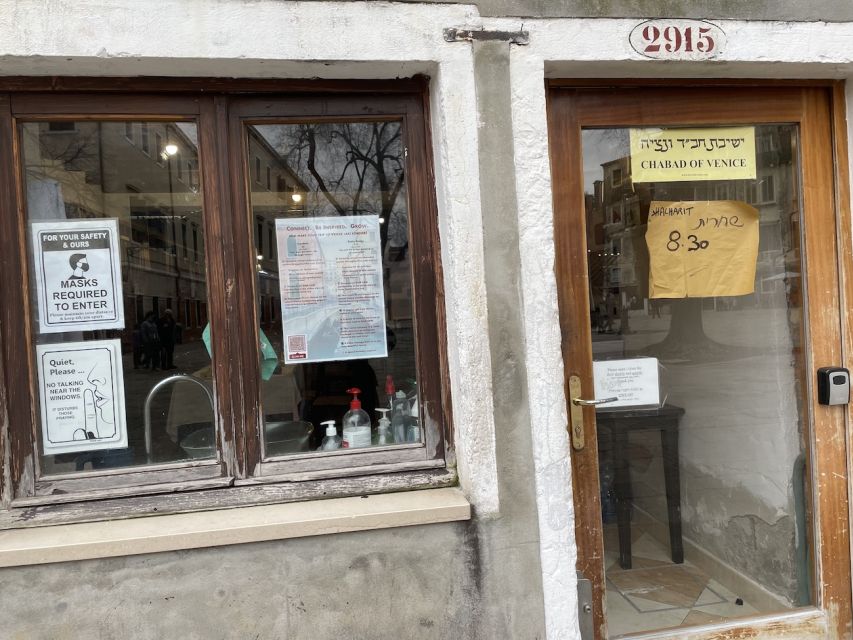
The first synagogue visit is to the Spanish Synagogue in Venice. You go in for a guided visit of about 30 minutes, and the guide explains what makes the room matter—architectural features, symbolism, and how religious life played out inside.
The tour framing emphasizes cultural influences too, especially the blend shaped by Sephardic and Ashkenazi traditions. In other words, this isn’t presented as one single-style religious space. It’s a community story told through design choices and tradition.
What to watch for
Don’t just look at the big visual elements. I’d focus on what the guide points out about meaning—how the space communicates identity and continuity. If you like history in a “show me what it looks like” way, this portion delivers.
Levantine Synagogue: another voice, same community story
Next comes the Levantine Synagogue, also with about 30 minutes of guided time. The value here is continuity. You’re learning how the community’s identity expressed itself through different synagogue traditions, not just repeating the same explanation twice.
Again, access is described as coordinated through the Jewish Museum of Venice, which matters because synagogue interiors are not always something you can simply wander into on your own. You’re seeing spaces that many visitors miss entirely.
A small constraint that can affect your plan
There’s a specific note that the Levantine Synagogue on Fridays is not included for this tour. If you’re visiting during that window, check your day of the week before you fall in love with the idea of both synagogue visits.
Jewish Museum is under restoration: how that changes the experience
One important heads-up: the Jewish Museum of Venice is under restoration and closed for visits. That museum interior is also explicitly listed as not included anyway. The good news is that synagogue access is still organized in cooperation with the Jewish Museum, so you’re not arriving for a museum stop that never happens.
Still, this is the kind of detail that can affect expectations. If you were hoping to spend time in museum galleries, build that time into another plan. This tour is mainly a walking-and-synagogue experience.
Tour guides and the question-answer culture
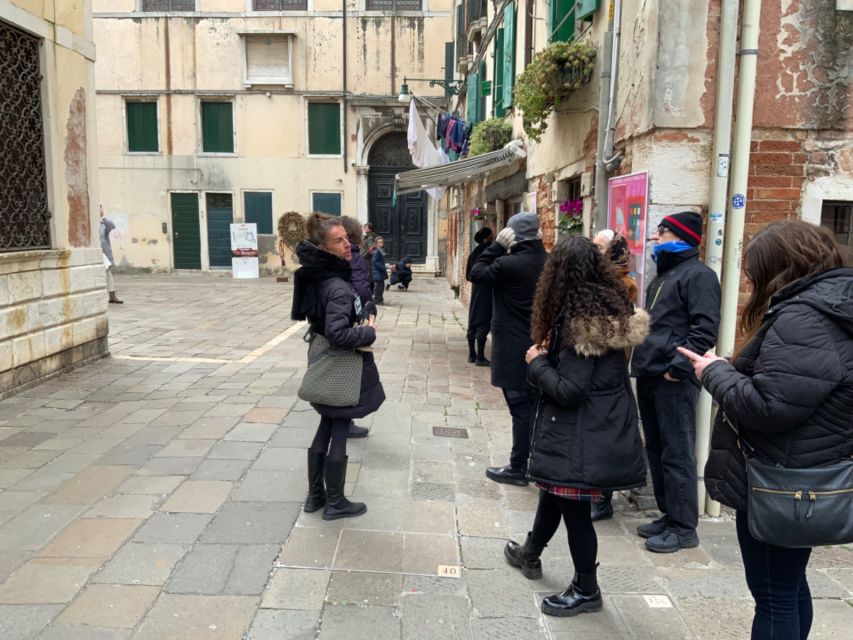
A big reason this tour earns such strong ratings is the guide style. Names that show up in the guide roster people mention include Claire, Martina, Anatasia, Carla, Carolina, Ilaria, Sandra, Christina, and Sylvia. Across those names, the common thread is a guide who keeps the focus on both Venice context and Jewish life, and who takes questions seriously.
One practical benefit of this approach: if you’re the type who asks why a rule existed or what a building detail signifies, you’re in the right place. The route is short, so you’re not just hearing a lecture while your feet move.
Price and value: what $105 buys you in Venice terms
At $105 per person for 2 hours, this isn’t “cheap Venice.” But it also isn’t just a generic walking tour. Your money goes toward:
- A professional local guide
- A structured walk through the key areas of the ghetto
- Entry to two synagogues with guided explanations, arranged with the Jewish Museum
In Venice, two things make tours expensive: time and access. Access is the big one here. Many visitors can’t enter historic synagogues at all, and when they can, it’s often without the kind of explanation that helps you understand what you’re seeing.
So for me, the value works best if you care about context. If you just want photos and canal views, you’ll probably feel the cost more than you feel the payoff.
Who should book this tour (and who should skip it)
This tour fits best if you:
- Want a serious cultural history stop in Venice, not just architecture
- Like walking tours that teach you how a neighborhood functions
- Are interested in how Jewish life shaped Venetian social and cultural life
- Enjoy synagogue interiors when they’re explained respectfully
It may not fit you if:
- You use a wheelchair or have mobility impairments (the tour isn’t suitable)
- You need a completely barrier-free experience
- You’re visiting on a Friday and were counting on both synagogue visits
- You’re not comfortable with dress requirements inside synagogues
Simple tips to make the most of Spanish and Levantine Synagogues
Before you go, pack for the reality of synagogue visits:
- Wear clothing that covers the belly, shoulders, and knees for both men and women
- Bring comfortable walking shoes; you’re moving through tight streets
- Keep your questions ready—this tour works well when you engage
Also, note the strict safety rule: weapons or sharp objects are not allowed. Venice is full of pocket knives and tourist “just in case” items—leave anything sharp at home.
Should you book the Venice Jewish Ghetto walking tour with synagogue visits?
Book this tour if you want Venice with meaning. The combo of ghetto walking plus Spanish and Levantine synagogue access is the big draw, and the short 2-hour format makes it feel focused rather than exhausting.
Skip it if you’re expecting light entertainment or you need a fully accessible, no-rules experience. The dress code and the fact that the Jewish Museum is closed for restoration are both part of the setup.
If you fall into the “I want the real Venice” camp, this is one of the best ways to do it—because after you’ve walked these streets and sat in these rooms, you’ll understand why this part of the city has never felt like background. It’s the story itself.
FAQ
Where is the meeting point for the Venice Jewish Ghetto walking tour?
You meet at Campo di Ghetto Nuovo. The guide will wait for you in the center of the square by the black drinking fountain.
How long is the tour?
The tour lasts 2 hours.
What synagogues are visited during the tour?
The tour includes visits to the Spanish Synagogue and the Levantine Synagogue.
Is the Jewish Museum included?
No. The tour states that the Jewish Museum interior visit is not included, and the museum is under restoration and closed for visits.
What dress code is required for synagogue visits?
Both men and women must wear clothing that covers the belly, shoulders, and knees in the synagogues.
Are synagogue visits available on Fridays?
The tour information notes that the Levantine Synagogue is not included on Fridays.
Is the tour wheelchair accessible?
No. It is listed as not suitable for wheelchair users or people with mobility impairments.
What language is the tour guide?
The tour is offered with a live guide in English.
Are there restrictions on what I can bring?
Yes. Weapons or sharp objects (such as a knife) are not allowed.
What’s included in the price?
Included are a professional local guide, a 2-hour walking exploration of the Jewish Ghetto, and entry to the Levantine and Spanish Synagogues, with access organized with the Jewish Museum.