REVIEW · TBILISI
Tbilisi: Guided Walking Tour of Historic City
Book on GetYourGuide →Operated by S.B Travel · Bookable on GetYourGuide
Five faiths and sulfur steam in one walk. This is a tight, 3-hour guided stroll through historic Old Tbilisi, mixing big-picture culture with street-level details, from the Five Religions Connecting Square to the domed roofs of Abanotubani. It’s small-group friendly (up to 10), and the guide’s stories make the places click fast, especially if it’s your first day in town.
I love how the route forces you to see Tbilisi as a real crossroad, not a museum. Five Religions Connecting Square is right there at the start, with multiple houses of worship close enough that you get the feeling of everyday coexistence, then the tour keeps that theme going all the way to older Armenian church sites near the finish. I also like the practical side: the guides (like Sally or Nick Z, as I’ve seen named in past groups) share food and drink recommendations and answer questions without rushing you out the door.
One thing to consider: you’ll cover a lot of uneven ground, and parts of the walk include stairs. The tour is wheelchair accessible, but the uneven surfaces and steps mean it may be a tough fit if mobility is limited and you need smooth paths the whole time. Also, some guests find the pace of information a little intense, so bring a notepad or just accept that you’ll remember the big stories first.
In This Review
- Key Highlights You’ll Actually Care About
- Getting Oriented at Magti Office and Finishing on Samghebro Street
- Five Religions Connecting Square to Meidan Bazar: Tbilisi’s Past at Street Level
- Jan Shardeni Street, Devil Street, and the Tamada Sculpture: Toasting Culture and Local Legends
- Peace Bridge to Metekhi Church: Modern River Crossings and the Founding Myth
- Abanotubani Sulfur Baths and Leghvtakhevi Waterfall: Smell, Texture, and Local Life
- Samghebro Street to the Historic Armenian Church: A Quieter Ending
- Price and Value for $14: Why This Walk Works for First-Time Tbilisi Days
- Who Should Book This Tour (and Who Might Skip It)
- Should You Book This Guided Walking Tour of Old Tbilisi?
- FAQ
- How long is the Tbilisi historic city walking tour?
- How much does it cost?
- Where do we meet and where does the tour end?
- What key places does the tour include?
- Is the tour wheelchair accessible?
- What language is the guide?
- Can I cancel, and can I add something like wine or lunch?
Key Highlights You’ll Actually Care About

- Five Religions Connecting Square: churches, a mosque, and a synagogue clustered in one powerful visual
- Metekhi Church + King Vakhtang Gorgasali: views over the Mtkvari River, plus the legend of Tbilisi’s founding
- Abanotubani sulfur baths district: domed brick roofs and the unmistakable sulfur atmosphere
- Bridge of Peace and Bridge of Love: modern river crossings that make the old town feel even older
- Berlin Wall Stone: a small monument with a big message about freedom
- Samghebro Street + Armenian Church: a quieter ending that feels less performative
Getting Oriented at Magti Office and Finishing on Samghebro Street
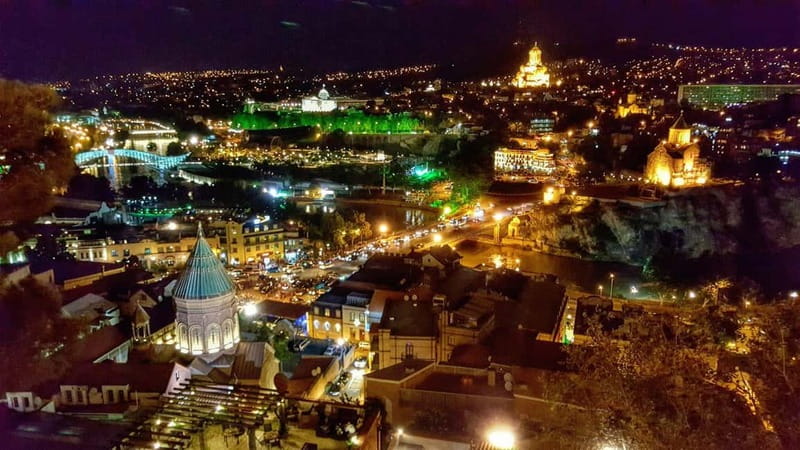
The walk starts in front of the Magti Office on Shota Rustaveli Avenue (20 Shota Rustaveli Ave). This matters because Rustaveli is the main artery where most first-timers arrive—so you’re not hunting for a weird side street with a dead phone battery. Expect a prompt start; the tour is designed as a smooth loop rather than a bunch of separate sightseeing stops.
You’ll wrap up at 1 Samghebro St, which is a nice choice because it drops you near the historic Armenian Church area and leaves you positioned to keep exploring on your own. The tour runs about 3 hours, and it’s a rain-or-shine format—so you’ll want comfortable shoes you can stand and walk in for a while. Bring water. (Old Tbilisi is steep in places, and you’ll appreciate hydration once you’re moving from church viewpoints down toward the bath district.)
What makes this setup good value at $14 per person is that you’re getting a guided route that hits multiple landmark clusters in one go. For people with limited time in Tbilisi, that can be the difference between “I saw a church” and “I understand why that church matters, and what the street around it is telling you.”
You can also read our reviews of more walking tours in Tbilisi


Five Religions Connecting Square to Meidan Bazar: Tbilisi’s Past at Street Level

The first big moment is the Five Religions Connecting Square, a rare visual of multiple faiths sharing close space. In practical terms, it sets the tone for the whole walk: you’re not just looking at architecture, you’re seeing how Tbilisi’s identity formed through centuries of overlap—cultural, religious, and social. The guide’s job here is to point out what you might otherwise miss: not only what the buildings are, but how the neighborhood arrangement communicates the city’s long habit of living together.
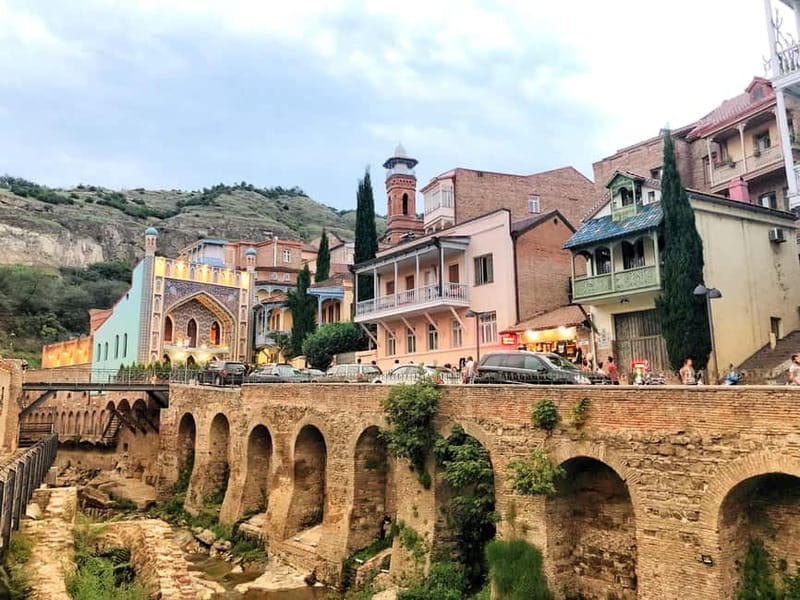
From there, you move toward the remnants of the Ancient Bazaar area—once a key hub for trade in the Silk Road era. Even when the surviving structures feel small or worn compared to newer landmarks, you’ll get a sense of how commerce shaped the street plan and local life. Think of it as urban archaeology you can walk through. You’ll likely have a photo stop, then a guided explanation that turns the “what is this wall?” moments into something understandable.
A good guide will also help you read the rhythm of the area: where people would have gathered, why certain lanes exist, and how trade brought different groups into contact. That’s where this tour earns its keep for history lovers: it doesn’t just name places; it explains why those places are connected.
Jan Shardeni Street, Devil Street, and the Tamada Sculpture: Toasting Culture and Local Legends
Next comes Jan Shardeni Street, one of the most atmospheric pedestrian-feeling areas of Old Tbilisi. It’s the kind of street where you can stand still and watch daily life—shops, small cafés, people drifting between historic corners. On a guided walk, the advantage isn’t that you’ll see something “new,” it’s that you’ll understand what you’re looking at: which landmarks are tied to stories, and how older street names fit into the city’s identity.
The route then takes you along Devil Street, where local legends live in the storytelling. This is one of those stops where you’ll get the cultural context that makes the name make sense. Even if you’re skeptical at first, you’ll appreciate the way legends reflect real fears, habits, or past events that locals kept alive through retelling.
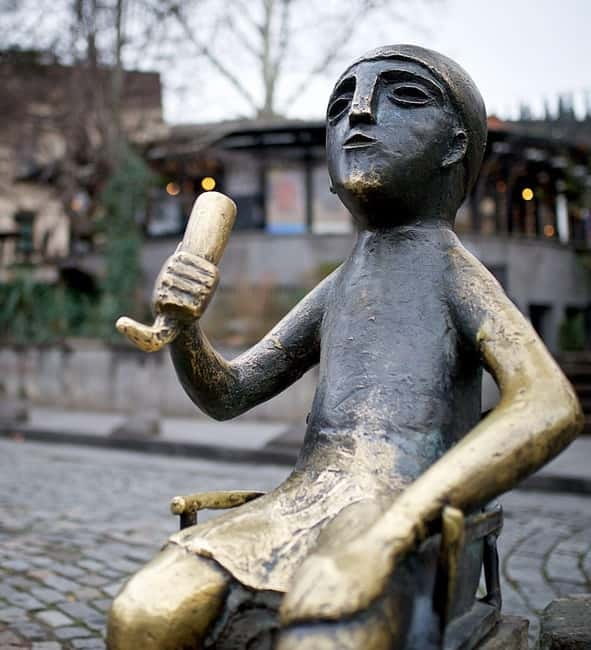
Then there’s the Statue of the Toastmaster (Tamada Sculpture). This isn’t random public art—it’s a nod to Georgia’s deep tradition of hospitality and skilled toasting. The guide uses this as a gateway into social etiquette in Georgian culture, which sounds abstract until you’re standing next to the sculpture. Suddenly it’s not just a statue; it’s a cue for how people celebrate, talk, and show respect.
If you like humor and human details, this is where the walk can feel especially fun. Past groups have praised guides like Sally for staying engaging, answering questions patiently, and keeping the tone friendly instead of lecture-only.
Peace Bridge to Metekhi Church: Modern River Crossings and the Founding Myth
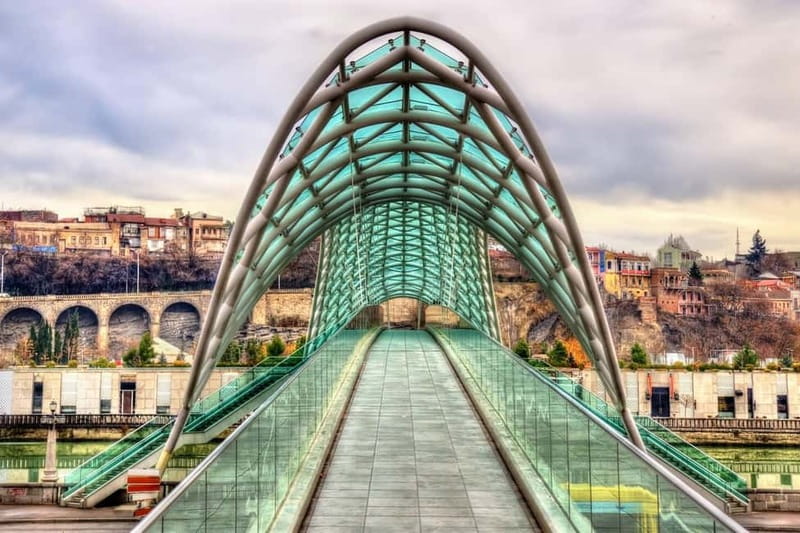
The walk’s energy shifts when you reach the Bridge of Peace. The bridge is a modern statement across the Mtkvari River, and it does a great job of highlighting contrast: old stone and historic lanes on one side, cleaner lines and newer urban ambition on the other. This contrast helps you understand the city’s timeline without needing a textbook.
From there, you’ll have time around Rike Park and Europe Square photo and walking moments, depending on the group pace and what the guide wants you to notice. Expect viewpoints—some you can admire while the guide explains how Tbilisi grew around its river position and civic spaces.
Next is a small stop with real emotional weight: the Berlin Wall Stone. It’s not big in size, but it’s big in meaning—an indicator of freedom and the values behind it. This is the kind of stop that can surprise you, because it shows how Tbilisi’s public storytelling isn’t locked only to Georgia. It’s part of a wider human narrative, placed right in your walk.
After that, you reach the star viewpoint: Metekhi Church. This is one of Tbilisi’s oldest churches and sits with an overlooking position above the river. The surrounding viewpoint helps you “read” the city from higher ground. Then comes the statue of the legendary founder, King Vakhtang Gorgasali, tying the landscape to the origin story.
If you’re a “why does that matter?” person, you’ll appreciate how the guide connects the church and statue to the idea of Tbilisi as a city with a founding narrative you can still feel in the streets.
Abanotubani Sulfur Baths and Leghvtakhevi Waterfall: Smell, Texture, and Local Life
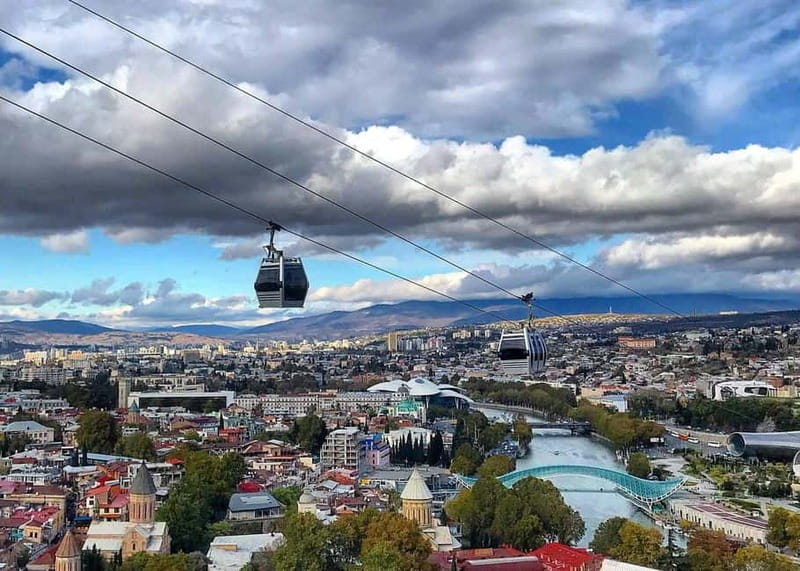
As you move into Abanotubani, the change is immediate: the district is known for sulfur baths, with domed brick roofs and a strong sense of atmosphere. Even without planning to enter a bathhouse, this area has a tactile feel—brick, arches, and the particular environment around the baths. You may notice the sulfur scent, which is part of why this stop works so well on a walking tour. It’s one of the few sightseeing spots in Tbilisi where the city practically introduces itself to your senses.
The itinerary also includes Leghvtakhevi Waterfall, which is a great contrast to the more architectural focus of the churches and bridges. A waterfall in a historic city walk can feel like a cheat code for atmosphere: it adds sound and movement when the streets otherwise feel still and stone-heavy.
This part of the tour is where I’d suggest keeping your expectations simple. You’re here for local texture and atmosphere, not a checklist of museum facts. Let the guide point out details (how the domes are arranged, why the bath district became important, what the area historically represented), then use your eyes for the rest.
It’s also a sensible time to pause for water, because this is typically where the walk can feel steeper or more uneven.
You can also read our reviews of more guided tours in Tbilisi

Samghebro Street to the Historic Armenian Church: A Quieter Ending
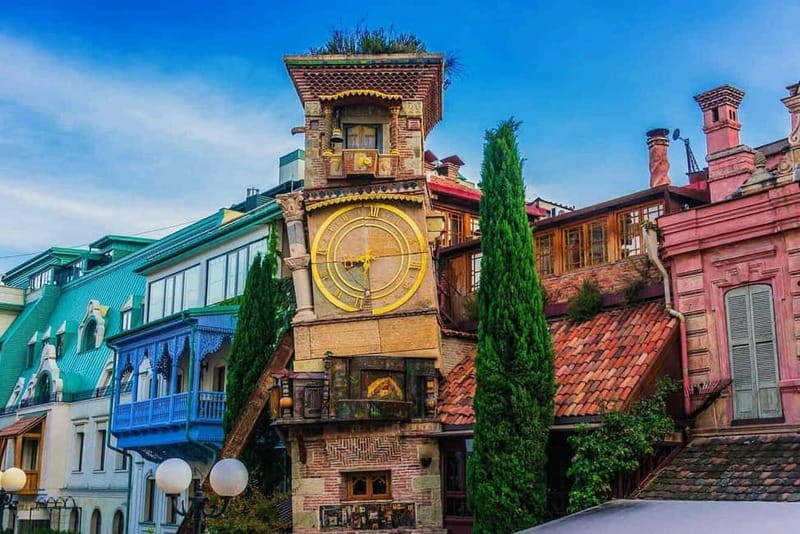
Toward the finish, you head to Samghebro Street, described as charming and less-traveled—exactly the kind of lane that helps you decompress after big landmark stops. In a guided tour, small streets matter because they show you the “in-between” spaces where local life continues, even when the main sights draw the cameras.
The tour ends at the historic Armenian Church, a quieter closing point that reinforces the multicultural story of Tbilisi. It’s not just another church on the way; it’s the final piece of the puzzle about how different communities shaped the city’s character. The guide’s storytelling often works best here, because you’ve already built context earlier—so the Armenian Church doesn’t feel random. It feels like part of a connected map of identities.
When the group finishes, you’ll likely have that “now I get it” feeling—the one where streets aren’t just streets anymore. They’re chapters.
Price and Value for $14: Why This Walk Works for First-Time Tbilisi Days
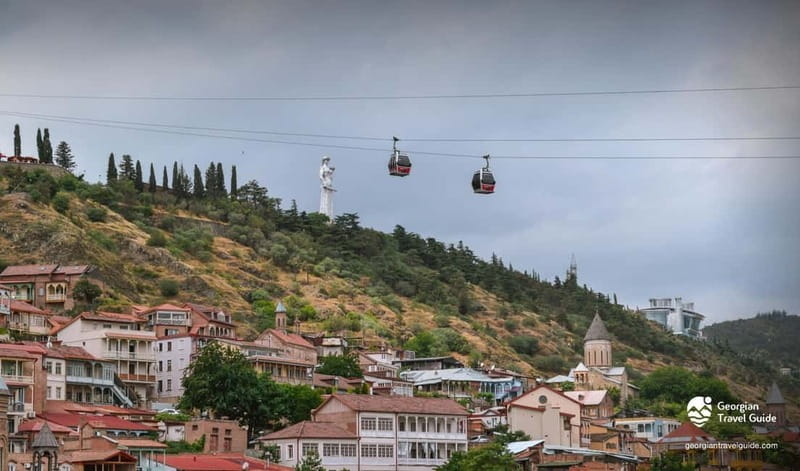
At $14 per person for about 3 hours, this tour is priced like a budget-friendly intro, but you’re not getting a watered-down experience. You cover multiple key landmarks that would be time-consuming to string together on your own, especially the clustered historic areas around the river and the bath district.
Here’s the real value: you’re paying for someone to connect the dots. Sites like Five Religions Connecting Square, Metekhi Church, Abanotubani, and the Berlin Wall Stone are meaningful on their own—but they become more memorable when a guide ties them into a consistent story about the city.
Also, the small-group limit (up to 10 participants) matters. With fewer people, you’re more likely to get answers to questions and actually keep up with the pace without feeling like you’re in a human conveyor belt. Many groups highlight friendly, engaging guidance and generous Q&A time, plus practical recommendations for what to eat and where to go next. One named example in past experiences includes a khinkali recommendation tied to Kinkale House.
If you have limited time and want a guided orientation that also gives you ideas for your remaining hours in Tbilisi, this is a strong use of money.
Who Should Book This Tour (and Who Might Skip It)
This is a great fit if you:
- Want a fast orientation to Old Tbilisi’s historic core
- Like culture and stories, not just photos
- Prefer walking with stops that include explanation and time for questions
- Are looking for a first-day plan that sets you up for the rest of your trip
It may be less ideal if you:
- Need smooth, step-free walking routes the whole way (some parts have uneven surfaces and stairs)
- Want a slow, low-information walk. Some groups feel the information flow can be a lot, even though the pace includes stops.
Language-wise, the tour runs in English or Russian. If you want a specific language, check what’s available before you go.
Should You Book This Guided Walking Tour of Old Tbilisi?
I’d book it if you want a guided introduction that covers the city’s identity points—faith coexistence, founding legends, and the bath district atmosphere—without eating up your entire day. The $14 price makes it easy to justify, and the route is efficient for seeing the key “musts” plus a quieter ending on Samghebro Street.
I’d think twice only if stairs and uneven ground would be a problem for you. If that’s the case, ask in advance how much of the route you can manage, or consider a shorter, more accessible option.
If you do book, wear comfortable shoes, bring water, and treat the walk like a guided story you’ll replay later when you wander Old Tbilisi on your own.
FAQ
How long is the Tbilisi historic city walking tour?
It lasts about 3 hours.
How much does it cost?
The price is listed as $14 per person.
Where do we meet and where does the tour end?
Meet in front of the Magti Office. The starting point is at 20 Shota Rustaveli Ave, and the tour finishes at 1 Samghebro St.
What key places does the tour include?
You’ll visit spots such as Five Religions Connecting Square, the Metekhi Church area with King Gorgasali, Bridge of Peace, Berlin Wall Stone, Abanotubani, and the historic Armenian Church, along with several photo stops in between.
Is the tour wheelchair accessible?
It is marked as wheelchair accessible, but some parts include stairs and uneven surfaces, so limited mobility could be an issue.
What language is the guide?
The guide offers live commentary in English and Russian.
Can I cancel, and can I add something like wine or lunch?
Free cancellation is available up to 24 hours in advance for a full refund. Optional wine tasting or lunch can be arranged if you contact in advance.