REVIEW · SYRACUSE
Syracuse: Ortigia Classic Walking Tour
Book on GetYourGuide →Operated by Hermes Sicily Tours · Bookable on GetYourGuide
Ortigia has a way of making time feel slower, and this 2-hour classic walking tour is a great shortcut into Syracuse. I like that you start at the Temple of Apollo, then work your way through the most story-packed squares and churches in a tight route. I also like the pacing with a small shared group (usually around 10), plus clear listening support when it gets busy.
One thing to consider: Ortigia is narrow and crowded, and this tour happens rain or shine. If you’re aiming for a quiet, slow stroll, the shared timing can mean you share space with other tour groups and street traffic.
In This Review
- Key highlights you will actually notice
- Walking Ortigia Like a Local: Why This 2-Hour Loop Works
- Starting at the Temple of Apollo: Your First Big Clue
- Piazza Archimede and Cathedral Square: The Heart of Ortigia
- Visiting the cathedral interior (optional)
- Diana Fountain and the Center of Street Life
- Aretusa Spring: Myth, Papyrus, and Sea-Air Views
- Castello Maniace: Quick Views That Add Depth
- Via della Giudecca: Seeing the Past in Plain Sight
- Church of Saint John Baptist: Another Piece of the Puzzle
- How the Group Size and Audio Support Feel in Real Life
- Pace, Timing, and What You Might Want to Do After
- Price and Value: Is $22 a Good Deal?
- Who This Tour Suits Best (and Who Might Want a Different Option)
- The Practical Stuff: What to Bring and What to Expect
- Should You Book It?
- FAQ
- How long is the Syracuse: Ortigia Classic Walking Tour?
- Where does the tour start and end?
- What’s included in the ticket price?
- Is the cathedral interior visit included?
- What language is the guide?
- Does the tour run in bad weather?
- How big are the groups?
Key highlights you will actually notice
- Temple of Apollo start: you get the ancient Greek context immediately, before the streets get too twisty
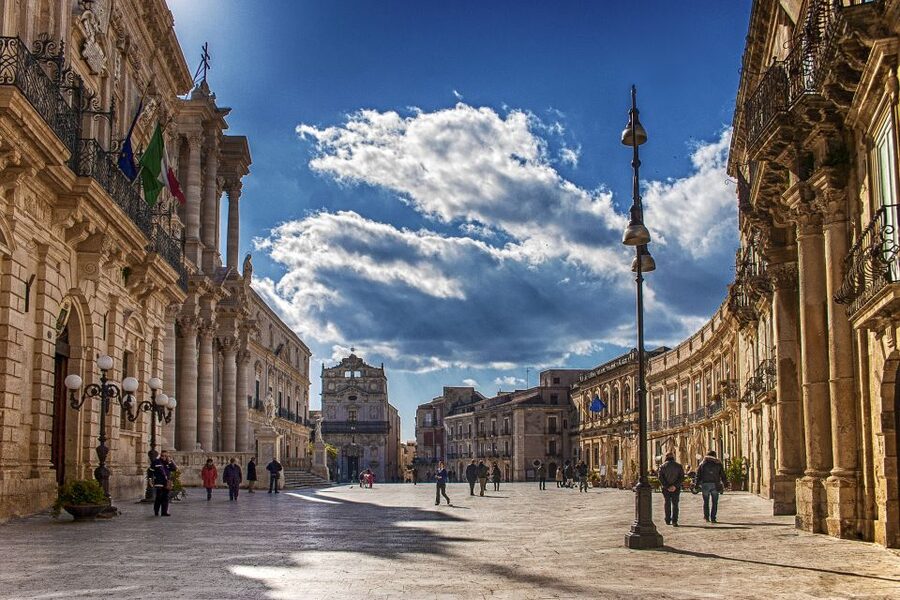
- Duomo square focus: you see why the cathedral area is the heart of Ortigia life and weddings
- Aretusa Spring views: the mythical spring plus papyrus plants is a memorable shift from stone streets to water
- Giudecca district walk: you pass through the former Jewish quarter area with practical historical explanations
- Small-group feel: max 25 people, often closer to 10, so questions and photos both fit
- Good audio: headsets are provided when needed so you don’t have to keep up with shouting
Walking Ortigia Like a Local: Why This 2-Hour Loop Works
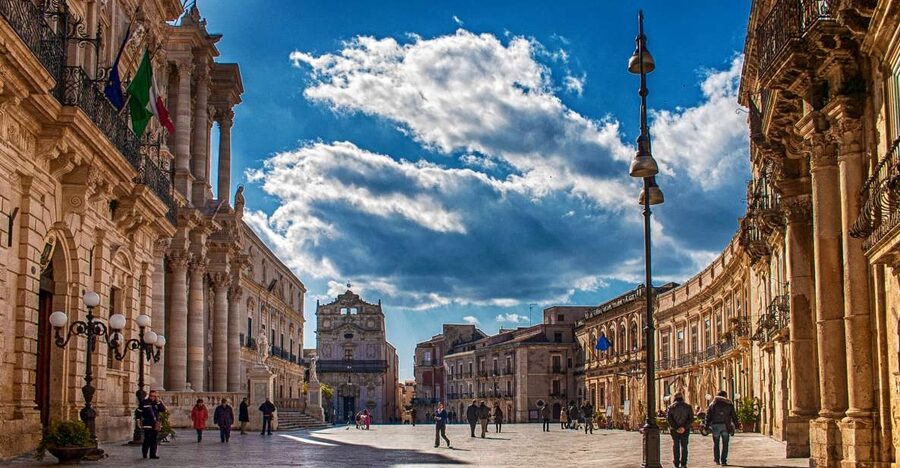
Ortigia (the old island center of Syracuse) can feel like a maze—beautiful, historic, and easy to get turned around in. This tour is built for orientation. In two hours, you cover the core sights that give the place its character: Greek beginnings, Christian layers, and sea views, all on foot.
For me, the value is that it’s not just a photo route. Your guide sets the story in motion so you know what you’re looking at as you move from one square to the next. That makes the streets feel less random and more intentional—like the city is talking to you in order.
You can also read our reviews of more walking tours in Syracuse

Starting at the Temple of Apollo: Your First Big Clue
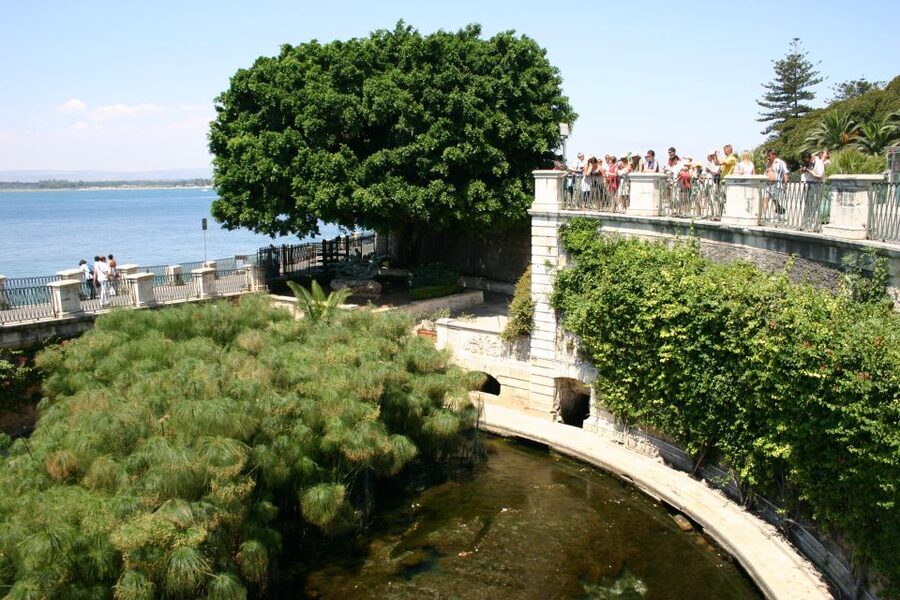
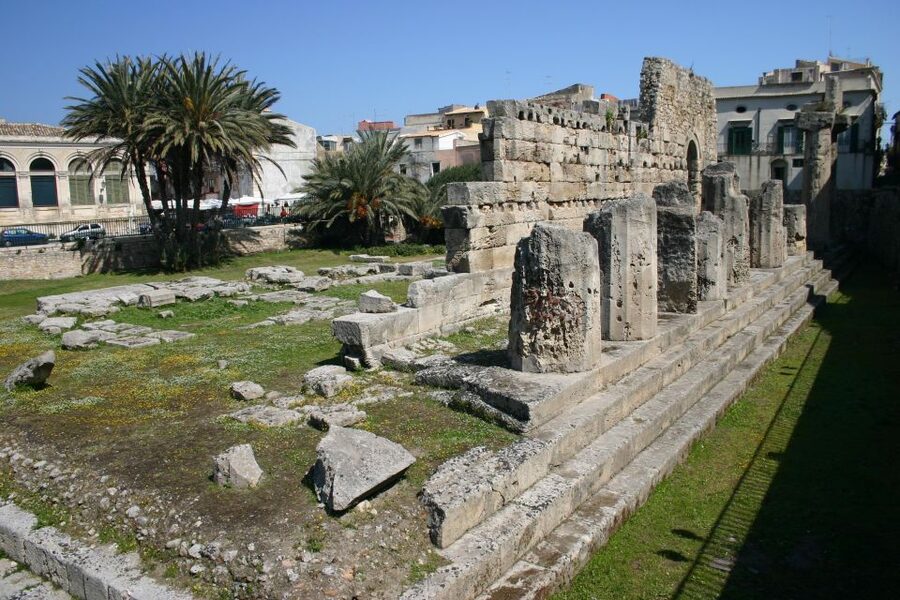
The tour begins at the ancient Temple of Apollo at the entrance to Ortigia. That matters because it anchors the whole walk in the Greek city that came before the later medieval and Baroque layers. You’re not trying to guess the timeline when you’re standing in front of massive stone and street-level clues.
From there, you move toward Piazza Archimede, which is a smart transition. You go from a single monumental reference point to a wider open space where the city’s later identity takes over. If you want to understand Syracuse fast, this start helps a lot.
Practical tip: bring comfortable shoes. Ortigia streets can be uneven, and you’ll be walking the whole time. This is also a shared group, so you’ll follow a steady flow rather than stopping for long independent detours.
Piazza Archimede and Cathedral Square: The Heart of Ortigia
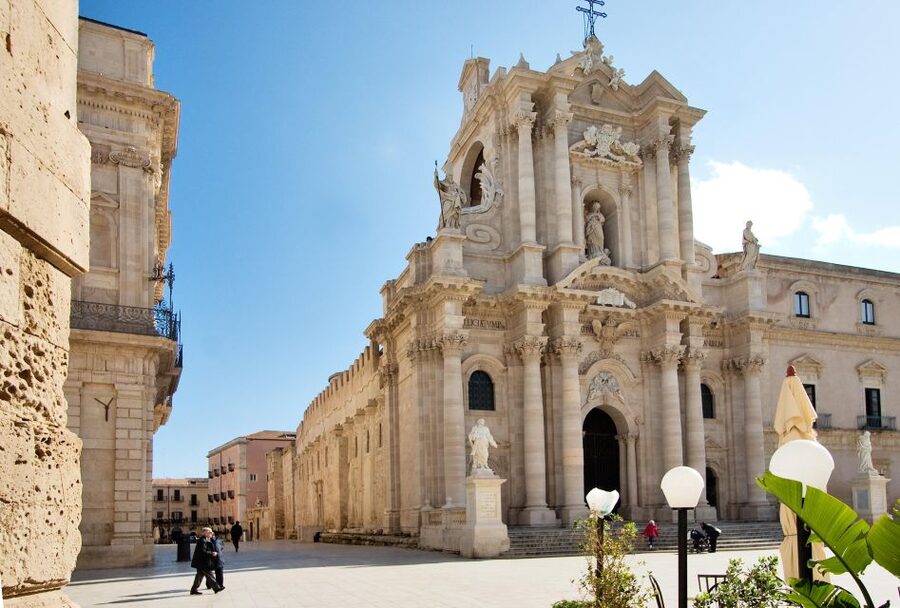
The tour spends time around the cathedral square area, where the layers of Syracuse become obvious. You’ll learn about the set of palazzi and churches that define the area, and you’ll also hear about the main civic sites like Palazzo Vermexio (town hall) and Palazzo Beneventano del Bosco.
Here’s the fun part: the cathedral isn’t just a church stop. It’s chosen as a wedding venue, which tells you something about how this space functions in everyday life, not only in textbooks. You’ll get a clear sense that the most important buildings here still matter for modern moments.
Visiting the cathedral interior (optional)
The cathedral interior visit is optional and depends on access. When it’s available, your guide may help you see inside; the €2 entrance ticket is not included. If it isn’t accessible, you’ll have a brief coffee break instead.
That optional structure is worth planning around. Even if you skip the interior, the square itself gives you the “why” of the architecture and placement. If you do want the interior, budget that small extra fee.
Diana Fountain and the Center of Street Life
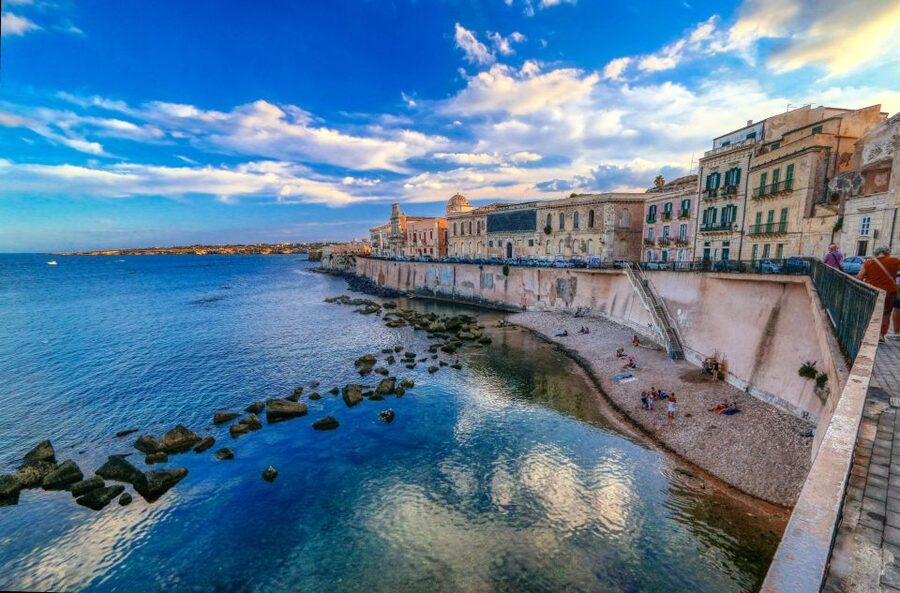
Before you settle into the cathedral area, you’ll pass the Diana Fountain, a centerpiece that helps break up the walk and give you a moment to reset. It’s the kind of detail that makes Ortigia feel human—people gathering, photos being taken, and the city’s rhythm showing through.
This part of the tour is also where you’ll hear local context tied to the city’s daily culture and religious celebrations. The guide connects buildings to events, not just dates. That is the easiest way to make a short tour feel more personal.
Aretusa Spring: Myth, Papyrus, and Sea-Air Views
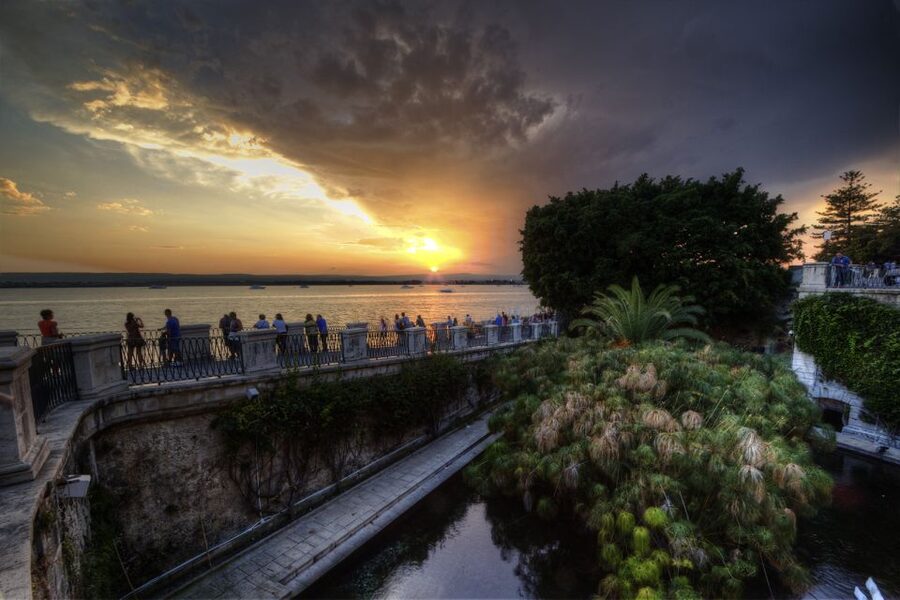
One of the tour’s best shifts happens when you reach Arethusa (Aretusa) Spring. The spring is famous in local lore, and you’ll learn about the mythical background while you’re standing in the place itself. That’s where the tour stops feeling like a checklist and starts feeling like a scene.
You’ll also hear about the papyrus plants, which gives the spring a recognizable, almost theatrical atmosphere. It’s a different texture from the stone streets—more open, more water-focused, and usually a welcome change after squares and churches.
From the spring area, you also take a scenic stroll along the seafront promenade. That matters because it shows you how the island city meets the sea. You’ll get “postcard views” in a way that still feels like part of the walk, not an interruption.
Castello Maniace: Quick Views That Add Depth
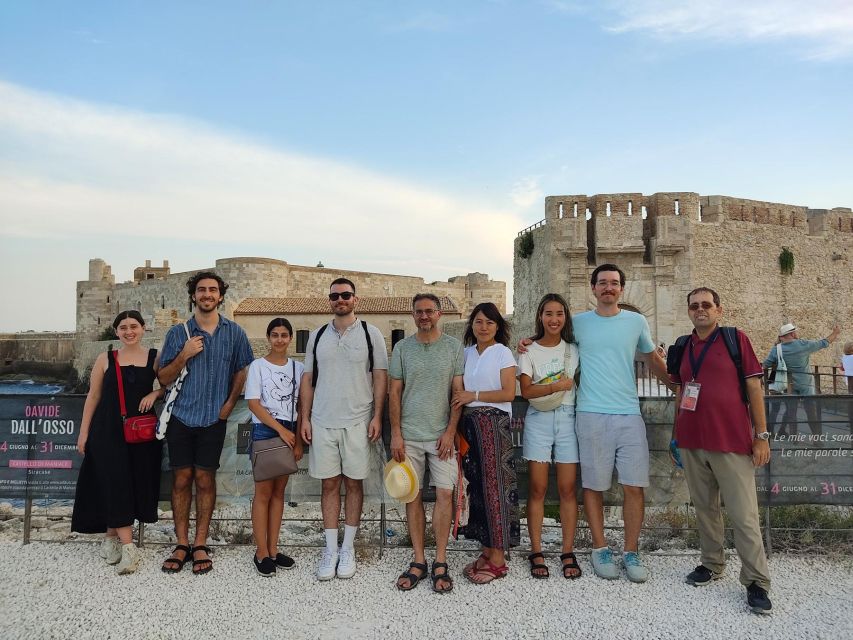
You’ll catch scenic views on the way toward Castello Maniace. This stop is not positioned as a long museum visit, but that’s part of the appeal. You get the shape of the fortress and the coastal setting without turning the tour into a full excursion.
If you’re the type who enjoys seeing the next story chapter—even briefly—this is a good moment. Those views help you picture what Ortigia looks like beyond the tight streets.
Via della Giudecca: Seeing the Past in Plain Sight
The tour includes a walk through Via della Giudecca, with a visit that highlights the former Jewish district area. You’ll get glimpses into that past district and its significance, guided by the explanation you receive while walking through the streets.
This kind of stop is valuable because it connects history to geography. You’re not only hearing about a neighborhood; you’re seeing how the streets are arranged and where the story would have unfolded. It’s a calm, thoughtful change from fountains and cathedral square energy.
Church of Saint John Baptist: Another Piece of the Puzzle
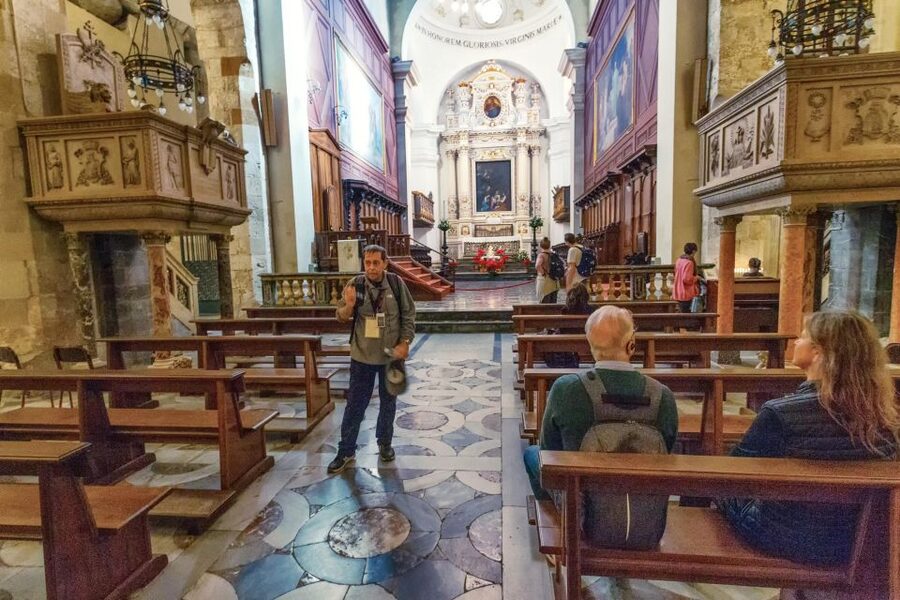
You’ll also visit the Church of Saint John Baptist, with guided commentary. Even if you’ve seen a lot of Italian churches, this stop works because it’s not random. It’s one of the waypoints your guide uses to build the bigger picture of Syracuse’s cultural mix.
The walk through the church area fits the theme: Greek foundations, Christian prominence, and everyday religious life that continues to shape the city’s calendar. The guide also ties in celebrations like St. Lucy’s feast and its grand procession, which helps you connect what you see to what locals do.
How the Group Size and Audio Support Feel in Real Life
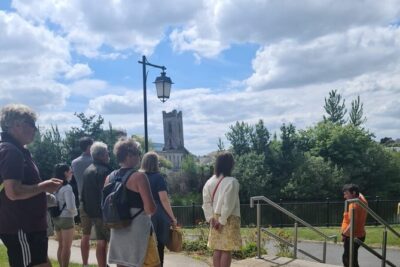
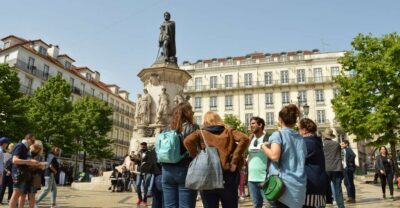
This is a shared tour with a maximum group size of 25, though groups are typically around 10. That size is big enough to feel social, but small enough that you can ask questions without shouting across the street.
Headsets are provided for free when it’s a larger group, so you can hear your guide clearly. In practice, that means you don’t lose the story when you pause for photos or when the street gets crowded. It also makes it easier to stay with the group at a comfortable pace.
One more detail that comes up with good guides: they keep the rhythm going without rushing you. That balance matters in Ortigia, where it’s tempting to slow down for every doorway and balcony.
Pace, Timing, and What You Might Want to Do After
At around two hours, the tour is long enough to get the main highlights and short enough to keep your energy. You’ll finish near Piazza Archimede (with drop-off options connected to the route such as Fountain of Diana and Piazza Archimede).
When you’re done, I’d use the momentum. Ask your guide for a couple of next steps based on what you liked most—ancient sights, church interiors, or sea views. Your guide can point you toward nearby monuments or food areas, which is often where a short tour becomes the start of your real day in Ortigia.
Price and Value: Is $22 a Good Deal?
For $22 per person, you’re paying for a guided walk through several major anchors: Apollo Temple area, Archimede-focused squares, cathedral square context, Aretusa Spring, the Giudecca district, and a church stop—plus headsets if needed. The biggest part of the value is not the number of stops. It’s the way the guide connects them so you understand the layers as you walk.
Also, you get English or Italian live guiding. That matters because Ortigia can be tough to interpret on your own quickly. A short guided loop is often cheaper than trying to buy the right context piecemeal on your own.
The only extra cost that’s clearly identified is the optional cathedral entrance ticket (€2). If cathedral interior access is important to you, that’s the small add-on to factor in.
Who This Tour Suits Best (and Who Might Want a Different Option)
This is a smart fit if you:
- want an easy way to get oriented in Ortigia fast
- like your history explained through the places themselves
- enjoy short group tours with a chance to ask questions
- want a mix of ancient Greece, Christian architecture, and sea scenery
It may not be ideal if you:
- need a quiet, low-crowd experience
- dislike sharing narrow street space with other groups
- are very sensitive to the pace of a group walk (because it’s designed to keep moving)
One practical note: the meeting point can vary by option, and some people find it a little unclear if there are multiple tours happening in the same area. Build in a few extra minutes so you’re not stressed when you spot the group.
The Practical Stuff: What to Bring and What to Expect
Plan on walking comfortably. The tour is wheelchair accessible, but it still involves outdoor streets and time on foot. If you’re bringing someone with mobility needs, comfortable footwear and extra time at crossings will make the experience smoother.
The tour runs rain or shine, so bring a light layer or rain protection if that’s your style. Also, keep the group’s listening setup in mind: if you’re in a larger group moment, headsets are provided to help you hear the guide.
Language options are English or Italian. In rare cases and very small groups, explanations could be given in both languages.
Should You Book It?
I’d book this tour if you want the fast route to understanding Ortigia without getting stuck playing “guess the era” in every square. The Apollo Temple start, the cathedral square focus, and the Aretusa Spring break make the route feel well designed for a short visit.
If you’re flexible about crowding and you wear comfy shoes, this is strong value at $22. Just be ready for the reality of narrow streets and shared time in a popular area—and you’ll come away with a much clearer sense of Syracuse than you would from wandering alone.
FAQ
How long is the Syracuse: Ortigia Classic Walking Tour?
It lasts about 2 hours.
Where does the tour start and end?
It starts at the Apollo Temple at the entrance of Ortigia. It ends around Piazza Archimede, with drop-off options tied to the route such as Piazza Archimede and the Fountain of Diana.
What’s included in the ticket price?
Your ticket includes a live tour guide and headsets to hear the guide clearly when needed. The cathedral entrance ticket is not included.
Is the cathedral interior visit included?
No. The cathedral interior is optional when accessible. The entrance ticket is €2 and is not included.
What language is the guide?
The tour offers live guiding in English or Italian.
Does the tour run in bad weather?
Yes, it runs rain or shine.
How big are the groups?
The tour has a maximum group size of 25 participants, and typically the groups are around 10.