REVIEW · SYDNEY
Sydney Shore Excursion: Sydney Opera House Walking Tour
Book on Viator →Operated by Sydney Opera House · Bookable on Viator
You can see the Opera House fast, and still learn a lot. This one-hour walking tour turns the iconic shells of Sydney Opera House into a story you can follow, with expert guide commentary and small-group access inside. You’ll cover performances, architecture, and the construction controversies that began in 1958 and led to the formal 1973 opening with Queen Elizabeth II in attendance.
What I like most is the small group feel and the clear way you get the facts. A second win is the headset system—each person gets audio gear—so you can hear your guide whether you’re at the front or stuck in the middle. In tours like this, that one detail changes everything.
One thing to keep in mind: there are about 300 stairs, and you’ll see multiple areas of the complex, not every single theater. If you expect a full walkthrough of the whole building, you may feel a bit limited.
In This Review
- Key highlights at a glance
- Opera House in One Hour: What This Walking Tour Really Delivers
- Meeting at Bennelong Point and Getting the Right Starting Leg Up
- Foyers, Pillar-Free Chambers, and the White Birch Chair
- Construction Controversies, Shell Tiles, and Danish Architect Notes
- Photo Rules and Off-Limits Vantage Points You Can Use
- Tour and Dine: Opera Bar, House Canteen, or Midden by Mark Olive
- Fitting It Into a Cruise-Day or Tight Sydney Schedule
- Who This Small-Group Opera House Tour Is Best For
- Should You Book This Sydney Opera House Walking Tour?
- FAQ
- How long is the Sydney Opera House walking tour?
- Where does the tour start and end?
- Does the tour include an audio system?
- About how many stairs are on the tour?
- What’s included in the price, and what costs extra?
- Can I take photos inside the Opera House?
Key highlights at a glance

- Small group size (max 10) for a more personal pace and easier questions
- Headset audio so you hear the guide clearly throughout
- Insider access to areas usually off-limits plus a few rehearsal-style surprises if timing lines up
- The large pillar-free chamber and a custom-made white birch chair
- Construction stories from 1958 through opening day in 1973, plus Danish architect context
- Tour & Dine option at Opera Bar, House Canteen, or Midden by Mark Olive
Opera House in One Hour: What This Walking Tour Really Delivers

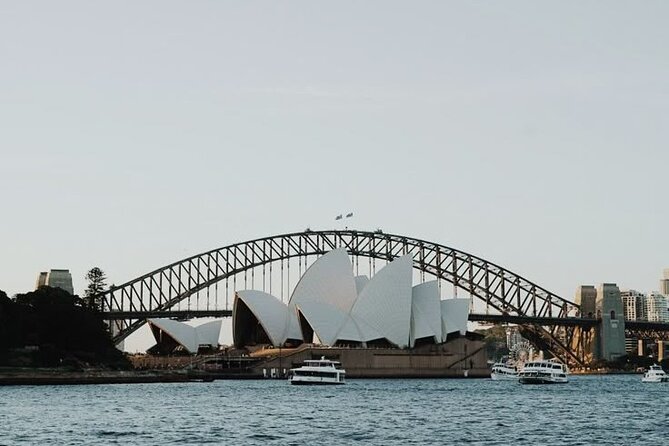
Sydney Opera House is one of those places you already recognize before you arrive. The thing is, from street level it can feel like just a pretty landmark. This tour flips that. You walk the grounds at a leisurely pace while the guide connects the building to what happens inside—plays, musicals, concerts, and dance.
The “one hour” frame is part of the appeal. You get an efficient loop through major spaces, enough to understand why the building looks the way it does, and why it mattered from day one. You also learn how the complex works: it’s not a single theater. It’s a cluster of venues that hosts more than 1,500 performances per year and draws millions of visitors.
The tour’s biggest strength is that it’s not just exterior sightseeing. You’ll sit in a custom-made white birch chair, look up at vaulted ceilings, and explore big rooms like the pillar-free chamber that makes the Opera House feel almost impossible in scale. And since this is UNESCO World Heritage-listed, the commentary naturally ties architecture to cultural impact.
Yes, you may miss some areas if your tour day doesn’t get the access you want. Also, the schedule moves at a pace that assumes you can handle stairs. But if you want a solid “understand this place” visit—without committing to an evening show—this format works.
You can also read our reviews of more walking tours in Sydney

Meeting at Bennelong Point and Getting the Right Starting Leg Up
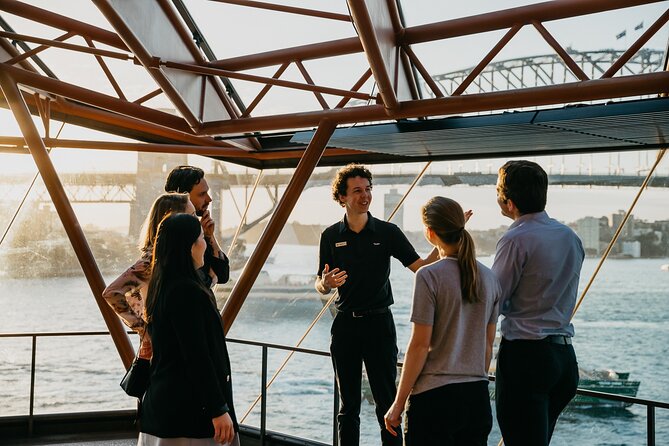
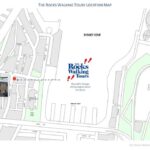
You’ll meet at Sydney Opera House, Bennelong Point (Welcome Centre area), Sydney NSW 2000. The tour returns to the same place, which is handy if you’re juggling a tight cruise-day schedule or connecting to transit right afterward.
Plan to arrive early. You should be at the Welcome Centre 15 minutes before your start time for check-in and cloaking procedures. After that, the tour runs on schedule—if you’re more than 5 minutes late, your spot can be forfeited. That’s not unusual for small-group experiences, but it’s worth treating seriously.
Another practical note: the meeting point is close enough that port pickup isn’t offered because the Opera House is just a short stroll away. If you’re on foot, keep your navigation simple: aim for the Opera House first, then follow staff direction at the Welcome Centre.
Before you go inside, expect the building workflow—checking/coats/cloaking processes—plus a bag check type of system. Bring a small day bag if you can. If you travel with anything large, plan for it to get handled at the start.
Finally, wear comfortable shoes. This is a walking tour, not a sit-down museum loop. Even with the hour length, you’ll be moving enough to want grippy footwear.
Foyers, Pillar-Free Chambers, and the White Birch Chair
Your tour starts with the Opera House as a visitor might recognize it, but the route soon turns into the parts that make you go, Oh, so this is what people mean when they say the interior is as iconic as the outside.
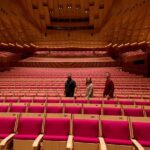
One standout stop is a visit to one of the Opera House’s largest pillar-free chambers. That pillar-free design isn’t just an architectural flex—it changes your whole sense of space. You can look across the room without visual interruptions, which makes it feel open and theatrical in a way photos never fully capture.
Then comes the moment many first-timers remember: you’ll sit in a custom-made white birch chair and look up at a vaulted ceiling. Even if you’re not a design nerd, the chair-and-ceiling combo helps you understand scale fast. The guide uses this kind of spot to explain interior choices and how they connect back to the building’s exterior “shell” language.
You’ll also walk through elegant foyers and custom viewing areas your group can access on this schedule. If you’re used to walking around major attractions taking pictures from the same safe perimeter, the difference here is that you’re given time in spaces that feel more like parts of the working venue than a viewing platform.
A big plus: access and viewing can include spaces that are typically not regularly open to the public. And if you’re lucky, you may catch a rehearsal in progress or see a bit of backstage flow. This isn’t guaranteed, but it’s the kind of chance that makes the hour feel special instead of scripted.
Construction Controversies, Shell Tiles, and Danish Architect Notes
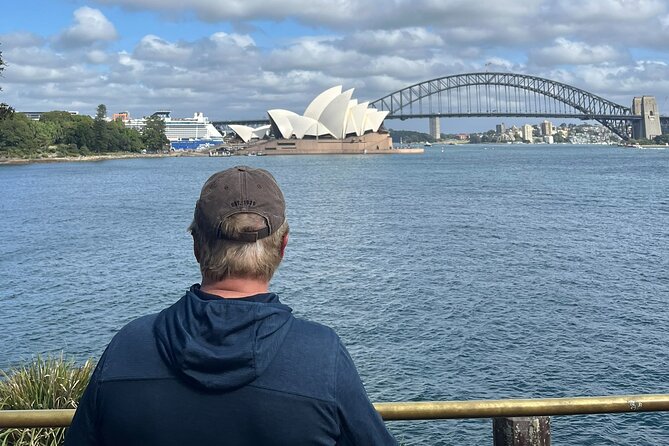
The Opera House story is famous for a reason: it’s dramatic. The build started in 1958, and the final formal opening happened in 1973, with Queen Elizabeth II in attendance. Your guide connects those dates to the bigger picture—why this building became a public argument as much as an art project.
You’ll hear about construction controversies as you stroll around the complex. This matters because it changes how you interpret the shells. Those shapes are not random curves. They’re the result of massive engineering challenges and design ambition.
A key theme is the exterior design made of the famous shell tiles. Your guide explains the inspiration and the building hurdles connected to the Danish architect Jørn Utzon. This is one of those tours where the guide doesn’t just name-drop. They connect architecture to constraints: what had to be solved, what had to change, and what the final form represents.
Inside, you’ll also hear how the complex’s multiple performance venues fit together. Sydney Opera House isn’t one concert hall; it’s a whole performing arts network under one roofline. Understanding that helps you make better choices later if you plan to attend a show. Even if you never buy a ticket for the stage you most want, the tour gives you a map of the “what happens where” logic.
The tone is also a big reason people rate this tour so highly. Guides like Sheila, Esteban, Judy, and Steve (names you’ll see associated with high-scoring experiences) are repeatedly praised for clear explanations and for answering questions without brushing them off.
Photo Rules and Off-Limits Vantage Points You Can Use

If you’re hoping for photography, this tour helps—but it’s not a free-for-all. The experience is designed around venue rules and the reality that performance spaces may be in use.
From what you’ll see, you can take photos in the main foyers/common areas. But no pictures are allowed in the performance halls, especially if people are working or there’s content restrictions tied to performances/scenery. Your guide will emphasize this, so if you bring your phone out often, be ready to follow the do/don’t flow.
The payoff is that you still get photo-friendly moments from vantage points that many visitors never reach during a casual walk-up. The tour’s inside routes and controlled access give you angles on the building that feel more personal. You also get the kind of “look around and understand what you’re seeing” framing that turns your photos from random snapshots into proof you understood the place.
If you’re traveling with family or you just like collecting visual context, the hour layout makes it easy to capture a few strong images without trying to stop every two minutes.
For me, the biggest value here is not the photos themselves. It’s that you get to stand in spaces where the architecture makes sense in person—then you can reference those photos later when you try to recall what you learned.


Tour and Dine: Opera Bar, House Canteen, or Midden by Mark Olive
Want to turn this into a meal plan instead of a separate day? The tour offers a Tour & Dine option.
Here’s how it works: your meal and beverage can be redeemed at Opera Bar or House Canteen anytime between 11:30am and 6pm on the day of your tour. There’s also a redemption option at Midden by Mark Olive between 11:30am–2:30pm or 5:00pm–6:00pm.
This is a convenience play. You don’t have to hunt down food nearby right after your tour. Also, since it’s inside the Opera House complex area, it keeps you inside the same experience bubble.
A word to set expectations: dining here isn’t priced like a random food court. If you’re chasing a bargain or an adventurous foodie tasting mission, you might prefer elsewhere. But if you want a simple, time-saving add-on that keeps the day moving, it can be a nice match.
People also tend to like this combo because the tour ends where you started, and your meal redemption windows give you flexibility even if your day has a couple of delays (weather, lineups, or cruise timing).
If you travel with kids, children ages 5–15 can choose from a children’s menu as part of the dining option.
Fitting It Into a Cruise-Day or Tight Sydney Schedule
Cruise travelers often worry about whether “one-hour tours” really work. This one is designed for that reality: short duration, a set starting point, and no port pickup needed because you’re already close to Bennelong Point.
Still, you should treat timing as real. Arrive early for check-in and cloaking, and don’t gamble on being late. If you’re more than five minutes behind, you can lose the tour. That’s the tradeoff you make for tight schedules.
The good news: because it’s only about an hour, you can keep the rest of your day flexible. You might still have time for a harbor walk, a quick scenic stop, or a museum visit without feeling like you’re sprinting.
Weather matters too. The tour includes indoor access, but you’ll still be walking. If it’s raining hard, you might find some exterior and open-air moments less comfortable, even if the hour is efficient.
One more timing detail that can help: morning and afternoon departure times make it easier to choose the less chaotic part of your day.
Who This Small-Group Opera House Tour Is Best For
This is a great fit if you want high value per minute. You’ll learn a lot without committing to a full evening show, and the small group size (max 10 travelers) keeps things from turning into a noisy herd.
You’ll also enjoy it if you like architecture and how buildings work, not just what they look like. The guide’s explanations—construction timeline, shell tiles, and the Jørn Utzon story—give you a framework you can carry with you around Sydney.
It’s also a good choice when you’re returning to the Opera House multiple times but want a more meaningful connection. Many visitors walk the exterior. This gives you interior context and a map of the performing spaces.
Mobility note: the tour includes about 300 stairs, so it’s not a fit for everyone. If stairs are a problem, check on the accessible tour option by contacting the supplier directly. One strong data point from past experiences: someone who had a medical limitation requested the accessible tour and reported it was handled thoughtfully.
If your priority is to see a lot of theaters in one go, manage expectations. You’ll see multiple venues, and you may get access to two areas (some experiences note seeing two venues and missing the main concert hall if rehearsal access changes). If your dream is a specific hall at a specific time, a show ticket may still be the best route.
Should You Book This Sydney Opera House Walking Tour?
Book it if you want a structured, inside-the-Opera-House overview in one hour, with headset audio, a small group, and stories that make the building click. At around $34.43 per person, the value is strongest when you consider what you’re buying: guided access, ticketed entry into parts of the complex, and expert narration that would take you much longer to assemble on your own.
Skip it or consider an alternative if you have limited mobility and stairs are a deal-breaker, or if you’re the type who gets frustrated when tours can’t show every single theater every time. Also, if dining is your main goal, treat the meal add-on as convenient rather than a gourmet highlight.
If you’re on a first Sydney trip, or you just want the Opera House to feel real fast, this tour is one of the cleanest ways to do it—shells outside, meaning inside, and enough time left to enjoy the rest of your day.
FAQ
How long is the Sydney Opera House walking tour?
It runs for about 1 hour.
Where does the tour start and end?
The meeting point is at Sydney Opera House, Bennelong Point, Sydney NSW 2000. The tour ends back at the same meeting point.
Does the tour include an audio system?
Yes. You’ll be given headphones or a headset system so you can hear the guide clearly during the walk.
About how many stairs are on the tour?
There are approximately 300 stairs. If you cannot manage stairs, there is an accessible tour option you can request by contacting the supplier directly.
What’s included in the price, and what costs extra?
The guided tour is included, and an admission ticket is included as part of the experience. Port pickup and drop-off, alcoholic beverages, and the optional tour meal are not included.
Can I take photos inside the Opera House?
You can take pictures in main foyers/common areas. Photos are not allowed in the performance halls.