REVIEW · SEVILLE
Seville: Small-Group Jewish Quarter Discovery Walking Tour
Book on GetYourGuide →Operated by Seville Unique Experiences · Bookable on GetYourGuide
Jewish Seville hides in plain sight. In 1.5 hours, this small-group walk turns the old Jewish Quarter of Seville into something you can actually picture, from narrow alleys to landmark squares. I especially like the small-group format (max 10), which makes it easy to ask questions and keep the pace comfortable with an English, locally licensed guide.
What I enjoy most is where the tour spends its time: former synagogue locations and the small streets around Santa Cruz, including spots like Santa Cruz Square and the Callejón del Agua area. You’ll also get plenty of chances to pause for photos on cobbled stones and twisting lanes, because this is a walk built for street-level noticing. One thing to plan for: entry tickets are not included, so if you want to go inside any sites along the way, you’ll need to handle that separately.
If you want history you can walk through, this is a strong pick for Seville—especially if you like seeing how daily life, not just dates, left its mark. The guide’s focus is the Jewish community’s medieval presence and the way different cultures have shaped what you see today.
In This Review
- Why This Seville Jewish Quarter Walk Feels Worth It
- Meeting at Plaza del Triunfo: the start that matters
- Patio de Banderas and Plaza del Triunfo: setting the medieval scene
- Plaza de Doña Elvira: history explained in a real neighborhood
- Callejón del Agua and C. Agua, 2: when small streets carry big stories
- Santa Cruz Square: understanding the Quarter as a place, not a label
- Jardines de Murillo: a breather that still keeps the story moving
- Searching for synagogue legacy: what you learn at the key stops
- Finishing near Santa María la Blanca: closing the loop
- How the small-group setup makes a difference in the real world
- Practical pacing tips: getting the most out of 1.5 hours
- Price and value: is $29 a fair deal?
- Who this tour fits best (and who should choose another style)
- Should you book the Seville Jewish Quarter Discovery Walking Tour?
- FAQ
- How long is the Seville Jewish Quarter discovery walking tour?
- What’s the group size?
- Where is the meeting point?
- Is the tour in English?
- Is the tour wheelchair accessible?
- Are entry tickets included?
- What if it rains?
Why This Seville Jewish Quarter Walk Feels Worth It
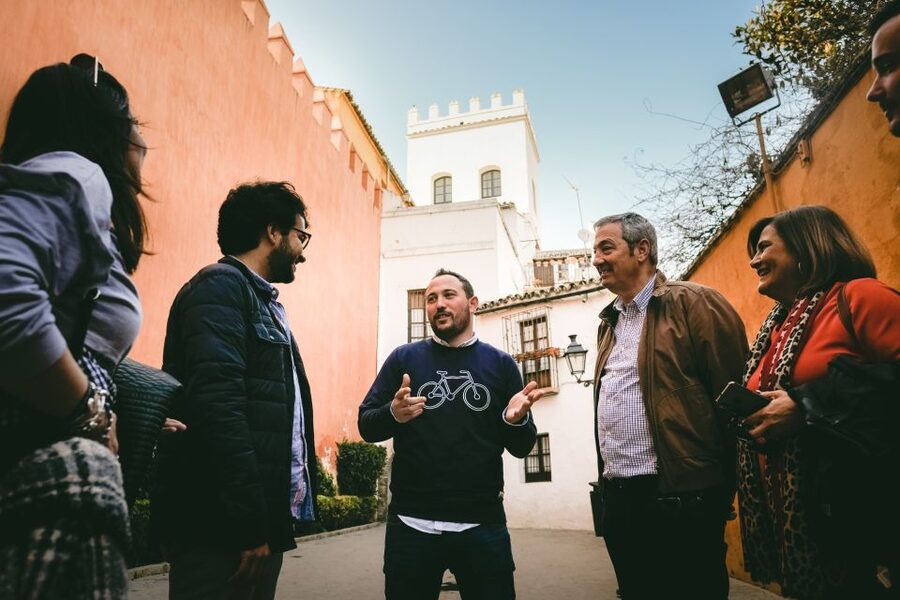
- Max 10 people keeps the conversation going and questions welcome
- English local licensed guides make the story clear and human
- Former synagogue sites bring the neighborhood’s past into focus
- Santa Cruz streets + Callejón del Agua deliver photo stops that feel real
- Hidden physical remains and off-the-beaten-path details add surprise beyond standard routes
- 90 minutes at a walking-friendly pace works well if you’re fitting in a lot of Seville
Meeting at Plaza del Triunfo: the start that matters
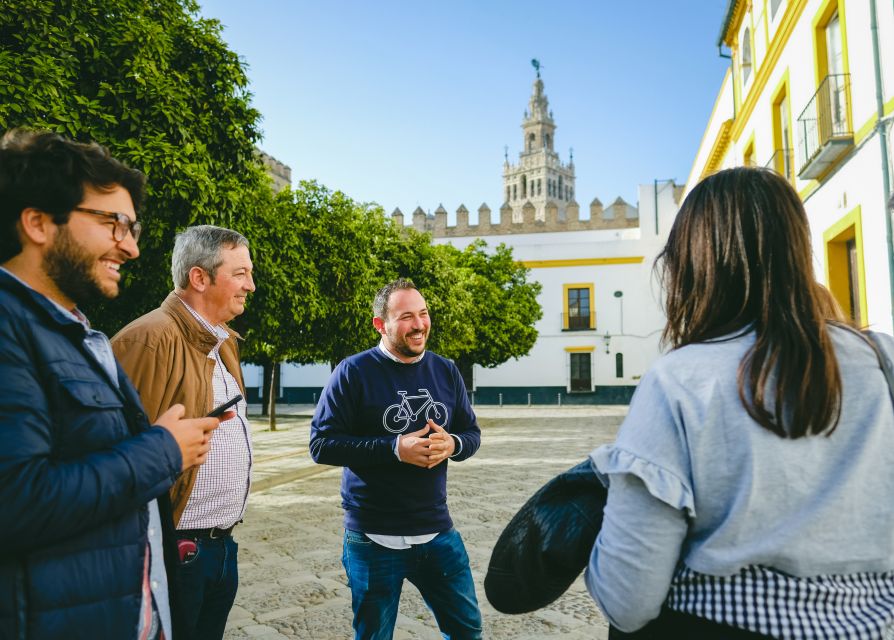
Your tour begins at Pl. del Triunfo, 6, by the big statue at the Monumento a la Inmaculada Concepción. This is one of the nicest ways to start because it puts you right in the center of where the old city stories feed into today’s Seville.
Look for your guide wearing a white lanyard and carrying a white bag that says SEVILLE UNIQUE EXPERIENCES. If you’re thinking about slipping in late, don’t. The group leaves on schedule, and latecomers can’t join once the walk has moved on.
You can also read our reviews of more walking tours in Seville


Patio de Banderas and Plaza del Triunfo: setting the medieval scene
Before you head deep into the back streets, you get a brief introduction at Plaza del Triunfo. That quick setup helps you read what you’re seeing as more than scenery—so when the tour turns into the Jewish Quarter, the names and locations land with meaning.
From there, the walk moves through close-to-center stops like Patio de Banderas. Even if you’ve been in Seville before, this part helps you notice how the neighborhood functions as a layered urban space: squares, corners, and pathways that feel connected rather than random.
This early pacing is practical. You’re not dropped into a maze without context. Instead, you build a mental map first, then the streets make sense as you go.
Plaza de Doña Elvira: history explained in a real neighborhood
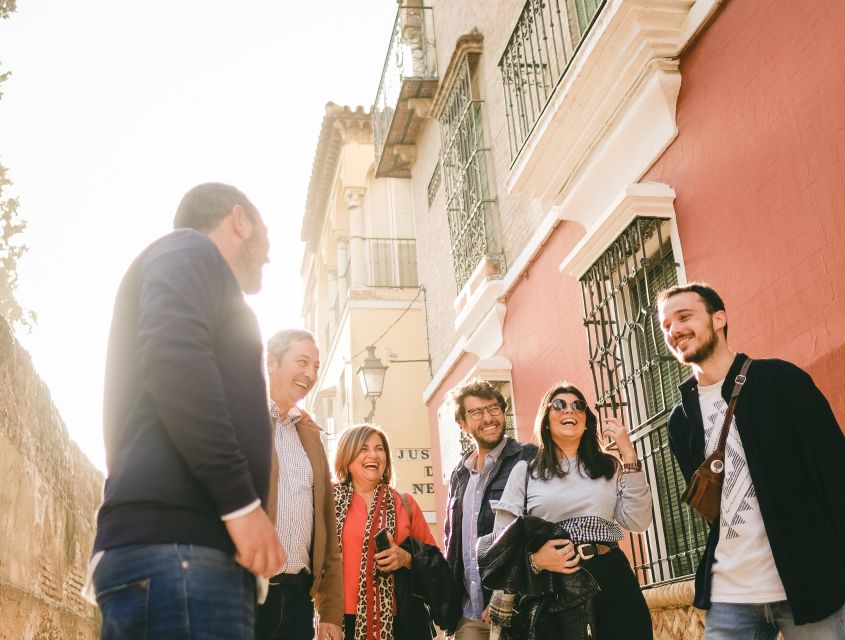
At Plaza de Doña Elvira, you’ll slow down and learn how Jewish people lived in Spain during the Middle Ages. The big value here is that the tour doesn’t treat the area like a museum. You learn how daily life would have shaped movement through squares and alleys, and how the neighborhood’s identity formed over time.
This is also a good stop for photos because plazas give you a wider view before the walk tightens again. If you’re the kind of traveler who wants the story and the picture in the same frame, this is where it clicks.
Callejón del Agua and C. Agua, 2: when small streets carry big stories
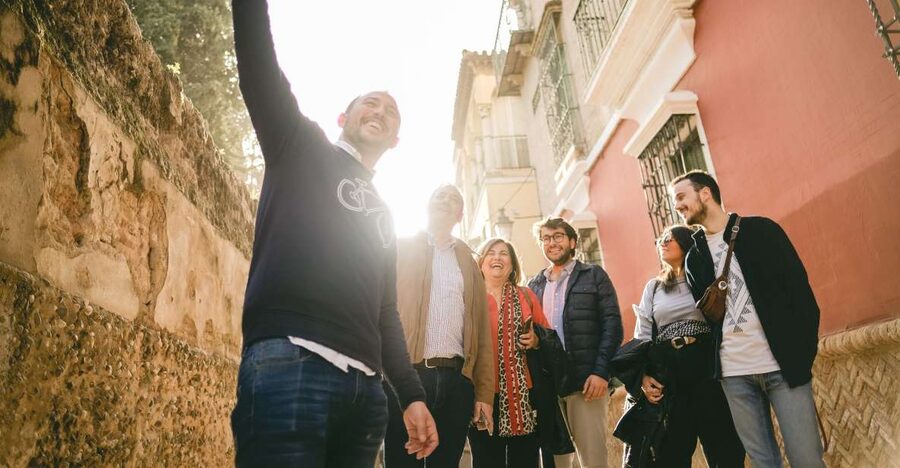
The tour then heads into the narrower side of the Quarter, including the Callejón del Agua area (and a specific stop listed at C. Agua, 2). This is where Seville’s charm becomes more than aesthetics.
The guide uses the street layout—tight lanes, turns, and how buildings sit close together—to help you imagine the rhythm of everyday life in medieval times. And because this is an area that changes how sound and sight move, your brain naturally pays attention to details. You’ll likely find yourself noticing doorways, stone textures, and the way the street funnels you onward.
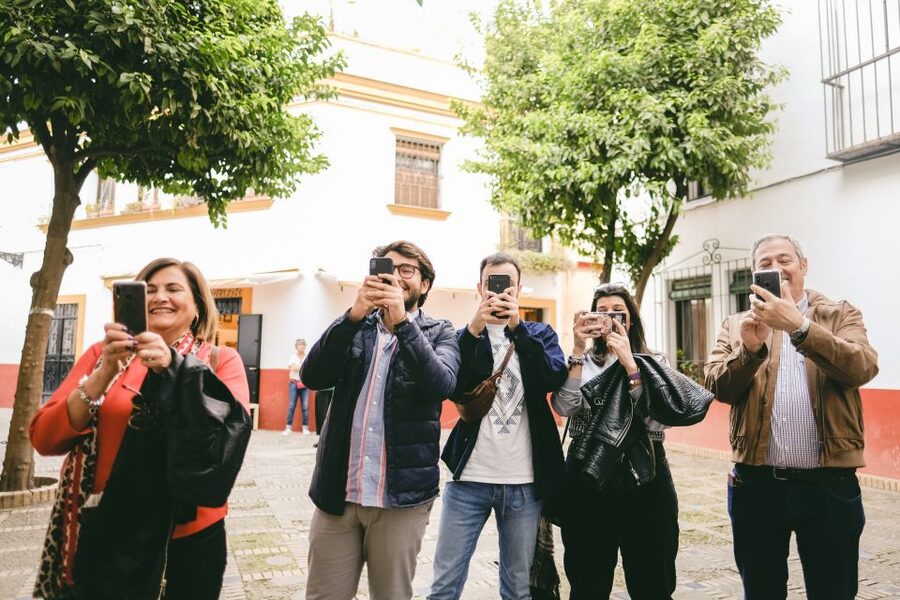
Bring your camera stance for this section. You won’t want to constantly stop, but the guide builds in time at each stop so you can capture the cobbled-stone look without feeling rushed.
Santa Cruz Square: understanding the Quarter as a place, not a label
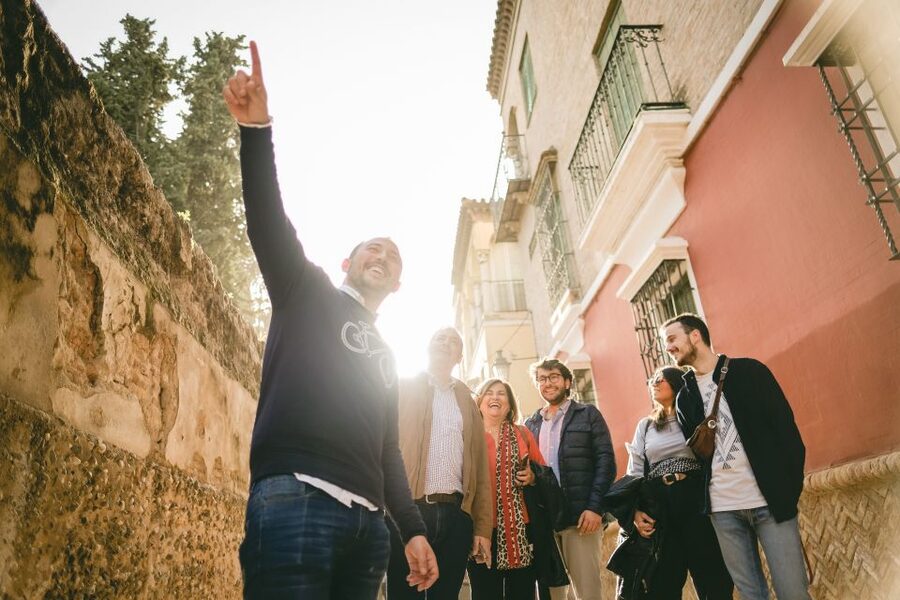
Santa Cruz Square is one of the tour’s key story nodes. This is where you connect what you’ve learned earlier to the broader feel of the Quarter and how cultures overlapped in Seville over centuries.
The tour’s focus stays on the Jewish community’s presence and how the legacy shows up in the modern streetscape. In practical terms, this means you’re not just memorizing facts—you’re learning how the neighborhood’s identity evolved, including the “why” behind what you see now.
If you’ve ever felt that walking tours sometimes skim the surface, this is a nice correction. Here, the guide uses the space around you as the teaching tool.



Jardines de Murillo: a breather that still keeps the story moving
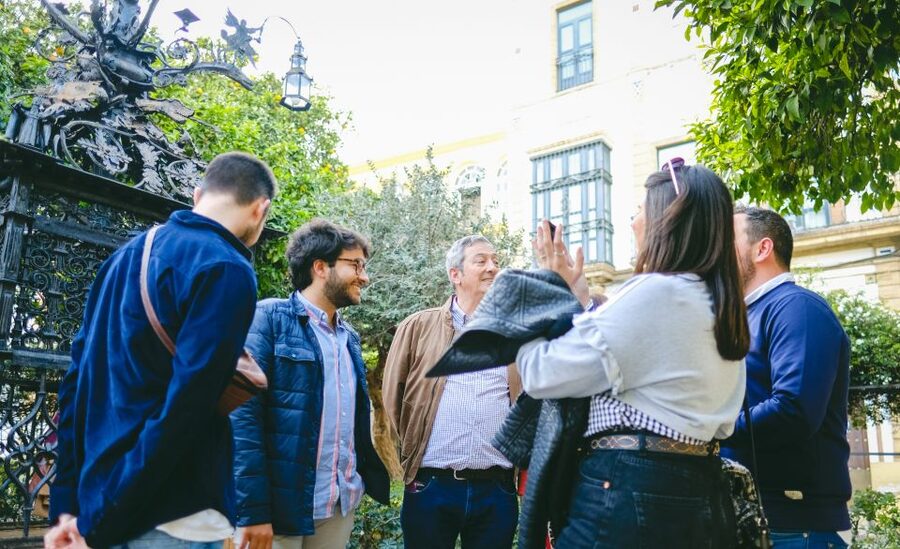
After the tight lanes, you shift to Jardines de Murillo. This stop is useful for two reasons.
First, it gives you a visual break—more sky, more space, and fewer corners to navigate. Second, it keeps the tour moving forward without turning it into a nonstop sprint. A good historical walk should reset your brain, and garden time does that for you.
If you’re traveling with someone who gets tired of standing still, this kind of pause helps. It’s also a solid point to check in with your guide if you have questions, since the small group size keeps things flexible.
Searching for synagogue legacy: what you learn at the key stops
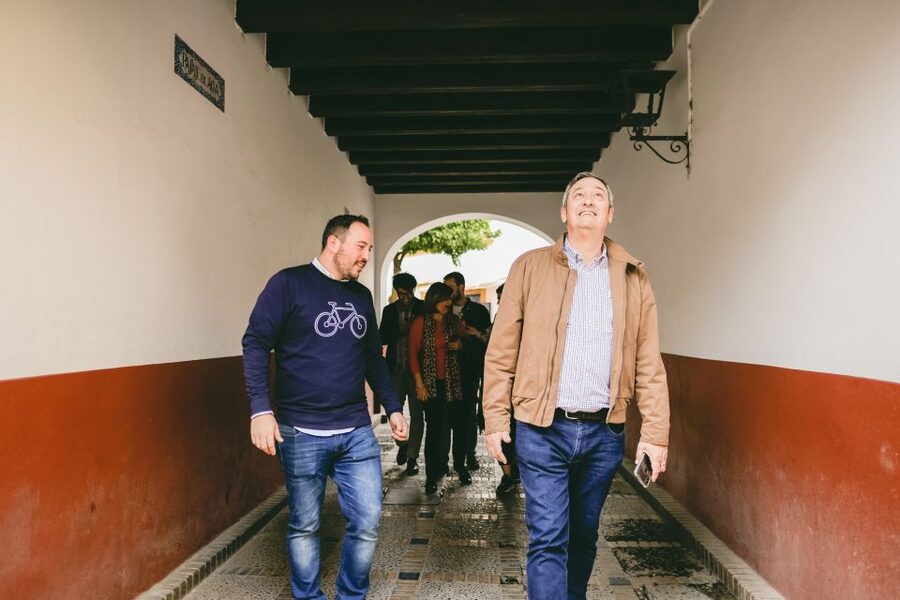
One of the most important parts of this tour is visiting the locations where former synagogues used to be. The wording matters: the tour doesn’t just mention Jewish history in general. It points you toward specific spots connected to that heritage.
You’ll also hear about hidden physical remains of the former Jewish Quarter—details that can be easy to miss if you’re walking alone. This is where having an expert guide changes everything. Instead of wandering through pretty streets and hoping something clicks, you get taught what to look for and why it’s there.
I like that the tour doesn’t rush these moments. When you’re talking about sacred community spaces and a complex past, you need time to absorb—not just scan and move on. The overall tone is also handled with care; the goal is understanding, not spectacle.
Finishing near Santa María la Blanca: closing the loop
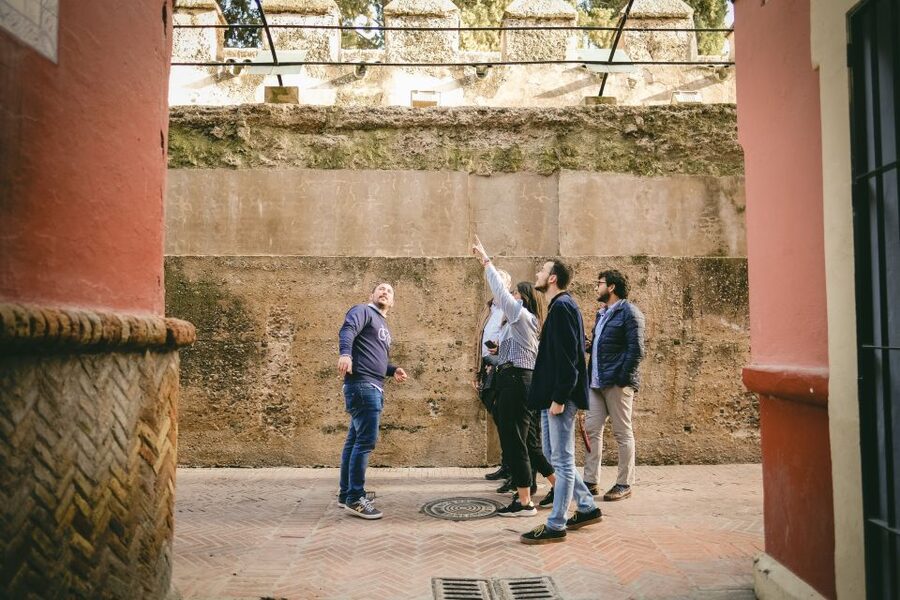
The walk ends in the surroundings of the church of Santa Maria la Blanca. Even though the tour finishes at the area around the church rather than a ticketed museum-style stop, the location choice feels intentional: it ties the neighborhood’s past to one of the Quarter’s best-known landmarks in this story.
This ending also makes your last minutes easy to plan. You’re not sent into a far-away transfer. You finish where you can keep exploring Seville at your own pace—cafés, viewpoints, and that familiar Santa Cruz wandering energy.
How the small-group setup makes a difference in the real world
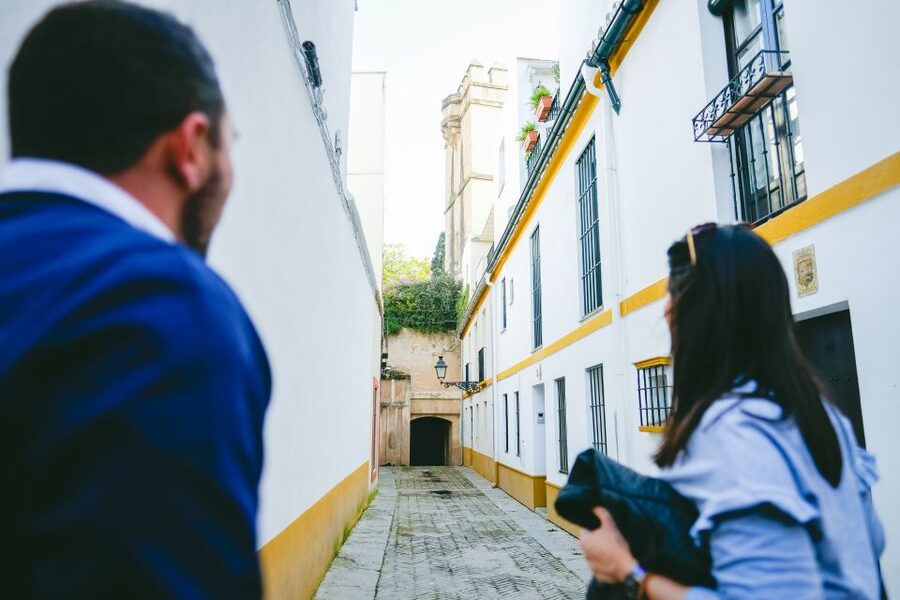
This isn’t a huge coach-style tour. The group is limited to 10 participants, which changes the experience in a few noticeable ways.
- You can ask questions without feeling like you’re interrupting a machine.
- The guide can adjust explanations when someone needs something put into simpler words.
- The pacing stays human, so you’re not constantly forced to catch up.
From what I’ve seen in how these guides teach, it’s also a mix of clarity and storytelling. People like Bárbara, Marta, Carmen, Miguel, and Valentín tend to be praised for turning place names into real context and for making sure questions get answered instead of waved off.
Practical pacing tips: getting the most out of 1.5 hours
Ninety minutes sounds short until you’re inside a maze of back streets. For this tour, think of it as a guided orientation plus a story session, wrapped into one walking experience.
To get the most value from it:
- Wear comfortable shoes. Cobbles and uneven stone are part of the charm, and they’re not forgiving.
- Keep your camera ready, but don’t assume every photo costs you time. The guide builds in stop-and-look moments.
- If there’s something you want to understand more—daily life, religious community spaces, or how the neighborhood changed—ask early so you can still follow along later.
And remember: this tour runs rain or shine, so bring something light for wet weather. You’ll be moving the whole time, so pack smart.
Price and value: is $29 a fair deal?
At $29 per person for 1.5 hours, the pricing looks fair for a specialized, English-language walking tour with a local licensed guide and a small group cap.
Here’s the value math that matters in real life:
- You’re paying for interpretation—someone explaining what you’re seeing and where to look for clues.
- You’re getting a tighter group size, which usually leads to better interaction and less waiting.
- You’re focusing on a specific chapter of Seville’s past, not a generic “Old Town highlights” loop.
The one tradeoff is the missing entry tickets. Since the tour finishes at the area of Santa María la Blanca and includes street-level stops, you’re not paying for indoor access here. If you want to go inside any site on your own after the walk, you’ll handle those tickets separately.
Who this tour fits best (and who should choose another style)
I think this works best if you want:
- A focused history walk tied to real places
- A small-group vibe where you can ask questions
- A route through Santa Cruz’s alleys that you might not find on your own
You might want a different style if you’re looking for a long, ticket-heavy itinerary. This is designed to be efficient and meaningful within 1.5 hours. It’s not the kind of outing that tries to cover every monument in Seville.
Should you book the Seville Jewish Quarter Discovery Walking Tour?
Book it if you want Seville history that feels grounded—street names, corners, and specific synagogue legacy points instead of vague background. The small-group size, the English guidance, and the emphasis on the Quarter’s physical locations make it a practical way to understand the neighborhood in a short time.
Skip it (or add a follow-up) if you only want major sights you can instantly recognize from afar. This walk is about learning how to see the Jewish Quarter, including places you’d likely miss solo.
If you’re spending a morning in Santa Cruz anyway, this tour is an easy way to turn that time into something smarter—and, yes, prettier, since the alley-photo opportunities are real.
FAQ
How long is the Seville Jewish Quarter discovery walking tour?
The tour lasts about 1.5 hours.
What’s the group size?
It’s a small group limited to a maximum of 10 participants.
Where is the meeting point?
Meet your guide at Pl. del Triunfo, 6, next to the big statue of the Monumento a la Inmaculada Concepción.
Is the tour in English?
Yes, the guided tour is offered in English.
Is the tour wheelchair accessible?
Yes, it is listed as wheelchair accessible.
Are entry tickets included?
No, entry tickets are not included.
What if it rains?
The tour runs rain or shine.