REVIEW · JOHANNESBURG
Soweto: Walking Tour with a Local Guide and Lunch
Book on GetYourGuide →Operated by One Day Africa · Bookable on GetYourGuide
You don’t see Soweto from far away. This walking tour strings together the people, streets, and landmarks that shaped South Africa’s fight for freedom, with real context from local guides. You get a local lunch built into the route, plus time to ask questions and connect with the neighborhood at human pace.
Two things I really like: you’re guided by a Sowetan native who can explain what you’re looking at, not just recite names and dates, and you’re walking enough to feel how daily life works. One possible drawback: it’s a true walking tour, so comfortable shoes matter, and the itinerary is best for people who can handle rain or shine.
In This Review
- Key highlights worth your time
- Starting at Vilakazi Espresso: where the route actually begins
- Hector Pieterson Memorial: the 1976 uprising explained on the route
- Vilakazi Street and Mandela’s home: more than photos
- Winnie Mandela’s stop and what it adds to the story
- Lunch on Vilakazi Street: local food you can actually taste
- Orlando East by minibus taxi: the experience of moving like locals
- Soweto Towers: views, scale, and the last major landmark
- Nomzamo Park informal settlement: daily life, not just famous sites
- Price and logistics: why $43 can be a good deal
- What to bring (and what to leave out of your day)
- Who this Soweto tour is for
- Should you book this Soweto walking tour?
- FAQ
- Where does the tour meet?
- How long is the Soweto walking tour?
- How much does it cost?
- What’s included in the price?
- Is hotel pickup and drop-off included?
- What language is the tour in?
- Is lunch included?
- Is there an entrance fee for Nelson Mandela’s house?
- Does the tour run rain or shine?
- Is the tour suitable for wheelchair users?
Key highlights worth your time
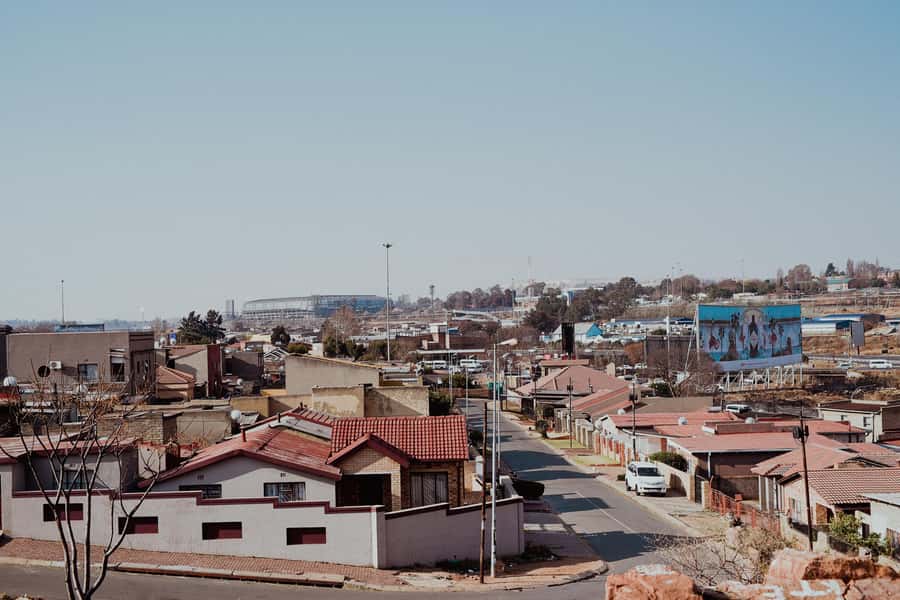
- Hector Pieterson Memorial sets the stage for the 1976 Soweto Uprising, before you move through the streets
- Vilakazi Street ties together multiple icons of the struggle, with stops along the way
- Nelson Mandela’s house visit can be a standout, but the entry fee isn’t included
- Lunch at a local spot is part of the experience, not an afterthought
- A minibus taxi ride gives you a taste of everyday transport
- Nomzamo Park helps you see life beyond the famous photographs
Starting at Vilakazi Espresso: where the route actually begins
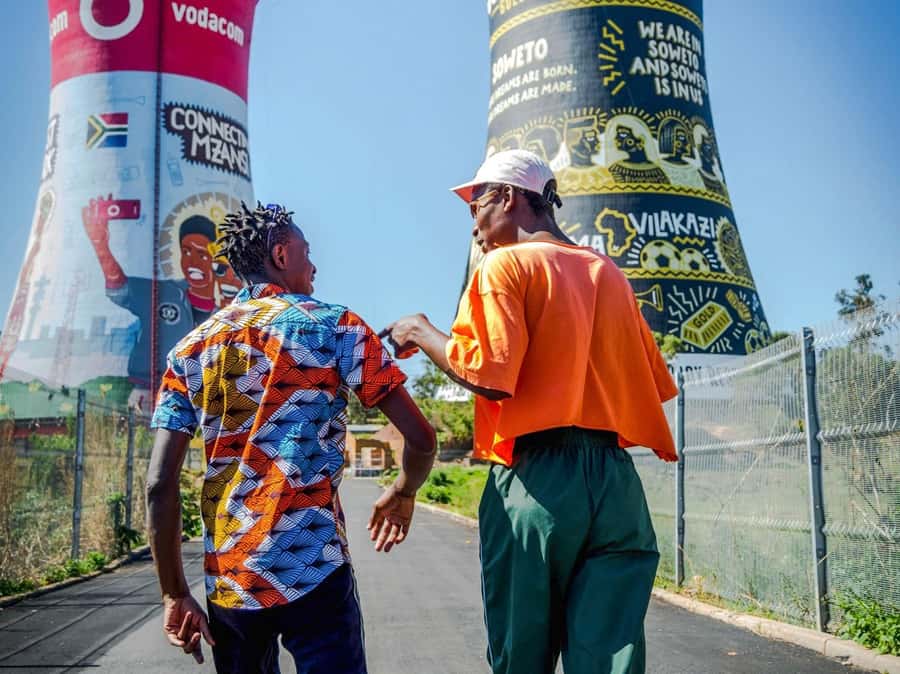
The tour meets at Vilakazi Espresso, right across from the Hector Peterson Memorial area. That’s a smart start point because you’re not “learning history” in the abstract—you begin where the story is anchored in the neighborhood itself.
From the first moments, the guide’s job is to give you orientation fast: what you’re seeing, why it matters, and how to move respectfully. In practice, that means you’ll get a clearer sense of where you are on Vilakazi Street and why each next stop isn’t random.
If you’re the type who likes to ask questions (and you should be), this style of tour works well. You’ll spend more time talking and less time staring at a bus window.
You can also read our reviews of more walking tours in Johannesburg
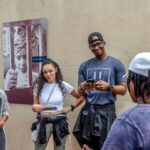
Hector Pieterson Memorial: the 1976 uprising explained on the route
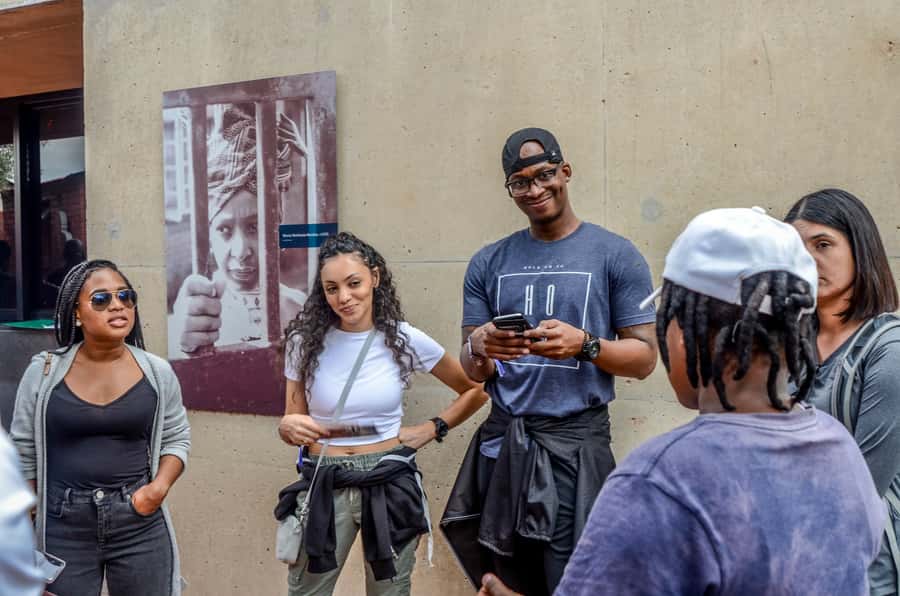
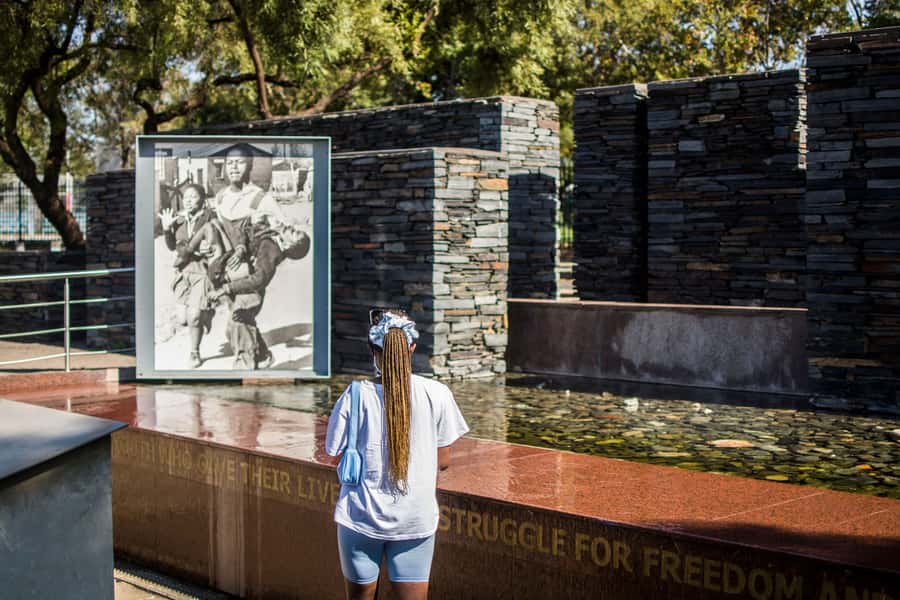
Your first major stop is the Hector Pieterson Memorial, with time for photos and a guided visit. This is where the tour gives you the cause-and-effect behind what you’re going to see later along the walk.
You’ll learn why the 1976 Soweto Uprising is such a turning point in the Apartheid era. The guide frames it as more than a textbook event—something that changed lives and the political trajectory of the country.
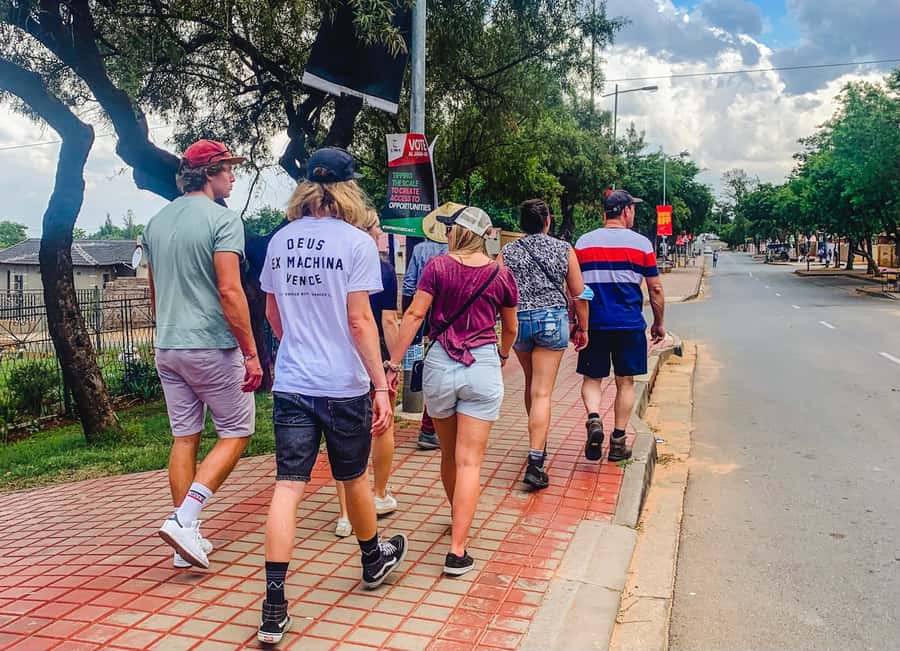
Then you head out on foot along the route tied to the marches, including time spent walking down Moema Street as part of retracing historic steps. It’s not just moving from one plaque to another; it’s pacing your understanding with the geography.
A practical note: this part can be emotionally heavy, even if you come in knowing the basics. If you’re traveling with kids, it helps to treat it like a conversation, not a lecture—your guide should be able to adjust.
Vilakazi Street and Mandela’s home: more than photos

Next up is Nelson Mandela’s house on Vilakazi Street. You’ll have a set window to explore and you’ll be able to go inside if you pay the entry fee, which isn’t included. Either way, this stop gives the landmark context you came for, plus the human scale of the story.
One thing I like about this stop is the built-in time to slow down. Your guide can point out details and explain how Mandela’s life in Soweto connects to the broader Apartheid system—especially the years he was imprisoned.
There’s also a “real world” layer here. You’ll walk through the street environment, pass everyday storefronts, and see how the neighborhood life continues alongside the museum-and-history layer.
Right after that, the tour includes a stop at Desmond Tutu’s house. You’ll get brief guided context and photo time. It’s an efficient stop, but it matters because it expands the story beyond one person and shows how multiple leaders shaped resistance and moral pressure.
Winnie Mandela’s stop and what it adds to the story
You’ll also visit Winnie Mandela’s house, with guided time that keeps things moving but not rushed. This is a key point for many people because it changes the focus from only the best-known figures to the wider network of courage and sacrifice.
Even if you know the names, it’s the guide’s framing that tends to land. A good guide connects these sites to what people endured and built around them—family, community, and political urgency.
If you’re someone who hates tours that feel like a checklist, this is where the format can win you over. The walking and the short stops give you enough structure, but you still get room for questions.
Lunch on Vilakazi Street: local food you can actually taste
Lunch happens back on Vilakazi Street (Orlando West) at a local shop. This is one of the most practical parts of the day, because you’ll have a real break while staying in the same neighborhood context.
The lunch itself is Soweto-style street food, and the most common items people point to include kotas (sandwiches) and filling comfort food. Some groups also note vegetarian options at the lunch stop, which is a relief if you’re plant-forward or traveling with someone who is.
A small but important tip: the tour doesn’t include drinks. If you want soft drinks, juice, or anything special, budget for it separately.
This lunch stop also gives you something that a lot of “history tours” miss: the chance to see how people eat in their own environment. You’re not transported to a tourist café. You’re staying with the neighborhood rhythm.
Orlando East by minibus taxi: the experience of moving like locals
After lunch, the route includes a ride by minibus taxi to Orlando East. That’s a highlight for a lot of people because it turns transport into part of the cultural story, not a background detail.
You’ll see more of what “getting around” looks like in Soweto, and you’ll get the sense of pace that vehicles and routes bring to the area. It’s also a good reset after a couple of history-heavy stops.
Then you head toward the towers area. The route includes short photo and guided time, plus scenic views along the way. Even if towers aren’t your thing, the setting tends to give you a broader sense of how different parts of Soweto connect visually and spatially.
Soweto Towers: views, scale, and the last major landmark
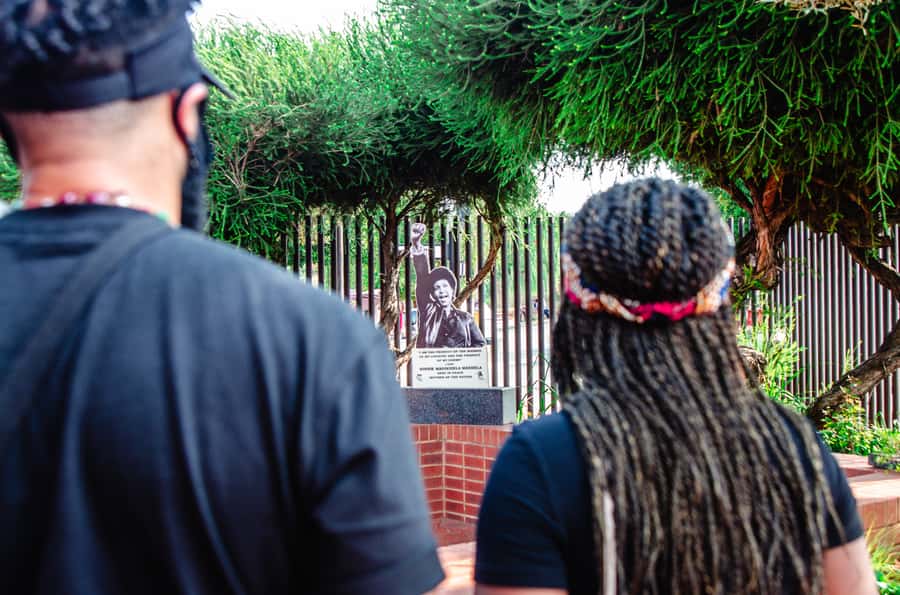
Your final “big landmark” stop is at the Soweto Towers. You’ll get photo time and a guided visit, with the walking component built in.
What I take from this stop is scale. Earlier parts of the tour focus on specific names and events. Here you’re looking outward—at the sense of distance, neighborhood layout, and how the area reads from above or from a landmark perspective.
It’s also a good time to ask any remaining questions because the tour is later enough that your context is built. By now, you’re not just learning; you’re connecting the dots between all earlier stops.
Nomzamo Park informal settlement: daily life, not just famous sites

After the towers, you visit Nomzamo Park, an informal settlement area. You’ll get a guided view, photo time, and pass-by moments included in the route.
This stop is where many people say the experience becomes more personal. The goal isn’t spectacle—it’s to understand daily life, routines, and the reality behind the headlines. It also matters because it reminds you that Soweto’s story isn’t only about moments of uprising. It’s about continuing, building, and getting through the day.
If you want to be respectful, listen more than you speak. Your guide should help you understand what interactions feel appropriate, what to avoid, and how to keep things comfortable for everyone.
Price and logistics: why $43 can be a good deal
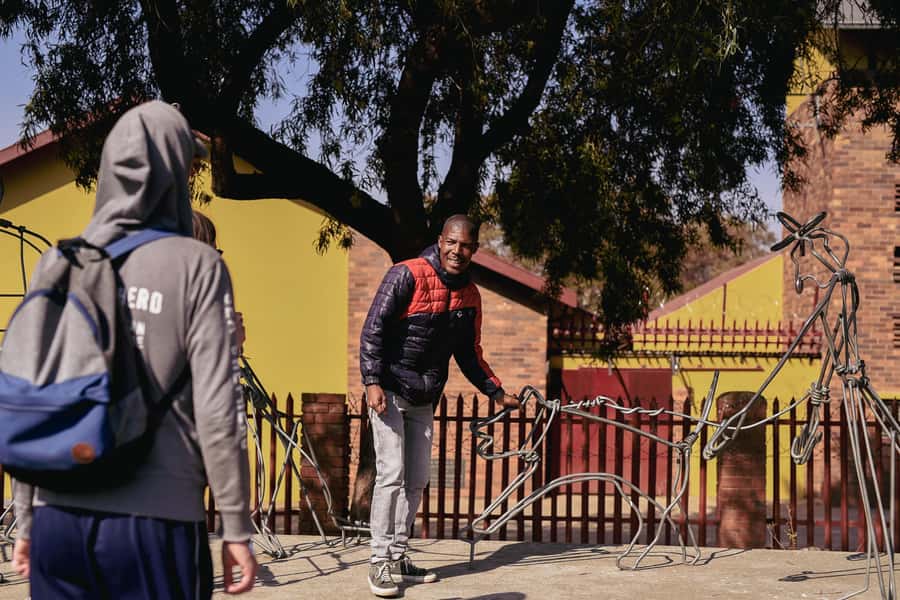
At $43 per person for 4 hours, this tour prices in the “value for time” zone—especially because it includes a local guide, lunch, and bottled water.
The other quiet value is the guide quality. Many people rave about guides like Maweza (also sometimes Thabo, Teboho, or Mulalo depending on the day), not just for storytelling, but for being able to answer follow-up questions with context. That’s hard to measure in a brochure, but it’s the difference between a tour that feels like facts and one that feels like understanding.
Logistically, there’s no hotel pickup or drop-off included, so plan your own way to the meeting point at Vilakazi Espresso. Also, the tour runs rain or shine, so pack accordingly.
And yes, it’s not wheelchair-friendly. It’s a lot of walking, and the route includes neighborhood streets where sidewalks and surfaces aren’t designed for mobility devices.
What to bring (and what to leave out of your day)
The “bring” list is simple, but it makes the difference between a pleasant afternoon and a miserable one. Pack comfortable shoes, a camera, sunscreen, and hand sanitizer or tissues.
Because it’s rain or shine, also bring a way to protect yourself from weather. If you use a face covering, bring that too—many tours list it as part of what’s helpful in crowded places.
Cash is a smart add-on. While the tour includes lunch and water, some people recommend having extra money for tipping street entertainers and for small contributions your guide may suggest when the moment comes.
If you’re a coffee person, you’ll start with Vilakazi Espresso nearby anyway, but don’t count on being able to buy everything along the way. Drinks aren’t included.
Who this Soweto tour is for
This tour is a good fit if you want:
- Human-scale history tied to real streets and landmarks
- A guide who can explain context while keeping you moving
- A day that mixes icons like Mandela and Tutu with a look at day-to-day life
It also works well for families who can handle the walk. Some groups have included teens and children, and the key is coming prepared with good shoes and a “listen and ask questions” mindset.
If you hate walking tours, this won’t magically become a smooth, sit-down experience. But if you’re willing to walk and you want the truth of the neighborhood, it’s a strong match.
Should you book this Soweto walking tour?
I’d book it if you want more than “standing where famous people stood.” This tour uses the walking format to build context in a way that feels organized, respectful, and grounded in the neighborhood.
I would pause and reconsider if your mobility is limited, if you get miserable in long outdoor weather exposure, or if you’re expecting a mostly indoor, low-stimulation route.
If you’re on the fence, here’s the practical way to decide: do you want lunch + local guiding + multiple landmark stops in one half-day, with a minibus taxi ride and time for questions? If yes, this is the kind of Soweto experience that tends to leave people feeling like they actually understand the place.
FAQ
Where does the tour meet?
Meet your guide in front of Vilakazi Espresso, opposite the Hector Pieterson Memorial.
How long is the Soweto walking tour?
The duration is 4 hours.
How much does it cost?
The price is $43 per person.
What’s included in the price?
The tour includes lunch, a local guide, and bottled water.
Is hotel pickup and drop-off included?
No, hotel pickup and drop-off are not included.
What language is the tour in?
The live tour guide and audio guide are both in English.
Is lunch included?
Yes. Lunch is included as part of the tour.
Is there an entrance fee for Nelson Mandela’s house?
Entrance to Mandela’s house is mentioned as not included, even though you get time to explore inside if you choose to go in.
Does the tour run rain or shine?
Yes, the tour takes place rain or shine.
Is the tour suitable for wheelchair users?
No. The tour is not suitable for wheelchair users.