REVIEW · JOHANNESBURG
Soweto: Walking Tour with a Local Guide and Lunch
Book on GetYourGuide →Operated by One Day Africa · Bookable on GetYourGuide
Soweto has a way of teaching fast, on foot. This 4-hour walking tour follows major freedom-era sites and everyday township life, with a local guide who brings the streets of Soweto to life. I really like that you start right by the story of 1976 and then keep moving through places tied to Nelson Mandela and Desmond Tutu.
My second favorite part is the real-world rhythm: you’ll walk, you’ll ride a minibus taxi to Orlando East, and you’ll stop for lunch at a local spot instead of a tourist-only meal. One consideration: it is not for wheelchair users, and you’ll be on your feet for hours in weather that changes, since the tour runs rain or shine.
In This Review
- Key things to know before you go
- From Vilakazi Espresso to the heart of the story
- Hector Pieterson Memorial: the 1976 Uprising, explained where it happened
- Vilakazi Street walking: Mandela’s house and the Desmond Tutu landmark
- Nelson Mandela’s house stop (with inside time)
- Desmond Tutu’s house
- Lunch on the street: where the tour turns from sites to flavor
- Orlando East by minibus taxi: the local transport moment
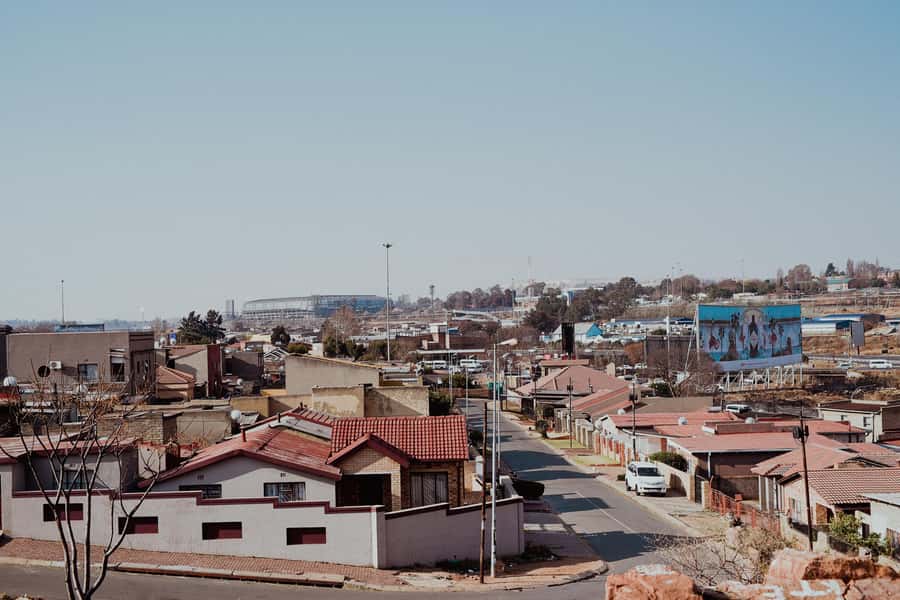
- Nomzamo Park informal settlement: learning daily life with respect
- Soweto Towers: a strong ending view
- The guides make it (including Maweza and others)
- Price and value: what $39 buys you in real terms
- Practical tips for a smooth, respectful walk
- Who this tour is best for
- Should you book this Soweto walking tour with lunch?
- FAQ
- What is the duration of the Soweto walking tour?
- Where do I meet the guide?
- Where does the tour end?
- Is lunch included?
- What language is the tour guide?
- What places are included on the route?
- Is the entrance fee included for Mandela’s house?
- Does the tour include bottled water?
- Is the tour wheelchair accessible?
- Does the tour run in rain?
Key things to know before you go
- Start at Vilakazi Espresso (opposite the Hector Peterson Memorial), then build your day from there
- Hector Pieterson Memorial includes a guided visit and photos tied to the 1976 Soweto Uprising
- Mandela’s house stop has time to go inside (about 20 minutes), but the entrance fee is not included
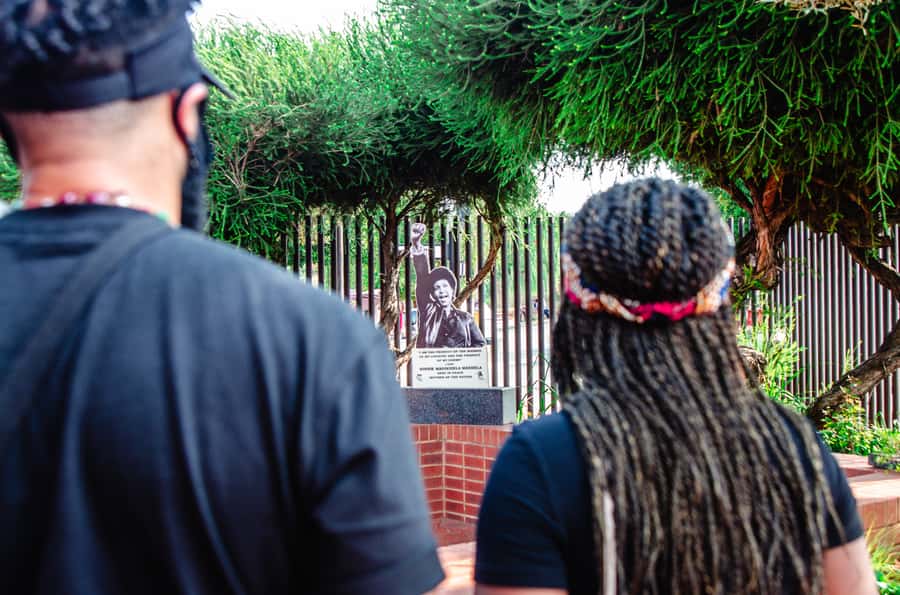
- Vilakazi Street walking connects big names to specific places, including Winnie Mandela’s house and the Tutu landmark
- Lunch is included at a local shop, with traditional street food on the menu
- Nomzamo Park and Soweto Towers help you finish with a sense of daily life plus a famous view
From Vilakazi Espresso to the heart of the story

Your tour kicks off in a very practical spot: Vilakazi Espresso, right by the Hector Peterson Memorial area. It’s an easy mental starting point. You get your bearings early, and from the first minutes you’re already close to one of Soweto’s defining moments.
The format is simple: walk most of the way, stop frequently for photos and guided explanation, then break for lunch. After that, you switch gears with a minibus taxi ride to Orlando East, which is a smart way to experience local transport instead of just reading about it.
I also like that you’re not stuck in only “history mode.” The route moves from landmark stops to neighborhood streets, ending at a final area where you can learn about day-to-day life and then finish at the Soweto Towers for sightseeing.
You can also read our reviews of more walking tours in Johannesburg
Hector Pieterson Memorial: the 1976 Uprising, explained where it happened
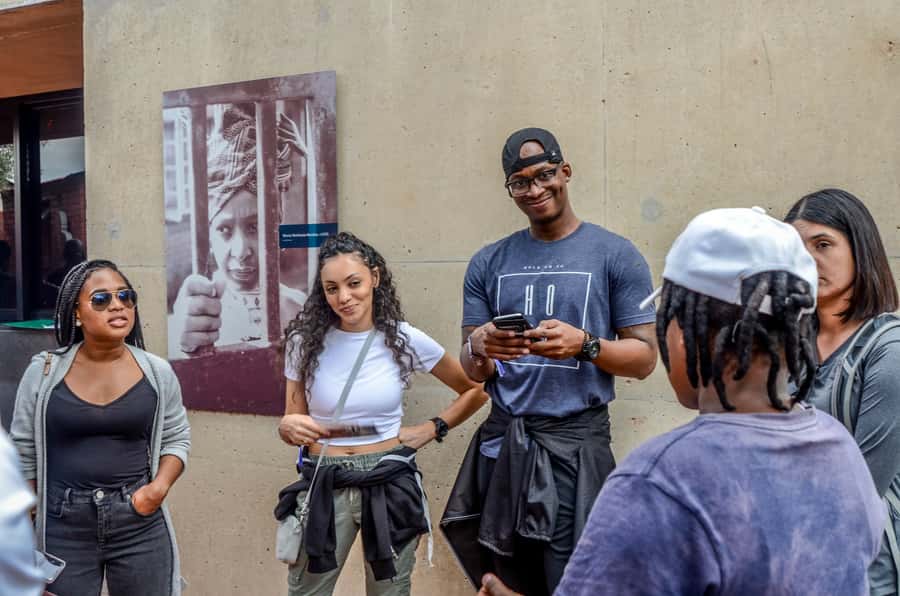
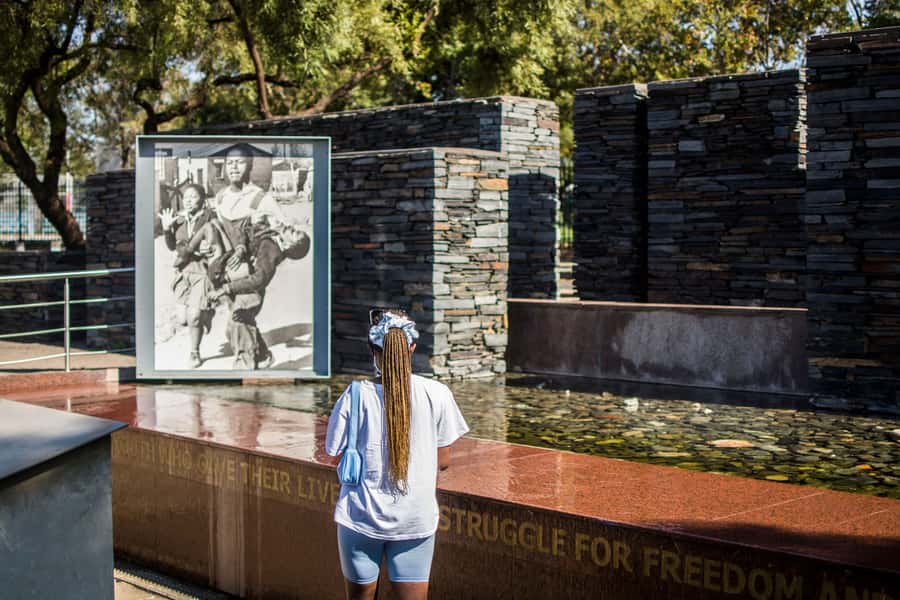
The first big stop is the Hector Pieterson Memorial. Expect a photo stop plus a guided visit and walk-through time (about 20 minutes). This is where the tour’s time period gets grounded. Instead of vague timelines, you see a physical place tied to the 1976 Soweto Uprising, described as a turning point in the Apartheid system.
This part matters because it sets the tone for everything else you’ll see later. You’re not just touring buildings. You’re learning why certain streets and homes became symbols, and why people still remember these sites so clearly.
Bring your camera, but also give your guide a chance to talk. The memorial stop is short, so it’s best to listen while it’s happening, then take photos after the context sinks in. One practical detail: the tour runs rain or shine, so plan for weather changes even in the middle of the walk.
Vilakazi Street walking: Mandela’s house and the Desmond Tutu landmark

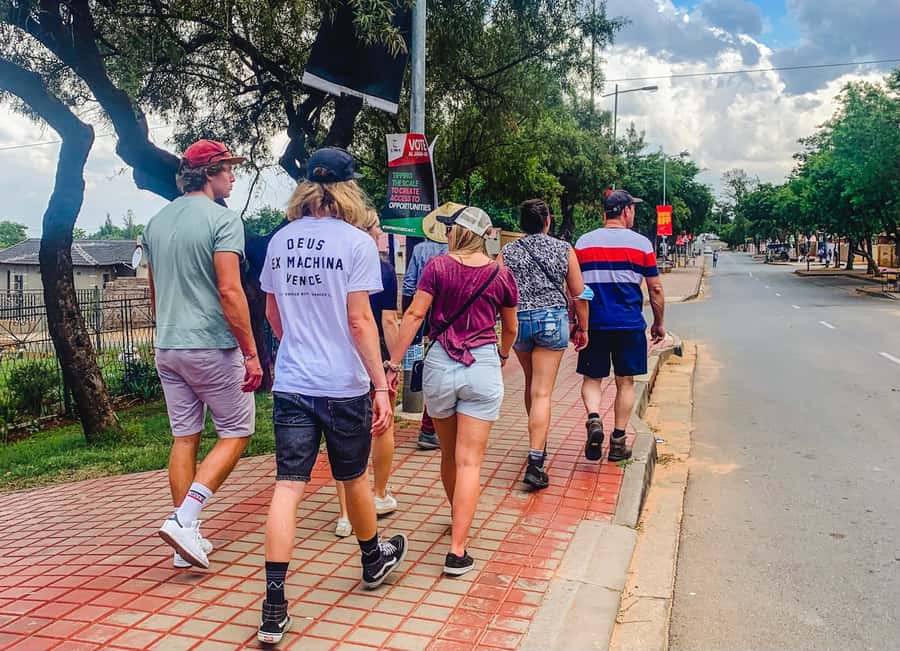
After the memorial, the day becomes a walk along Moema Street, described as retracing the steps of the historic march, before you continue to Vilakazi Street. This is one of the most important stretches on the route because it links multiple leaders to specific places you can actually point at.
Nelson Mandela’s house stop (with inside time)
One of the headline stops is Nelson Mandela’s house. You’ll have time for photos, guided touring, and a chance to explore inside for about 20 minutes. The key catch is important: the entrance fee is not included. So if you want to go in, bring cash for that on-the-spot decision.
From my perspective, this is where the tour can feel most personal. Seeing where someone lived (not just a plaque photo) turns “history” into a lived space. Reviewers also highlight that guides connect the story to the surrounding streets, not just the doorway.
Desmond Tutu’s house
Next comes a stop at Desmond Tutu’s house (listed as a landmark on the route). You get a shorter visit and photo time here, so treat it like a checkpoint: it broadens the focus beyond one person and adds another layer to how the freedom struggle is remembered in Soweto.
If you’re wondering how to get the most out of these stops: ask questions during the guided parts, not only at the photo moments. Your guide has the best explanations in those brief windows.
Lunch on the street: where the tour turns from sites to flavor
Lunch is not an afterthought. It’s built into the route as a stop on Vilakazi Street, Orlando West, with lunch at a local shop. The included time is about 25 minutes, and it’s specifically positioned as street food / food tasting.
A lot of people rave about the meal style here, including mentions of kota, a popular local sandwich. Even if you skip the word-of-mouth specifics, you should expect a real township lunch rather than a bland “tourist plate.”
Value-wise, this is a smart inclusion for $39. You’re paying for guided walking plus access to major sites, and lunch is one of the costs that adds up quickly if you have to find food on your own between stops.
One more tip: drinks are not included, so if you want something besides water, factor it into your budget. Bottled water is included, which is helpful given the walking.
Orlando East by minibus taxi: the local transport moment
After lunch, you’ll take a minibus taxi to Orlando East. This is the part of the tour that feels like a small shift into real daily movement: not just walking routes on a map, but riding the way many locals travel.
You also get a stop at Soweto Towers at the end, with photo time and guided sightseeing. The taxi portion is short compared with the full walking, but it changes your perspective fast. It’s one of those “Oh, that’s how it works” moments.
If you’re the type who likes structure, don’t worry. The guide keeps things organized and explains what you’re seeing. Many reviews specifically highlight how guides give choices on walking versus taxi segments and ask for consent on decisions.
Nomzamo Park informal settlement: learning daily life with respect
The final major learning stop is Nomzamo Park, listed as an informal settlement. Expect photo time, guided explanation, and sightseeing along with a walk/passing-through segment (about 25 minutes).
This part can be emotionally heavy, but it’s also essential for understanding Soweto beyond the famous names. The tour’s goal here is to share daily life realities rather than treat people like spectacle.
In the reviews you provided, there’s a consistent theme: guides emphasize respect, safety, and consent. One person specifically pointed out that the guide handled decisions carefully, even offering guidance on whether to walk or take a taxi. That kind of pacing matters a lot in areas where you’re representing the outside world.
A practical thing to do: keep your camera ready but not glued to your face. Listen first. Ask if there’s something you’re allowed to photograph. And if you’re offered context on how to behave, follow it quickly.
Soweto Towers: a strong ending view

You finish at Soweto Towers, with photo stop and guided sightseeing plus some walking time (about 15 minutes). Towers are great for viewpoints, and even more for what they symbolize in a place with strong identity and long memory.
Think of this as your visual reset after the more reflective segments. You get a place to look out and take in the layout, then a final chance to frame what you’ve learned into a single mental picture.
If you like taking photos, do it. If you’re more into chatting, do that too. Either way, this stop gives your brain something to “land on” before you head back.
The guides make it (including Maweza and others)
This tour leans heavily on the guide’s ability to connect big events to real streets. In the reviews you shared, Maweza is repeatedly praised for being passionate, kind, and clearly respected in the community. People also mention that he gives thoughtful, organized explanations and handles questions well.
Other names show up as well, including Thabo, Temba/Themba, and Mawenza (spelling varies across reviews). The common thread is consistency: guides who treat the route with care and keep the group moving while still making time for explanations.
Also note a helpful extra: there’s an audio guide included (English). That can work like a second track for your brain, especially when you’re switching between streets and landmarks and want a way to review points later.
Price and value: what $39 buys you in real terms

At $39 per person for about 4 hours, this tour is priced to be accessible while still covering multiple major stops. You’re not just walking past sights. You’re getting:
- A local guide
- Lunch included
- Bottled water
- Visits to major landmarks (including Mandela’s house, with inside time but not the entrance fee)
- A minibus taxi ride to Orlando East
- An audio guide in English
What’s not included matters too. Entrance fee for Mandela’s house is not included, and drinks are not included. Budget a little cash so you don’t feel stuck when the moment comes.
For me, the value is highest if you want a guided route that compresses several key experiences into one half-day. If you were to DIY it, you’d likely spend time figuring out transport, where to eat, and which details matter. Here, the guide handles the sequencing.
Practical tips for a smooth, respectful walk
Here’s how to show up ready, not rushed.
Bring comfortable shoes. You’ll walk a lot for a 4-hour tour, and some stops include short walks between points. Add sunscreen and a camera since you’ll be taking photos at multiple landmarks.
Bring cash. You’ll likely want cash for the Mandela house entrance fee and for any optional purchases at shops along the way.
Pack hand sanitizer or tissues and a face mask or protective covering. The tour info specifically calls this out, and it’s a quick win for comfort.
Wear something you can handle in heat or rain. The tour is rain or shine, so plan a light rain layer even if the day looks sunny when you start.
Finally, it’s not suitable for wheelchair users. That’s not about “can you manage a short distance,” it’s about the overall walking and street conditions across the route.
Who this tour is best for
This fits you if you want more than a photo checklist. You’ll get the history behind sites like the Hector Pieterson Memorial, and you’ll also see how the route touches neighborhoods like Orlando East and the Nomzamo Park area.
It’s also a good match if you like local guides and want to ask questions while walking. The reviews you shared emphasize that guides are open with explanations and help set expectations for respectful behavior.
If you’re short on time in Johannesburg but want a meaningful half-day in Soweto, this is a strong format. You’ll cover the big names, plus a transport experience, plus lunch, without needing to plan three separate outings.
Should you book this Soweto walking tour with lunch?
Yes, if your goal is a structured, guided day that connects landmark history to daily township life. The tour’s best strength is the way it keeps moving: memorial context first, then Mandela’s house and the Desmond Tutu stop, then lunch, then local transport, and finally Nomzamo Park and Soweto Towers.
Book it with clear expectations: you’ll be on your feet, the tour runs in rain, and some costs (like Mandela house entrance fee) are on you. If that part is fine, you’ll likely feel like you got real value for your money and a clearer understanding of Soweto than you could get from a quick self-guided stop.
If you want one “decision rule”: if you’re comfortable walking for four hours and you prefer a local guide-led route over improvising, this tour is worth your time.
FAQ
What is the duration of the Soweto walking tour?
The tour lasts about 4 hours.
Where do I meet the guide?
You meet the guide in front of Vilakazi Espresso, opposite the Hector Pieterson Memorial.
Where does the tour end?
The tour ends back at the meeting point.
Is lunch included?
Yes. Lunch is included in the tour.
What language is the tour guide?
The live tour guide is in English, and the audio guide is also in English.
What places are included on the route?
The tour includes stops such as the Hector Pieterson Memorial, Nelson Mandela’s house (inside visit time included but with an entrance fee not included), Desmond Tutu’s house, Winnie Mandela House, Nomzamo Park, and Soweto Towers. You also ride a minibus taxi to Orlando East.
Is the entrance fee included for Mandela’s house?
No. The entrance fee for Mandela’s house is not included.
Does the tour include bottled water?
Yes. Bottled water is included.
Is the tour wheelchair accessible?
No, it is not suitable for wheelchair users.
Does the tour run in rain?
Yes. The tour takes place rain or shine.