REVIEW · MATERA
Sassi di Matera: Guided Walking Tour with Cave House/Church
Book on GetYourGuide →Operated by Matera City Tour · Bookable on GetYourGuide
Matera in 2 hours beats aimless wandering. This guided walk takes you through Sassi di Matera alleys with local, expert storytelling, so the place stops being just cool photos and starts making sense. You’ll pass tight corners, stairways, and natural-looking rock edges while your guide connects what you see to how people actually lived here.
I especially love that you get inside both a cave house and a frescoed rock church, with explanations that focus on daily life, not just monuments. The tour also feels like good value at $34 because it includes the guide plus entry tickets for the places you visit, all in a 2-hour format. One consideration: it’s not suitable for wheelchair users (and baby strollers aren’t allowed), so plan on steady walking over uneven stone.
In This Review
- Key highlights you’ll feel right away
- The Sassi di Matera is a city you have to decode
- What the 2-hour walk covers in real life
- How to time it so it feels pleasant
- Seeing daily life: inside a typically furnished cave house
- The frescoed rock church: faith carved into stone
- Matera as a filmed city and Culture Capital 2019
- Price and value: what $34 really buys
- Group size, comfort, and who should choose this
- Guide styles: Gaetano, Giuseppe, Cosimo, and the difference it makes
- Should you book this Sassi di Matera guided walking tour?
- FAQ
- How long is the Sassi di Matera walking tour with cave house and church?
- What is included in the ticket price?
- How much does it cost?
- Is the tour offered in English?
- Does the tour run in bad weather?
- How big are the groups?
- What should I bring?
- Is this tour suitable for wheelchair users?
- Are baby strollers allowed?
- Is free cancellation available?
- Do I have to pay right away?
Key highlights you’ll feel right away
- Authorized local guide with personal, place-specific stories that make the Sassi easier to read
- Cave house visit to see how a typical home was set up in the rock
- Frescoed rock church stop with context for what made worship feel different here
- 2-hour walking tour with small-to-mid group sizes (2 to 25)
- Rain or sun departures, so come ready with water and sun protection
- English or Italian live guide, typically with clear explanations for everyone in the group
The Sassi di Matera is a city you have to decode
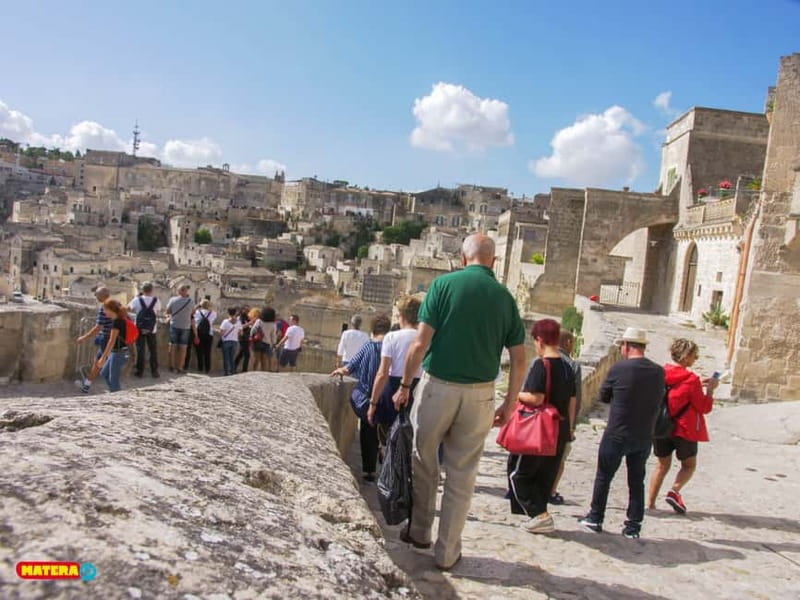
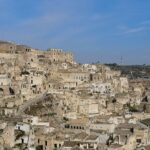
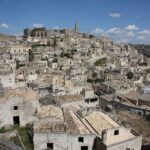
The Sassi di Matera can look like a maze at first glance: rock levels stacked at angles, alleyways that twist, and doorways cut into the stone. A guide matters because it’s not just architecture. It’s a system—space shaped by weather, farming life, and the limits (and advantages) of living in a cliffside world.
What I like about this tour is the way the guide frames the “why” behind what you’re walking past. Instead of listing dates non-stop, you’re encouraged to notice patterns: where daily tasks would happen, how communities connected, and why certain spots became important. That turns the rocks into something you can actually follow as you move.
Also, this isn’t a fast photo sprint. It’s a structured 2-hour walking tour that gives you time to slow down, look up, and absorb details without losing the thread.
You can also read our reviews of more walking tours in Matera
What the 2-hour walk covers in real life
You’ll meet at a starting point that can vary by option booked, then head out on foot through the Sassi districts. The route is built around what you can see and visit, including the memorable alleys—those narrow corridors where you feel how close everything is, and how the city works vertically as much as horizontally.
As you walk, expect explanations that mix:
- Historical context of the Matera region
- Personal lived-in stories about peasant families and cave life
- Local references and humor, which several guides are praised for
That balance shows up in the guide style. Names like Gaetano, Giuseppe, Cosimo, Antonio, Maria Teresa, and Cosimo keep popping up in standout reviews, often noted for clarity and for making the talk feel like conversation, not a lecture.
And yes, there’s a practical side. This is a walking tour. You’re moving on stone surfaces and climbing steps, so comfortable shoes aren’t optional advice—they’re the difference between enjoying it and rushing your thoughts.
How to time it so it feels pleasant
The tour runs in rain or sun, so you’re walking no matter what the sky decides. The upside is that Matera’s rock streets are dramatic all weather. The downside is heat on bright days can slow you down. One common tip from people who’ve done this: pick a morning or afternoon departure when it’s cooler, and pace yourself with water.
Seeing daily life: inside a typically furnished cave house
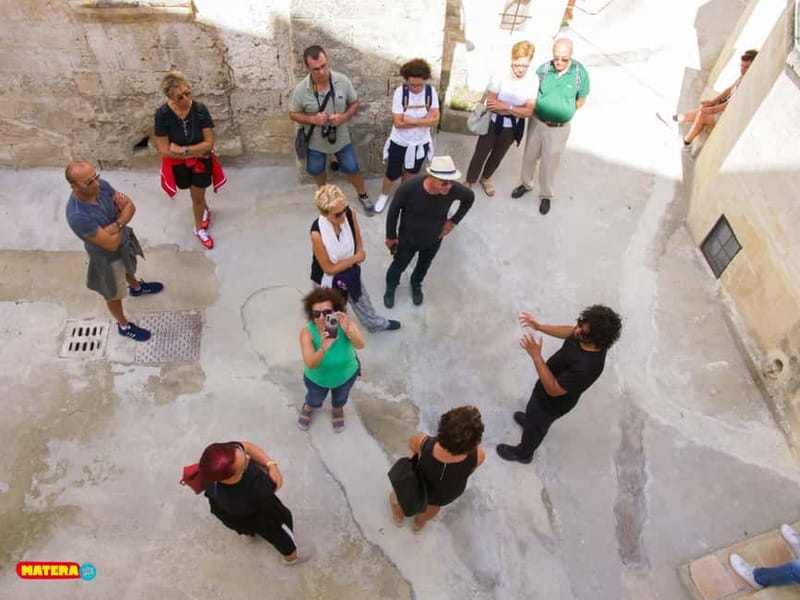
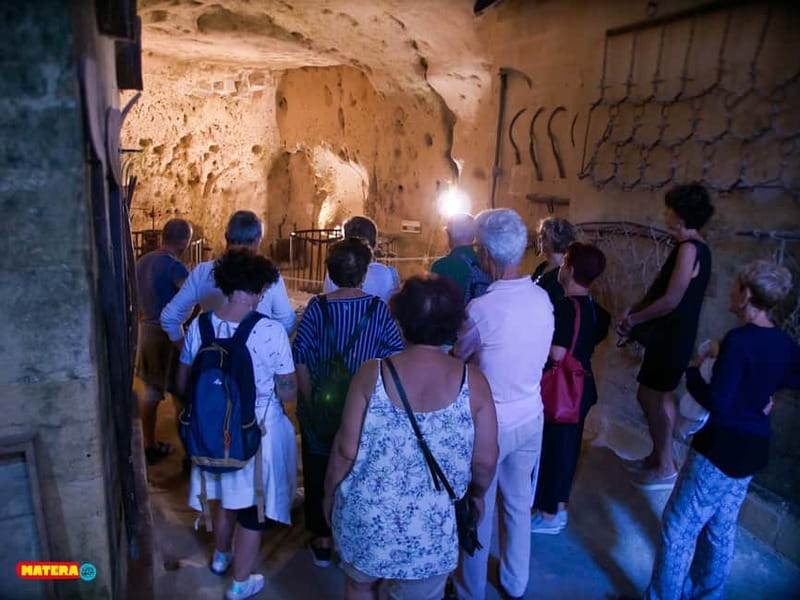
The cave house stop is where the tour becomes more than scenic walking. Instead of treating the Sassi as a visual curiosity, you get a chance to understand it as a home with specific rooms, functions, and everyday routines.
This is especially valuable because a cave house visit can answer questions your brain would otherwise keep asking while you’re outside:
- What did normal daily space feel like?
- How were rooms arranged when the “walls” were already there?
- How did people live with limited light and thick stone?
You’re not just standing in front of rocks. The tour includes a typically furnished cave house, which helps you mentally scale the setting to real life. That’s the difference between seeing cave dwellings as a concept and feeling how a family would move through one.
If you’re the type who likes context, you’ll probably enjoy the way guides connect cave living to longer struggles for survival and adaptation—how people kept going in this environment for thousands of years.
The frescoed rock church: faith carved into stone
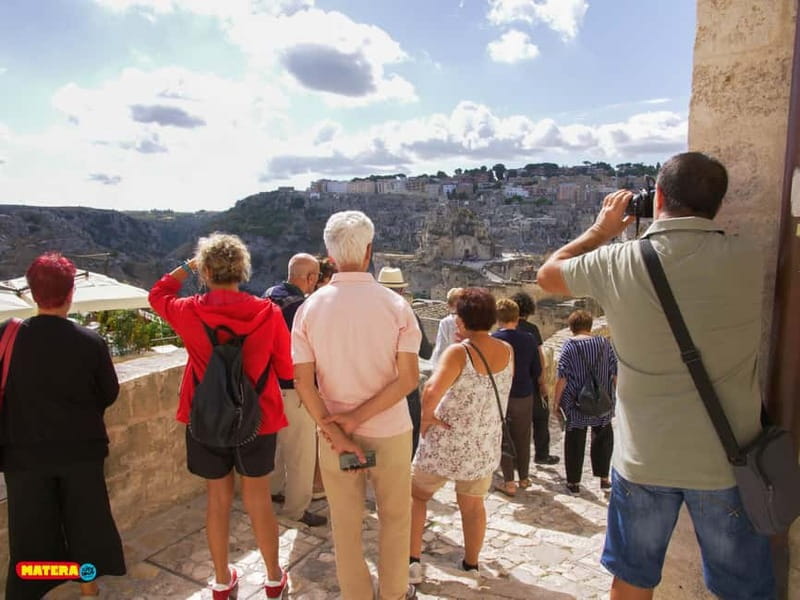
Next comes the rock church with frescoes. This stop changes your perspective because it shows that spiritual life wasn’t separate from the cave reality—it was built into it.
A lot of cities have churches. Fewer places make you understand the church as part of the cliffside community. Here, the setting is physical: a rock-cut space that shaped how people gathered, how walls held color, and how art and religion shared the same constrained environment.
The tour specifically highlights a frescoed rock church, and the guide’s job is to make that artwork and architecture legible. You’ll hear more than decoration facts—you’ll get why the church mattered in a place defined by survival, routine, and tight community living.
Matera as a filmed city and Culture Capital 2019
One of the most interesting parts of the Sassi story is that it hasn’t stayed frozen in the past. Matera has drawn filmmakers internationally, and the Sassi’s look keeps working on screen because it’s so distinctive: rock cutouts, layered streets, and the texture of real stone.
You’ll also hear about Matera’s role as European capital of Culture 2019. That connection helps explain why you see preservation efforts alongside tourism. The Sassi aren’t just relics. They became a symbol—of identity, art, and how places get reintroduced to the world.
This angle is worth paying attention to because it reframes your day. You’re not only asking what life was like here long ago. You’re also watching how modern Matera tells its own story now—through film locations, cultural programming, and the way guides interpret the stones for you in 2026.
Price and value: what $34 really buys
At $34 per person, this tour is priced like a mid-range walking experience—but the math helps.
You’re paying for:
- A live walking guide
- Entry tickets
- Time in two specific interior stops: the cave house and the frescoed rock church
- A structured visit lasting about 2 hours
If you only wandered on your own, you might find the alleys, but you’d miss the interpretation that makes the Sassi readable. Guides are repeatedly praised for turning the visit into a narrative—often with humor and quick context about regional life and governance changes over time (depending on the guide).
One small value note from reviews: a couple of departures have run a touch longer than the stated duration. Don’t count on that. Still, it suggests the best guides keep the group moving without rushing the key points.
Bottom line: if you want to understand what you’re looking at, this is one of the more efficient ways to do it in a short window.
Group size, comfort, and who should choose this
This tour runs with groups of 2 to 25. That range matters. Smaller groups tend to feel more conversational and flexible. Larger ones can mean more waiting at chokepoints in narrow alleyways, but the structure keeps things under control.
The tour is also explicitly not suitable for:
- Wheelchair users
- People with mobility impairments
- Baby strollers
So if you or anyone in your party needs wheelchair access or stroller access, skip this one and look for an alternative format with appropriate routes.
What you should bring:
- Comfortable shoes
- Water
- Sunscreen
And since it runs in rain or sun, plan your clothing accordingly. A light layer helps in cool evenings; a hat helps in the sun. (The tour itself isn’t cancelled for weather, so you’ll want to be the one prepared.)
Guide styles: Gaetano, Giuseppe, Cosimo, and the difference it makes
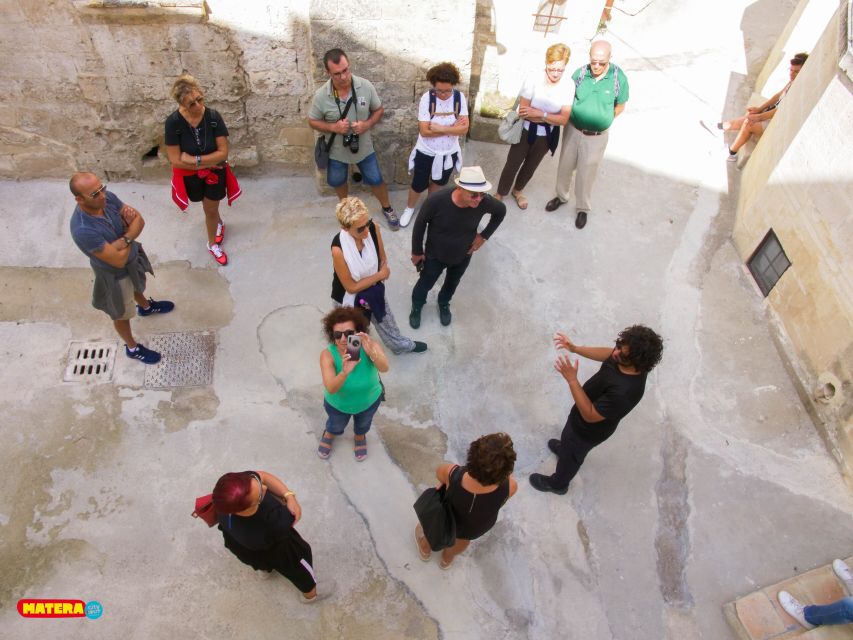
A quick pattern from reviews: the best moments usually come from the guide voice—clear explanations, lots of context, and humor that keeps the stories human.
Names that show up in top feedback include:
- Gaetano: praised for making the tour feel like a story about continuous struggle and daily survival, with references to Italian governance and even contemporary cinema
- Giuseppe: remembered for fun facts plus what people describe as gossip-like “life” details that connect architecture to society
- Cosimo: highlighted for patience, conversation with small groups, and answering questions without making you feel rushed
- Antonio and Maria Teresa: noted for strong engagement and for linking geography, geology, and the human angle
The practical takeaway for you: this tour isn’t only about where you go. It’s also about who you get. If your booking choice allows any control (sometimes it does, sometimes it doesn’t), it’s worth leaning toward departures that list a guide you’re excited by.
Even when you can’t choose the guide, the overall format is designed for live interpretation—so you’ll hear enough to connect the dots as you walk.
Should you book this Sassi di Matera guided walking tour?
Yes, if you want a fast, structured way to understand the Sassi without spending your day guessing. This is a good choice for first-timers who want the cave house and rock church stops, and for anyone who likes history told through real-life context.
Skip it if mobility is an issue for you or if you need wheelchair or stroller-friendly routes. Also, if you’re hoping for a long, slow wander with lots of free time, this one is only about 2 hours, so it’s more focused than leisurely.
If that sounds like your kind of day, book it. Bring your water, wear good shoes, and let the guide do the heavy lifting—so you can actually enjoy what you’re seeing.
FAQ
How long is the Sassi di Matera walking tour with cave house and church?
The tour duration is listed as 2 hours.
What is included in the ticket price?
It includes entry tickets, a guide, and the walking tour.
How much does it cost?
The price is listed as $34 per person.
Is the tour offered in English?
Yes. The live tour guide is available in English (and also Italian).
Does the tour run in bad weather?
Yes. The tour will take place with rain or sun.
How big are the groups?
The group size ranges from 2 to 25 participants.
What should I bring?
Bring comfortable shoes, water, and sunscreen.
Is this tour suitable for wheelchair users?
No. It is not suitable for wheelchair users, and it’s also not suitable for people with mobility impairments.
Are baby strollers allowed?
No. Baby strollers are not allowed.
Is free cancellation available?
Yes. Free cancellation is available up to 24 hours in advance for a full refund.
Do I have to pay right away?
No. There’s a reserve now & pay later option, so you can book your spot and pay nothing today.