REVIEW · MATERA
Matera: Caves and Rock Churches Walking Tour in English
Book on GetYourGuide →Operated by Gaetano Campanile · Bookable on GetYourGuide
Caves here are still living spaces. This Matera Sassi walking tour turns the stone alleys into a story you can walk through, from cave homes to the rock church of St. Mary of Idris. You also get a real local frame for how this UNESCO city survived, changed, and stayed human.
I love two things most: the chance to step inside the ancient cave houses and learn how families handled rain with an ingenious collection system, and the way the tour explains Matera’s shift from shame of Italy to UNESCO site without turning it into a lecture. The one drawback to plan for is the hilltop setting, which means stairways and uneven steps, even though the pace is described as leisurely.
In This Review
- Key highlights worth penciling in
- Matera in 2.5 hours: what this walking tour is really for
- Start at Piazza S. Pietro Caveoso: find the guide and get oriented
- Walking the Sassi: viewpoints, side alleys, and stairways (yes, they’re there)
- Entering the cave houses: how families lived in the stones
- The rock church stop: St. Mary of Idris and why it matters
- The guide factor: Gaetano Campanile’s style and why it works
- What else you might see along the route
- Price and value: is $28 for 2.5 hours actually fair?
- Tips to make the walk easier and more enjoyable
- Who should book this tour?
- Should you book this Matera cave and rock church walking tour?
- FAQ
- How long is the Matera caves and rock churches walking tour?
- Where do I meet the guide?
- What will I visit during the tour?
- Is the tour offered in English?
- Is there a lot of walking or stairs?
- Can I cancel or pay later?
Key highlights worth penciling in
- Cave houses you can enter, not just admire from outside
- A practical look at Matera’s rainwater collection system
- St. Mary of Idris, a true rock church stop
- Licensed local guide speaking English at a relaxed pace
- Start and end at Piazza S. Pietro Caveoso
- Plenty of photo viewpoints plus the smaller side corners you’d miss alone
Matera in 2.5 hours: what this walking tour is really for
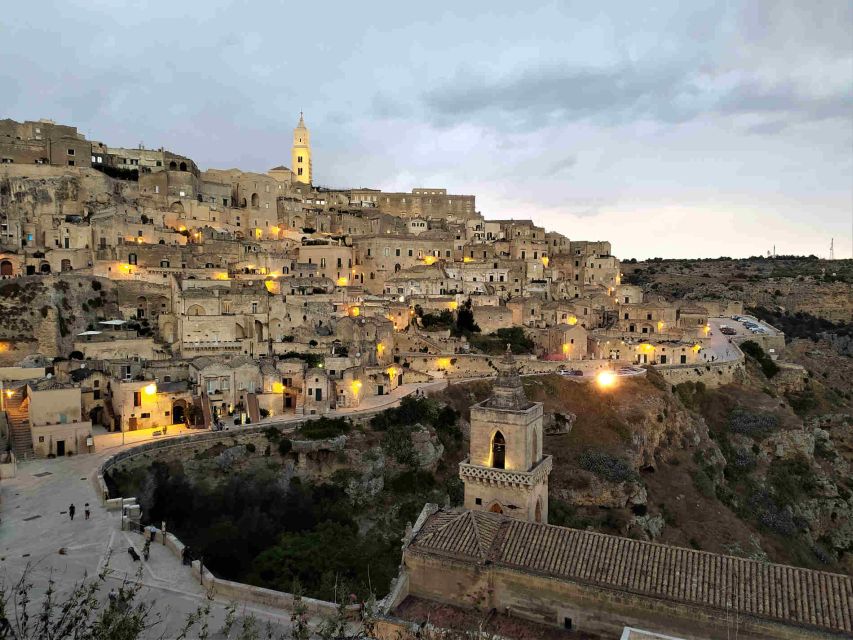
Matera is one of those places where your brain needs context. You arrive, you see the stones and the caves, and you naturally wonder: how did people live like this, day after day? This tour is built to answer that quickly, in plain language, and while you’re still walking the same Sassi lanes.
At $28 per person for a 2.5-hour guided walk, the value is in the access and interpretation. You’re not paying mainly for scenery. You’re paying for someone local—here, the guide often named Gaetano Campanile—to connect the dots between architecture, survival, and the city’s long reputation makeover.
You can also read our reviews of more walking tours in Matera
Start at Piazza S. Pietro Caveoso: find the guide and get oriented
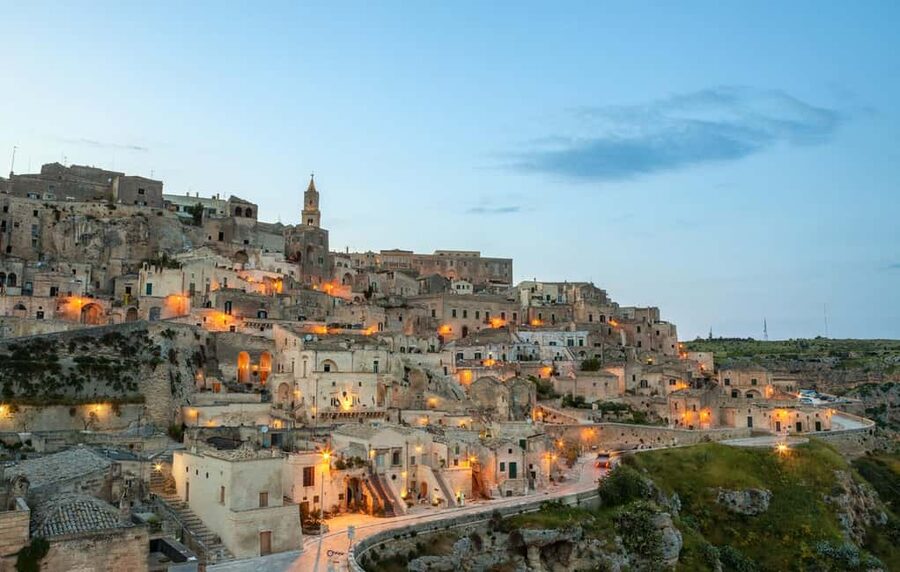
The tour begins at Piazza S. Pietro Caveoso, right in front of the church there. The guide is expected to be standing in front of the church, which makes meeting easy as long as you arrive a few minutes early.
If you’re driving, you’ll want to know where to park before you’re juggling backpacks and cobblestones. The tour info points to two multi-level parking options:
- Via Pasquale Vena
- Via Rocco Scotellaro
This matters because the Sassi sit on a hillside. Even if you start with good intentions, you’ll pay for it later if you park too far away. Make life simple: park near the meeting point and let the guide take care of the route.
Walking the Sassi: viewpoints, side alleys, and stairways (yes, they’re there)
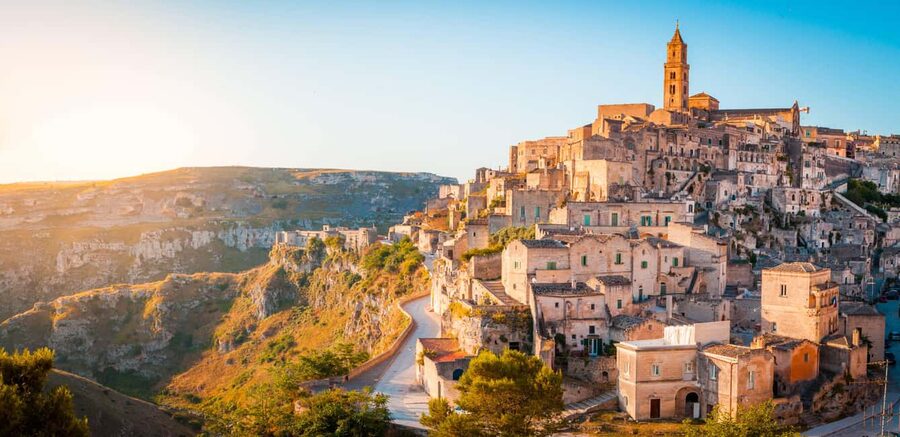
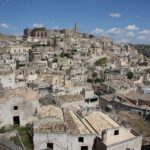
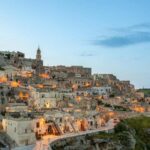
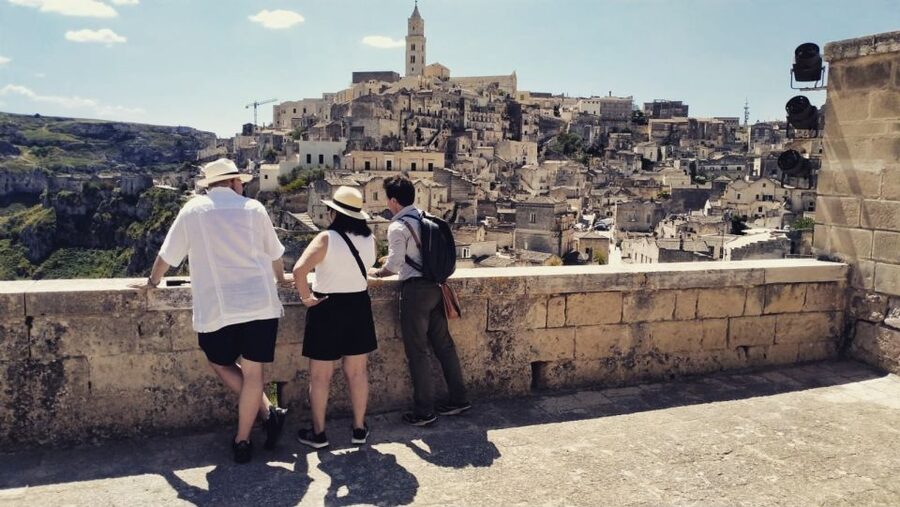
The route explores Matera’s Sassi, the ancient districts carved into and wrapped around the rock. Expect a mix of big, breathtaking viewpoint moments and smaller, hidden corners where the city feels quieter and older.
You should also expect stairways. The tour is described as a leisurely pace, but you’re still moving up and down through an old hill town. Comfortable shoes aren’t optional here—they’re how you keep the day enjoyable instead of just tolerable.
What I like about this format is that you’re guided through the city’s logic. You don’t just walk from one photo spot to another. You learn why certain streets feel narrow, why cave entrances look the way they do, and how the settlement grew where it did.
Entering the cave houses: how families lived in the stones
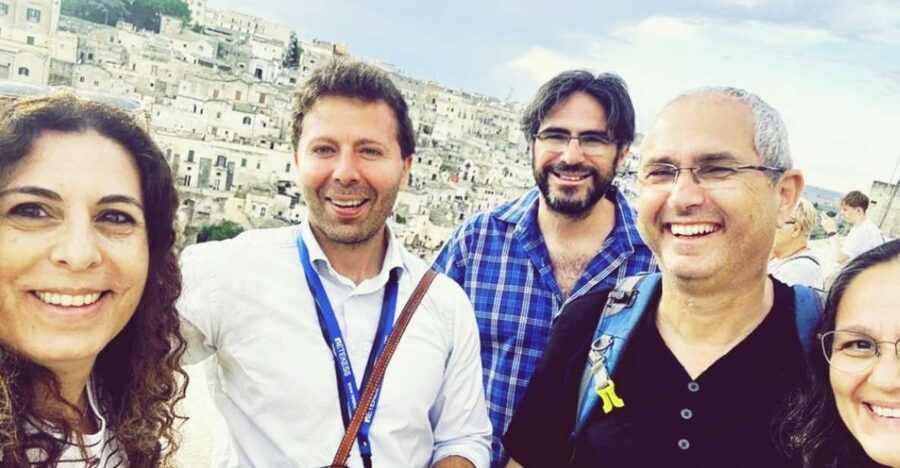
This is the heart of the experience: entering the ancient cave houses. Inside, you get a sense of how ordinary life happened underground and along the rock face. That human scale is the point. It turns the Sassi from a postcard into a lived environment.
A key theme is survival engineering—especially water. The guide explains the rainwater collection system, which was essential for people living in a dry landscape. Understanding that system changes what you see: suddenly, details that look like simple stone work feel intentional and life-saving.
This is also where the tour tends to feel most story-driven. One recurring praise is that the guide shares social history and human stories, including information passed down locally. That’s why the walk doesn’t feel like a standard checklist. It feels like the city is talking back.
The rock church stop: St. Mary of Idris and why it matters
After the cave-house portion, you move toward the religious sites carved directly into the rock. The tour highlights the rock church of St. Mary of Idris.
Churches in the Sassi aren’t just places to look at art. They show how community life gathered and organized itself in a harsh, stone-built world. By seeing the church after learning how people lived—stored water, cave homes, daily routines—you start to understand the city’s rhythm: work, water, shelter, and then communal worship.
If you’re the type who likes architecture but hates generic descriptions, this stop helps. The guide connects the physical space to how people once lived around it.
The guide factor: Gaetano Campanile’s style and why it works
The best guided tours have a voice that fits the place. Here, Gaetano Campanile is repeatedly singled out for how he tells Matera’s story. People mention his English is excellent, his pace is easy to follow, and his delivery has humor without going off-topic.
I also like that the tone is interactive. A lot of praise centers on answering questions and staying patient with different ages and mobility levels. That’s practical. You don’t need to sit silently and hope the important part gets explained. You can ask, and you usually get a straight answer.
One more detail worth noting: guides sometimes share not just dates and facts, but oral history from people connected to the Sassi. That kind of storytelling makes the tour feel less like a slideshow and more like learning from someone who loves where they grew up.
What else you might see along the route
The tour description calls out cave houses and St. Mary of Idris. Some tours in this same format may also include other old structures tied to daily life. In the information provided, there are mentions of stops such as an old cistern and a workshop, along with additional church elements.
I’d treat that as a bonus rather than a guarantee, but it aligns with the theme: survival and community, not just famous landmarks. If you care about how people functioned in the Sassi—water, craft, faith—those extra stops tend to make the walk feel even more complete.
Price and value: is $28 for 2.5 hours actually fair?
For $28, you’re buying three things:
1) A licensed local guide
2) Entry into cave-house spaces during a structured route
3) Explanations in English that connect the stones to real life
If you try to do the caves and rock churches alone, you’ll spend time figuring out what you’re looking at, and you’ll miss the big story threads like the water system and the city’s transformation over time. This tour compresses all that into a short block, so you leave with a mental map you can use for the rest of your stay.
Also, at 2.5 hours, it’s long enough to feel meaningful but short enough to keep your day flexible. You can still add a meal, a second walk, or a viewpoint stop afterward without feeling like you’ll be walking all evening.
Tips to make the walk easier and more enjoyable
Here’s how to set yourself up for success with this particular tour style.
- Wear comfortable shoes with real traction. Stones and stairs can be unforgiving.
- Keep expectations realistic about stairs. The pace is leisurely, but the city sits on a hill.
- Bring curiosity. The guide’s strength is answering questions, not rushing past them.
- If you’re coming to Matera for the first time, schedule this early. It gives you a foundation for everything you’ll see later.
If you’re traveling with mixed abilities (different ages, different comfort with steps), the guide’s style is described as flexible and patient. That’s a good sign for families and multi-generation groups.
Who should book this tour?
Book it if you want:
- A first-time orientation to Matera’s Sassi
- The human story behind the caves, especially the rainwater collection detail
- An English-language guide who explains more than just dates
- A guided walk that helps you spot what matters while you’re still in the neighborhoods
You might skip it if you can’t handle stair-heavy routes at all, since the old city is built on a hillside. And if you already know Matera deeply and want only independent exploring, you could go self-guided—but you’d lose the survival-and-community context that makes the stones click.
Should you book this Matera cave and rock church walking tour?
Yes, I think you should—especially if this is your first time in Matera. The tour’s value comes from guided entry into cave homes plus a clear explanation of how people lived: shelter, water, community, and the city’s later rebirth.
If you have comfortable shoes and a tolerance for stairs, this is a smart, cost-effective way to turn Matera from a strange set of caves into a city you can actually understand.
FAQ
How long is the Matera caves and rock churches walking tour?
The tour duration is about 2.5 hours.
Where do I meet the guide?
You meet at Piazza S. Pietro Caveoso, in front of the church. The activity ends back at the same meeting point.
What will I visit during the tour?
You’ll explore the Sassi districts, enter ancient cave houses, and visit the rock church of St. Mary of Idris.
Is the tour offered in English?
Yes, the live tour guide speaks English.
Is there a lot of walking or stairs?
Yes, Matera’s old city lies on a hill, so there are stairways to climb. The walk is described as a leisurely pace.
Can I cancel or pay later?
You can cancel up to 24 hours in advance for a full refund, and you can reserve now & pay later.