REVIEW · SARAJEVO
Sarajevo: Old Town Walking Tour with Local Guide
Book on GetYourGuide →Operated by Meet Bosnia Tours · Bookable on GetYourGuide
Sarajevo tells its story by footsteps. This 150-minute walk pulls you straight into the mix of Ottoman, Austria-Hungary, Yugoslav, and modern Bosnia—starting with Bascarsija Square and ending with key memory sites like the Eternal Flame Monument. You’ll feel how closely different faiths and eras sit together in the center, with streets that still smell like coffee and grilled bites.
I especially like the photo-and-story rhythm: you pause at Sebilj and the newly renovated Sarajevo City Hall, then move into markets and courtyards where the past isn’t locked behind ropes. And guides like Arna, Kiki, and Elma (names that show up in recent bookings) are the kind who talk like they’re showing you their own city, with room for questions and even time to step into craft shops when it fits.
One possible drawback: you’re walking the whole time, and meals are not included—so bring comfortable shoes and plan on grabbing a coffee or light bite after.
In This Review
- Key things I’d circle before you go
- Why this 2.5-hour Sarajevo loop works
- Bascarsija Square, Sebilj, and the Sarajevo City Hall moment
- Kazandžiluk and Morića Han: where Ottoman-era crafts feel real
- The Gazi Husrev-beg complex: mosque, madrasa, and library in context
- Latin Bridge and the assassination that sparked WWI
- Cathedral Church and Sacred Heart: a different Sarajevo face
- Eternal Flame Monument: where Yugoslav memory is kept visible
- How much the tour costs, and why it’s fair value
- Best for who
- Should you book Sarajevo Old Town Walking Tour with a Local Guide?
- FAQ
- How long is the Sarajevo Old Town walking tour?
- What does the tour cost?
- Is the tour guided, and in what language?
- How large is the group?
- Is the tour wheelchair accessible?
- Are meals and drinks included?
- Can I cancel and get a refund?
Key things I’d circle before you go
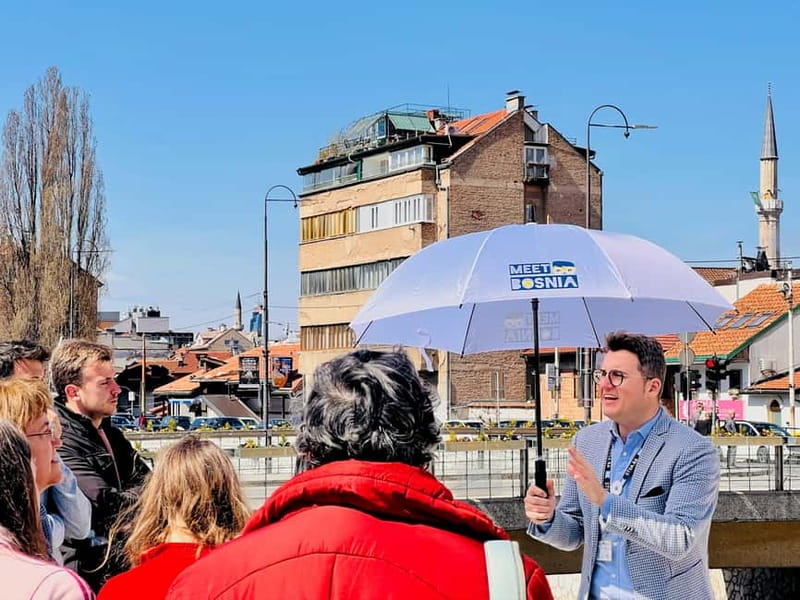
- Bascarsija Square’s outdoor market energy, built on a 15th-century core
- Sebilj fountain and City Hall viewpoints, good for context and photos
- Ottoman craft stops around Kazandžiluk and Morića Han
- The Gazi Husrev-beg complex (mosque, madrasa, library) in one smooth route
- Latin Bridge and the WWI trigger, explained in plain language
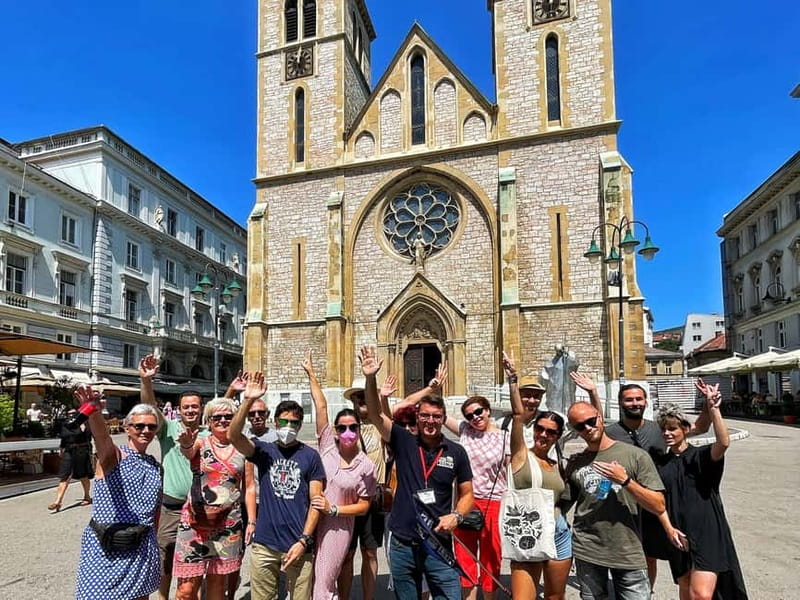
- Cathedral Church of the Nativity and Sacred Heart Cathedral, showing Sarajevo’s religious mix up close
Why this 2.5-hour Sarajevo loop works
Sarajevo can feel big in your head and small on foot. That’s why I like a short guided walk like this: you get the landmarks that matter most, without burning your whole day just finding your bearings.
At 150 minutes and a small group of up to 10, you’re not stuck listening from far away. You also get a manageable pace—enough time to stop, look up close, and still cover the heavy-hitters like Latin Bridge and major Ottoman-era buildings.
You can also read our reviews of more walking tours in Sarajevo
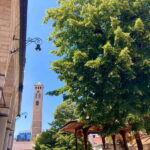
Bascarsija Square, Sebilj, and the Sarajevo City Hall moment
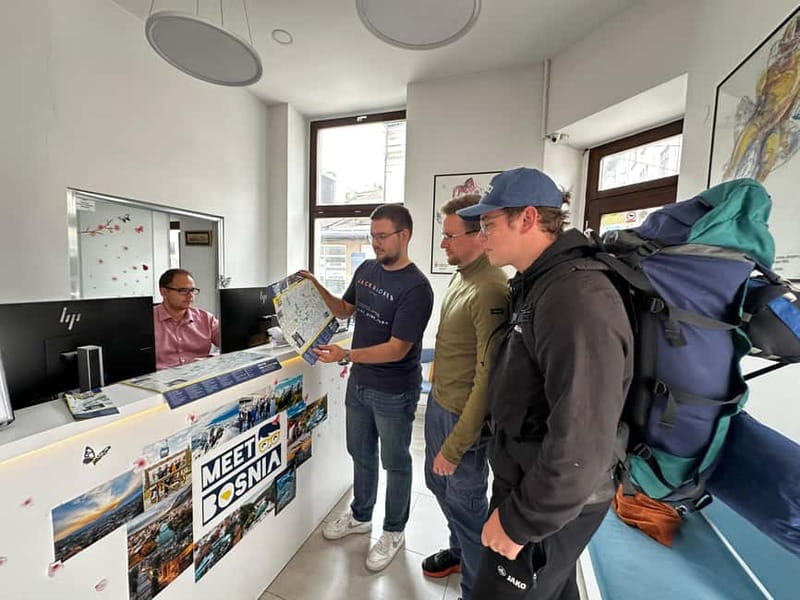
You’ll start in the heart of old Sarajevo at Bascarsija Square, where you’re stepping into a market space with roots back to the 15th century. Even if you’ve seen old-world bazaars elsewhere, this one feels different because Sarajevo’s history is written on many layers at once—trade, religion, empire, and everyday life all in the same frame.
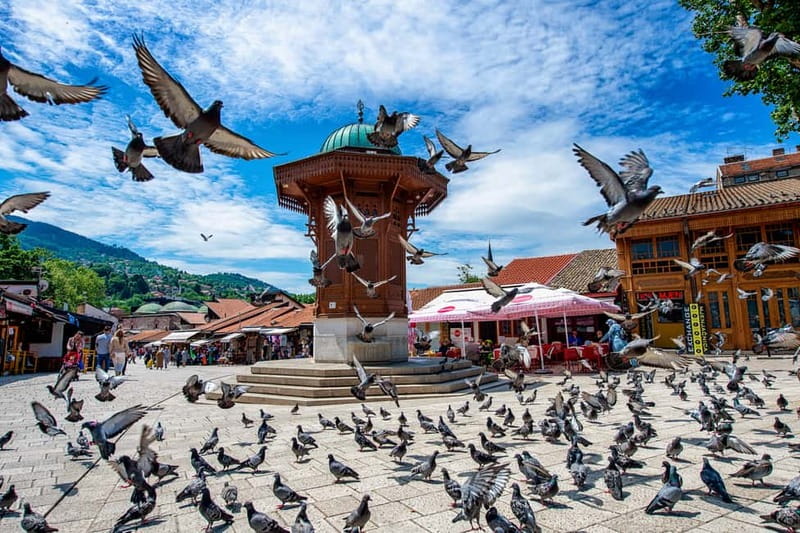
Next comes Sebilj, the wooden fountain people use as a kind of meeting point and symbol of the city. It’s a perfect stop for two reasons: it’s photogenic, and it’s also a quick way for your guide to anchor you to Sarajevo’s identity—coffee, chatter, and the old-town streets that branch off nearby.
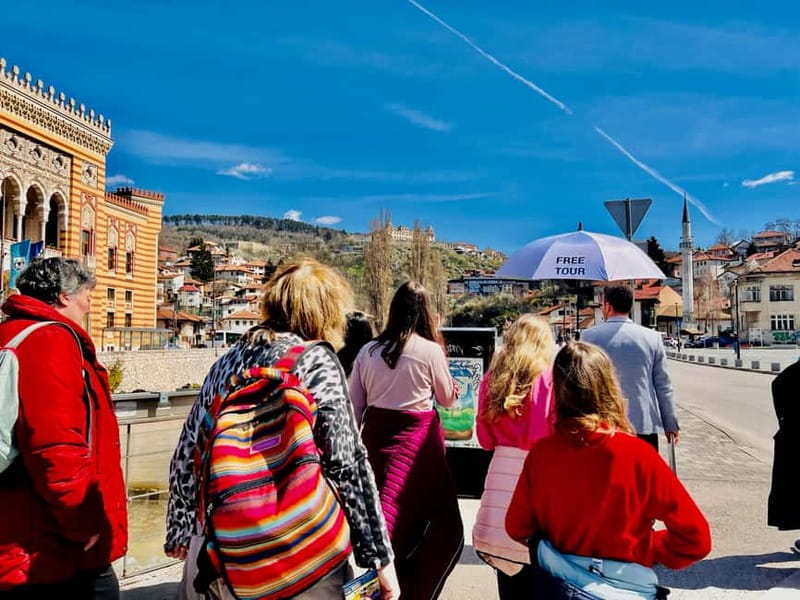
Then you’ll move toward the Sarajevo City Hall, including scenic viewpoints on the way and time to look around. The tour leans into how Sarajevo changed hands across time, so this stop isn’t just about architecture—it’s about understanding why different styles ended up here and what they signaled in their era.
Practical tip: bring your camera, but also keep one hand free. This route involves frequent close-up looks, and you’ll want to zoom in on details without wrestling bags.
Kazandžiluk and Morića Han: where Ottoman-era crafts feel real
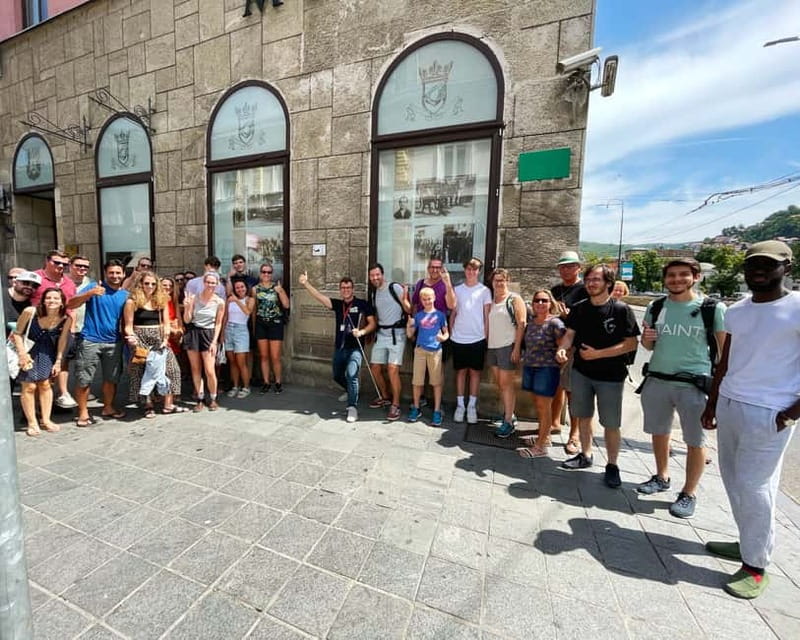
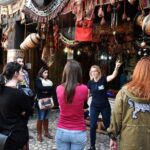
A big part of the value here is that the tour doesn’t treat the old town like a museum. You’ll spend time at Kazandžiluk, known for arts and crafts. The payoff is your guide’s ability to explain what you’re seeing and why these workshops mattered historically.
From recent experiences shared by guests, one standout is getting to step into local stores rather than just looking from the sidewalk. People have described stops linked to the artistic process—like witnessing something as specific as an artisanal brush-making shop. That kind of detail is why this walk can feel more personal than the usual checklist tour.
You’ll also walk through Morića Han, which helps bridge the story between markets and Sarajevo’s wider old-town layout. It’s the kind of place that makes you slow down, because it’s easy to picture how goods moved through the city before modern roads and storefronts took over.
What to watch for: don’t rush through the shop windows. Crafts are often the slowest things to understand—so if your guide offers context, listen for the practical reasons behind the design and materials.
The Gazi Husrev-beg complex: mosque, madrasa, and library in context
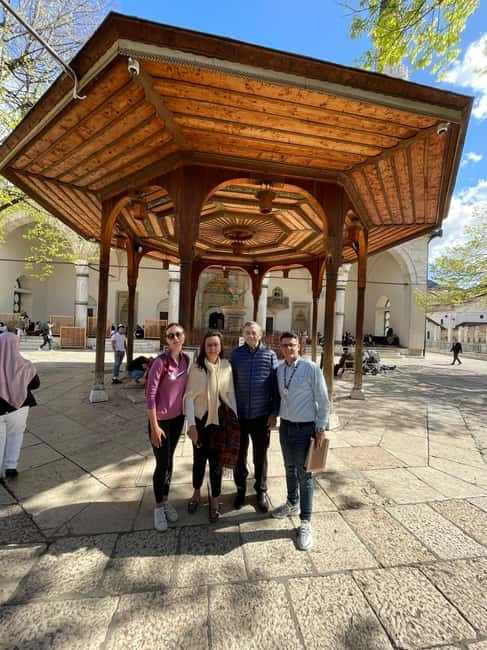
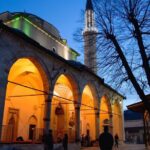
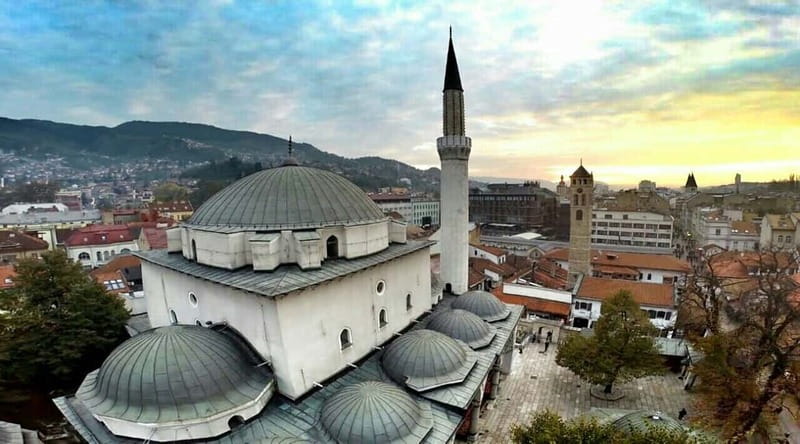
This is one of the most focused sections of the walk, and it’s where Sarajevo’s Ottoman heritage becomes concrete. You’ll visit Gazi Husrev-beg Mosque first, then continue to related sites: Gazi Husrev-beg Madrasa and the Gazi Husrev-beg Library.
The reason I like pairing these together is that they don’t function in isolation. A mosque is a worship space, yes—but in an Ottoman context it’s also tied to education, scholarship, and community structure. The madrasa and library help you see that system as one connected whole.
You’ll get guided time plus photo stops, which is useful because it keeps you from spending all your energy on photos. You can actually learn what you’re looking at—then later, when you return on your own, you’ll recognize the details you were taught.
In the same section, Sarajevo’s “multiconfessional closeness” becomes very real. This isn’t just about Ottoman architecture; it’s about how different eras and beliefs coexist in the center and shape the daily rhythm of the streets.
Latin Bridge and the assassination that sparked WWI
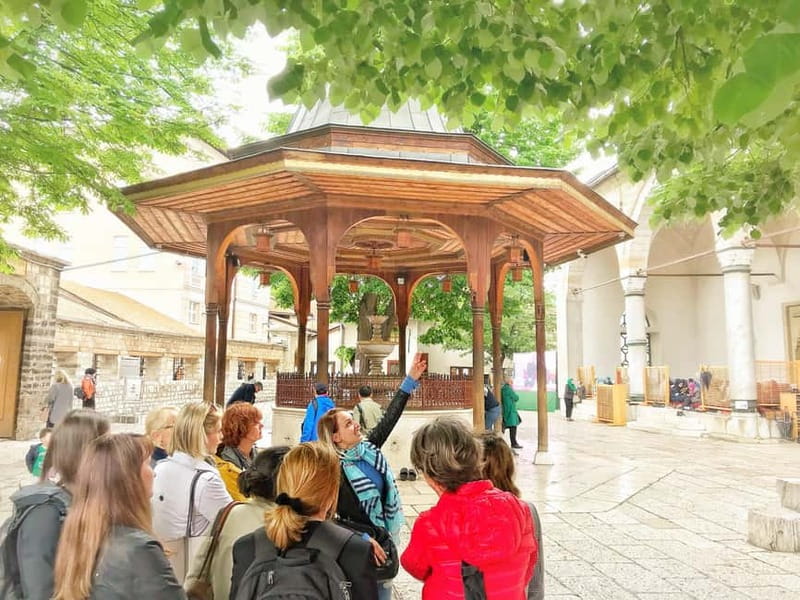
Then comes the moment that changed European history. At Latin Bridge, you’ll stop, learn, and understand the assassination of Archduke Franz Ferdinand, and how it connects to the start of World War I.
What makes this stop work on a walk is that you’re not getting a textbook timeline. You’re standing in the urban space where the story happened, so your guide can connect the facts to place: routes, buildings, and the way Sarajevo was positioned at a crossroads of empires.
This part of the tour is also where good guiding matters most. From recent guest feedback, many people appreciated how their guide handled both facts and the perspectives around them—politics, faith, and the city’s complicated modern memory.
If you’re the type who likes to ask questions, this is a great stretch to do it. Your time is limited, so bring one question in mind—like how different communities today interpret those events—and use the stop to get an answer.
Cathedral Church and Sacred Heart: a different Sarajevo face
Sarajevo isn’t only Ottoman and medieval. The tour also includes major Christian landmarks, which helps you see why the city is often described as a meeting point of multiple traditions.
You’ll visit the Cathedral Church of the Nativity of the Theotokos, then stop for the Sacred Heart Cathedral. The guided time at each helps you understand not just what the buildings look like, but what they meant for Sarajevo’s identity through changing political eras.
This section works well if you want balance. Without it, old town walks can turn into a one-note story. Here, you get enough contrast to understand that Sarajevo’s history isn’t one empire after another—it’s communities building institutions, expressing faith, and leaving visible marks.
A good trick: pause for a full minute at each church. Let the sounds of the street mix with the quiet around the building. That small pause makes the “multiconfessional closeness” theme click.
Eternal Flame Monument: where Yugoslav memory is kept visible
The highlights include the Eternal Flame Monument, dedicated to the Yugoslav People’s Army. This stop shifts the mood from architecture and storybook streets into something more direct: public remembrance in the city center.
Even if you don’t know the background, your guide can translate why this monument exists and what it represents in the local memory of the 20th century. It’s also a reminder that Sarajevo’s modern story includes conflict, not only empire-era change.
If you want to understand Sarajevo beyond postcard photos, this is the kind of stop you shouldn’t skip. It grounds the earlier historical context and helps you read the city’s present more responsibly.
How much the tour costs, and why it’s fair value
At $20 per person for about 2.5 hours, this walk is priced like a “solid intro” tour, not a luxury private driver situation. The key value isn’t just access to a guide—it’s the structure.
You get:
- a tight old-town route with major landmarks,
- multiple context points (Ottoman heritage plus WWI plus modern memory),
- and, importantly, a small group format that leaves room to ask questions.
You also get extra value when your guide includes practical local life notes. Several guests described guides sharing useful pointers about shops and places to eat, not just historical facts. That’s what turns a sightseeing walk into something you can use after the tour.
If you’re trying to spend your first day intelligently, this is a good way to decide what to revisit on your own—especially since Sarajevo isn’t enormous, and the center rewards repeat wandering.
Best for who
This tour is a strong fit if you:
- want a clear introduction to Sarajevo without feeling lost,
- like your history explained through real places, not only dates,
- enjoy markets, crafts, and short stops where you can see how everyday life connects to the past,
- and prefer a small group where you can ask questions.
If you only want broad highlights and zero talking, you might find the guided element more than you want. But if you like stories—Ottoman, Austria-Hungary era impacts, Yugoslav memory, and the WWI trigger—you’ll likely feel it was time well spent.
Should you book Sarajevo Old Town Walking Tour with a Local Guide?
I’d book it if you want a high-impact first pass through Sarajevo’s core. You’ll get the major symbols—Bascarsija Square, Sebilj, the Ottoman Gazi Husrev-beg sites, Latin Bridge, and the cathedral pair—plus at least one stop that turns the volume down and makes memory feel real.
Two checks before you go: wear shoes you can walk in for 2.5 hours, and plan on food after since meals and drinks aren’t included. Do that, and you’ll leave with a clearer map in your head and a better sense of why Sarajevo feels like more than one story layered on top of another.
FAQ
How long is the Sarajevo Old Town walking tour?
The tour runs for 150 minutes (about 2.5 hours).
What does the tour cost?
The price is $20 per person.
Is the tour guided, and in what language?
Yes, it includes a live English-speaking guide.
How large is the group?
The group is limited to 10 participants.
Is the tour wheelchair accessible?
Yes, the tour is wheelchair accessible.
Are meals and drinks included?
No. Meals and drinks are not included, though they can be arranged upon request.
Can I cancel and get a refund?
Yes. You can cancel up to 24 hours in advance for a full refund.