REVIEW · RIGA
Riga: Old Town Walking Tour with Art Nouveau Highlights
Book on GetYourGuide →Operated by Guide agency Smile Line · Bookable on GetYourGuide
Art Nouveau tells Riga’s smartest stories. On this Old Town walk, you’ll pair classic street scenes with Art Nouveau details you’d miss on your own, plus clear explanations of who lived where and why it mattered. It’s a tight, two-hour route that leaves you with both photos and a better sense of how Riga grew.
I really like the way the guide builds the tour around street-level looking. You’ll get photo stops for major sights, including The Three Brothers, and you’ll learn what to look for on the façades—faces, figures, materials, and symbols that connect across buildings. I also love the people-and-props angle: the stories aren’t just dates, they explain the ambitions of the wealthy residents who shaped this decorative style.
One thing to plan for: this is mostly cobblestones and packed Old Town walking, so it’s not the best fit if you’re trying to see everything far outside the center. Also, the route focus is Art Nouveau and Old Riga highlights—not a sweep of every major attraction you might have on your list.
In This Review
- Key highlights at a glance
- Starting where Riga likes to meet: Black Heads to Old Town
- Old Riga squares and church stops that actually teach you something
- Town Hall Square: the pace-setter
- St. Peter’s Church and the church-yard rhythm
- St. John’s Church and St. John’s Yard: where details live
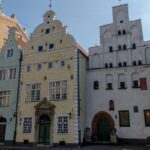
- The Three Brothers and Liv Square: the stop you’ll remember in photos
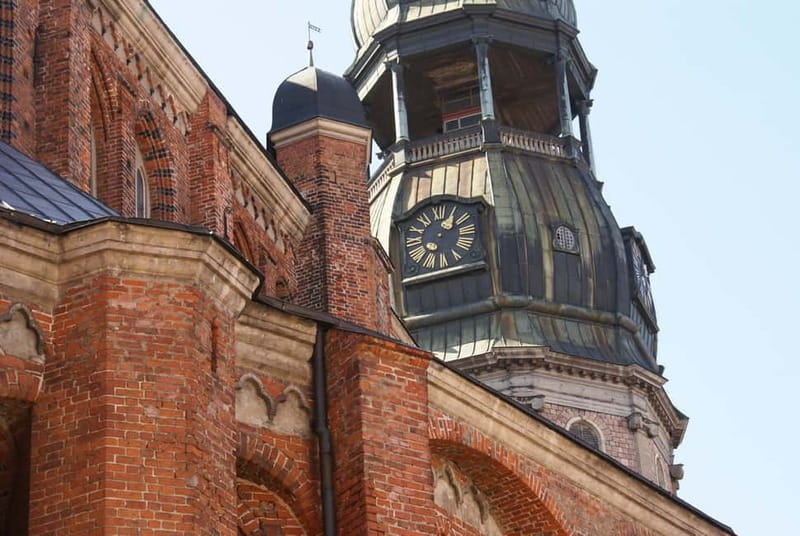
- Riga Cathedral and St. Jacob’s Church: tracing influence through power
- Art Nouveau in Riga: what the guide helps you spot
- Small-group pacing: 2 hours, 3 to 20 people, and real questions
- Who this tour suits best (and who should adjust expectations)
- Kids and limits
- Price and value: why $35 can feel fair here
- What guides are like on this tour (from real patterns)
- Practical tips so your tour day goes smoothly
- Should you book this Riga Old Town Art Nouveau walking tour?
- FAQ
- FAQ
- How long is the Riga Old Town walking tour?
- Where do I meet the guide?
- What’s the price per person?
- Is the tour all walking, and are tickets included?
- What languages is the live guide available in?
- Is there an audio guide system?
Key highlights at a glance
- Start at the House of the Black Heads: Meet at the Smile Line office on Townhall Square 7.
- The Three Brothers photo moment: You’ll stop specifically to photograph the Liv Square landmark.
- Old Riga’s big church stops: Town Hall Square, St. Peter’s Church, St. John’s Church, and more.
- Art Nouveau explained on the street: You’ll learn how to spot the style’s decorative logic.
- Small group feel (3–20 people): Easy to ask questions and keep a steady pace.
- Audio support if the group is larger: An audio guide system is provided when more than 12 join.
Starting where Riga likes to meet: Black Heads to Old Town
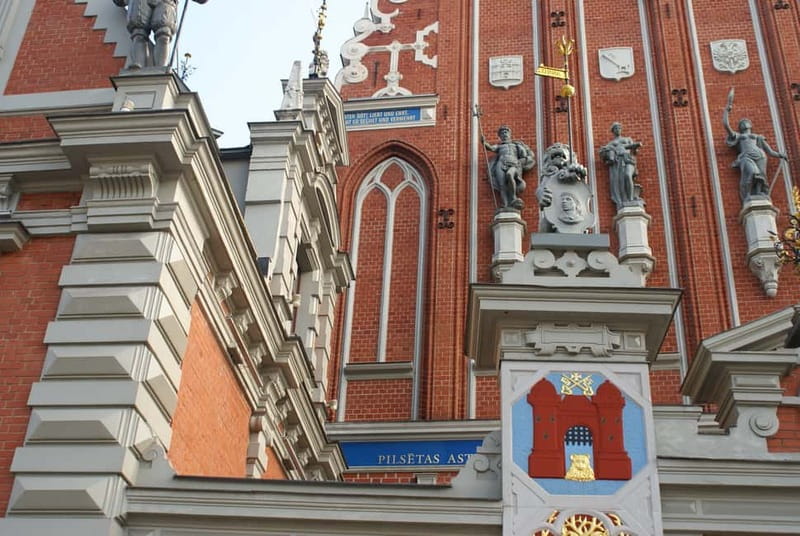
Your tour starts at the Smile Line office in the House of the Black Heads, right on Townhall Square (7). This is a good way to begin because you’re dropped into the center of things immediately—Old Riga territory, with the kind of pedestrian streets that reward slow looking.
From this starting point, the walk makes sense: you don’t just head down random lanes. You move through the historic “working rooms” of the city—squares, churches, yards, and the streets where Art Nouveau became a signature language. If you want the easiest way to get your bearings fast, starting here helps because the route is built around the landmarks you can later use like anchors on a map.
You can also read our reviews of more walking tours in Riga


Old Riga squares and church stops that actually teach you something
This tour doesn’t treat churches as background. It uses them as waypoints to explain how Riga’s old urban life fit together, then ties that atmosphere back to the neighborhoods where Art Nouveau flourished.
Town Hall Square: the pace-setter
You’ll pass through Town Hall Square, Riga’s classic public-stage space. The value here is mental: once you understand this square’s role in civic life, the rest of the Old Town route clicks into place. Think of it as the tour’s “orientation board,” setting context before the detailed architecture begins.
St. Peter’s Church and the church-yard rhythm
Next up are stops around St. Peter’s Church and nearby Convent Yard-type spaces. These spots matter because they show the way Old Riga blends grand buildings with enclosed, human-scaled courtyards. The guide’s job is to help you notice what changes between “street face” and “inner space,” and that’s a useful habit for exploring the city later.
St. John’s Church and St. John’s Yard: where details live
You also get to move through St. John’s Church and St. John’s Yard. On a DIY walk, yards like this can feel like side streets you simply pass. With a guide, you learn what to pay attention to and why these places were part of the daily structure of the area—again, not just names, but how the city operated.
If you’re the type who likes architecture but also wants context, this is a strong section. You’re not stuck staring at façades the whole time; you get stories that make the stones feel connected.
The Three Brothers and Liv Square: the stop you’ll remember in photos
Liv Square is where the tour slows down just enough for you to really register one of Riga’s most famous residential complexes. You’ll admire and photograph The Three Brothers—a landmark stop that works on two levels.
First, it’s visual. The “three brothers” identity makes it easy to remember, and the complex is built for façade viewing—perfect for camera time. Second, it becomes a doorway into the guide’s deeper point about former inhabitants and status. In other words, you’re not only learning what it looks like; you’re learning why it got attention and what kind of city Riga was becoming.
A small practical note: bring your camera and use the stop time. A two-hour tour is short, and photography pauses are the kind of moments you’ll wish you didn’t rush afterward.
Riga Cathedral and St. Jacob’s Church: tracing influence through power
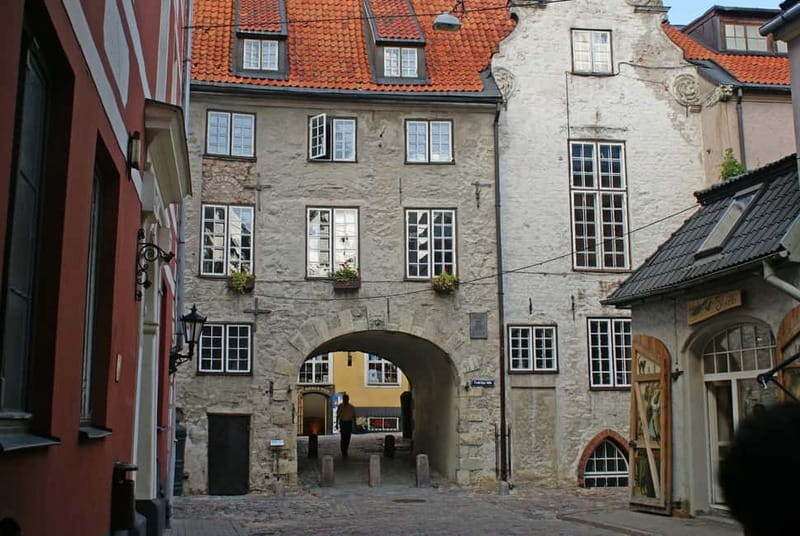
Later on, the route moves toward Riga Cathedral and St. Jacob’s Church. This section is useful if you want to connect architecture with social rank.
The guide explains the richest and most influential residents who once called Riga’s Art Nouveau buildings home. That’s important because Art Nouveau here isn’t just decoration. It’s tied to the people who had the money to commission expressive façades and the cultural confidence to show it off.
If you’ve ever felt lost in architectural tours because you only knew “old” versus “new,” this is the fix. You start to see buildings as evidence—of wealth, of taste, of ambition, and of how residents wanted to be seen from the street.
Art Nouveau in Riga: what the guide helps you spot
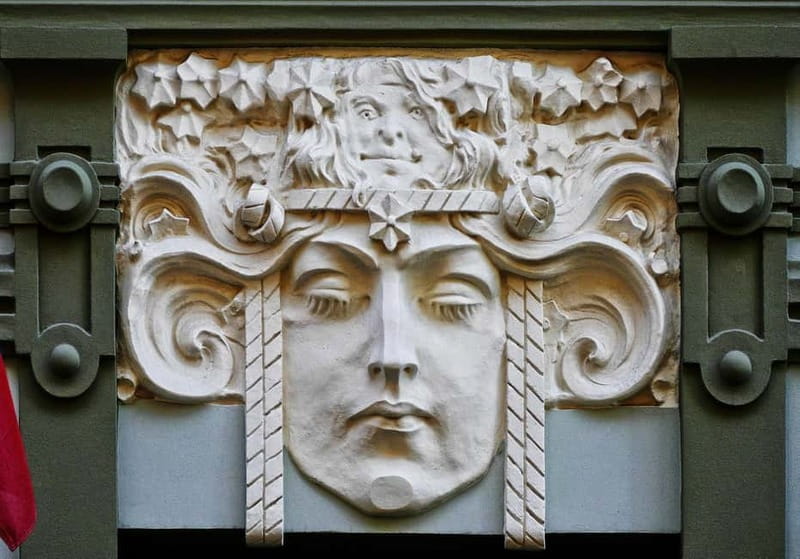
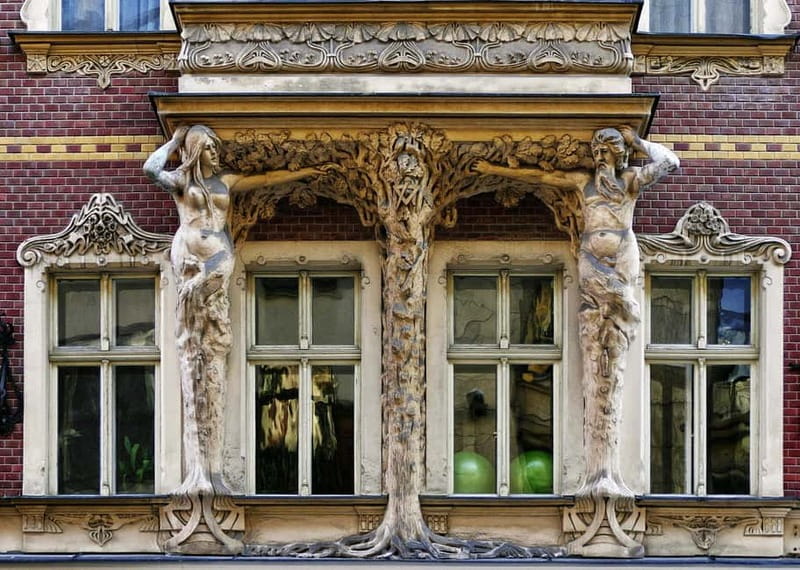
Art Nouveau is easiest to appreciate when you know what to look for. That’s where this tour earns its keep. You’ll get in-depth commentary on Riga’s Art Nouveau scene, focused on the decorative and intellectual side of the style.
Here’s the practical takeaway you’ll leave with: after the tour, you’ll understand why these buildings look busy in a deliberate way. The details aren’t just random ornament. You’ll learn how façade elements create rhythm and meaning—how sculpted forms, patterned surfaces, and architectural “characters” work together rather than competing.
And because you’re walking, you don’t lose the thread. You can compare buildings in sequence and let the style “teach itself” through repetition. It’s one reason this tour works so well even for first-timers: it gives you a viewing system, not just a list of sites.
Small-group pacing: 2 hours, 3 to 20 people, and real questions
This is a Small Group tour with a minimum of 3 and a max of 20. That range matters. It’s big enough to feel lively, but small enough that you can usually ask questions without turning the walk into a microphone contest.
You’ll meet a live guide speaking German or English (live tour guide). And if more than 12 people join, an audio guide system is provided, which helps keep everyone synced when the group stretches out on narrower streets.
Also, based on past guide experiences in similar small groups, you’ll likely find the best value comes from asking one or two follow-up questions. The route is tight; the guide’s job is to connect the dots between façades, street layout, and resident stories.
Who this tour suits best (and who should adjust expectations)
This tour is best for you if:
- You want a guided Old Riga walking overview that actually explains what you’re seeing.
- You’re specifically interested in Art Nouveau details and want a street-level way to learn them.
- You like history that connects to architecture through the people who lived there.
It might not be ideal if:
- You’re trying to cover every headline attraction in a single afternoon. Some sights outside the Old Riga Art Nouveau focus will need separate time and a different route.
- Your priority is speed over interpretation. This walk rewards slow looking, and the best moments come from stopping to photograph and study façades.
Kids and limits
Children under 6 can join excursions for free, which is a nice bonus if you’re traveling with little ones. The tour isn’t suitable for children under 2, and it’s not suitable for people over 95. Comfortable shoes matter here, too, because you’ll be walking on Old Town surfaces.
Price and value: why $35 can feel fair here
At $35 per person for a 2-hour guided walking tour, this is priced like a straightforward, efficient city experience. The value isn’t just the guide—it’s the focus.
You get:
- A guided route that hits multiple major Old Town highlights
- Art Nouveau commentary designed to help you notice details
- Dedicated photography stops (especially The Three Brothers)
- A structure that connects architecture to residents and social status
Entry tickets aren’t included, so you’re paying for interpretation and guided pacing, not for museum access. In practice, that means you can still build the rest of your day around self-guided exploring or ticketed attractions you choose later.
What guides are like on this tour (from real patterns)
The guides for this experience often lean into storytelling and clear explanation. In past departures, names like Tatiana, Inara, Gunta, Nelly, and Alja have come up, and the common thread is how they connect architecture to people. Tatiana, for example, has been described as giving detailed explanations of architectural features and history in a very professor-like way.
Inara has been praised for story-telling and being open to questions, including from history-minded kids. Gunta and Nelly have been noted for enthusiasm and for helping visitors learn what to look for and where to go next.
So if you like asking questions mid-walk—Why that ornament? Who lived there? What does this symbol mean?—this tour format tends to work well.
Practical tips so your tour day goes smoothly
Bring comfortable shoes and a camera. That’s not a generic suggestion; it’s exactly what matters in Old Riga. The streets are old and uneven, and if weather has been wet, it can get slippery.
A couple of simple strategy tips:
- Charge your camera battery before you go; the Three Brothers stop is the kind you’ll want to shoot from a couple angles.
- Wear layers. Old Town walking can swing from sunny to cool quickly, even in a short 2-hour window.
Also, alcohol and drugs aren’t allowed, so you’ll be walking in a relaxed, family-friendly setting.
Should you book this Riga Old Town Art Nouveau walking tour?
Book it if you want the best “first take” on Riga’s Old Town architecture. This is one of those tours that doesn’t just show you where to stand—it teaches you how to look. With the focus on Art Nouveau, photo stops like The Three Brothers, and guided context through places such as Town Hall Square, St. Peter’s Church, St. John’s Church, Riga Cathedral, and St. Jacob’s Church, you’ll leave with a stronger sense of what makes Riga’s city center special.
Skip it (or add a second plan) if your goal is a wide sweep of every major landmark outside the Old Riga and Art Nouveau zone. The route is short for a reason: it’s meant to be memorable and understandable, not exhausting.
FAQ
FAQ
How long is the Riga Old Town walking tour?
It lasts 2 hours.
Where do I meet the guide?
Meet at the Smile Line office in the House of the Black Heads, Townhall Square, 7.
What’s the price per person?
The price is $35 per person.
Is the tour all walking, and are tickets included?
Yes, it’s a walking tour. Entry tickets are not included.
What languages is the live guide available in?
The live tour guide is available in German and English.
Is there an audio guide system?
An audio guide system is provided if more than 12 participants join the tour.