REVIEW · LJUBLJANA
Ljubljana private walking tour with a local
Book on Viator →Operated by Ljubljana.info · Bookable on Viator
Ljubljana reveals itself fast on foot. This private walking tour gives you a local guide and a route through the Old Town and the Ljubljanica riverfront, with enough story built in to help it all click.
I especially like two stops right away: the Central Market (same spot for about 120 years, plus that milk-machine moment), and the St. Nicholas Cathedral’s two famous sculpture doors.
One consideration: it’s still a 2-hour walk, mostly outdoors, so if you want lots of long breaks or have mobility limits, you’ll need to set the pace early with your guide.
In This Review
- Key things to know before you walk
- A private guide who keeps Ljubljana from feeling like a checklist
- From Central Market to St. Nicholas: the Old Town core in sequence
- Central Market: 120 years of food life in one place
- St. Nicholas Cathedral: the two doors that tell a story
- Baroque fountains and civic power: Town Hall and the Three Carniolan Rivers
- Fountain of Three Carniolan Rivers: Baroque art with a local frame
- Town Hall (Magistrat): power that stayed in one building
- The riverfront bridges: Plečnik’s designs and Ljubljana’s Middle Ages jokes
- Shoemaker’s Bridge: Plečnik and the punishments
- National and University Library: architect symbolism in a “temple of knowledge”
- Squares that explain Slovenia’s bigger story: French Revolution and Congress Square
- French Revolution Square: Teutonic knights, Napoleonic wars, and Plečnik
- Congress Square: why the name matters, plus institutions you’ll recognize
- Preseren Square, Triple Bridge, and the pink church: Art Nouveau meets romance
- Preseren Square: poet statue and Art Nouveau views
- Triple Bridge: Plečnik’s three-bridge symbolism
- Franciscan Church: the pink facade that echoes Rome
- Butcher’s Bridge: the locks, the statues, and the name
- Dragon Bridge: Art Nouveau and the dragon symbol
- Customizing the walk without breaking it
- Practical advice: what to plan for during your 2-hour loop
- Should you book this Ljubljana private walking tour?
- FAQ
- How long is the Ljubljana private walking tour?
- Is the tour private?
- What language is the tour offered in?
- What is the price per person?
- Are any admission tickets included?
- Which stops are free?
- Where does the tour start and end?
- Can I cancel if my plans change?
- What if I have questions about my interests on the day?
Key things to know before you walk
- Private guide, not a crowd: it’s only your group, so questions don’t get pushed to the sidelines.
- Most stops are free to view: you’ll spend money mainly on the included Central Market ticket and whatever you choose at the cathedral.
- Jože Plečnik is everywhere: the bridges and buildings you pass give you a clear “why it looks like this” thread.
- You get culture and daily life, not just dates: the route is built around the market, churches, civic buildings, and the river.
- You can tailor the route: the tour is designed so you can steer toward what genuinely interests you.
A private guide who keeps Ljubljana from feeling like a checklist
The best part of a private Old Town walk is the pace. You’re not trying to keep up with strangers while a script flies past your head. With a local guide leading, you get context for why Ljubljana’s center works the way it does: market life, faith, civic power, and the river that ties it together.
At $78.64 per person for about 2 hours, you’re paying for two things: time with a person who can explain, and a tight route that hits major landmarks without turning into a full-day mission. Most of the stops you’ll see don’t require paid entry, which makes the price feel more like a guide fee than a ticket package.
You can also read our reviews of more walking tours in Ljubljana

From Central Market to St. Nicholas: the Old Town core in sequence
Your walk starts near the Mouse Fountain and moves into the city’s heart. The first big stop sets the tone: Ljubljana isn’t just scenic. It’s practical. It’s where people buy food and show up for everyday life.
Central Market: 120 years of food life in one place
The Central Market is a 10-minute stop with an included admission ticket. You’ll see the merchants and the goods they sell, from fruits and vegetables to home-style produce from different parts of Slovenia. The description also leans hard into more local, often ecologically produced items like dairy, meat, bread, oils, juices, and flowers.
This is a smart opener. If you understand what locals buy and why, everything else you see later feels less like decoration and more like culture.
St. Nicholas Cathedral: the two doors that tell a story
Next is the Cathedral of St. Nicholas for about 10 minutes. The star items are its two sculpted doors: the Slovenian door and the Ljubljana door. You’ll hear how they relate to the history of Christianity in Slovenia.
This stop is not included in terms of admission ticket. So if cathedral interiors are a must for you, plan for that extra cost and don’t assume everything is automatically covered.
Baroque fountains and civic power: Town Hall and the Three Carniolan Rivers
Ljubljana gives you plenty of visual variety without changing locations too much. A fountain stop can feel like a quick photo break—but here it’s used to explain art and history with specific details.
Fountain of Three Carniolan Rivers: Baroque art with a local frame
At the Fountain of Three Carniolan Rivers, you’ll pause for about 5 minutes. It’s described as Baroque, with artistic and historical value you’ll hear about as you stand there. Short stop, clear payoff. You’ll know what you’re looking at instead of snapping and moving on.
Town Hall (Magistrat): power that stayed in one building
The Town Hall stop runs about 10 minutes. You’ll see it from the outside and get part of it from the inside. The guide explains that it was built in the late 15th century and that Ljubljana’s mayors have governed from the building since then.
This is one of those stops that makes the city feel older in a real way. Not just old buildings, but old institutions.
The riverfront bridges: Plečnik’s designs and Ljubljana’s Middle Ages jokes
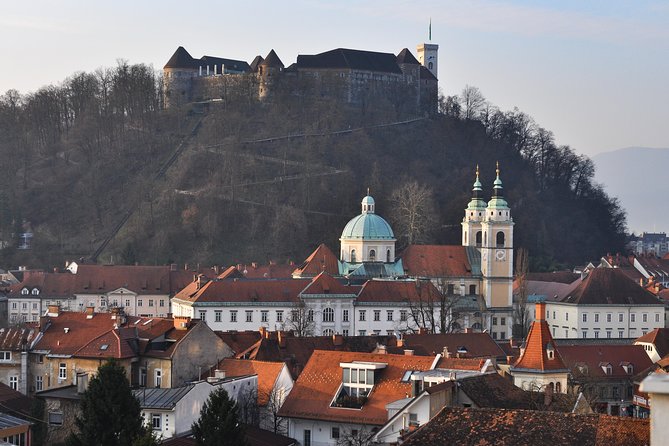
Ljubljana’s bridges are famous, but the best way to understand them is to walk right past and learn the “why.” Here’s where the tour connects architecture to human stories.
Shoemaker’s Bridge: Plečnik and the punishments
At Shoemaker’s Bridge (Cevljarski Most), you’ll spend about 10 minutes. The guide points out that the bridge was designed by Jože Plečnik, and you’ll also hear a darker slice of medieval street life. The bridge is tied to judiciary and punitive practices, including the idea that cheating butchers and bakers were dipped in the river.
Even if that sounds like a weird bedtime story, it’s actually useful. It shows how the city used visible public spaces as social control.
The river (and what it enabled) is also part of the explanation—then and now. You start noticing how often Ljubljana’s riverfront details are meant to be functional, not just pretty.
National and University Library: architect symbolism in a “temple of knowledge”
Next comes the National and University Library for about 5 minutes. It’s described as the biggest homework of the architect, and you’ll hear about the symbolism in Plečnik’s architecture. The “temple of knowledge” line isn’t just marketing. It sets you up to look at the building like it has intentions, not just decoration.
Squares that explain Slovenia’s bigger story: French Revolution and Congress Square
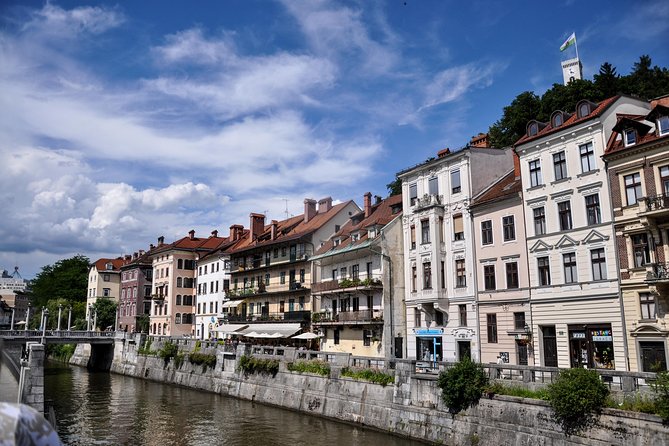
Ljubljana’s squares act like outdoor classrooms. You’re not expected to study. You just stand in the right spot and the guide supplies the connections.
French Revolution Square: Teutonic knights, Napoleonic wars, and Plečnik
French Revolution Square takes about 10 minutes and includes three historical threads. You’ll hear about Teutonic knights and their monastery, Napoleonic wars and Illyrian Provinces, and then the role of Jože Plečnik again.
This stop works best if you like short, organized context. It doesn’t overwhelm. It points.
Congress Square: why the name matters, plus institutions you’ll recognize
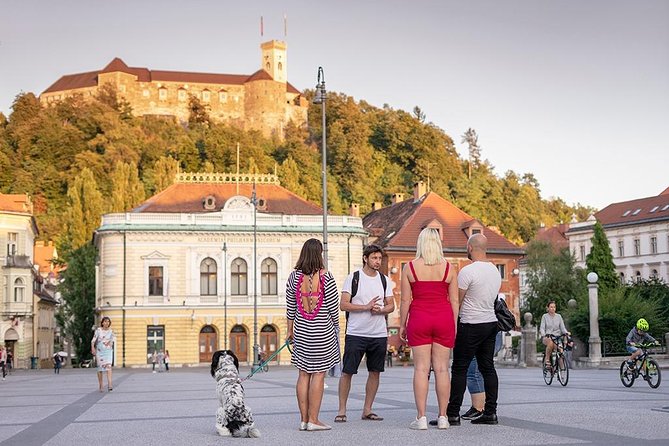
At Congress Square (Kongresni trg), you’ll spend about 10 minutes. The tour includes views of Star Park, the Ursuline Church, the Slovenian Philharmonic Orchestra building (noted as one of the oldest institutions of its kind in Europe), and the Ljubljana University building.
You’ll also get the explanation of why the square is named the way it is. After that, you’ll look toward Ljubljana Castle from this area and hear about what purposes it served since it was built at the end of the 15th century.
Even if you don’t go up to the castle, this viewpoint gives your walk a vertical “anchor,” so the Old Town doesn’t feel like a flat postcard.
Preseren Square, Triple Bridge, and the pink church: Art Nouveau meets romance
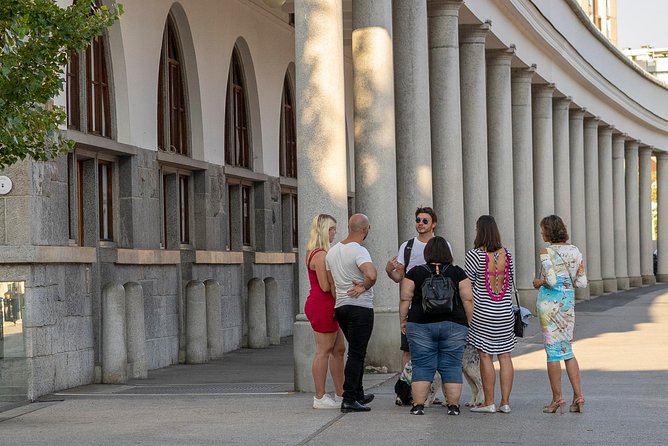
Then you shift to the landmarks most people recognize. The tour uses the viewlines from Preseren Square to connect several stops in a smart way.
Preseren Square: poet statue and Art Nouveau views
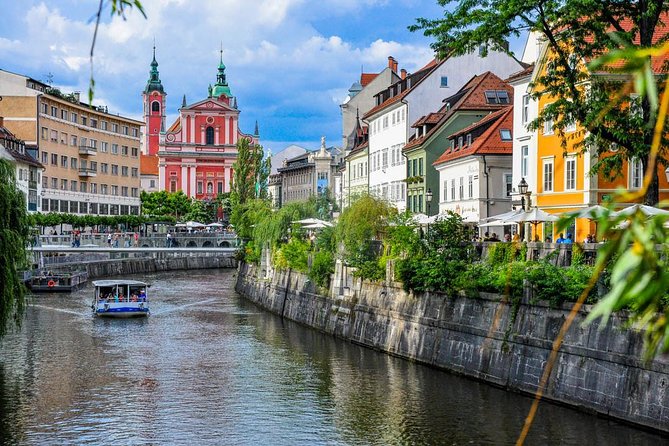
At Preseren Square, the stop runs about 10 minutes. You’ll see a stack of landmarks from the square: Triple Bridge, the Franciscan Church, Art Nouveau architectural masterpieces, and of course the statue of the poet for whom the square is named. You’ll hear about his importance in Slovenian literature and an unheard love story.
This is a good place to take a breath. It’s also where your photos stop looking random and start looking planned.
Triple Bridge: Plečnik’s three-bridge symbolism
Triple Bridge (Tromostovje) is about 5 minutes. You’ll learn that it’s one of Ljubljana’s biggest landmarks and also a major Plečnik work. The guide covers its history, purpose, and symbolism—and the reason there are three bridges, not one.
Franciscan Church: the pink facade that echoes Rome
The Franciscan Church (Franciskanska cerkev) stop is short, about 3 minutes. You’ll see its Baroque style and the pink facade, which is described as resembling Il Gesu in Rome.
Butcher’s Bridge: the locks, the statues, and the name
Butcher’s Bridge takes around 10 minutes. It’s also called a Love Bridge because of the locks people attach. The guide explains why the bridge is relatively new, why it’s named Butcher’s Bridge, and what the meaning is behind the grotesque statues on it.
Dragon Bridge: Art Nouveau and the dragon symbol
Finally, Dragon Bridge (Zmajski Most) is about 10 minutes. You’ll hear why a dragon is Ljubljana’s symbol, and you’ll see another Art Nouveau showpiece.
By the time you reach the end near Prešeren Square, you’ll have moved from daily food life to civic authority to bridges packed with symbolism. That arc is the point.
Customizing the walk without breaking it
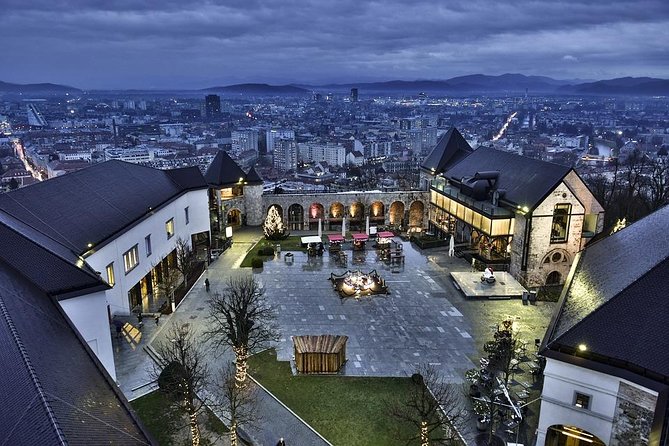
This tour is designed as a private experience, so customization isn’t just a sales line. If you show interest in one theme—architecture, churches, the river, daily life at the market—you can ask your guide to put more time there and let other spots be quicker.
The catch is practical: you’re still walking through a fixed area in about two hours. So aim for smart adjustments, like:
- Spending a touch longer on the bridge explanations if you’re into design
- Skipping one shorter viewpoint if you’re tired
- Prioritizing the cathedral stop if interiors matter to you
Practical advice: what to plan for during your 2-hour loop
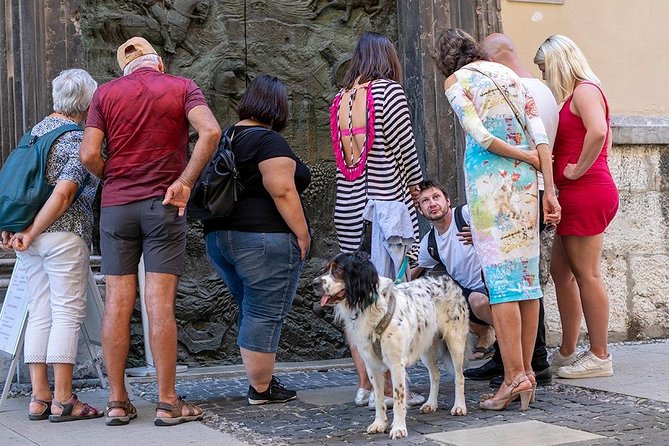
A few details matter for comfort and value.
What’s included vs. not included
- Central Market includes admission ticket (about 10 minutes).
- Cathedral of St. Nicholas is not included.
- Fountain of Three Carniolan Rivers is free, and the rest of the major stops are described as free to view on the route.
Where you start and end
- Start: near the Mouse Fountain.
- End: Prešernov trg 1 (right by the Preseren Square area).
How to make the most of it
- Wear shoes that handle cobblestones and riverfront paths.
- Bring a layer. Even in nice weather, this walk is outdoors and you’ll feel wind along the river.
- If you care about interiors, bring extra spending for the one stop that is not included: the cathedral.
What kinds of people will like it most
- First-timers who want a clean overview of Ljubljana’s Old Town with real context
- People who enjoy architecture explanations tied to history
- Couples and small groups who want questions answered without crowd noise
Should you book this Ljubljana private walking tour?
Book it if you want a guided, story-driven walk that ties together market life, churches, civic buildings, and the riverfront bridges—without wasting hours on logistics. The price is steady for a private guide, and the route gives you a lot of major landmarks plus mostly free viewing stops.
Pass or consider something else if your ideal tour is long, deep, and topic-heavy. This one is a tight loop, so if you’re looking for hours of slow museum-style detail, you may want a longer format. Also, because the cathedral admission is not included, be ready for that extra cost if you want everything inside.
FAQ
How long is the Ljubljana private walking tour?
It lasts about 2 hours.
Is the tour private?
Yes. It’s a private tour/activity, so only your group participates.
What language is the tour offered in?
It’s offered in English.
What is the price per person?
The price is $78.64 per person.
Are any admission tickets included?
Yes. The Central Market stop includes an admission ticket. The Cathedral of St. Nicholas does not include admission.
Which stops are free?
The tour notes the Fountain of Three Carniolan Rivers as free, and it lists many other stops in the route as free to view as well.
Where does the tour start and end?
It starts at the Mouse Fountain area and ends at Prešernov trg 1.
Can I cancel if my plans change?
Yes. You can cancel for free up to 24 hours in advance for a full refund.
What if I have questions about my interests on the day?
Since it’s a private tour, you can communicate what you want to see so the guide can adjust the experience to your interests.