REVIEW · NEW YORK CITY
NYC: Wall Street and Financial District Walking Tour
Book on GetYourGuide →Operated by Thermo Sage Inc. · Bookable on GetYourGuide
Wall Street turns into a story on foot. In just two hours, you connect places like the NYSE and Federal Hall to how financial shocks start and spread, guided by large posters and clear explanations.
One of my favorite parts is how the guide makes market machinery make sense, starting with why consulting firms matter and then moving into commodities markets and how investment banks operate.
I also love the “past meets headlines” stops: Wall Street’s key landmarks plus lessons like the 2008 financial crisis, the GameStop and Robinhood debacle, crypto, and the time oil crashed from $18 to -$37. The only real drawback to plan for: this tour does not go inside the New York Stock Exchange, so you’ll view it from outside.
In This Review
- Key things I’d circle before you go
- Getting Oriented: Starting at Starbucks on Dey St
- Why the Tour Starts With Consulting Firms (Not the Stock Ticker)
- World Financial Center and Commodities: Where the Story Gets Real
- The Big Moments: 2008 Crisis, GameStop, Robinhood, and Crypto
- The Weirdest Lesson: Oil Going From $18 to -$37
- Oculus Center Stop: A Quick Architectural Pause
- Wall Street Proper: The Historic Streets and Key Sites Outside
- NYSE exterior only: why that’s still worth it
- Fearless Girl and Charging Bull: more than selfie stops
- Those Unnamed Stops in the Middle: Why the Route Feels Like a Guided Map
- Guide Style: Richard’s Energy (and the Consistency Across Guides)
- Practical Planning: What to Bring and What to Expect Day-Of
- Price and Value: Why $34 Can Feel Like More
- Who Should Book This Wall Street Tour
- Should You Book This Wall Street Financial District Walk?
- FAQ
- FAQ
- Where is the meeting point for the Wall Street and Financial District walking tour?
- How long is the tour?
- Does the tour go inside the New York Stock Exchange?
- What are the main stops and landmarks on the route?
- What finance topics does the guide cover?
- Is the tour wheelchair accessible?
- Are children allowed to join?
Key things I’d circle before you go
- Two hours in Lower Manhattan that mix real-world finance with iconic architecture
- Large posters that help you understand jargon without a spreadsheet
- 2008 explained, then updated with GameStop, Robinhood, and crypto themes
- Commodities and oil futures, including the $18 to -$37 moment
- Photo-ready landmarks like the Fearless Girl and Charging Bull
- NYSE exterior only, due to security restrictions
Getting Oriented: Starting at Starbucks on Dey St
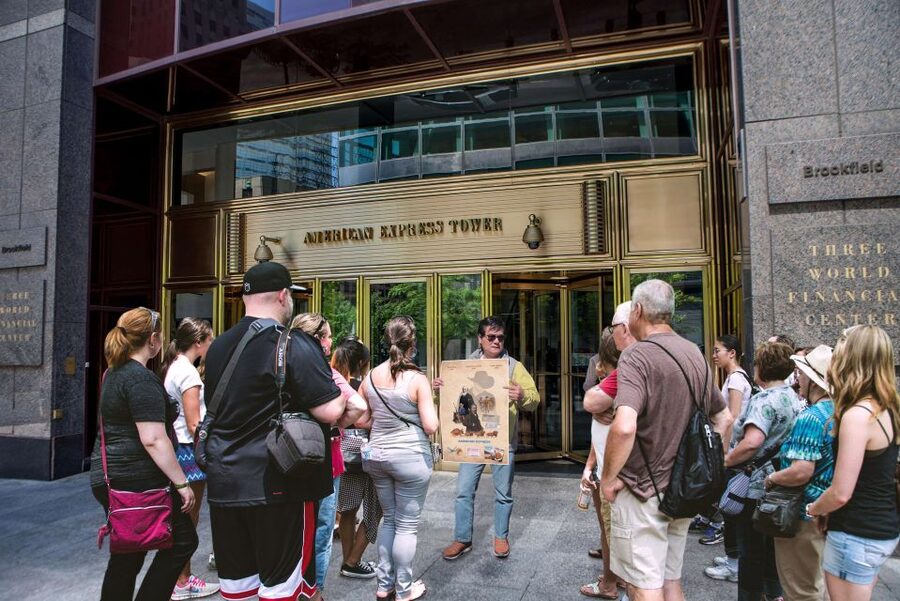
This walk kicks off right where the Financial District is already busy with commuter flow: meet at the entrance to Starbucks on Dey Street (between Broadway and Church Street). It’s also listed as 22 Dey St, so set your GPS to that block and plan to arrive about 15 minutes early. The tour experience doesn’t wait for late arrivals, so if you’re tying this to ferry time, you’ll want a buffer.
Once you’re checked in, the guide sets the tone fast. Many people who’ve done the tour highlight that the leader keeps things moving, stays polite and energetic, and answers questions without making you feel rushed. Guides you might encounter include Richard (often praised for story and pace) plus other named guides in feedback like Andrew and Robert, so you can expect the same style: clear explanations, plus a little humor to keep the finance from feeling like homework.
And wear comfortable shoes. You’re in Lower Manhattan for two hours—no time to shuffle.
You can also read our reviews of more walking tours in New York City


Why the Tour Starts With Consulting Firms (Not the Stock Ticker)
A lot of Wall Street tours jump straight to icons. This one starts earlier, and that’s smart. You begin with the history and importance of consulting firms, which helps explain how businesses, regulators, and big money often make decisions long before a headline hits.
From there, the tour moves into how commodities markets work. The point isn’t to turn you into a trader. It’s to help you understand the logic behind pricing, risk, and why “real-world” goods can still create huge financial consequences. You’ll also hear who the largest investment banks are and how their monetary operations work—again, not in a vague way. The guide frames it as cause-and-effect: who needs what, who moves money where, and what can go wrong when expectations break.
If you like learning terms that actually show up in news coverage, this starting segment is where you get them. People in feedback also praise how the guide uses big visual materials—large posters—so you can follow along when the topic gets technical.
World Financial Center and Commodities: Where the Story Gets Real
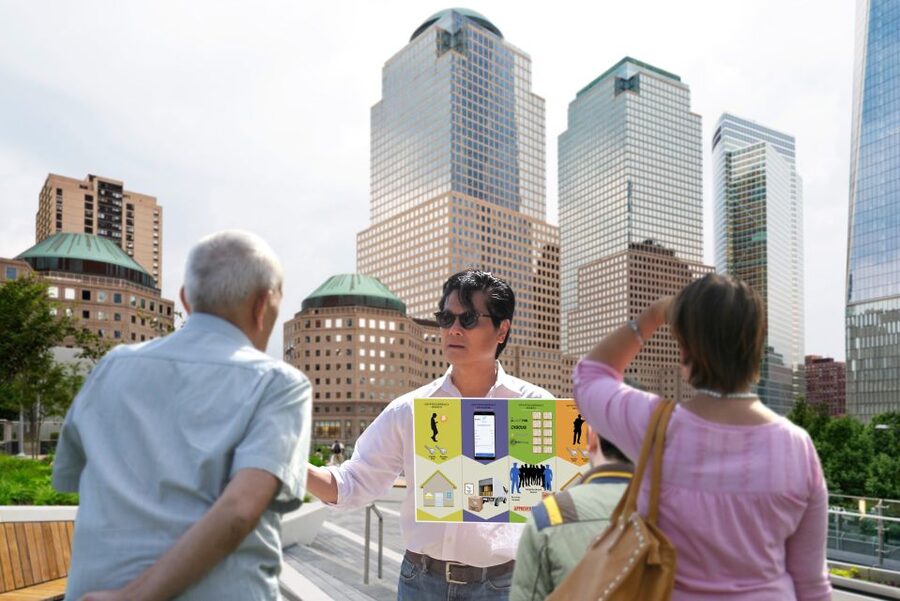
After you’ve set the foundation, you head toward the World Financial Center area. This is where you’ll shift from general history into mechanics. The guide explains how commodities markets function and ties them back to larger financial systems.
This matters because the Financial District isn’t only about stocks. Commodities connect to energy, agriculture, shipping, and contracts that can move globally. So when the tour later hits big shocks (like the 2008 financial collapse), the “why” has already been building in the background.
You’ll also see how the tour treats money topics as connected systems rather than isolated events. That’s a big reason this tour gets such strong ratings: the content doesn’t stop at facts—it connects them.
The Big Moments: 2008 Crisis, GameStop, Robinhood, and Crypto
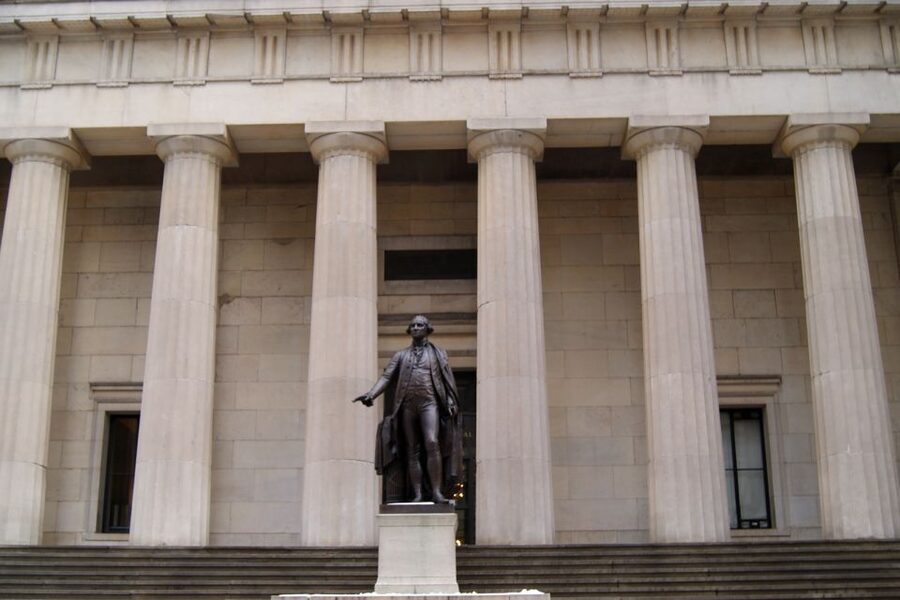
Here’s the section most people are waiting for: the guide walks you through what caused the 2008 Financial Crisis, then brings it forward into modern examples like the GameStop and Robinhood debacle and the ongoing role of cryptocurrencies.
Two things stand out in how this is handled:
- The guide uses the landmarks of Lower Manhattan as a backdrop for the explanations, so the story feels anchored instead of abstract.
- The pacing stays friendly. Even when the topic is complicated, you’re not left staring at jargon.
If you’ve ever wondered why an event like 2008 can spread beyond banks and into everyday life, this is where you start to see the chain. The tour focuses on the mechanics behind the crash, not just the headlines you’ve seen in documentaries.
The Weirdest Lesson: Oil Going From $18 to -$37
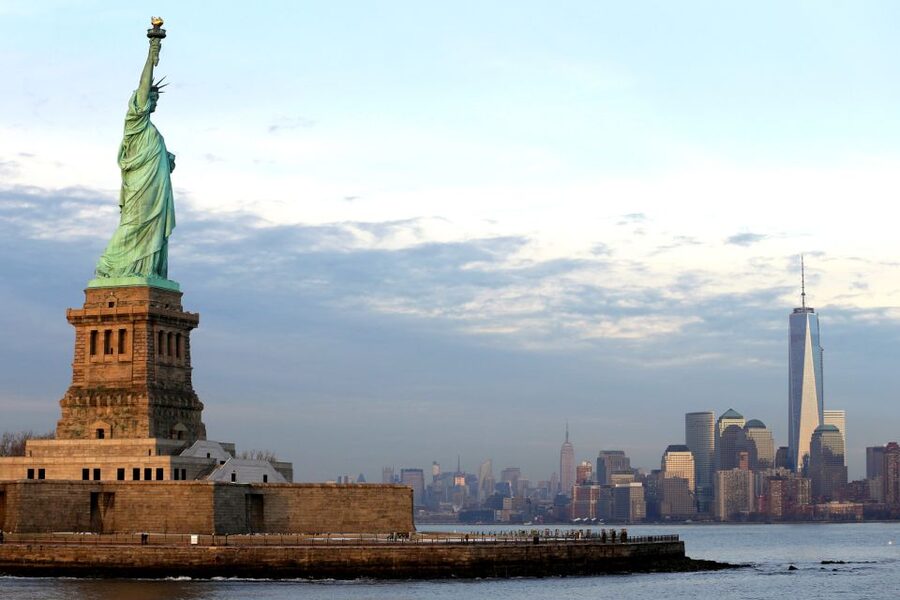
One of the most memorable themes is the oil story. In 2020, oil prices plummeted from $18 a barrel to -$37. Yes, really—oil producers were paying people $37 a barrel to take the oil off their hands.
This is the kind of detail that sticks because it breaks your intuition. The guide uses it to show that market prices reflect supply-demand constraints, storage realities, and contractual timing—not just “people decide the value.”
It’s also a great moment for you to check your own assumptions. If you come into the tour thinking markets always move in a straightforward direction, that -$37 moment nudges you to see pricing as a system under stress.





Oculus Center Stop: A Quick Architectural Pause
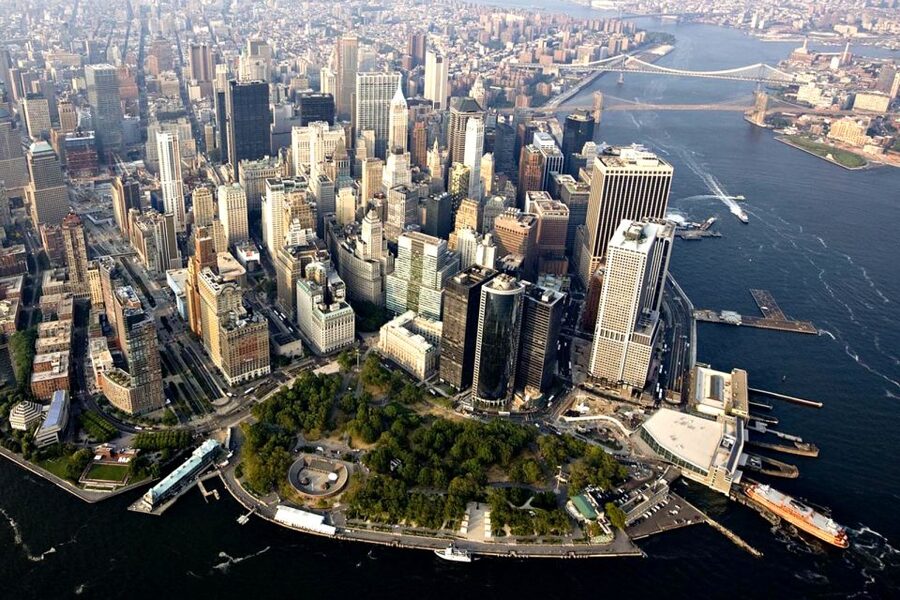
About midway, the tour includes a visit to the Oculus Center (listed at around 10 minutes). You’re not spending hours in a museum. It’s more like a reset—an easy way to break the street-walk rhythm while you take in one of Lower Manhattan’s most distinctive structures.
This short stop also helps you understand the district as a living place, not just a museum of finance. Even if architecture isn’t your main interest, the Oculus stop gives you a breather and a change of visual scale before the tour leans harder into Wall Street proper.
Wall Street Proper: The Historic Streets and Key Sites Outside
Now you move into the heart of the Financial District—Wall Street’s historic streets. You’ll spend time at the Wall Street area (around 20 minutes) and then target major exterior viewpoints.
Here’s what you can expect to see on the walk:
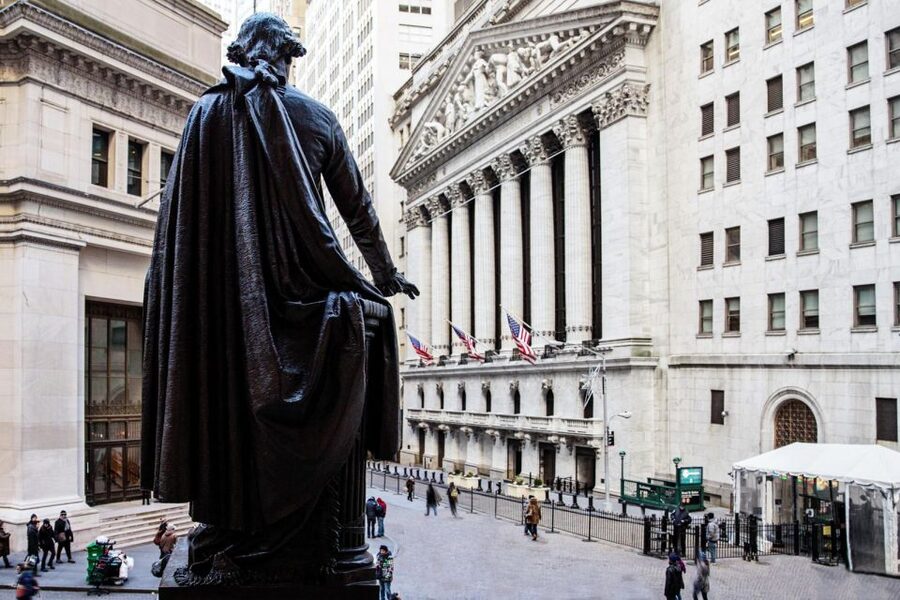
- The New York Stock Exchange from the outside (the tour does not enter)
- Federal Hall (often discussed in connection with the district’s political and financial roots)
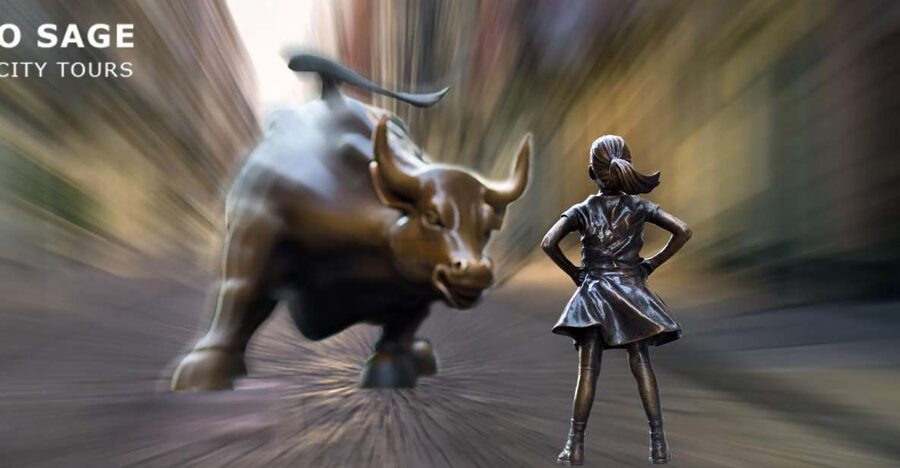
- The Fearless Girl statue (a quick stop, about 5 minutes)
- Charging Bull (about 15 minutes, a strong finale)
NYSE exterior only: why that’s still worth it
The NYSE isn’t inside on this tour due to security. That might sound like a downgrade at first. But the trade-off is that you get to keep moving and keep the explanations tied to the street-level context. You’ll still see the building, learn what it represents in the broader system, and connect it to the earlier finance concepts.
Fearless Girl and Charging Bull: more than selfie stops
These two statues are famous for a reason, and the guide uses them well. The Fearless Girl stop is short, which keeps it fun rather than rushed. Charging Bull gets more time, so you can actually take in the space and get photos without feeling like you’re in a five-second line.
If you like picture planning, you’ll probably appreciate what many people mention in feedback: guides help with photo angles and are patient about getting everyone shots in the right spot.
Those Unnamed Stops in the Middle: Why the Route Feels Like a Guided Map
Your itinerary has a couple of extra “visit” blocks in the Financial District that don’t list landmark names in the details you provided. In practice, this usually means two things:
- time to talk through a concept while you’re walking between major stops
- quick architectural or street-level lookouts where the guide can point things out without you having to ask
So if you feel like the route has a few natural pauses for explanation, that’s not wasted time. It’s part of how the tour prevents information overload. You learn, then you look, then you learn again.
Also, some guides may incorporate nearby notable spots you might recognize from Lower Manhattan walks. For example, one review mentioned Trinity Church graveyard (including Alexander Hamilton’s gravesite) and Saint Nicholas Church. Since those specifics weren’t listed in every itinerary detail you provided, treat that as a possibility on certain days rather than a guarantee.
Guide Style: Richard’s Energy (and the Consistency Across Guides)
A strong theme in the feedback is that the guide makes finance feel human. People praised Richard for being energetic, polite, thoughtful, and very good at explaining things in a way that stays clear even when the topic turns technical. Others mentioned Andrew and Robert with similar high marks for engagement and control.
What I’d call the “value move” here is this: the guide doesn’t only talk. They check in, make it easy to ask questions, and help with practical needs like restroom breaks. That sounds small, but it changes how you experience a walking tour. You stay comfortable, and the learning stays connected.
If you’re someone who likes anecdotes, you’ll likely enjoy the “career and first-hand” flavor in how some guides describe working in finance or living with the city’s financial pulse.
Practical Planning: What to Bring and What to Expect Day-Of
To get the most from the tour, plan like this:
- Bring comfortable shoes. The walk is the product.
- Expect to see major Wall Street icons mostly from the outside.
- Be ready to stand still at a few points for short explanations and photos.
The tour is in English and is wheelchair accessible. It’s designed for adults, and unaccompanied minors aren’t allowed. Children must be accompanied by an adult, so if you’re traveling with kids, you’ll want one supervising adult in your group at all times.
One other heads-up: the tour is not suitable for people over 95 years, so if you’re booking for an older relative, double-check comfort and pace.
Finally, the endpoint can be confusing in the details you shared. One note says it ends at Charging Bull, and another says finish at the National Museum of the American Indian. Don’t guess—confirm the final walking distance during booking, so you know whether you’ll stop near the bull statue or be guided toward the museum area afterward.
Price and Value: Why $34 Can Feel Like More
$34 for a 2-hour guided walking tour is easy to evaluate: you’re paying about $17 per hour for a local guide who handles both storytelling and on-the-ground explanation.
Here’s where the value comes from:
- You’re getting a guided route through major financial landmarks in Lower Manhattan without needing to research each stop yourself.
- The guide connects modern headlines (GameStop/Robinhood and crypto) to older events (including 2008) and then ties them to market mechanics.
- The use of large posters helps you understand concepts faster, which is often what you’re really paying for on a “finance tour.”
In plain terms, if you want iconic photos and you want meaning behind them, this tour gives you both in a tight two-hour window.
Who Should Book This Wall Street Tour
I’d point you toward this tour if you:
- want an approachable explanation of financial systems (not just “spot the building”)
- like learning why crises happen, using real examples
- want a route that includes major Wall Street sites like the NYSE exterior, Federal Hall, Fearless Girl, and Charging Bull
- enjoy guides who use visuals and keep the pace engaging
You might skip it if:
- you expected to go inside the NYSE building (security keeps this exterior-only)
- you hate walking or standing for short photo stops
- you’re looking for a purely historical tour with less focus on modern finance headlines
Should You Book This Wall Street Financial District Walk?
Yes, I think it’s a strong booking choice if finance is part of what you’re curious about. The tour’s biggest win is that it turns headlines into understandable concepts, then uses Lower Manhattan landmarks as the map for the story.
If you go in expecting a finance lecture and a museum tour mix, you’ll probably enjoy it even more. Bring good shoes, show up early at the Starbucks on Dey St, and plan to ask questions when the guide pauses for them. You’ll leave with a clearer sense of how markets work, why 2008 happened, how modern trading crazes fit into the bigger picture, and why a street corner in the Financial District can explain more than a pile of articles ever will.
FAQ
FAQ
Where is the meeting point for the Wall Street and Financial District walking tour?
Meet at the entrance to Starbucks Coffee on Dey Street between Broadway and Church Street.
How long is the tour?
The tour lasts 2 hours.
Does the tour go inside the New York Stock Exchange?
No. Due to security, you’ll view the New York Stock Exchange from the outside.
What are the main stops and landmarks on the route?
You’ll walk through the Financial District and Wall Street area and see stops including the Oculus Center, the New York Stock Exchange (from outside), Federal Hall, the Fearless Girl, and the Charging Bull statue.
What finance topics does the guide cover?
The tour covers the causes of the 2008 financial crisis, how commodities markets work, how major investment banks operate, and current themes like GameStop and Robinhood, cryptocurrencies, and the 2020 oil price move from $18 to -$37.
Is the tour wheelchair accessible?
Yes, the tour is wheelchair accessible.
Are children allowed to join?
Children must be accompanied by an adult, and unaccompanied minors are not allowed.