REVIEW · CHIANG MAI
Chiang Mai: 3 Hour Old City and Temples Guided Walking Tour
Book on GetYourGuide →Operated by TripGuru Thailand · Bookable on GetYourGuide
Three temples. One great first morning.
This guided walking tour is a smart way to get your bearings in Chiang Mai while you learn the story behind the skyline of Wat Chedi Luang and its massive stupa. I like that you also get close to Lanna-style design while you’re still in the thick of the Old City, so the temples don’t feel like random photo stops.
My favorite part is how the guide turns architecture and Buddhist practice into something you can actually picture. My one caution: you’ll want cash for entrance fees (and a small dress-code heads-up) because some sites charge at the gate, and shoulders/knees restrictions can catch you off guard if you’re rolling in with temple-unfriendly clothes.
In This Review
- Key Things That Make This Tour Worth Your Time
- Why a 3-Hour Old City Walk in Chiang Mai Feels Like the Right Pace
- Wat Chedi Luang: Chiang Mai’s Largest Stupa and Lanna-Style Details
- The Middle Hour: Wat Phan Tao’s Teak Carvings and Wat Phan Lao’s Quiet Simplicity
- Wat Phra Singh: Mosaic Sanctuary, Lion Buddha, and Gilded Pagodas
- What the Guide Really Adds (Beyond Dates and Doors)
- Price and Real Value: $16 Tickets Plus Temple Entrance Fees
- Sustainable Touring: GSTC-Certified and Carbon Offset Notes
- What to Wear and Bring for Smooth Temple Visits
- Who This Tour Is Best For (and Who Should Skip It)
- Should You Book Chiang Mai’s 3-Hour Old City and Temples Guided Walk?
- FAQ
- Where does the tour start?
- How long is the tour?
- What temples are included?
- Are entrance fees included?
- What should I bring?
- Is the tour suitable for everyone?
Key Things That Make This Tour Worth Your Time
- Wat Chedi Luang first: it’s built between the 14th and 15th centuries, and it’s known for Chiang Mai’s largest stupa.
- Teak wood craftsmanship at Wat Phan Tao: intricate carved facades, plus a backstory tied to a royal throne hall.
- Wat Phra Singh’s mosaic sanctuary: detailed inlay, a Lion Buddha statue, and gilded pagodas for nonstop photo moments.
- A local guide who explains Buddhism and Thai belief in clear, human terms, not just dates and labels.
- Low-impact travel with carbon offsetting through a GSTC-certified approach, so you’re exploring with intention.
Why a 3-Hour Old City Walk in Chiang Mai Feels Like the Right Pace
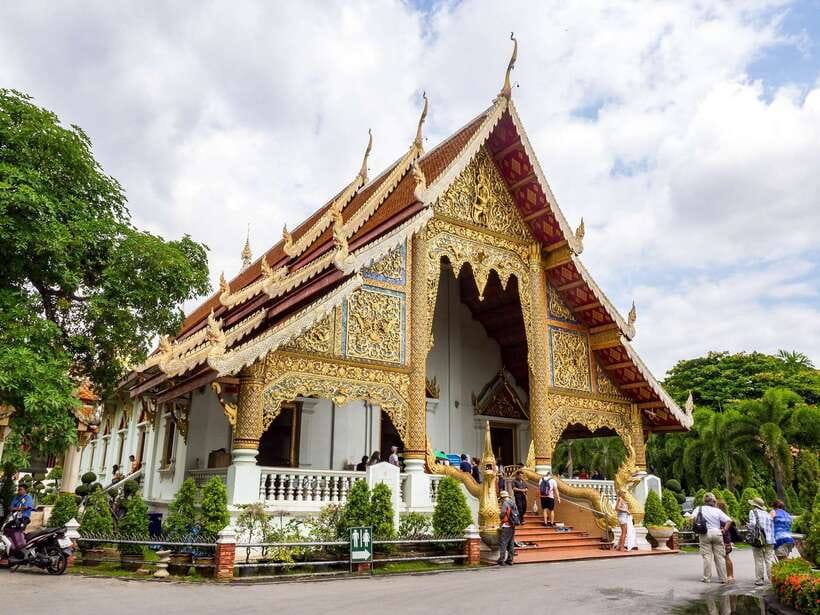
A 3-hour walking tour hits a sweet spot in Chiang Mai. Long enough for real explanations and multiple temple compounds, but not so long that you feel like your day turns into temple errands. You’re moving through the Old City on foot, which also means you can notice small details—textures, street rhythm, and how the temples sit in everyday life.
This is a moderate-fitness walk. You’re on your feet for a while, and you’ll likely be doing the temple routine: slowing down, looking closely, then standing around for explanation. If you’re someone who likes to ask questions, this format works well because the guide isn’t juggling a bus schedule mid-sentence.
One more practical note: bring sunscreen and insect repellent. Even when it feels mild, you can still bake in the afternoon sun, and you’ll appreciate the water-and-shade breaks the tour naturally creates.
You can also read our reviews of more walking tours in Chiang Mai
Wat Chedi Luang: Chiang Mai’s Largest Stupa and Lanna-Style Details
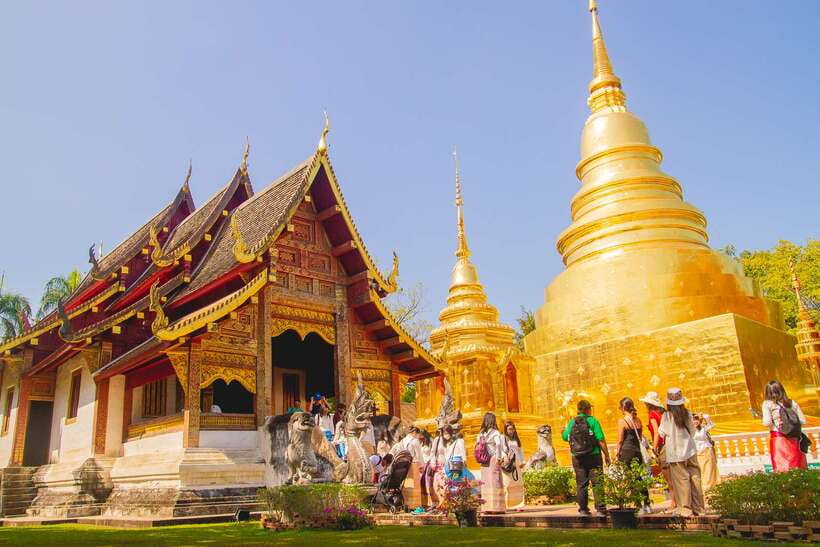
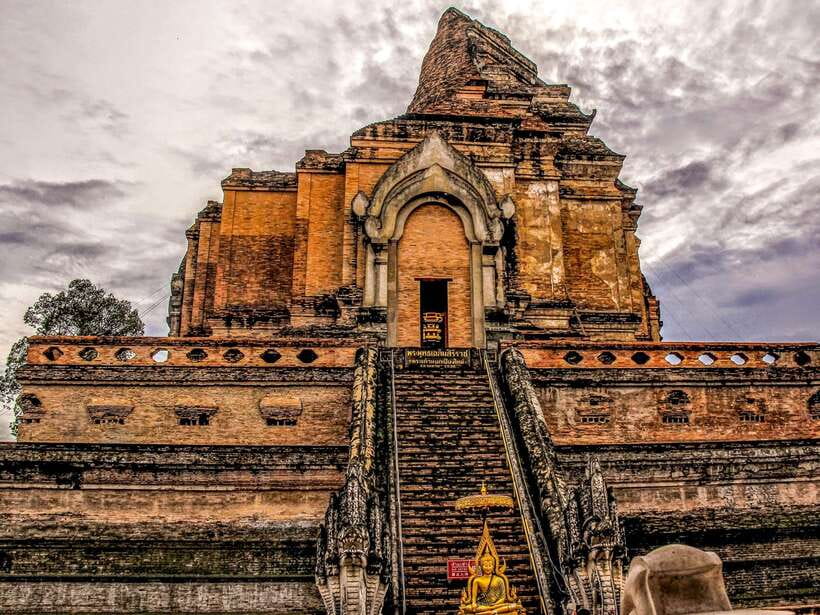
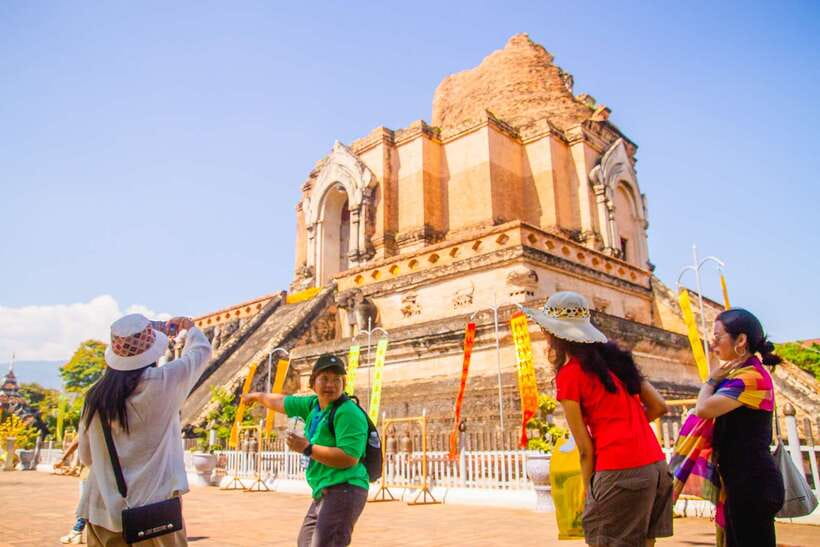
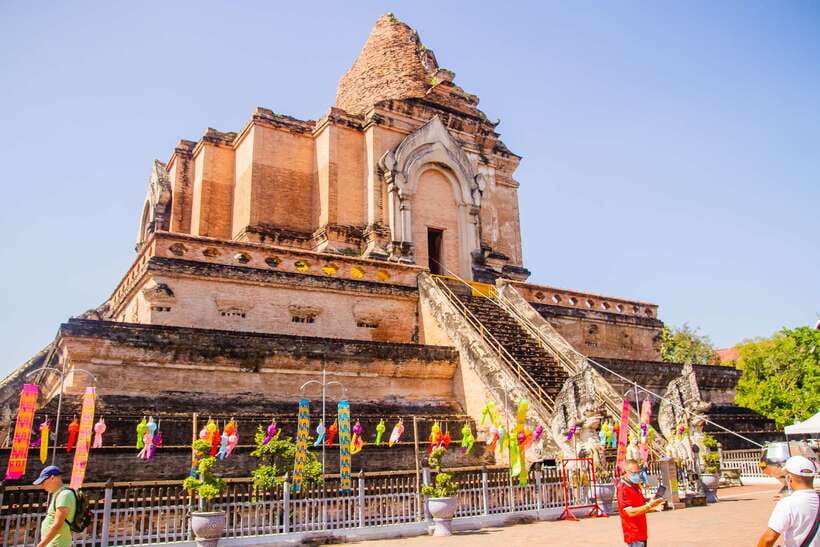
Your tour begins at the entrance of Wat Chedi Luang, and it makes a strong opening move. It’s one of the biggest landmarks in the area, with construction dated between the 14th and 15th centuries. That matters because you’re not just looking at something old; you’re seeing a whole Lanna-era statement of power and faith.
The stupa is the obvious draw, and it’s specifically noted as the largest stupa in Chiang Mai. But what I love is that the guide gets you past the “big pile of stone” look and helps you spot the design choices that make the compound feel intentional. You get a chance to see striking Lanna-style patterns up close, and once you know what you’re looking for, the place becomes much more than a single landmark.
Expect to spend about an hour here. That’s enough time to do more than snap photos and move on. You’ll likely notice how many visitors miss the smaller details because they rush to the main structure. With a guide, the whole compound becomes a lesson in how Thai religious architecture communicates status, spirituality, and community.
Entrance fees are not included for Wat Chedi Luang, so plan to have cash ready. Also, temple visits usually mean shoe rules. Bring footwear that’s easy to remove without turning it into a logistics problem.
The Middle Hour: Wat Phan Tao’s Teak Carvings and Wat Phan Lao’s Quiet Simplicity
After Chedi Luang, the tour shifts to the kind of temple contrast I really enjoy. Compared with the large scale of Wat Chedi Luang, the next stops can feel smaller at first glance—but that’s exactly where the charm sits.
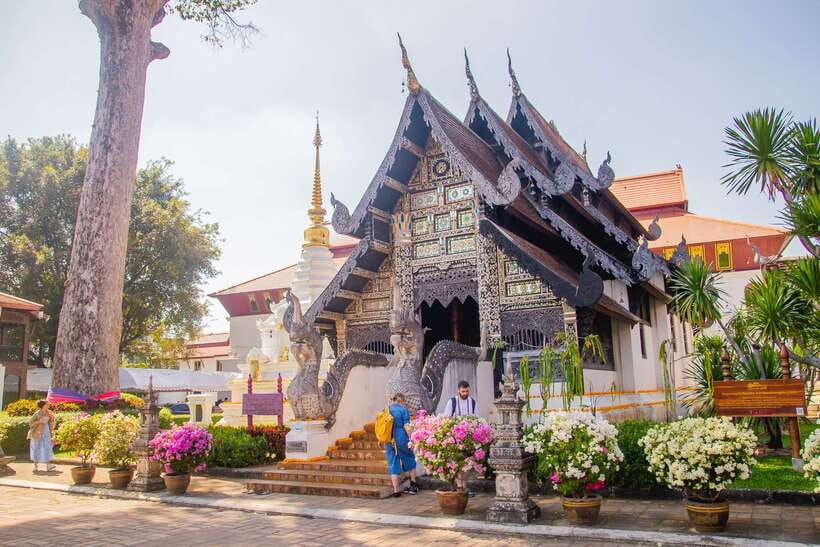
At Wat Phan Tao, the highlight is the teak wood work. The facades are described as having intricate carved detail, and there’s a historical twist: it was once a throne hall for King Mahotara Prateth before becoming a house of prayer. That royal-to-religious story is useful because it changes how you read the building. You’re not only viewing decoration—you’re looking at how a place’s role evolved over time.
Then you’ll also encounter the humble Wat Phan Lao. The point here isn’t that it’s flashy. It’s that it shows you a different side of temple life: less about dramatic scale, more about everyday reverence and local spiritual routine. When you’ve just seen a major landmark like Chedi Luang, a simpler temple can feel like a reset for your eyes and your brain.
This middle block is also a good chance to slow down. If your guide is the type who pauses to translate meaning—how Buddhism shows up in daily Thai culture, how people interpret merit, and how language and belief get woven together—you’ll start to feel like you’re walking with a translator for the city, not just a sightseeing chaperone.
Wat Phra Singh: Mosaic Sanctuary, Lion Buddha, and Gilded Pagodas
The final main stop is Wat Phra Singh, and it’s a big visual payoff. Built in the 14th century, it’s one of Chiang Mai’s finest temples, and the grounds plus buildings make you stop again and again. The sanctuary area is known for mosaic-inlaid decoration, which gives you that “zoom in” effect—small scenes and patterns that look like they were built to be studied slowly.
You’ll also see a large Lion Buddha statue, and the pagodas are noted for being gilded. That combo is great for photos, yes, but it’s also great for understanding how Thai temple art balances symbols, storytelling, and devotion. If you’ve only ever seen Buddhism through a museum lens, this is the part where it starts to feel more lived-in.
The tour wraps up at Wat Phra Singh Woramahawihan. In practice, this ending still keeps you in the same larger temple complex atmosphere. You get that satisfying final-stretch feeling: after the “learning” of the earlier stops, you can enjoy the space in a more free-flow way.
Entrance fees apply here too, so keep cash handy. And because you’ll be switching between viewing and listening, sunglasses and a hat are not just comfort items—they make it easier to stay focused instead of squinting through bright glare.
What the Guide Really Adds (Beyond Dates and Doors)
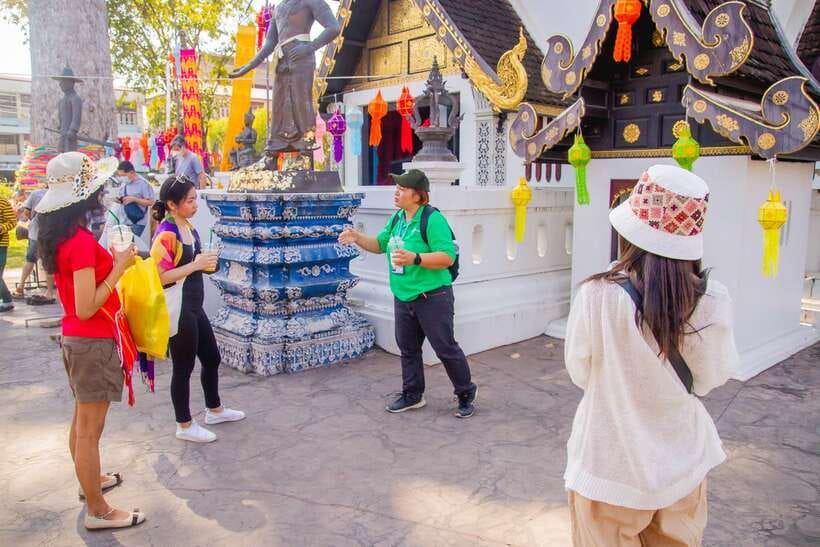
A temple can impress you even without context. A guided temple tour can change how you understand what you’re seeing. This one is built around a local guide explaining history and Buddhist practice in English, and that’s where a lot of the praise clearly comes from.
In feedback, guides like Nana, TomTam, Boon, Popcorn, and others show up again and again as people who explain clearly and answer questions without making you feel rushed. Several accounts highlight guides who don’t just recite facts, but teach the logic behind temple symbolism—how Buddhism shows up in how people speak, live, and practice.
One of the more memorable examples in the provided notes is Boon offering meditation teaching during the tour. If that sounds like your kind of experience, you’ll probably appreciate a guide who treats these temples as more than monuments.
A practical bonus: guides often help with photos. More than one person described getting good pictures during the walk, and that’s worth something when you’re trying to capture details like mosaic work or ornate carved wood.
Also, pay attention to pacing. Many comments emphasize that the tour feels well-timed, with enough time at each stop to actually look, ask, and breathe. That’s how you avoid the “I blinked and it was over” feeling.
Price and Real Value: $16 Tickets Plus Temple Entrance Fees
The tour price is listed as $16 per person for about 3 hours with a local guide and walking route. For a guided Old City temple circuit, that’s a strong deal—especially in a city where private guides and longer tours can cost a lot more.
But the honest value picture includes temple entrance fees. These are not included, and the listed amounts are:
- Wat Chedi Luang: 50 THB
- Wat Phan Tao: 20 THB
- Wat Phra Singh: 50 THB
So you’re looking at 120 THB total in entrance fees across the key stops. That doesn’t make the tour expensive—it just means you should budget for it and show up with cash.
Food and extra drinks are also not included. This matters because temples and walking can stretch your appetite. If you’re planning lunch right after, keep a little margin so you don’t end up deciding between a snack and good rest.
Two more value points that matter on the ground:
- You’re paying for interpretation, not just access.
- You’re getting a route that avoids random wandering through the Old City, which can be confusing if it’s your first time.
Sustainable Touring: GSTC-Certified and Carbon Offset Notes
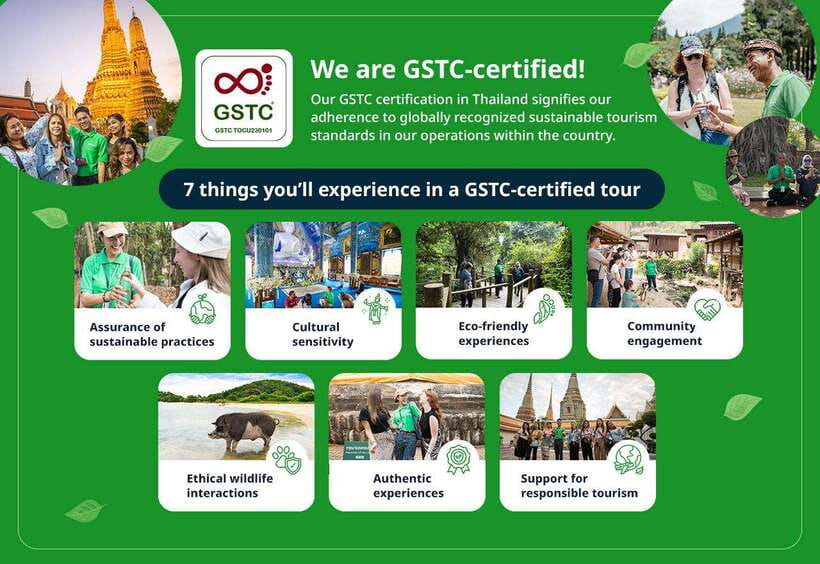
One thing I like about this tour is the stated responsible-travel approach. It’s described as a GSTC-certified experience with low-impact practices, including carbon offsetting as part of how they run tours. You’re still out in the real world—walking, visiting temples, using local spaces—but the operator is aiming to reduce environmental impact.
How much that changes your trip? It won’t change the heat or the cobblestones. But it does give you a clearer conscience while you’re doing one of the higher-footprint styles of sightseeing (multiple sites in one morning). If responsible travel is part of your travel style, this is one of those “small but real” boxes checked.
What to Wear and Bring for Smooth Temple Visits
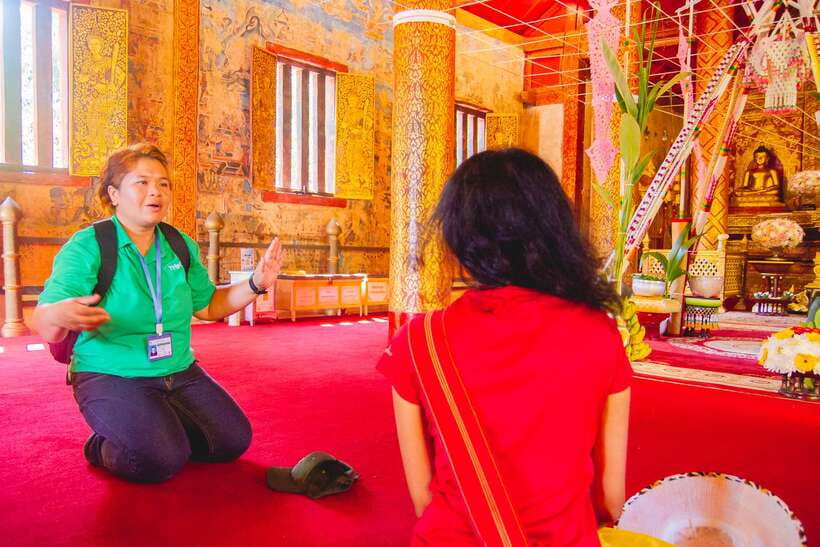
This is where you can make your life easier fast. The tour asks for:
- comfortable shoes
- sunglasses, hat, sunscreen
- insect repellent
- a camera
- cash
- a scarf (for dress-code flexibility)
Dress code is strict at some sights. The guideline says clothes shouldn’t reveal shoulders, underarm, back, or knees. That means you’ll want a light layer ready for sun and modesty. If you’re traveling in shorts, consider bringing a scarf or a light wrap you can put on quickly.
Comfort and safety also matter. Some people in the feedback noted helpful support when mobility issues came up, including getting alternative help back to a hotel when needed. Still, the tour is not listed as suitable for people with mobility impairments, heart problems, or respiratory issues, and it’s not suitable for pregnant women. If any of those apply, it’s worth choosing a different format.
Who This Tour Is Best For (and Who Should Skip It)
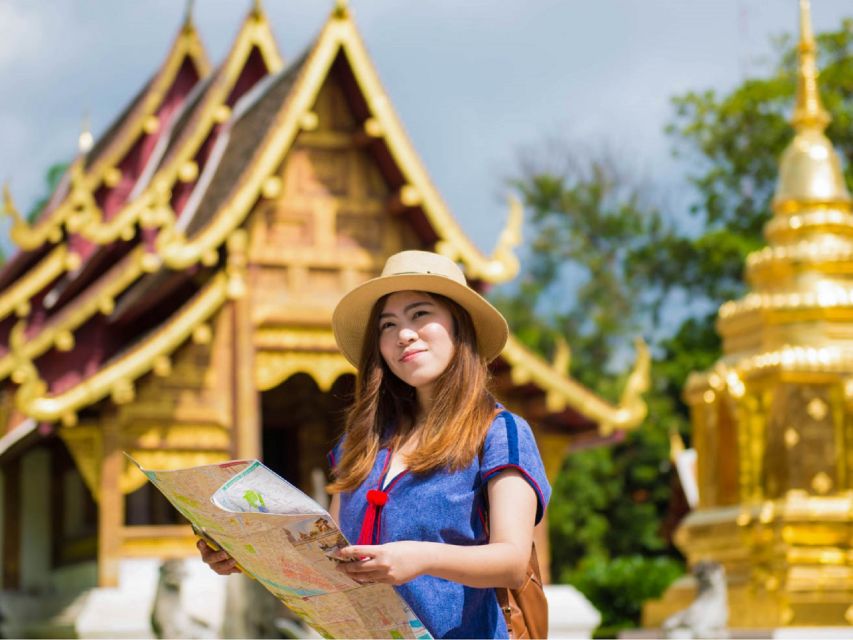
This walking tour is a good match if:
- you want a short, structured way to see Chiang Mai’s most famous temples
- you care about understanding Buddhism and local Thai belief, not just taking photos
- you like learning from a local guide who can answer questions
- you want a budget-friendly start to a Chiang Mai trip
It’s not the best fit if:
- walking is difficult for you
- you need step-free access
- you have respiratory concerns, heart problems, or other health limitations that could be affected by walking and heat
- you’re pregnant
If you’re healthy and flexible, the 3-hour format makes it easy to pair with the rest of your day—markets, street food, or a slow afternoon of wandering.
Should You Book Chiang Mai’s 3-Hour Old City and Temples Guided Walk?
I’d book this tour if you want an efficient Old City orientation with real meaning behind the sights. The temple lineup is strong: Wat Chedi Luang gives you the big “Chiang Mai landmark” moment, Wat Phan Tao adds craftsmanship and a royal backstory, and Wat Phra Singh delivers mosaic detail, the Lion Buddha statue, and gilded pagodas.
Go for it if you also enjoy guides who explain Buddhism in a way you can use—whether that’s history, symbolism, or even meditation-style practice when the guide includes it. At $16, with entrance fees you can easily plan for, the value feels solid.
Skip it if your body can’t handle moderate walking or if strict temple dress rules would be a hassle. In that case, you’ll get a better experience choosing a different style of tour with less walking and more flexibility.
FAQ
Where does the tour start?
The meeting point is the entrance of Wat Chedi Luang. Your guide will be holding a TripGuru sign, and you should be ready about 10 minutes before the pickup time.
How long is the tour?
The tour duration is 3 hours.
What temples are included?
The tour includes visits to Wat Chedi Luang, Wat Phan Tao and Wat Phan Lao (as part of the middle section), and Wat Phra Singh. It finishes at Wat Phra Singh Woramahawihan.
Are entrance fees included?
No. Entrance fees are listed as 50 THB for Wat Chedi Luang, 20 THB for Wat Phan Tao, and 50 THB for Wat Phra Singh.
What should I bring?
Bring comfortable shoes, sunglasses, a hat, a camera, sunscreen, insect repellent, cash, and a scarf.
Is the tour suitable for everyone?
No. It’s not suitable for pregnant women, people with mobility impairments, people with heart problems, or people with respiratory issues. Some sites also have strict dress codes, so shoulders and knees need to be covered.