REVIEW · BANGKOK
Local Life, Culture & Food Walking Tour at Chinatown
Book on GetYourGuide →Operated by Plan Vacation Asia Co.,Ltd · Bookable on GetYourGuide
Chinatown reveals itself in small bites. This mini-group walk in Bangkok’s Chinatown puts you on foot from Odeon Circle into Talad Noi, where temples, incense shrines, and old shophouses sit beside everyday markets. I love the small-group pace for questions, and I love the Thai-Chinese street food tastings that feel like real local routine. The main trade-off: it’s a walking tour on busy, sometimes uneven streets, so plan for effort and rain or shine with solid shoes.
You’ll meet at MRT Wat Mangkon station Exit 1 at the 3 Plaeng Nam Rd area (near the Plaeng Nam intersection), then finish back where you started. The guide keeps things moving but not rushed, so you can stop for photos, ask questions, and actually read the signs, shrines, and shopfronts instead of just passing by.
The food and stories are the heart of it. You’ll sample crispy pork belly, handmade dumplings, and herbal teas, then wind through narrow alleys where Chinese-Thai community life shows up in small rituals, incense smoke, and shopkeepers who are used to being part of the neighborhood—not part of a postcard.
In This Review
- Key highlights worth planning for
- Where Odeon Circle and Talad Noi fit into Chinatown
- Markets, herbal stalls, and the Thai-Chinese street food you’ll actually want
- Temples and shrines: incense, gold, and everyday devotion
- Old Chinese architecture and shop-house stories in the backstreets
- Getting real insights: why the guide makes the difference
- Pace, photos, and comfort: what you should bring and plan
- Meeting point: how to start smoothly at MRT Wat Mangkon
- Price and value: is $75 a good deal here?
- Who should book this Chinatown walking tour
- Should you book it
- FAQ
- Where is the meeting point?
- What time should I arrive?
- What will I eat during the tour?
- Is the tour food optional or extra-priced?
- Does the tour run in rain?
- What should I bring?
- Can I bring luggage or a large bag?
- What languages are offered?
- Is it wheelchair accessible?
- What if I have allergies or dietary restrictions?
Key highlights worth planning for
- Odeon Circle to Talad Noi: you start at the big entry point, then move into the older Chinese-Thai community
- Real tastings, not just snacks: crispy pork belly, handmade dumplings, and herbal teas along the way
- Temples and shrines with meaning: gold, incense, and local customs explained in plain language
- Old shophouses and side alleys: you get contrast between historic architecture and daily life
- Small group, real questions: the pace supports follow-ups and personal interests
Where Odeon Circle and Talad Noi fit into Chinatown
Bangkok’s Chinatown can feel confusing at first. Streets look similar from a distance, and the loud parts are easy to find, but the deeper meaning takes a guide and a walking route. This tour’s smart move is starting at Odeon Circle, the grand gateway to the area. It sets your bearings fast and gives you the big-picture context before you get swallowed by the maze of lanes.
From there, you work your way toward Talad Noi, described as the oldest Chinese-Thai community in Bangkok. That matters because you’re not just eating your way through side streets—you’re seeing how Chinese immigrants and local Thai life blended over generations into something still practiced day to day. The guide also brings in the story of early settlers making homes near the Chao Phraya River, which helps you understand why the community developed where it did.
What I like about this approach is that it gives you a mental map. You’ll notice more on the walk: the way shrines sit beside shop entrances, why certain signs or storefronts feel “older,” and how daily worship fits into commerce. Instead of treating Chinatown like a theme park, you start seeing it like a neighborhood with memory.
You can also read our reviews of more walking tours in Bangkok
Markets, herbal stalls, and the Thai-Chinese street food you’ll actually want
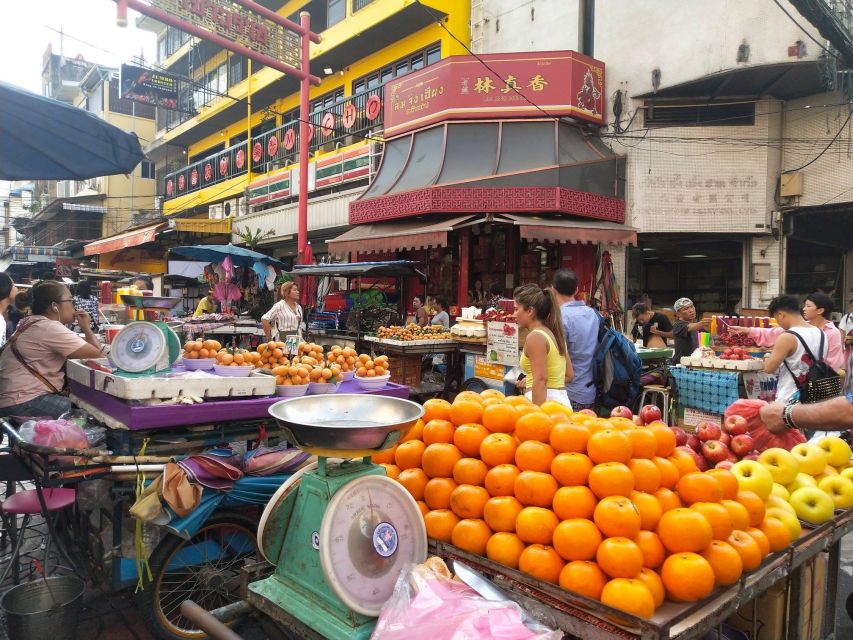
If you’re doing a Chinatown food walk, you need two things: variety and guidance. This tour covers both. You’ll stroll through markets stocked with practical items and colorful finds—herbal remedies, small trinkets, and goods that look like they’ve been bought by regulars for years. The sensory part is real: lots of smells, quick interactions, and constant motion.
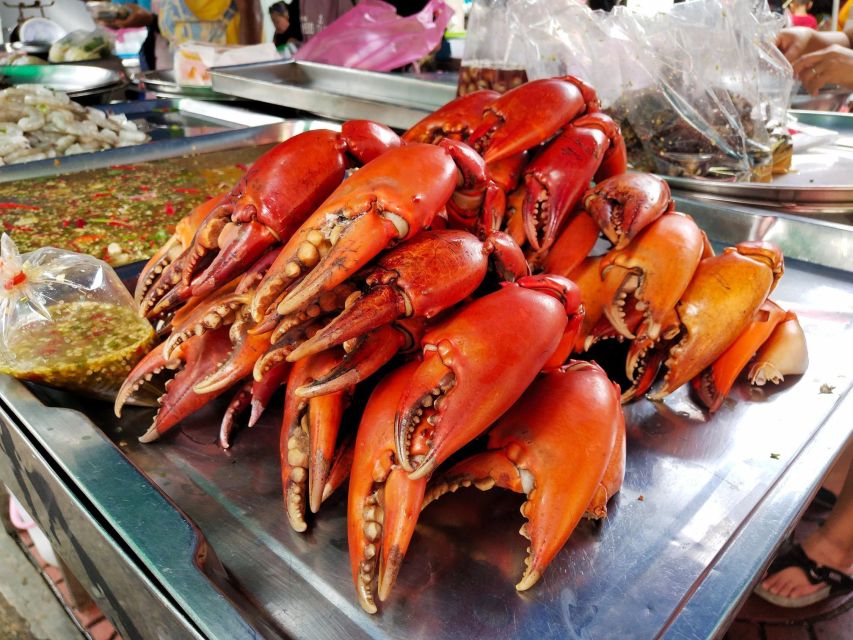
Then come the tastings. You’ll try Thai-Chinese street food such as crispy pork belly, handmade dumplings, and herbal teas. The best part is how the guide frames each item as a cultural mix, not just a dish. You’re not only eating; you’re learning why these foods make sense in this community and how they connect Chinese ingredients and Thai eating habits.
A practical note: since the tour includes food tastings but doesn’t promise every meal, you might still want a light snack beforehand if you’re someone who gets hungry quickly. Also, if you have allergies or dietary restrictions, tell the guide in advance. The tour explicitly asks you to share needs ahead of time, which is exactly what you want on a street-food style experience where ingredients can vary.
If you’re worried about ordering on your own, this is where the tour earns its $75 price tag. You’re paying for someone to guide you through what to eat, where to stand, what to ask, and how to try food you probably wouldn’t pick confidently on your first pass through Chinatown.
Temples and shrines: incense, gold, and everyday devotion
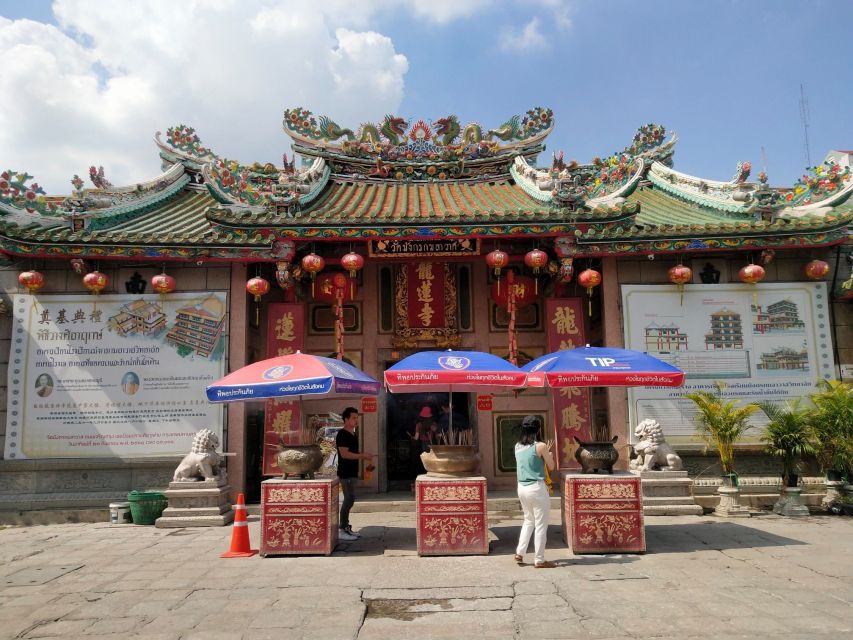
Chinatown isn’t only about food and shops. It’s also about how people pray—and how that prayer shows up in public spaces. On this walk, you’ll visit historic temples and shrines. The guide leads you through spots decorated with incense and gold, then explains what locals are doing there and why it has lasted.
You’ll also learn what to look for. Incense smoke isn’t just atmosphere; it’s a cue that devotion is happening in real time. Gold details on shrines aren’t decoration only; they often signal respect, hope, and tradition. The guide’s job is to connect those visual cues to the cultural meaning, using stories and explanations you can understand without needing a religion degree.
The tour also takes you to smaller community spaces and places that few visitors find on their own. That’s where the experience feels most grounded. Instead of only seeing the most famous photo-stops, you get a sense of how worship fits into daily life—right next to small businesses, narrow lanes, and families moving through the neighborhood.
One consideration: you should be comfortable slowing down near shrines. Incense areas and temple spaces can mean extra time for respect, watching what others do, and listening. If you’re the type who hates quiet moments, you’ll still get lots of movement—but plan to absorb a bit of atmosphere.
Old Chinese architecture and shop-house stories in the backstreets
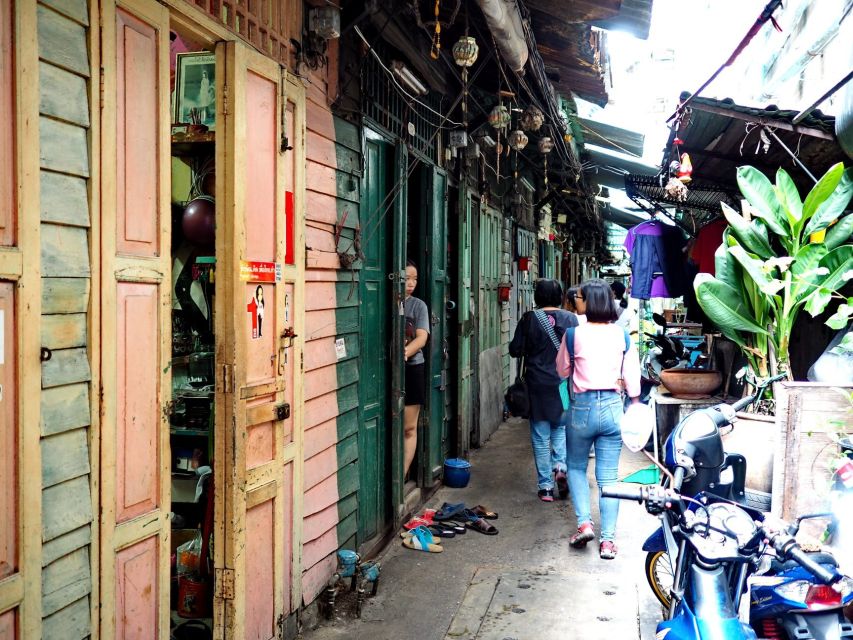
The tour doesn’t stick to the main tourist corridors. It pushes into narrow alleys where everyday life unfolds. That shift is crucial. The loud streets are fun, but the side streets are where you see the structure of the community—how people live with their shops, where shrines sit, and how old architecture survives alongside modern trade.
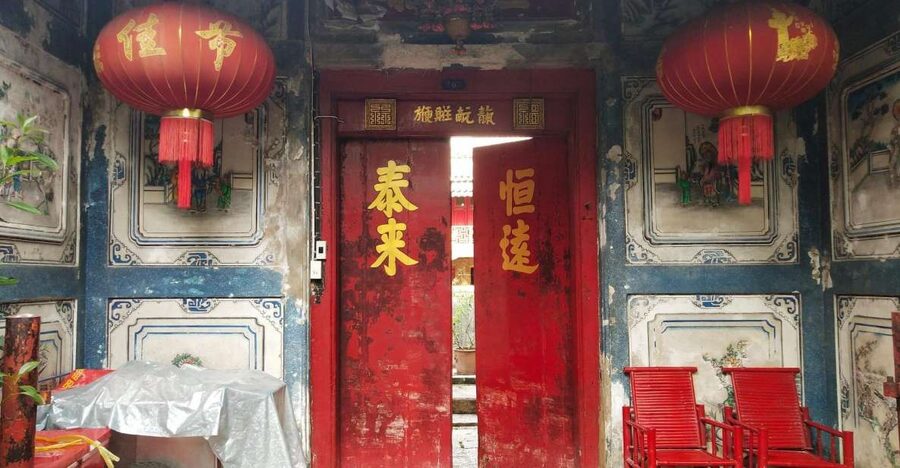
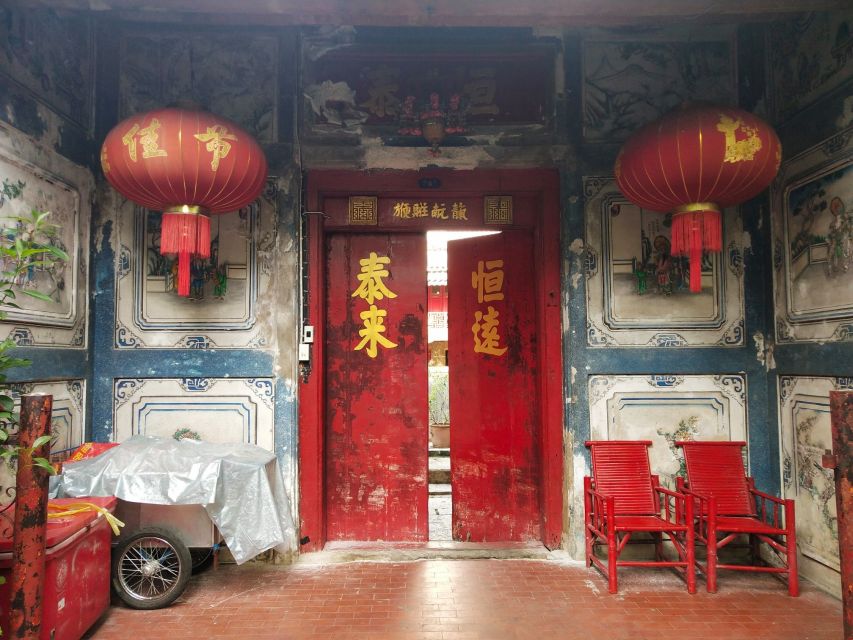
A highlight is the chance to admire old shophouses. You’ll see that each building has its own story and legacy, and the guide will connect the architecture to the community’s evolution. You don’t need to be an architecture nerd to enjoy this part. You just need to like noticing. On this walk, details—signboards, facades, and the way buildings line up—become clues.
The “secret passage” feeling shows up in these routes too. In a few cases, guides have led guests through small connecting lanes that reveal living conditions and older wooden structures still used by residents. Even when you don’t get a literal hidden passage, the point stands: you’ll experience Chinatown as people use it, not as a straight-line route made for cameras.
A quick reality check: alley walking means uneven sidewalks and crowded corners. Even if you’re used to Bangkok streets, take it calmly and keep your focus on where you step.
Getting real insights: why the guide makes the difference
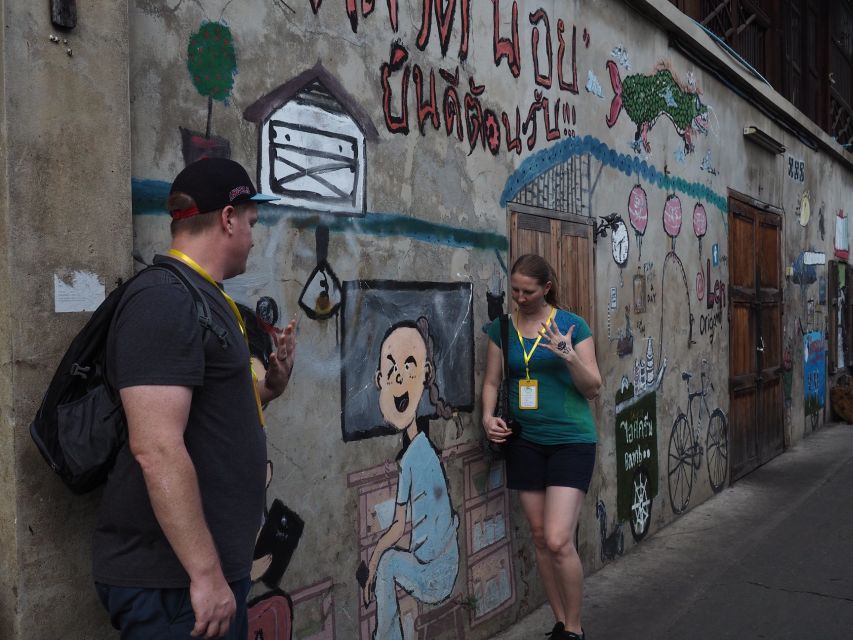
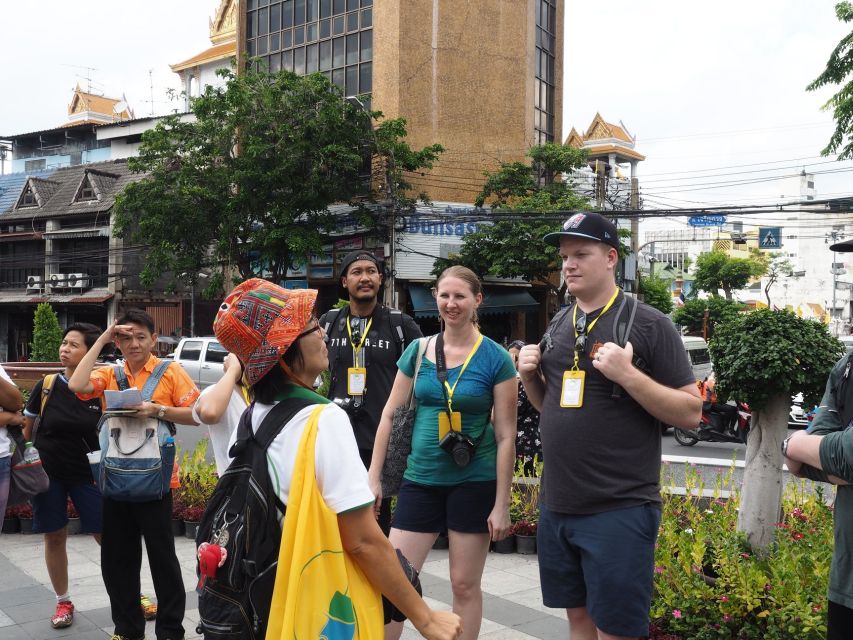
This is a tour where the guide style becomes part of the value. The format is built around small groups, which gives you space to ask questions without waiting your turn. That’s a big deal in Chinatown, where one quick question about a sign, shrine, or food can turn into a whole explanation.
The guides associated with this experience earn consistent praise for enthusiasm and depth. Names that show up in standout experiences include JoJo and Sunee, as well as Ms. Kaew and Khun Kaew. Across those different guides, the common thread is personalization—adjusting the route to interests and spending extra time where you want it.
A few extra touches show up in the stories too. Some guides have provided practical help like handing out fans in warm conditions, and in one case a guide went out of the way to track down durian options and even help cover transport so guests could keep moving with the group. I can’t promise those extras on every day, but they fit the bigger pattern: the guide cares about your experience, not just the checklist.
If you’re traveling solo or want to feel less like an outsider in a crowded neighborhood, this is a strong choice. The small-group size helps you connect with the guide’s explanations and with the rhythm of the community.
Pace, photos, and comfort: what you should bring and plan
You’ll be on your feet a good chunk of the time. The tour makes one thing very clear: bring comfortable shoes and expect walking. Casual clothing is recommended, and the tour runs in rain or shine. That means you should pack a compact umbrella or raincoat, because Chinatown streets can get slick fast.
Also note the luggage rule. Luggage or large bags aren’t allowed. If you’re carrying a day bag, keep it small and easy to manage. You’ll appreciate the lighter load when you’re weaving through alleys and market areas.
For photos, you’ll have photo opportunities built into the route. The guide will stop for good views—historic shophouses, shrine details, and market scenes—so you’re not stuck taking photos while trying to keep up.
As for who it’s not suited for: the tour is not suitable for wheelchair users. The walking routes and narrow streets are part of the experience, and you shouldn’t expect step-free access.
Meeting point: how to start smoothly at MRT Wat Mangkon
Getting to the start correctly saves stress. You’ll begin at MRT Wat Mangkon station, Exit 1, at the Plaeng Nam intersection area (3 Plaeng Nam Rd, Samphanthawong, Samphanthawong district, Bangkok 10100). Aim to arrive about 10 minutes early. That buffer matters in Bangkok because street-level navigation can be slightly chaotic when you’re looking for a specific corner.
If you’re coming by subway, take a minute to orient yourself once you exit. The tour ends back at the meeting point, so you’re not dependent on taxis or buses to close the loop.
If you’re arriving late, the tour may still try to accommodate you, but don’t count on it. Chinatown is packed, and meeting up quickly is part of the smooth start.
Price and value: is $75 a good deal here?
At $75 per person, this isn’t the cheapest way to experience Chinatown. But it’s also not just a generic walking loop. You’re paying for a local expert guide, multiple temple/shrine visits, market and backstreet exploration, and guided tastings of Thai-Chinese street food plus herbal teas.
Here’s how I’d judge value for you:
- If you want to understand what you’re seeing—shrines, temples, and Chinese-Thai cultural blends—then the guide component is the main value driver.
- If food is the priority, the included tastings matter. Trying crispy pork belly, handmade dumplings, and herbal teas with context beats buying random snacks without guidance.
- If you hate long waits and want space to ask questions, the small group size helps justify the cost.
If, on the other hand, you already know Chinatown well and you’re comfortable navigating food stalls and religious sites independently, you might feel like you’re paying for convenience. For most first-timers, though, the balance is strong: you get structure, meaning, and taste in one pass.
One more signal: the experience holds a 4.7 rating from 119 people. That doesn’t replace checking fit, but it does suggest consistent guide quality and overall satisfaction.
Who should book this Chinatown walking tour
I’d recommend it if you fall into one of these categories:
- You want more than the obvious streets and want the older Chinese-Thai community feel in Talad Noi.
- You like food walks but prefer them guided with cultural context.
- You enjoy history-style storytelling that connects religion, immigration, and daily life.
- You travel solo (or with a small group) and want a format that encourages questions.
It’s less of a fit if you’re extremely mobility-limited, avoid market crowds, or dislike walking on uneven sidewalks. It’s also not ideal if you want a strict timetable with almost no stops. This tour pauses, listens, and tastes—because that’s where the meaning is.
Should you book it
Book this Chinatown walk if you want to leave with a stronger sense of how Chinese-Thai culture shows up in real places: shrines, shophouses, markets, and the food you can point to and say, I know why this is here.
Skip it if you only want a fast hit of photos and you don’t care about the stories behind temples and food. You’d be better off wandering on your own.
If you’re on the fence, here’s the deciding question: do you want Chinatown to feel like a neighborhood you understand, not a checklist you completed? If yes, this is a smart $75 bet.
FAQ
Where is the meeting point?
Meet at MRT Wat Mangkon station Exit 1, near the Plaeng Nam intersection area at 3 Plaeng Nam Rd, Samphanthawong, Khet Samphanthawong, Bangkok 10100.
What time should I arrive?
Please arrive about 10 minutes before the tour begins.
What will I eat during the tour?
Food tastings include Thai-Chinese street food such as crispy pork belly, handmade dumplings, and herbal teas.
Is the tour food optional or extra-priced?
The tour includes tastings, but additional food or drinks beyond the provided tastings are not included.
Does the tour run in rain?
Yes, it runs in rain or shine. Bring an umbrella or raincoat if needed.
What should I bring?
Wear comfortable shoes and casual clothing. A small umbrella or raincoat can help if the weather turns.
Can I bring luggage or a large bag?
No. Luggage or large bags are not allowed.
What languages are offered?
The tour is available in English and German.
Is it wheelchair accessible?
No, it is not suitable for wheelchair users.
What if I have allergies or dietary restrictions?
Let the operator know in advance about any dietary restrictions or allergies so the guide can plan accordingly.