REVIEW · BANGKOK
Bangkok: Discover a Taste of Chinatown – 2 Hr Walking Tour
Book on GetYourGuide →Operated by TripGuru Thailand · Bookable on GetYourGuide
A walk with snacks and stories, right in the middle of Chinatown. I love how this tour pairs classic Yaowarat favorites with real cultural context, so you’re not just eating, you’re learning what you’re eating. Guay Jub Ouan Pochana noodles and Pa Tong Go Savoey crispy bites are the kind of stops that make the 2 hours feel worth it. The only real drawback to plan for is that food spending is on you, so the final cost depends on what you choose to order.
Because it’s a walking food tour, you should also be ready for lots of street time in heat and crowds. If you’re someone who needs frequent pauses or has mobility, pregnancy, heart, or respiratory considerations, this isn’t the right fit. If you’re in good shape and enjoy trying small plates, though, you’ll leave with a much sharper idea of Chinatown than you’d get from strolling alone.
In This Review
- Key things I’d focus on before you go
- Yaowarat at night: the kind of Bangkok you taste first
- Getting started at Wat Mangkon MRT Exit 3 without stress
- How the flexible “no fixed itinerary” works in real life
- The big food anchors: Guay Jub Ouan Pochana and Pa Tong Go Savoey
- Guay Jub Ouan Pochana: rice noodle comfort with real credibility
- Pa Tong Go Savoey: crispy dough sticks for when you want crunch
- Beyond the famous stalls: HKN Hong Kong Noodle and HAGOW Yaowarat
- Temples and temple etiquette: why the culture piece isn’t fluff
- Group size and pace: the quiet advantage of max 9 people
- Price and value: what $64 buys you (and what it doesn’t)
- What to bring so night street food feels fun, not frantic
- Safety and who this tour fits best
- A quick walkthrough of what your 2 hours will feel like
- Should you book the Bangkok Chinatown 2-hour walking tasting tour?
- FAQ
- How long is the Chinatown food walking tour?
- Where do I meet the guide?
- Is the tour flexible or does it follow a fixed itinerary?
- Are food tasting expenses included in the price?
- What foods or stalls are featured?
- What should I bring for the tour?
- Is the tour wheelchair accessible?
Key things I’d focus on before you go
- Meet at Wat Mangkon MRT (Exit 3) with a TripGuru sign and a guide who keeps you moving
- Flexible tasting, no fixed menu so you can say yes or no without feeling rushed
- Famous Chinatown bites like Guay Jub Ouan Pochana’s MICHELIN Bib Gourmand-style rice noodle soup and Pa Tong Go Savoey’s crispy dough sticks
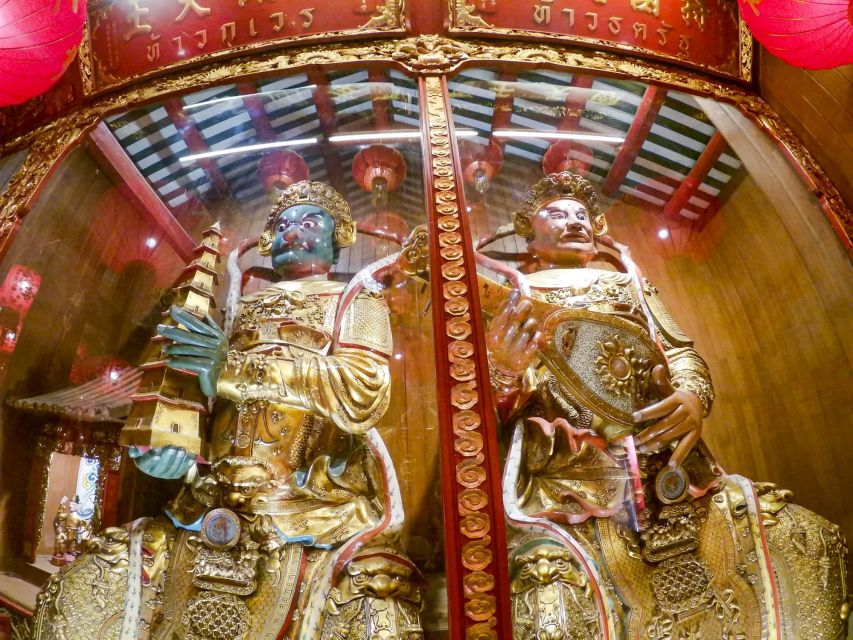
- Food + culture stops, including Buddhist temple time when schedules allow
- Small group limits (max 9), which makes it easier to ask questions and tailor toward your pace
- Personalization from real guides, including responses to dietary needs like nut allergies
Yaowarat at night: the kind of Bangkok you taste first
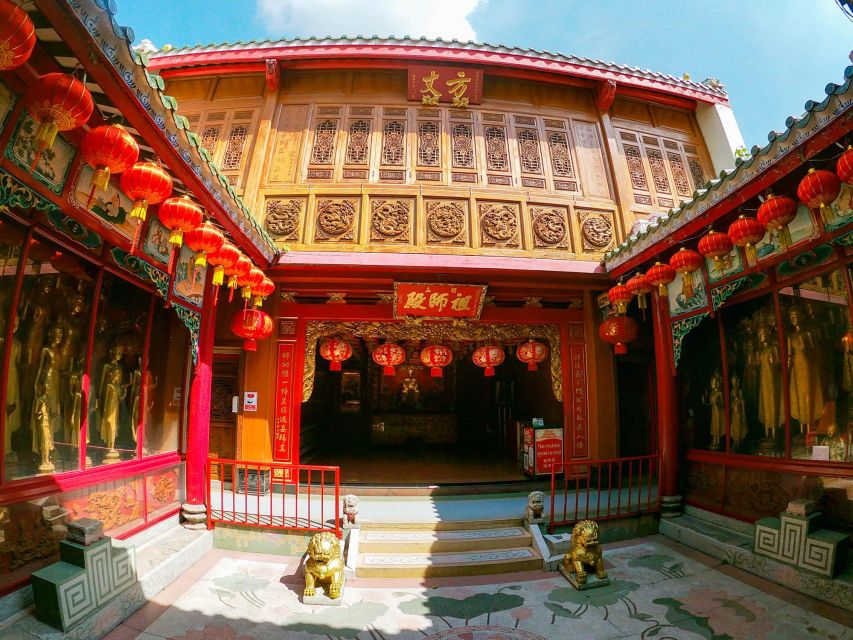
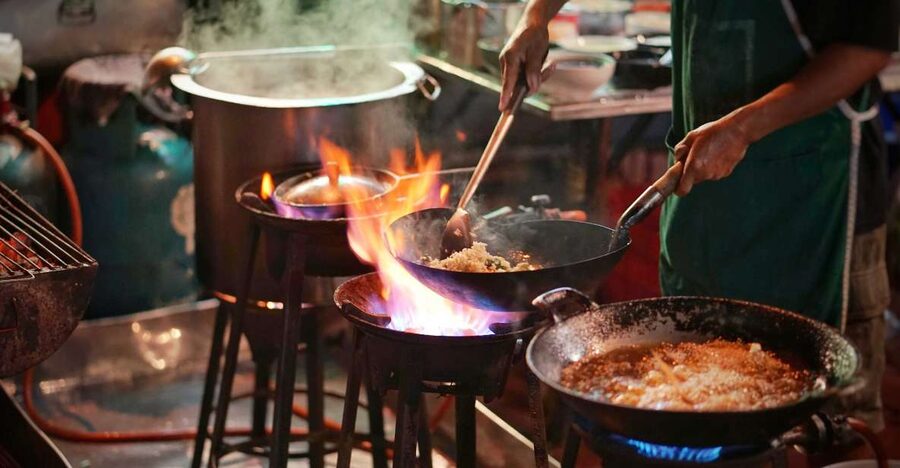
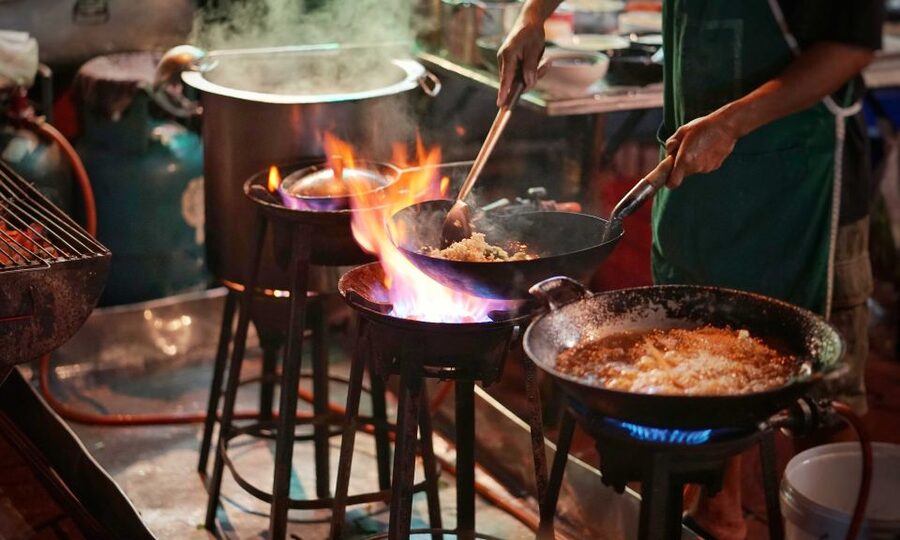
Chinatown in Bangkok, especially around Yaowarat, is one of those places where your senses do half the planning. Light, steam, sizzling pans, and the steady flow of people make it easy to wander. The trick is knowing where to go when you’re hungry and don’t want to waste time guessing.
This tour helps you solve that problem. You’re guided through the area with stops built around well-known food stalls, plus lesser-known places you might skip if you don’t have a local pointing the way. I like that the tour doesn’t force one rigid sequence—if something smells amazing, you can lean in.
It’s also a good way to understand what’s behind the food. Some guides bring you into Buddhist temple spaces and explain basic customs, like how people pray and what to watch for. In a place like this, that context makes the experience feel less like a checklist and more like a real neighborhood.
You can also read our reviews of more walking tours in Bangkok
Getting started at Wat Mangkon MRT Exit 3 without stress
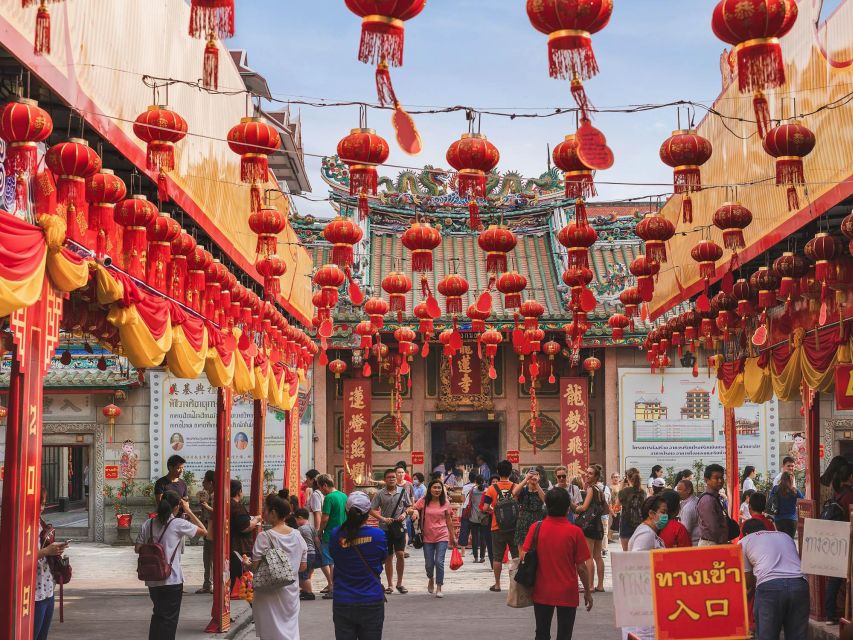
The meeting point is clear and easy to find: outside Exit 3 of Wat Mangkon MRT station. Your guide will be holding a TripGuru sign, and you’ll want to be there about 10 minutes early. The team also emails you the evening before with the exact pickup time and meeting details.
That matters more than you might think. Night food tours can start late, stall lines can change, and traffic around transit hubs can be chaotic. Being early means you avoid the awkward part where you’re searching the sidewalk while the whole street already smells like dinner.
Also note the tour is designed around walking. Comfortable shoes are the difference between enjoying street snacks and feeling grumpy by the first stop.
How the flexible “no fixed itinerary” works in real life
A flexible tour sounds vague until you experience it. Here’s how it pays off: you’re not locked into a single menu with no choices. Instead, the guide steers you toward places that match your appetite and comfort level, and you decide what to taste at each stop.
That approach is great for two reasons. First, street food in Chinatown is fast-moving—if the line at one stall looks too long, you don’t stall the whole group. Second, your tastes can guide the path. Some people want savory first, some want dessert, and some want both in the same hour.
From the guide-style feedback I’ve seen, the best part is that guides don’t just read off recommendations. Names that show up often include Fern, Paew, Belle, Tom, Jimmy, Chai, and Sunday—each of them works with the group and the moment. One guide experience even stood out because the guide continued the tour even when only one participant booked, so the pace and focus stayed personal instead of robotic.
The big food anchors: Guay Jub Ouan Pochana and Pa Tong Go Savoey
If you want a tour that gives you “I’m in the right place” confirmation, these two stops are the heart of it.
Guay Jub Ouan Pochana: rice noodle comfort with real credibility
This is where the tour earns trust. Guay Jub Ouan Pochana is highlighted for its MICHELIN Bib Gourmand rice noodle soup. That detail isn’t just a brag; it signals a dish that’s been perfected and repeated over time. In practice, you’re getting a classic noodle bowl that’s easy to share, easy to understand, and easy to compare to other Thai-Chinese styles.
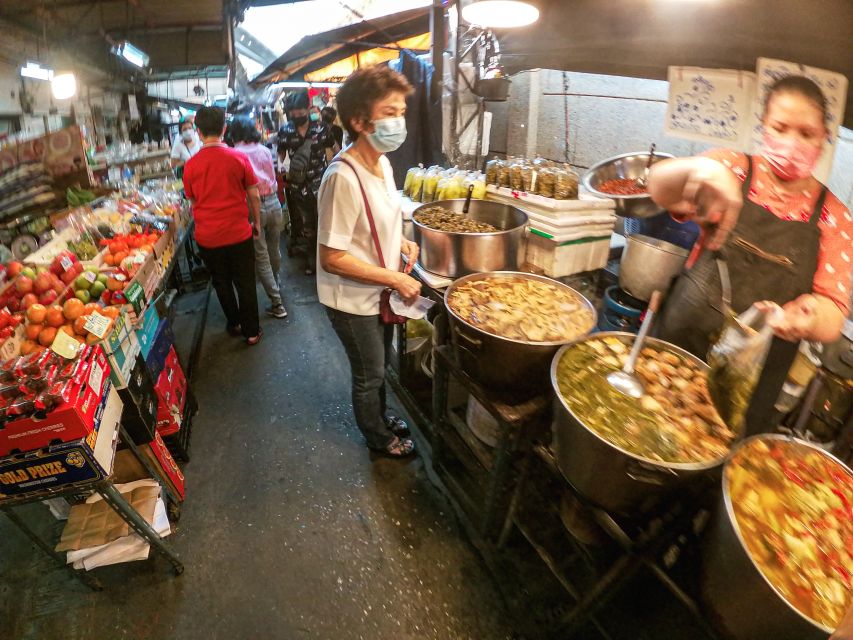
What to expect from a noodle stop in Chinatown: steam, fast service, and a menu that’s more about function than fancy presentation. The guide’s job is to translate what you’re seeing and help you order confidently.
Pa Tong Go Savoey: crispy dough sticks for when you want crunch
Pa Tong Go Savoey is famous for crispy dough sticks, the kind you can eat straight or pair with sweet or savory sides depending on what’s available. This is the stop that makes the whole tour feel like a real Chinatown night out, not just a museum of food.
One practical tip: since you’re walking between places, crispy items are handy because they don’t require utensils and usually travel better than saucy dishes. It’s a good “snack bridge” between heavier bites.
Beyond the famous stalls: HKN Hong Kong Noodle and HAGOW Yaowarat
The tour doesn’t stop at the headline brands. You’re also guided to other eating spots that help you understand the variety of the area.
One highlight mentioned is HKN Hong Kong Noodle, where the guide leads you toward authentic bites like noodle-based dishes and likely dim sum options when available. Another stop is HAGOW Yaowarat, also known for dim sum. Dim sum matters here because it shows you a different rhythm of eating—small plates, lots of flavors, and a menu designed for sharing.
Even if you’re not a dim sum person, this is where Chinatown broadens your comfort zone. You’ll see how Thai-Chinese food culture works when people order a range of items and snack through the meal rather than committing to one big dish.
Temples and temple etiquette: why the culture piece isn’t fluff
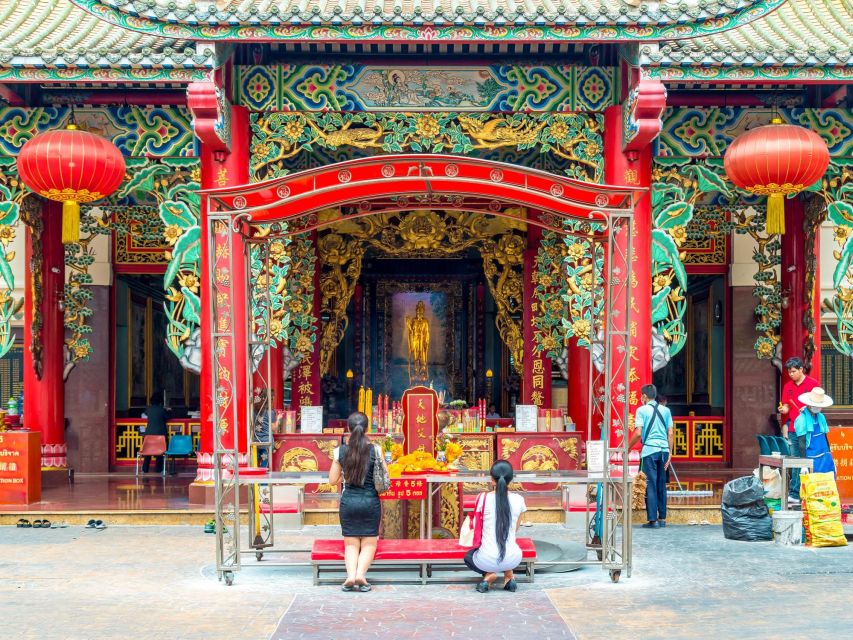
Chinatown isn’t only about food. It has religious and community life woven into the streets. That’s why temple time can be one of the most memorable parts of the tour.
Some guides take you to Buddhist temples and explain basic customs—how people pray, what to notice, and what behavior is respectful. In one experience, a guide even showed the group how to pray at two Buddhist temple stops. Another described being taken inside a Buddhist temple to see a ceremony, which gave the outing a sense of being part of the neighborhood rather than just passing through it.
Now, a quick reality check. Temple access can depend on timing and what’s happening on the day. The tour also notes that stops may change based on weather and availability. So treat temple time as a bonus, not a guaranteed “must-see on schedule” item.
Group size and pace: the quiet advantage of max 9 people
This tour limits groups to 9 participants. That small size changes the experience. You don’t feel swallowed by a crowd, and the guide can actually read what you’re doing—whether you’re taking photos, asking questions, or slowing down because a stall looks irresistible.
It also makes personalization more realistic. Some guides have adjusted the tour for specific needs, including a situation where a nut allergy was accounted for while still keeping the tasting variety strong. If you have any food constraints, it’s smart to mention them early and be clear about what you can’t eat.
Price and value: what $64 buys you (and what it doesn’t)
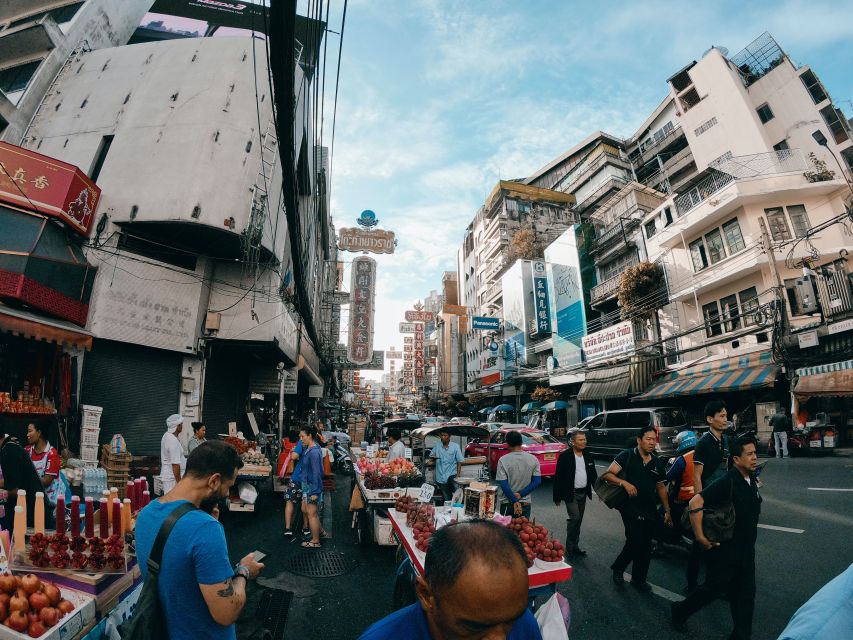
The price is $64 per person for a 2-hour walking tour. Food tasting expenses are not included, which is the key detail for value.
So what are you paying for? You’re paying for the guide, the routing, and the experience management. A good Chinatown guide does more than “point and eat.” They help you:
- pick stalls with strong track records (like the noodle and crispy dough stops above)
- handle ordering so you don’t waste time guessing
- move you through the area efficiently while keeping you safe on foot
- add context, like temple etiquette and the meaning behind what you’re tasting
- keep the group organized with a small headcount
Insurance and carbon emissions offset credits are included too. That’s not the reason most people book, but it does round out the package.
Now, the part you’ll care about most: what you’ll spend on food. One real data point from an experience: someone ended up spending around $25 CAD while eating a lot during their tour. Your total will vary based on appetite and what you choose to order, but it’s a good sign that you’re not locked into huge set menus.
What to bring so night street food feels fun, not frantic
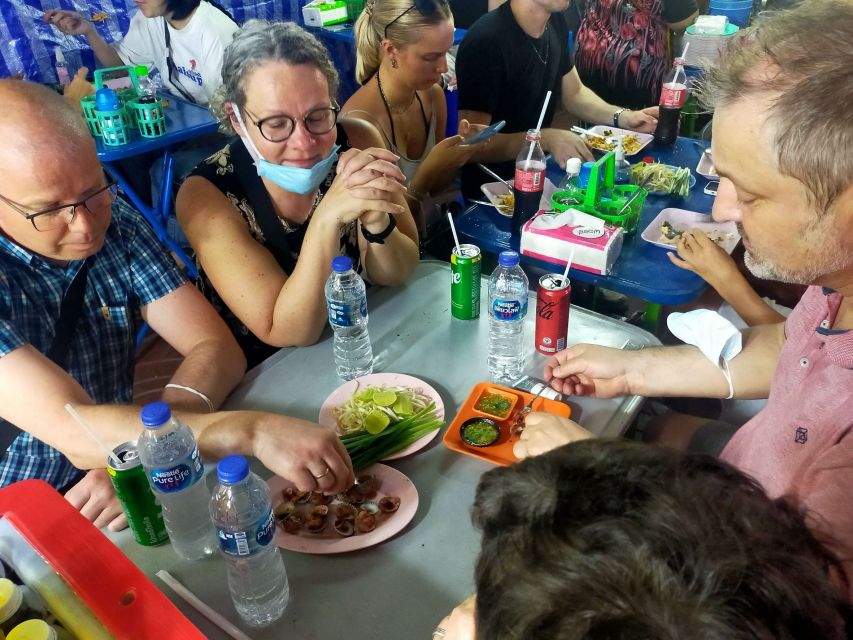
Here’s your practical packing list, straight from what makes a Chinatown walk easier. Bring:
- comfortable shoes
- cash for stalls
- sunscreen, insect repellent
- sunglasses, hat, and an umbrella if rain is possible
- a scarf or sarong (useful for comfort around temples and weather)
- camera
If you hate carrying a bag, keep it simple. Chinatown is a place where hands get busy—holding a drink, eating, and taking photos—so keep your setup minimal.
Also: dress for walking, not for looking good. Sticky heat and sudden rain happen, and a tour that lasts 2 hours doesn’t have time to “wait out” discomfort.
Safety and who this tour fits best
Street food tours are social, but they still involve busy sidewalks, cooking smoke, and lots of foot traffic. This one is not suitable for wheelchair access. It’s also not recommended for pregnant women, people with mobility impairments, people with heart problems, or people with respiratory issues.
If you’re unsure, trust your body. A walking-focused tour is not the place to test your limits.
If you’re generally healthy, enjoy trying new foods, and want a guided path through a food neighborhood, it’s a strong match—especially for first-time Bangkok visitors who don’t want to spend their first night only searching for where to eat.
A quick walkthrough of what your 2 hours will feel like
Think of it as a sequence of short stops with plenty of time to taste, ask questions, and reset your bearings on the street.
You start around Wat Mangkon and then head into the Yaowarat night market area. The walking portion helps connect each food stop to the surrounding neighborhood rhythm. Along the way, guides typically talk through what you’re eating and why it matters, and they may add a temple visit when schedules and conditions allow.
The actual tasting portions depend on what you choose. Since food costs aren’t included, the guide’s pacing helps you avoid ordering too little (regret) or too much (heavy walking later). And because it’s flexible, you’re not stuck swallowing something you don’t enjoy just to follow a script.
Should you book the Bangkok Chinatown 2-hour walking tasting tour?
I think you should book this tour if you want a high-confidence Chinatown night in a short amount of time. The big wins are the mix of famous stalls and real local guidance, the small group size, and the fact that many guides bring in cultural context—sometimes including Buddhist temple visits and practical etiquette.
Skip it if you can’t handle a walking tour or if you’re sensitive to crowded sidewalks and night street conditions. Also budget for food on top of the $64 ticket, since tasting expenses aren’t included.
If you’re ready to trade aimless wandering for smart routing and tasty learning, this one is a solid value for your first trip to Bangkok’s Yaowarat.
FAQ
How long is the Chinatown food walking tour?
The tour duration is 2 hours.
Where do I meet the guide?
Meet outside exit number 3 of the Wat Mangkon MRT station. Your guide will be holding a TripGuru sign.
Is the tour flexible or does it follow a fixed itinerary?
The tour is described as having no fixed itinerary, so you can taste what you want at your own pace.
Are food tasting expenses included in the price?
No. All food tasting expenses are not included.
What foods or stalls are featured?
You can expect stops such as Guay Jub Ouan Pochana and Pa Tong Go Savoey, plus places like HKN Hong Kong Noodle and HAGOW Yaowarat, where dim sum is mentioned.
What should I bring for the tour?
Bring comfortable shoes, sunglasses, a hat, an umbrella, a camera, sunscreen, insect repellent, cash, and also a scarf or sarong.
Is the tour wheelchair accessible?
No. The tour is not suitable for wheelchair access.