REVIEW · HO CHI MINH CITY
Ho Chi Minh: City Highlights Guided Walking Tour
Book on GetYourGuide →Operated by LV Tours · Bookable on GetYourGuide
Saigon’s past and present walk side by side. This 3-hour guided stroll starts at the War Remnants Museum, then threads through places tied to the Vietnam War, French colonial architecture, and modern street life on City Book Street. I especially liked how the tour mixes big, serious history with real-city moments like tasting coffee and practicing a few basic Vietnamese phrases. The main thing to watch is time: it’s packed, so if you want to linger extra inside one site, the schedule can feel tight.
You’ll still get value for the money. The museum entry is included, and you also get a guide for the key exterior and interior stops, plus coffee (or a non-alcoholic drink), water, and even raincoats if the weather flips. If you’re the type who likes slow museum wandering on your own, plan to treat the one-hour museum period as your main deep time.
In This Review
- Key moments you’ll remember
- Starting at War Remnants Museum: Why This Tour Begins With Impact
- Reunification Palace (Vietnam White House): Seeing How the War Ended
- Notre-Dame Cathedral and the Central Post Office: French-Era Beauty With a History Lesson
- City Book Street and Vietnamese Coffee: Modern Saigon After the Heavy Stuff
- Price and Value: Why $39 Often Feels Like More Than a Stroll
- How the Tour Works on the Ground: Timing, Pace, and What to Bring
- Who This Walk Suits Best (and Who Might Want Something Else)
- Should You Book This Ho Chi Minh City History-and-Coffee Walk?
- FAQ
- Where does the tour start?
- How long is the tour?
- What’s included in the price?
- Does it skip the ticket line?
- What language is the tour guide?
- What should I bring?
Key moments you’ll remember
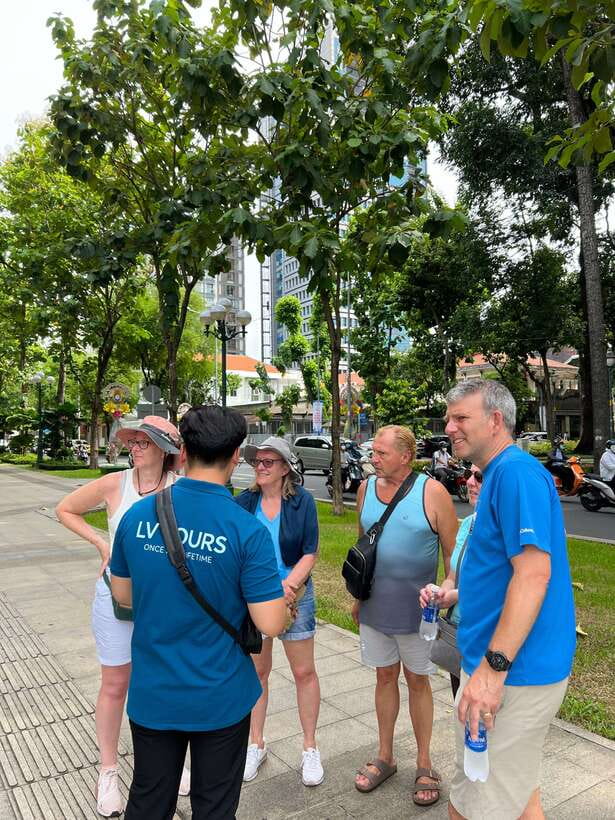
- War Remnants Museum first: you get time inside right away, with skip-the-line help
- Reunification Palace as the Vietnam White House: see the power rooms that shaped the war’s endgame
- Notre-Dame Cathedral + Central Post Office: iconic 19th-century French-era landmarks in walking distance
- City Book Street for modern Saigon: a calm, popular hangout for younger locals
- Coffee tasting that ends the tour on a human note: plus a chance to say a few useful Vietnamese phrases
Starting at War Remnants Museum: Why This Tour Begins With Impact
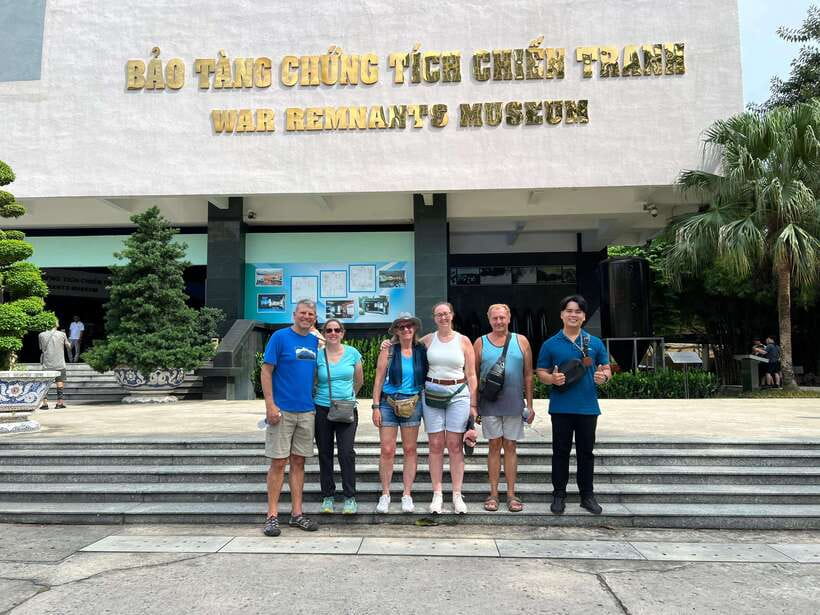
Ho Chi Minh City can feel like a blur of motorbikes and new construction. This tour answers that by starting at the one place that forces you to slow down: the War Remnants Museum.
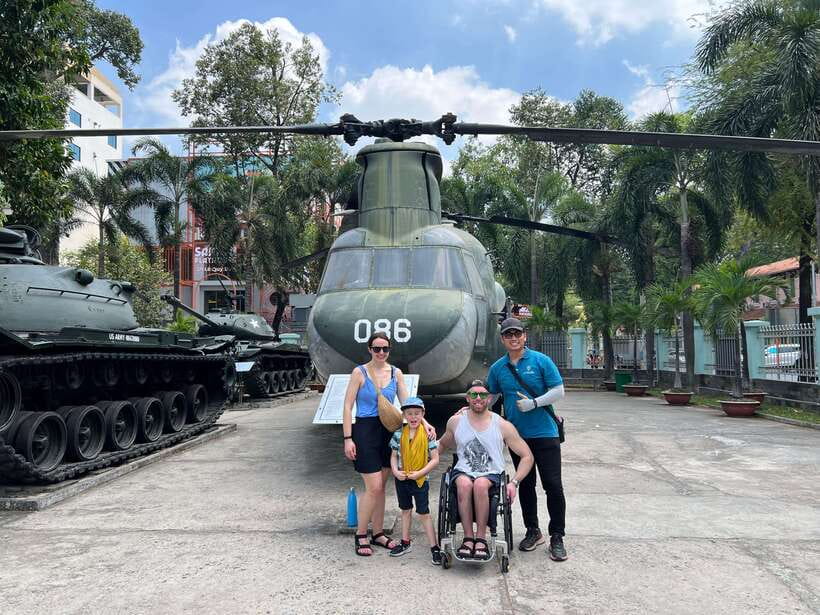
You meet your English-speaking guide at the museum’s main entrance, and you go in with entry tickets included and help to skip the ticket line. Then you spend about an hour inside with self-guided time, while your guide frames what to look for before you turn into your own mini research project.
This matters. When you enter a museum about trauma, it’s easy to skim labels and miss the human logic behind the exhibits. A good guide sets context first—why certain displays exist, how the war is remembered in Vietnam today, and what questions you should keep in mind while you read. The result is a cleaner connection between what you see inside and what you’ll pass outside afterward.
Practical note: the museum is your emotional anchor, so bring the mindset that you’re not just collecting facts. You’re trying to understand how a country explains a painful chapter without turning it into a simple story with winners and losers.
Also, wear comfortable shoes. Even at a “walking tour” pace, you’re covering multiple major stops in a single morning or afternoon block. Ho Chi Minh City’s heat can add drag if your footwear is wrong.
You can also read our reviews of more walking tours in Ho Chi Minh City

Reunification Palace (Vietnam White House): Seeing How the War Ended
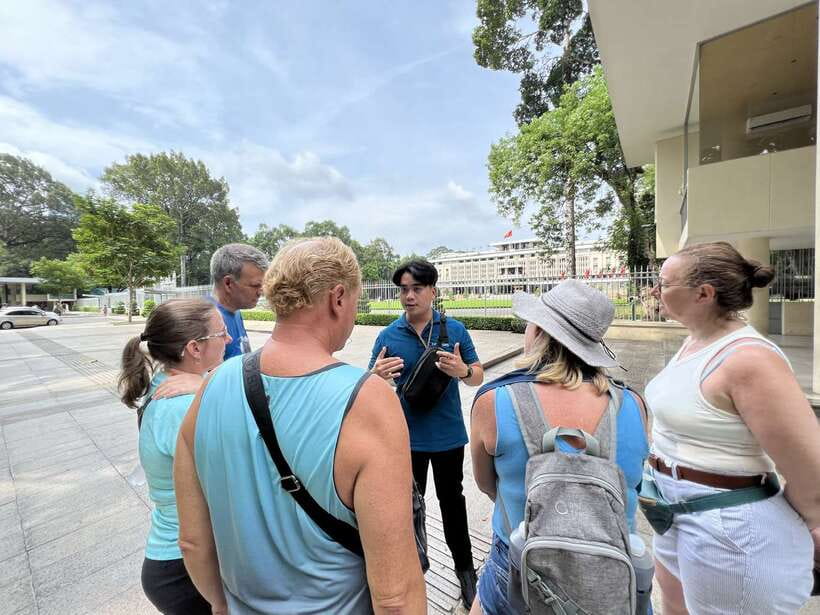
After the museum, you head to the Reunification Palace, commonly known as the Vietnam White House. This is one of those places where the walls feel like they’ve kept secrets.
You’ll get a guided walkthrough and sightseeing for about 30 minutes, plus time to take in the building from multiple angles as you move through the grounds. Your guide’s job here is to connect the architecture and room layouts to what was happening around them. You’re not just looking at furniture and hallways—you’re learning why certain spaces mattered and how a command center worked under pressure.
This stop is a turning point in the tour’s tone. The War Remnants Museum brings you face-to-face with consequences; the palace shows you decision-making in motion. It’s the difference between aftermath and intention.
One more reason this portion is valuable: it helps you understand why Ho Chi Minh City’s identity today still carries layers from that period. Even if the city has changed fast, you’ll start spotting references—names, symbolism, and the way Vietnamese people talk about the past in public spaces.
Notre-Dame Cathedral and the Central Post Office: French-Era Beauty With a History Lesson

Next comes the French occupation era, and the tour does it in a very practical way: two major landmarks close together.
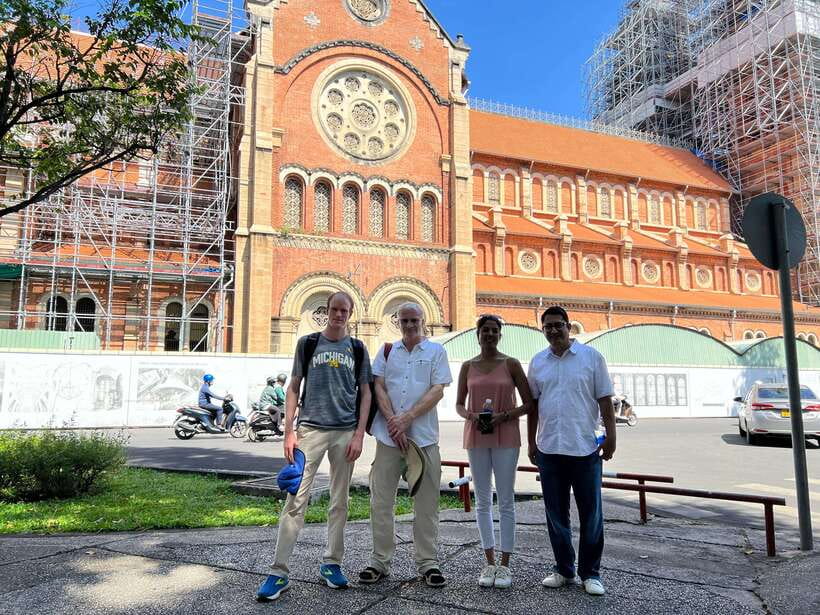
First, you visit Saigon Notre-Dame Cathedral, spending about 30 minutes with guidance and sightseeing. This cathedral is famous for a reason—its design is unmistakably European—but your guide will push you to notice what that style meant in 19th-century Saigon. Look at the building not just as a photo stop, but as a cultural statement: who built what, who controlled what, and how architectural power travels.
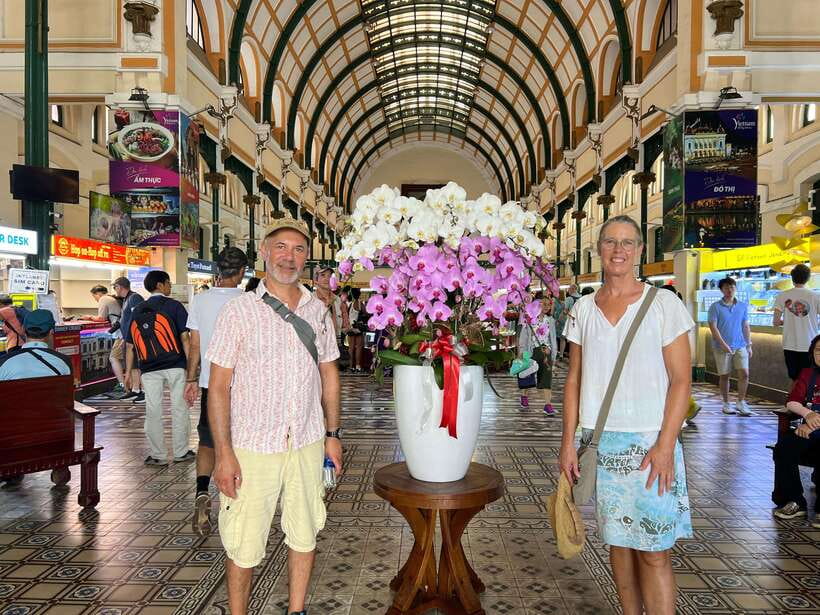
Then you move to the Saigon Central Post Office for another 30 minutes with guided context. The post office is more than a pretty interior. It’s part of the city’s communication story, tied to colonial administration and the “modern infrastructure” idea that arrived through European systems. Even if you don’t plan to send postcards, it’s worth walking through with your eyes open for the role of design in everyday life.
A key consideration: sometimes access can be affected by maintenance and ongoing work at major sites. I wouldn’t assume you’ll always have the same level of interior access on every day. If you care about going inside fully, it’s smart to keep flexibility in your expectations.
Still, even exterior time is strong here, because your guide connects each building to the bigger question: what changes when a city gets reshaped by foreign powers—and what survives the reshaping.
City Book Street and Vietnamese Coffee: Modern Saigon After the Heavy Stuff
By the time you reach City Book Street, the tour shifts gears on purpose. You’re still in the same city, but the mood changes from historical weight to everyday atmosphere.
Your final stop is City Book Street, where you’ll take a peaceful stroll. This area is popular with the city’s youth, so you’ll see Saigon as more than a museum map. Think of it as a soft landing: a place where people come to browse, hang out, and be seen, not to study war stories.
Before you wrap, you also stop at a local café for coffee tasting (about 30 minutes), with coffee or a non-alcoholic drink included. This is one of the most human parts of the tour because it shifts the focus from what happened to what daily life feels like now.
Vietnamese coffee is more than a beverage here. It’s routine, comfort, and a social habit. Your guide may also help you practice a few basic Vietnamese phrases, which is especially useful in café settings. Even simple phrases can turn a tourist transaction into a quick moment of connection.
If you enjoy the coffee world, keep your curiosity active. Ask what’s in the drink, how locals take it, and how the café differs from the tourist spots. The best guides will steer you toward local preferences rather than generic descriptions.
Price and Value: Why $39 Often Feels Like More Than a Stroll
At $39 per person for about 3 hours, this tour can feel like a strong deal—mainly because the cost covers more than “walking and pointing.”
Here’s what you get without needing to pay extra on the spot:
- War Remnants Museum entry tickets
- A live English-speaking guide
- Coffee or a non-alcoholic drink
- Water bottles
- Raincoats if it’s raining
- Help to skip the ticket line
For short tours, what you’re really buying is time. Three hours in a city like Ho Chi Minh City is not long, so you want that time to do heavy lifting: context, routing, and interpretation. This experience is structured to cover several major landmarks without wasting energy figuring out where to go next.
Value also comes from the balance of perspectives. You don’t just get a list of famous buildings. You get the war context and the colonial-era context, then you end with modern street culture and coffee. That arc helps you build a mental map that lasts longer than the photos.

How the Tour Works on the Ground: Timing, Pace, and What to Bring

This is a guided walk with multiple stops, so your comfort level matters.
You’ll start at the museum and spend about an hour there at your own pace. Then the guide stays with the group for the next landmarks, with roughly half an hour devoted to each major site: the palace, the cathedral, and the post office. You’ll finish with coffee and then end at City Book Street.
That pace is good for orientation. It’s also why you should pack for heat and walking:
- Comfortable shoes (seriously—more walking than you might expect)
- Sunscreen
- Comfortable clothes that can handle warmth
Small tip: bring water even though bottles are provided. If you tend to sweat a lot, having extra helps you keep your energy for the museum and cathedral areas where you might stand and look for details.
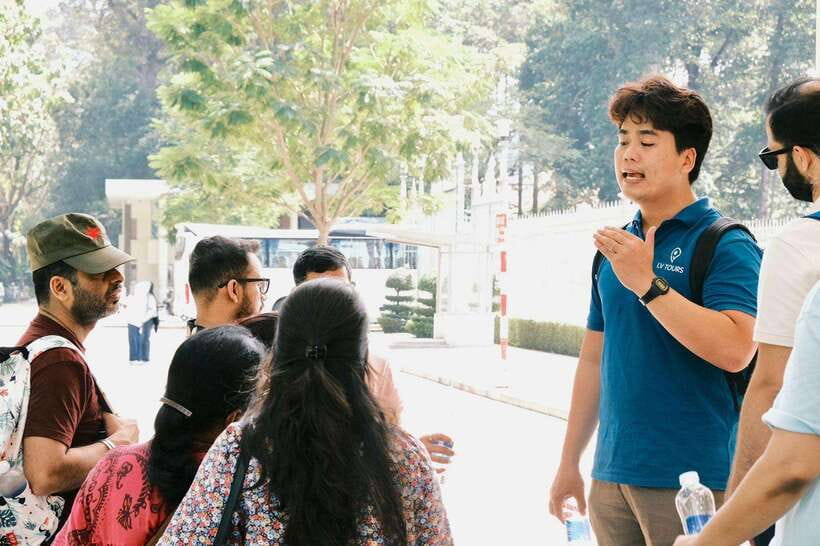
Also, if you’re the kind of person who asks questions, this tour is set up to handle that. Multiple English-speaking guides for this experience have earned praise for staying friendly and answering lots of questions, which is a big deal when you’re trying to understand a country’s story through its public spaces.
Who This Walk Suits Best (and Who Might Want Something Else)
This tour is a great fit if you want:
- A first-day orientation to Ho Chi Minh City that’s grounded in real context
- A balance of the Vietnam War legacy, French-era architecture, and modern youth culture
- A guided interpretation plus some freedom to explore at the museum
It’s especially well-suited for visitors who feel overwhelmed by the amount of history in this city and want someone to help connect the dots fast.
It may feel less ideal if:
- You want a long, slow museum experience with zero time pressure
- You care only about architecture photos and don’t want the war framing
- You prefer deep internal access to every site (because access can vary by day and maintenance)
For families, it can work too, as long as you’re ready for a mix of serious topics and walking time in warm weather. Some guides have shown flexibility with different needs, which can make a big difference in whether the day feels smooth.
Should You Book This Ho Chi Minh City History-and-Coffee Walk?
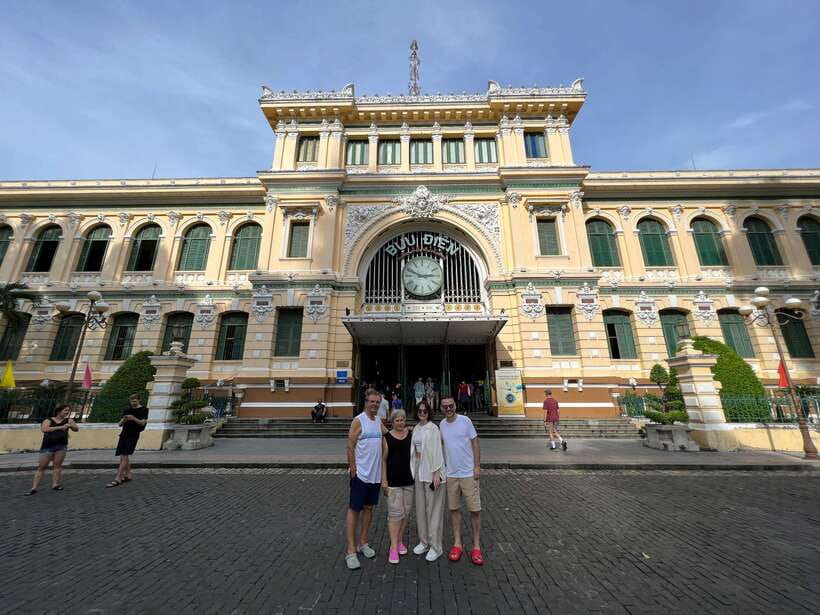
If you’re choosing between a simple landmark tour and something with meaning, I’d lean toward this one.
You should book if you want a high-impact overview of Ho Chi Minh City that covers the parts many people miss: the war memory you can’t get from street-level sightseeing, the French-era buildings that shaped the city’s layout, and the modern vibe at City Book Street—ending with coffee and a few useful phrases.
You might skip it (or pair it with another longer plan) if you’re the type who needs extra time inside museums or you’re traveling with very tight interests that don’t overlap with war history and colonial architecture.
Either way, $39 buys more than a stroll. It buys context, pacing, and a story arc that turns Saigon from a set of sights into a place you actually understand.
FAQ
Where does the tour start?
You meet your guide at the main entrance of the War Remnants Museum.
How long is the tour?
The tour lasts 3 hours.
What’s included in the price?
Included are entry tickets to the War Remnants Museum, a tour guide (English), coffee or non-alcoholic drinks, bottles of water, and raincoats if it’s raining.
Does it skip the ticket line?
Yes, the experience includes skipping the ticket line.
What language is the tour guide?
The live tour guide speaks English.
What should I bring?
Bring comfortable shoes, sunscreen, and comfortable clothes.