REVIEW · HO CHI MINH CITY
Ho Chi Minh City: Walking Tour with Local Guide
Book on GetYourGuide →Operated by Freetour Vietnam · Bookable on GetYourGuide
Saigon’s big stories walk right beside you. In 2.5 hours, you cover major landmarks like the Saigon Central Post Office, Notre-Dame Cathedral, and Independence Palace, while a local guide ties it all together with the kind of context you only get from someone who lives here. You also finish with a PDF full of practical ideas so you can keep exploring without guessing.
I love the way this walk balances headline sights with harder, lesser-talked-about history—especially the stop at the Secret CIA Building and the mention of a hidden secret bunker. I also love the small “break moments,” like the coffee stop at Cong Coffee, plus the end-of-tour PDF that points you toward good food, things to do, and rooftop bars.
One thing to consider: the tour is tip-based, so the low listed price doesn’t tell the whole value story. And it runs rain or shine, so plan for weather and long stretches on foot in District 1 heat.
In This Review
- Key things I’d pay attention to
- Why this Saigon walking tour is a smart first move
- Starting at The Manufacturer Courtyard: a punchy opener
- Municipal Theatre: style plus social meaning
- Ho Chi Minh City Hall and the symbols people argue about
- Ho Chi Minh Statue: reading the city through monuments
- The Secret CIA Building and a hidden secret bunker
- Cong Coffee: the break that makes the whole tour easier
- Saigon Central Post Office: architecture with a job to do
- Notre-Dame Cathedral: quick stop, heavy context
- Independence Palace (Dinh Độc Lập): the turning point you can walk through
- The PDF you get after: how to use it without overplanning
- Price, tipping, and value math that actually makes sense
- What it’s like with guides like Helen, Ha, Linh, and Kio
- Pacing, walking comfort, and rain-or-shine reality
- Who this tour fits best
- Should you book this Ho Chi Minh City walking tour?
- FAQ
- How long is the Ho Chi Minh City walking tour?
- What language is the tour guide?
- Is the tour price fixed, or do I need to tip?
- How much should I tip?
- Where do I meet the guide?
- What stops are included on the tour?
- What does the tour include besides the landmarks?
- Does the tour run in bad weather?
- What should I bring for the walk?
- Who isn’t this tour suitable for?
Key things I’d pay attention to
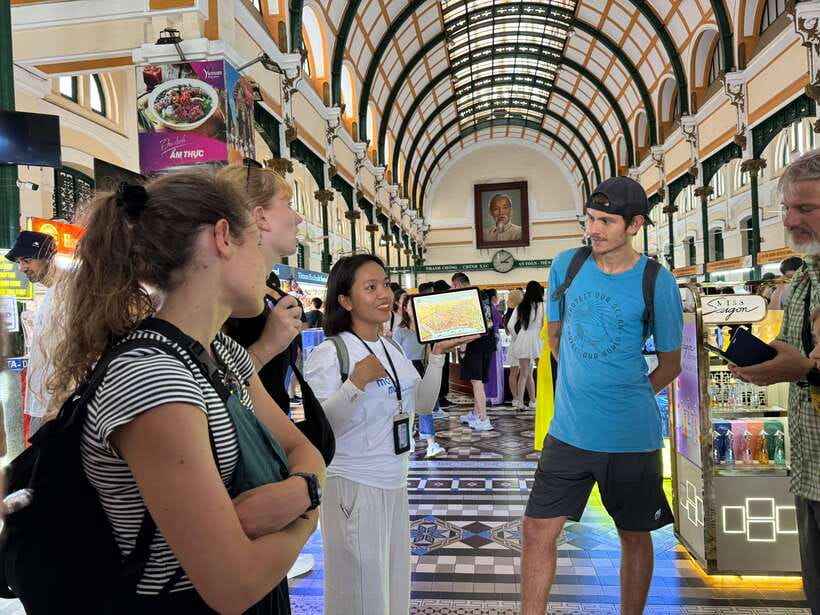
- Start at the right spot: meet at The Manufacturer Courtyard on Hai Ba Trung Street and look for the Momo guide with a blue paper fan.
- A history mix, not just photos: Opera House and city halls side-by-side with Cold War-era stops.
- A real coffee stop: you’ll get time for Cong Coffee, not just “take a photo and go.”
- Clear, practical pacing: short guided segments (often 10–25 minutes) keep you moving and focused.
- You get a PDF afterward: food, activities, and rooftop bars to help you plan your next day(s).
Why this Saigon walking tour is a smart first move
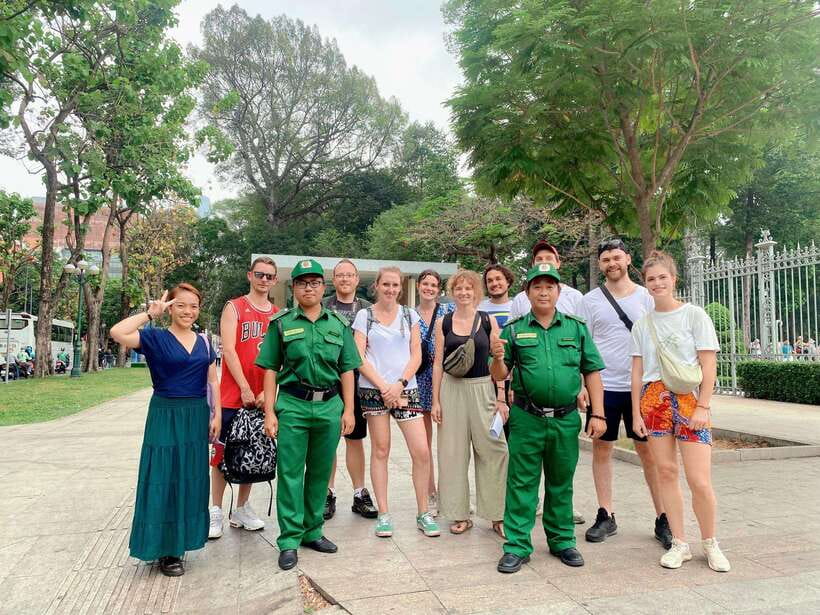
If it’s your first time in Ho Chi Minh City, you’ll feel the city in two layers at once: the grand, formal buildings—and the quick, everyday life between them. This walk is built to connect those layers. You’re not just checking off famous spots. You’re learning why Saigon looks the way it does, and what the symbols meant at different times.
The route stays mostly in the city center, which is a big deal. You get a lot done in a short window, and you’re not burning half your day on taxis. At the same time, the guide keeps it human—stories, local observations, and modern context. That’s why a lot of people walk away saying this was a highlight on their trip.
You can also read our reviews of more walking tours in Ho Chi Minh City


Starting at The Manufacturer Courtyard: a punchy opener
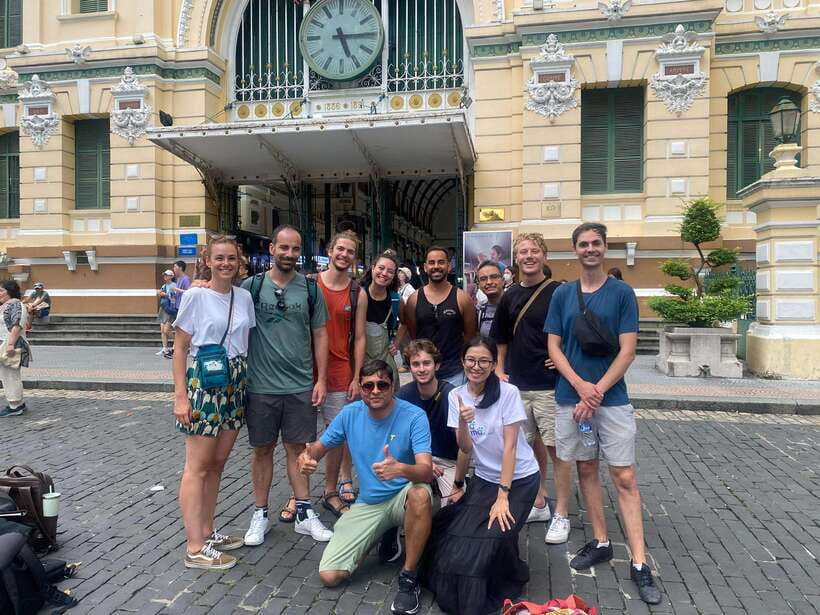
You begin in the yard of The Manufacturer Courtyard (74 Hai Ba Trung Street). It’s a good “wake-up” start, because the tour opens with the Former Manufacturer of Opium. That sets the tone fast: Saigon wasn’t built only on romance or architecture. It was shaped by trade, power, and the choices empires made.
Practical angle: starting here helps you mentally sort the city early. You’ll see later how different eras left their marks on institutions and public spaces—especially buildings tied to government, communication, and control.
Municipal Theatre: style plus social meaning
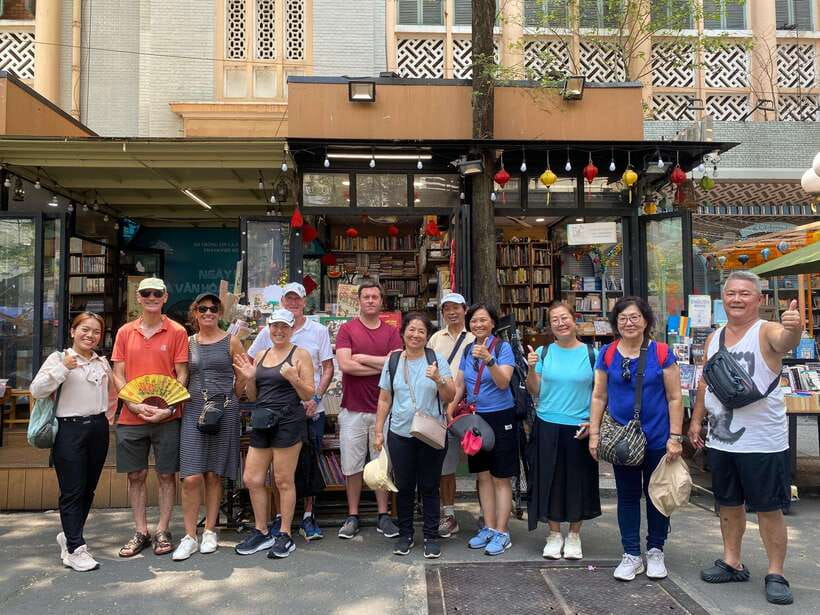
The Municipal Theatre stop gives you a chance to appreciate the look of the city—then connect it to life around it. Even if you don’t read every architectural detail, you’ll get the story behind what such an institution represented and how public spaces were used.
This is one of those segments where you’ll likely notice how the guide explains not only what happened, but also how people experienced it. That human context is what makes a walking tour feel less like a lecture.
Ho Chi Minh City Hall and the symbols people argue about
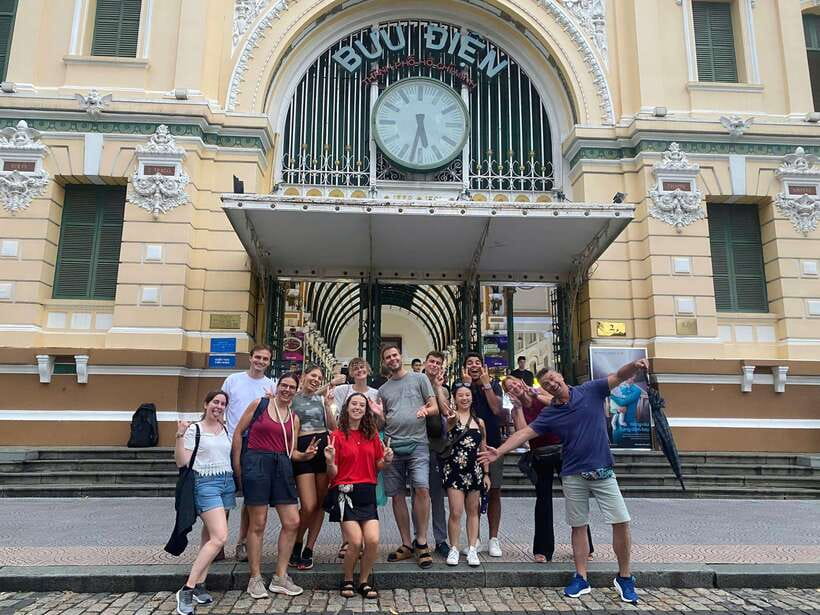
Next up is Ho Chi Minh City Hall. This is where Saigon’s “official” face shows. You’ll hear how the city’s identity shifted over time, and how public buildings become symbols people feel strongly about.
When a guide is good, they don’t just talk dates. They explain why symbols matter—why certain statues, institutions, and layouts make people react, remember, or resist. This stop is timed for a guided walkthrough, so it won’t eat your whole afternoon.
Ho Chi Minh Statue: reading the city through monuments
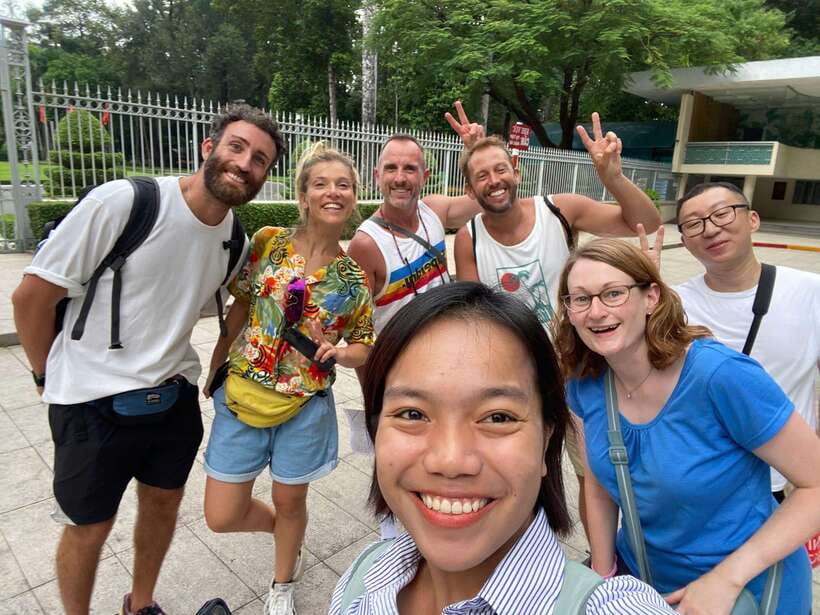
You also make a stop at the Ho Chi Minh Statue. In most cities, statues become photo backdrops. Here, it helps to see them as part of a bigger conversation about national identity and historical change.
What I like about including a statue stop on a walking tour is that you can’t fake the scale. Up close, you feel the presence. And the guide can explain what it has meant in different eras and how people interpret it now.

The Secret CIA Building and a hidden secret bunker
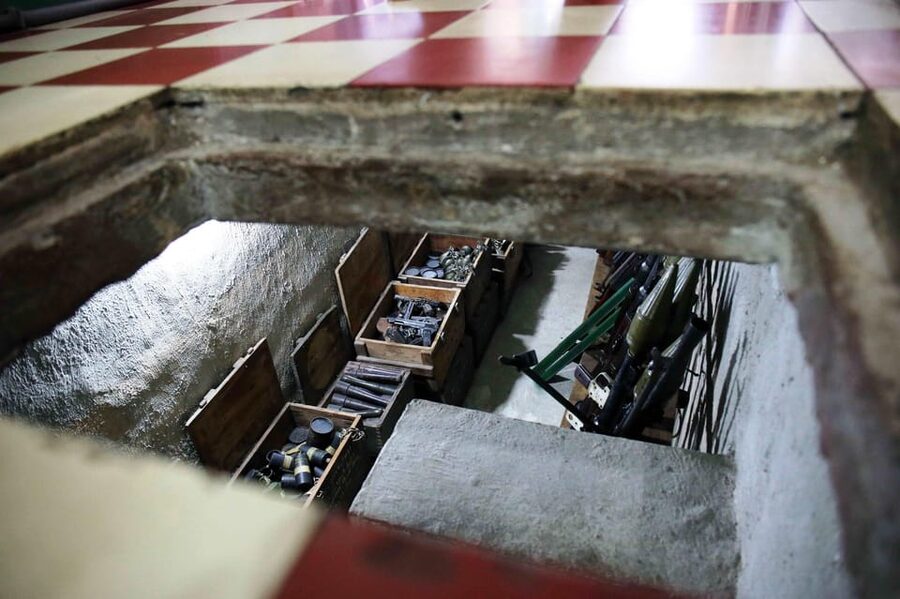
This is one of the most talked-about parts of the tour because it adds tension to the skyline. You’ll see the Secret CIA Building and hear stories connected to a hidden secret bunker.
Even if you’ve read a few things online, this kind of stop works because you’re watching the building and surroundings in real space. The “why this location” feeling clicks better when you’re standing there, listening to a local guide connect it to Saigon’s modern streets and routines.
Tip for your brain: don’t try to absorb everything at once. Let the guide’s story land, then move on. The next landmark will often echo the theme in a different way.
Cong Coffee: the break that makes the whole tour easier
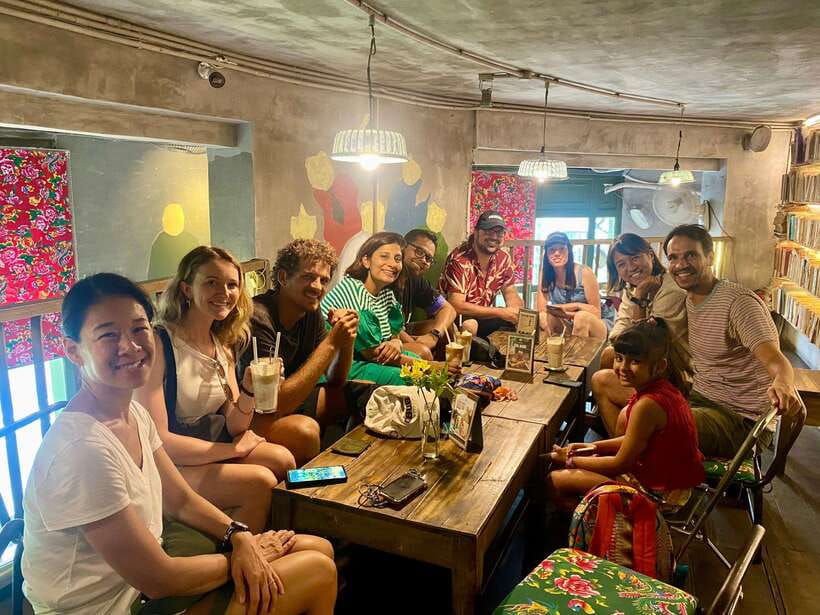
At some point mid-walk, you get a coffee stop at Cong Coffee. This matters more than it sounds. Ho Chi Minh City can be hot and humid, and a structured coffee pause helps you keep your energy for the indoor or shaded sections later.
This stop also fits the tour’s theme of Saigon beyond monuments. Coffee here is everyday life. It’s where locals slow down, talk, and watch the world move.
What to do: order something simple if you’re unsure. The point is to refresh, not to turn it into a restaurant review.
Saigon Central Post Office: architecture with a job to do
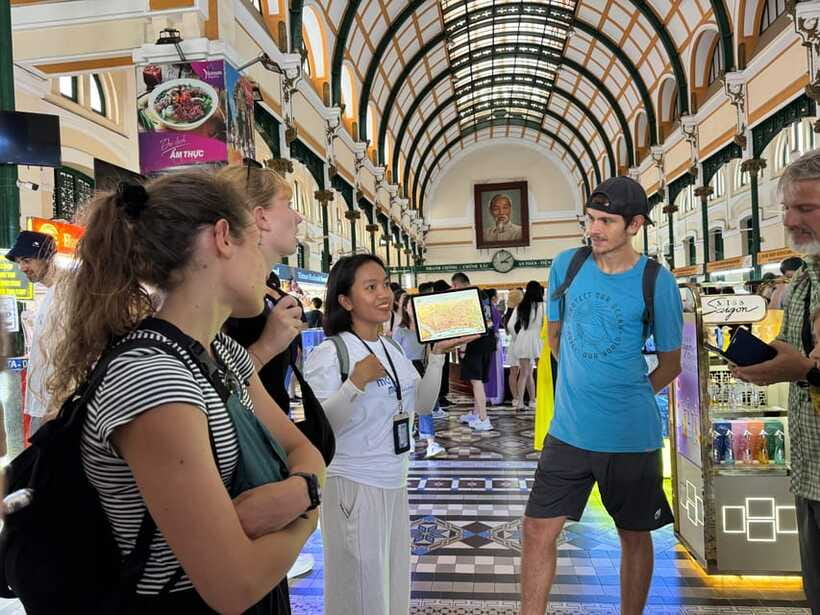
The Saigon Central Post Office is one of those buildings that feels both monumental and practical at the same time. You’re guided through it for a longer segment (around 25 minutes), which tells you the operator expects you to look and listen.
Here’s why this stop is worth your attention: communication is power. A post office is infrastructure, not just decoration. The guide helps you connect how official systems functioned and how public places worked during different periods.
If you like good photos, you’ll have plenty of angles. If you don’t care about photos, you still get value because the tour explains why this building is memorable in the first place.
Notre-Dame Cathedral: quick stop, heavy context
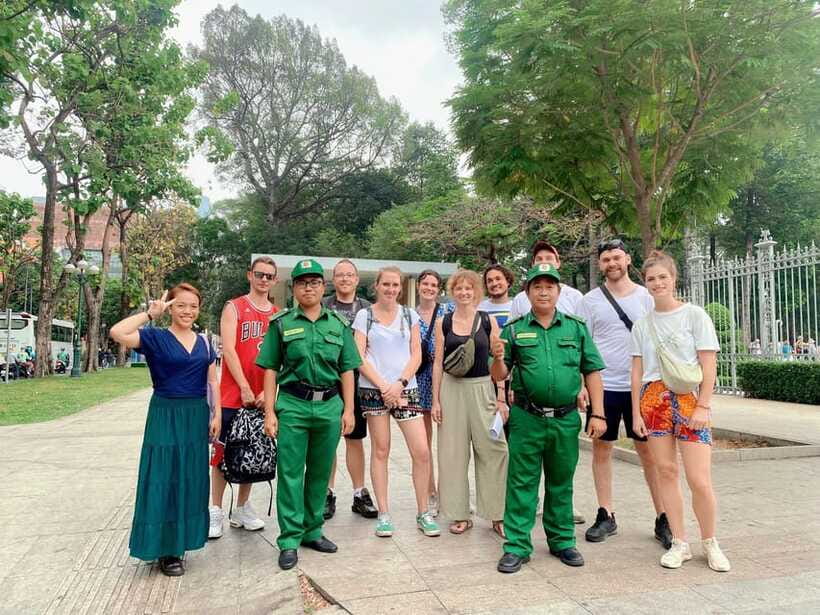
Next is Saigon Notre-Dame Cathedral. You’ll spend less time here (about 10 minutes), so it’s not a long “sit and study” experience. Instead, it’s a moment to see the structure and hear the context that makes it more than a photo.
This stop is a good reminder that Saigon’s history includes multiple cultural influences. The guide’s job is to keep it balanced: not just “look at the building,” but also why buildings like this appeared and what they meant for the people living around them.
Independence Palace (Dinh Độc Lập): the turning point you can walk through
The final big landmark is Independence Palace. You spend around 20 minutes in the guided portion, and the tour finishes back at Dinh Độc Lập.
Even if you know the famous outline from history books, seeing it in person changes the feeling. It’s easier to grasp how a single place can become a symbol for an entire era. And because this tour is a walking history, the guide can connect this moment to the earlier stops—government buildings, communication, monuments, and secret spaces.
This is usually where the tour clicks for people who came expecting only architecture. The guide’s modern commentary helps it feel relevant, not museum-dry.
The PDF you get after: how to use it without overplanning
The tour includes a PDF packed with local recommendations for food, activities, and rooftop bars. The best use of a guide’s PDF is simple: treat it as a menu, not a checklist.
When I travel, I like to pick:
- one food area to explore soon
- one activity that matches my energy level
- one rooftop plan for an evening
Because the tour route covers major District 1 sights, the recommendations in the PDF often help you stay close to where you already are. That’s practical. It reduces your time spent Googling and second-guessing.
Price, tipping, and value math that actually makes sense
The listed price is very low (about $3.21 per person), but this tour works on a tip basis. That means the real cost isn’t just what you pay to reserve—it’s what you choose to give your guide at the end.
The tour’s own tipping guide suggests:
- 230,000–250,000 VND per person for Nice
- 300,000–400,000 VND per person for Great
- more than 500,000 VND per person for Awesome
So, what’s the value? You’re paying for:
- a live English guide for about 2.5 hours
- multiple major landmarks plus the Secret CIA Building stop
- a coffee break
- the PDF recommendation guide afterward
If you’re comparing it to self-guided wandering, the math favors this tour. Saigon landmarks are spread out in a way that can feel confusing without context. A guide compresses history into a route you can actually follow, and you end with a plan for the rest of your days.
What it’s like with guides like Helen, Ha, Linh, and Kio
A strong walking tour depends on the guide’s ability to explain complex history in plain language and keep you engaged while moving. The guide names you’ll see in excellent feedback—like Helen, Ha, Linh, Kio, Khoi, Quynh, Uyen, Emma, and Quinn—share a theme: they make the material feel personal and clear.
What you can expect from a good session:
- stories that connect the past to present-day observations
- time for questions during the walk
- extra recommendations tied to the neighborhoods you’re seeing
- a friendly group vibe, not a stiff lecture
Some guides also use visuals on a tablet, which helps if your brain gets lost in names and dates. If you prefer learning through examples and stories, this format tends to work well.
Pacing, walking comfort, and rain-or-shine reality
This tour runs for 2.5 hours and operates rain or shine. That’s not just fine print. It affects your comfort and how much you can enjoy each stop.
Bring:
- comfortable shoes
- a hat
- an umbrella
- water
Also plan to dress for the weather fast. If you show up in sandals and it pours, you’ll spend your tour worrying about your feet instead of listening to stories.
The tour is wheelchair accessible, which is great news if mobility is a concern. And it’s live English, so you won’t need to rely on apps for key context.
Who this tour fits best
This is a strong choice if you want:
- an organized orientation to District 1
- history plus modern context
- a guided route that prevents decision fatigue
It may not be ideal if you’re traveling with kids under 12, since it’s not suitable for children under that age. It also isn’t set up for people over 95 years old.
For most adults, though, it’s a good “first contact” activity. It helps you understand what you’re looking at before you start wandering on your own.
Should you book this Ho Chi Minh City walking tour?
Yes, if you want a quick, high-value introduction to Saigon that mixes famous landmarks with the more surprising, darker corners of history. The coffee stop and the PDF afterward are practical bonuses, not fluff.
Book it early in your trip if possible. Knowing the layout and the stories makes the rest of your sightseeing smoother, and it helps you pick where to spend your limited time. And if you appreciate good guides—those who can turn big history into clear, human explanations—this one is a very safe bet for your first day.
FAQ
How long is the Ho Chi Minh City walking tour?
It lasts about 2.5 hours.
What language is the tour guide?
The tour is in English.
Is the tour price fixed, or do I need to tip?
The tour operates on a tip basis, so you pay what you feel is appropriate. A suggested tipping guide is provided in VND.
How much should I tip?
The guide suggests 230,000–250,000 VND per person for Nice, 300,000–400,000 VND per person for Great, or more than 500,000 VND per person for Awesome.
Where do I meet the guide?
Meet in the yard of The Manufacturer Courtyard at 74 Hai Ba Trung Street. Look for a Momo guide with a blue paper fan.
What stops are included on the tour?
Included stops are the Former Manufacturer of Opium, Saigon Opera House, Ho Chi Minh Statue, The Secret CIA Building, Cong Coffee, Saigon Central Post Office, Notre-Dame Cathedral, and Independence Palace.
What does the tour include besides the landmarks?
You’ll have a coffee stop at Cong Coffee and you’ll receive a PDF with local recommendations for food, activities, and rooftop bars.
Does the tour run in bad weather?
Yes. The tour operates rain or shine.
What should I bring for the walk?
Wear comfortable shoes and bring a hat, umbrella, and water.
Who isn’t this tour suitable for?
It’s not suitable for children under 12, and it’s not suitable for people over 95 years old.