REVIEW · GRANADA
Granada: Historic Center and Lower Albaicin Walking Tour
Book on GetYourGuide →Operated by TABLAO FLAMENCO LA ALBOREA · Bookable on GetYourGuide
Granada’s old streets explain everything. This 2.5-hour walking tour links Granada’s Christian monuments to its Islamic past, while you move through the historic center and into the lower Albaicín for classic photo angles of the Alhambra.
I really like the way the route is built around major landmarks with clear stop-and-story moments, not random wandering. I also love the Alhambra viewpoint stop from the lower Albaicín, because it gives you big views without waiting in the main Alhambra crowds. One drawback: it’s not ideal for anyone with mobility issues, and even for healthy walkers the Albaicín streets can feel like a climb on a warm day.
In This Review
- Key points
- Granada in 2.5 Hours: What You Actually Get
- Where the Walk Starts: Isabel La Católica and Cristóbal Colón
- Historic Center Stops You’ll Remember: From Markets to Royal Courts
- Corral del Carbón and the idea of Granada as a trading hub
- Alcaicería and the market-city feel
- Plaza Bib Rambla and the Giants Fountain
- Church of Saint Ana and the layers of power
- Royal High Court, Royal Chancillería, and Royal Jail
- Madraza, Cathedral Area, and Islamic-Era Learning
- Entering the Lower Albaicín: Moorish-Era Streets and Real Atmosphere
- The Alhambra Viewpoint: Best Photos Without the Pressure
- Guides Who Turn Stops Into Stories (and Give You a Next Plan)
- Price and Value: Is $16 a Good Deal for 2.5 Hours?
- Who This Tour Suits Best
- Should You Book This Granada Historic Center and Lower Albaicín Tour?
- FAQ
- How long is the Granada Historic Center and Lower Albaicín walking tour?
- Where do I meet the guide?
- What languages are available for the tour?
- Do I need to pay upfront, and can I cancel?
- What should I wear or bring?
- Is the tour suitable for people with mobility impairments?
Key points
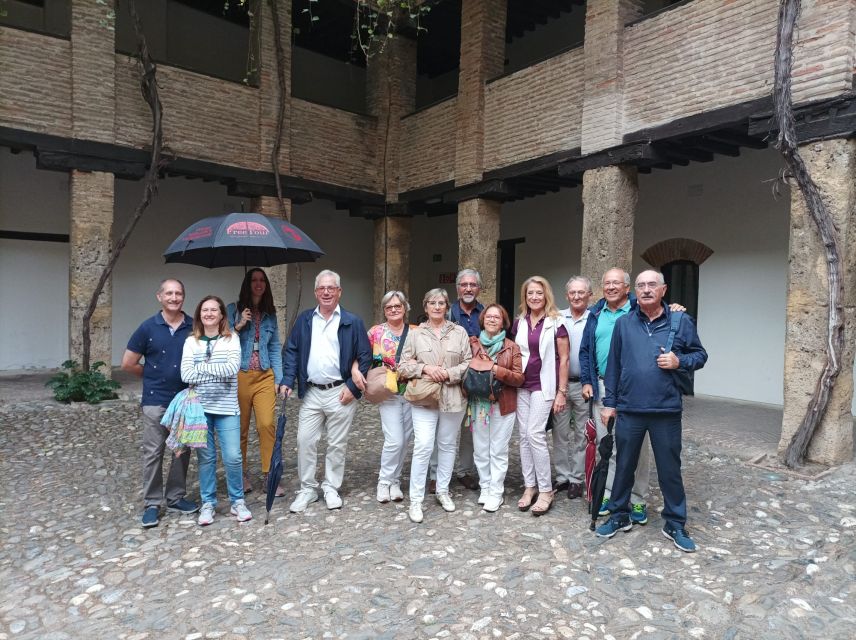
- Meeting at Isabel La Católica and Cristóbal Colón: easy central start, right in the action
- Historic center highlights: Corral del Carbón, Alcaicería, Plaza Bib Rambla, cathedral area, and royal justice buildings
- Lower Albaicín streets: narrow lanes that match the Moorish-era feel you came to see
- The Alhambra viewpoint: a perfect break for photos and perspective
- Guides who teach while they walk: strong storytelling, plus practical follow-up suggestions
Granada in 2.5 Hours: What You Actually Get
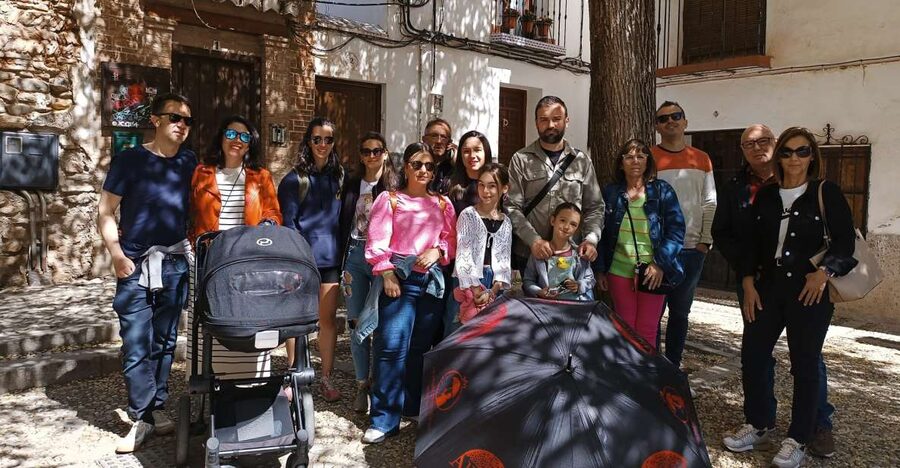
This tour is a smart first-night or first-day move if you want to understand Granada fast. In a little over two hours, you cover the historic center’s key sites and then step into the lower Albaicín, where the streets tighten up and the city starts to feel like a living maze.
The best part is how the guide connects buildings to the bigger story. Granada’s history isn’t presented as dates stuck in a textbook. You’re shown how different eras shaped the same streets—especially the Islamic period and the later Christian rule after the Reconquista, which ended in Granada in 1492.
If your goal is orientation plus highlights, this hits the sweet spot. You’ll see enough important sights to build a mental map, and you’ll learn what to come back for later.
You can also read our reviews of more walking tours in Granada



Where the Walk Starts: Isabel La Católica and Cristóbal Colón
You meet your guide in the heart of Granada, in front of the monument to Isabel La Católica and Cristóbal Colón. That matters more than it sounds. The center is walkable but confusing, and starting at a clear landmark means you waste less time figuring things out.
The tour quickly gets going with context about Granada’s turning points—how the city became a crossroads of cultures and what changed after 1492. This early framing helps every later stop click into place. You’re not just looking at old stone; you’re learning what that stone was used for.
From here, you’ll move at an easy walking pace between stops, with the guide adjusting as needed. Some guides are especially good at pacing and breaks, which becomes important once you head into the Albaicín.
Historic Center Stops You’ll Remember: From Markets to Royal Courts
The historic center segment is where you get your biggest “wow, I know this place” moments. You’ll pass or visit sites that explain how Granada worked—economy, religion, learning, and government.
Here are the standout stops you should picture in your head as you follow along:
Corral del Carbón and the idea of Granada as a trading hub
Corral del Carbón is one of those places that makes you slow down. It’s tied to the city’s commercial past, and your guide’s job is to connect its purpose to the wider system of markets and trade.
If you’re the type who likes to know what people did day to day, this stop lands well. It’s not just decorative history. It’s practical: a building with a job.
Alcaicería and the market-city feel
Next comes the Alcaicería, known for being associated with Granada’s textile and trading world. Even if you don’t remember the details later, you’ll remember the vibe: a place built for movement, goods, and bargaining.
This is also a great reminder that Islamic-era Granada wasn’t only about palaces. It was about cities running at full speed.





Plaza Bib Rambla and the Giants Fountain
Plaza Bib Rambla is a central stage in Granada’s everyday life, and the guide brings it to life with stories of what the square meant historically. You’ll see features like the Giants Fountain, which helps break up the walking with something visual and memorable.
For photos, squares like this are ideal because they give you space and clean sightlines after tight streets.
Church of Saint Ana and the layers of power
You’ll also see the Church of Saint Ana, which fits into the wider theme of how Granada shifted after Christian rule took hold. The guide’s framing helps you see the city as layered, not erased.
That’s the key: you’re watching the same space change roles across centuries.
Royal High Court, Royal Chancillería, and Royal Jail
One of the strongest parts of the route is the stop sequence around royal justice and law. You’ll learn about the Royal High Court, the Royal Chancillería, and the Royal Jail.
These aren’t the typical tourist-only monuments. They explain how the city stayed important politically and legally. It’s the “how the system worked” side of Granada, which gives the whole trip more weight than a checklist.
Madraza, Cathedral Area, and Islamic-Era Learning
As you keep moving through the historic center, you’ll reach the Madraza and then the Cathedral area. This is the learning-and-faith chapter of the walk.
The Madraza is tied to education, and the guide’s explanations help you understand why Granada valued scholarship and training, not only art and architecture. You start noticing design choices that signal purpose: spaces built for teaching, not just visiting.
Then the Cathedral and surrounding structures show the later Christian-era presence. The contrast is striking, and the guide’s storytelling makes it more than just “old vs. new.” You’ll come away with a clearer sense of how Granada’s multicultural identity shaped daily life over time.
This section is especially good for people who like architecture, but it still works for non-nerds. Your guide keeps it human and connected to what these places were meant to do.
Entering the Lower Albaicín: Moorish-Era Streets and Real Atmosphere
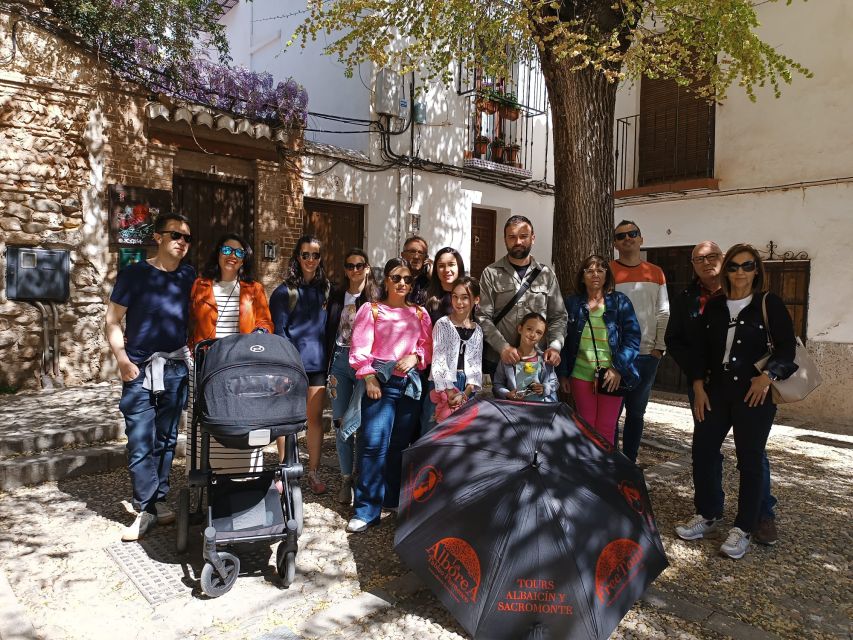
After the historic center, the feel changes. The lower Albaicín is where Granada starts to look like what people imagine: tight streets, white walls, corners that turn into sudden views.
This is the portion that most directly supports the tour’s theme of Moorish memory. You’re walking through a neighborhood shaped by centuries of living, not a museum set. The guide points out details that help you read the street pattern and architecture as clues.
The biggest practical note: this is where the walking can feel harder. Reviews include mentions of guests who had trouble keeping up during the Albaicín climb. So even if you’re generally fine, bring realistic expectations. Think comfortable shoes and an extra cushion for stamina.
Also, if your Spanish is basic, don’t worry. The tour runs in English and Spanish, and guides like Pablo and Jaime are praised for being engaging and responsive. One review did mention that a guide’s English accent could be tough to follow at times, so if you’re sensitive to audio clarity, it’s worth factoring that in.
The Alhambra Viewpoint: Best Photos Without the Pressure
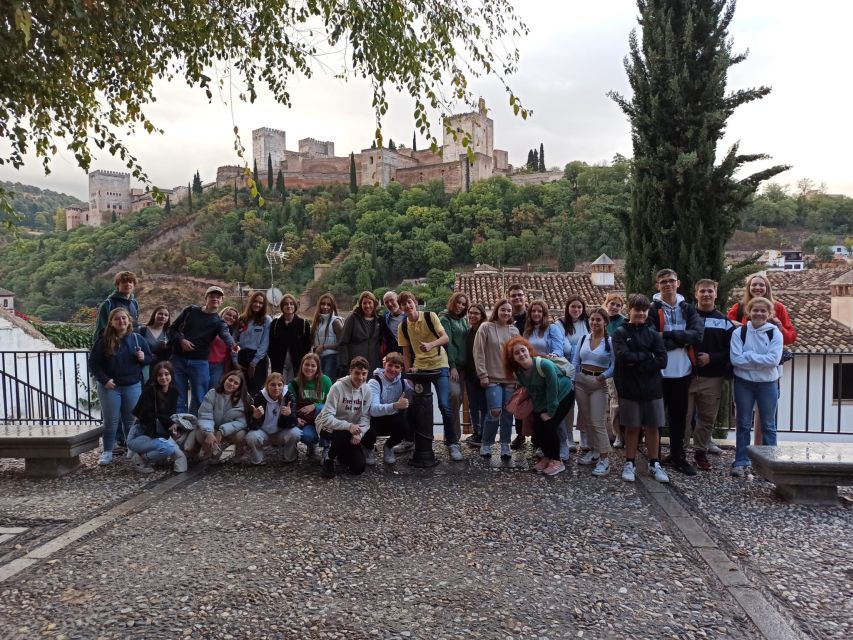
The tour ends (or near-ends) with a major payoff: a stop at a viewpoint of the Alhambra from the lower Albaicín. This is a classic “you’re finally seeing it from the right angle” moment.
Why it works: you don’t just get a distant postcard view. You get perspective that helps you understand the Alhambra’s position relative to the city. It also gives you an easy photo break right when you’re mentally warmed up from the historic storytelling.
If you’re trying to decide whether you’ll return for the Alhambra itself, this viewpoint is one of the best ways to make that call. You’ll see the scale, the color, and the relationship to the hills.
Guides Who Turn Stops Into Stories (and Give You a Next Plan)
The quality of this tour rises and falls with the guide, and the reviews are unusually consistent about one thing: many guides do more than recite facts. They tell stories in a way that keeps you walking.
Guides named in reviews include Pablo, Jaime, Anna, Emilio, Rocio, and Irene. Across these experiences, the common praise points are:
- guides who are friendly and entertaining while staying factual
- guides who answer questions and provide extra context beyond the core route
- guides who help you follow up on your own after the tour (like where to eat or what else is worth seeing)
One review even mentions a peaceful interlude explaining flamenco, which fits Granada perfectly. Even when the tour is mainly historic, that kind of cultural add-on helps you feel the city, not just understand it.
If you’re doing Granada in a short window, this is valuable. A guide can point you toward the best next steps so you don’t waste time later.
Price and Value: Is $16 a Good Deal for 2.5 Hours?
For around $16 per person and about 2.5 hours, this tour is strong value if you’re the kind of traveler who wants structure. You’re not paying for a single monument. You’re paying for guided routing plus historical connections across multiple sites.
You cover a lot of “big name” Granada in one session: Corral del Carbón, the Alcaicería, major central squares, Madraza, the cathedral area, royal justice buildings, and then the Albaicín streets with the Alhambra viewpoint.
Also, the guides add practical value. Many guests highlight organization and clear stop planning, including comfort breaks on busy days. If you’re visiting in peak season, having a guide help you manage the flow of sights is a real time saver.
So yes, $16 can feel like a bargain. The only “cost” is physical effort in the Albaicín and the need for comfortable walking.
Who This Tour Suits Best
This is a good match for:
- first-time Granada visitors who want orientation plus highlights
- people who like history explained in plain language, tied to buildings
- travelers who plan to come back later for the Alhambra or specific neighborhoods
It’s not a great match for:
- anyone with mobility impairments (it’s not set up for that)
- travelers with limited walking stamina, especially because the lower Albaicín area involves uphill-feeling street segments
If you’re going with kids, the tour can still work, but bring patience. The tour is built on walking and interpretation, so short attention spans may need breaks.
Should You Book This Granada Historic Center and Lower Albaicín Tour?
I’d book it if you want to understand Granada quickly and you’re comfortable walking for about 2.5 hours. The pricing is reasonable, and the tour gives you the two things that most help during a first visit: a clear historic thread through major monuments and a strong Alhambra viewpoint from the lower Albaicín.
I’d think twice if you’re struggling with stairs or long inclines. The route includes the Albaicín, and that can be the make-or-break part of the day.
If you’re flexible, this is the kind of tour that makes the rest of your trip easier. You’ll leave with a mental map, better photo angles, and a short list of places to explore more deeply on your own time.
FAQ
How long is the Granada Historic Center and Lower Albaicín walking tour?
It lasts about 2.5 hours.
Where do I meet the guide?
Meet the guide in front of the monument of Isabel La Católica and Cristóbal Colón.
What languages are available for the tour?
The tour is offered in Spanish and English.
Do I need to pay upfront, and can I cancel?
There is free cancellation up to 24 hours in advance for a full refund, and you can reserve now and pay later.
What should I wear or bring?
Wear comfortable shoes.
Is the tour suitable for people with mobility impairments?
No. It is not suitable for people with mobility impairments.