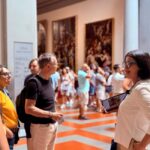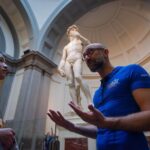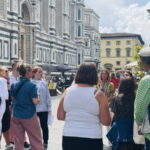
Florence clicks fast on this walk. This private guided route strings together the city’s biggest monuments with the streets between them, so you get context instead of just snapshots.
I love how the itinerary connects major squares and palaces in a logical loop, which makes Florence feel readable fast. I also love the Duomo-focused finish, where your guide points out the architecture you’ll want to look for later.
One catch: the stops are exteriors only, and the cathedral has rules (shorts or a sleeveless top won’t work if you try to enter parts of it).
In This Review
- Key highlights I’d bet on
- How this 2-hour private walk makes Florence feel navigable
- Starting at Piazza San Firenze: the power zone that frames the day
- Santa Croce and its legacy: why this church matters beyond postcards
- Piazza Signoria and Neptune’s Fountain: sculpture, politics, and quick photos
- Palazzo Vecchio and the Medici angle: reading Florence’s “boss level” architecture
- The Arno crossing: Ponte Vecchio on foot (and why it’s more than jewelry shops)
- Pitti Palace and the “other side of power” feel: Medici life across the river
- Via de’ Tornabuoni and Strozzi Palace: Renaissance style meets modern shopping streets
- Piazza della Repubblica and the Duomo complex: what the outside view teaches you
- What to watch for: pace, audio, and the occasional sweet bonus
- Who this private Florence walk is best for
- Final verdict: should you book this Florence private walk?
- FAQ
- How long is the private walking tour of Florence?
- Is this tour private?
- What languages are the live guides?
- Where does the tour meet?
- Can I enter the monuments during the tour?
- Are there any dress rules for the cathedral?
- Is it wheelchair accessible?
Key highlights I’d bet on
- A private walking pace for questions, photo stops, and slower turns when needed
- UNESCO-scale monuments, explained without needing museum passes
- Ponte Vecchio plus the Medici-side power shift across the Arno
- Neptune’s Fountain and Piazza Signoria for iconic sculpture in a real plaza setting
- Via de’ Tornabuoni fashion streets and a stop at Strozzi Palace to show Renaissance style
- Smart first-day logistics: you learn where things are before you commit to longer visits
How this 2-hour private walk makes Florence feel navigable
Florence can overwhelm you in ten minutes. Too many domes, too many bridges, too many “we should have booked that” moments. This tour is built to give you orientation on day one (or day two), using a guided loop that hits the core landmarks and the neighborhoods that explain them.
It’s also private, which matters more than people think. You can ask follow-up questions, slow down when something catches your eye, and avoid the awkward shuffle of matching someone else’s pace. In feedback, guides are singled out for clear communication and for keeping conversations going with kids and adults alike, not just reciting dates.
The timing is tight but not rushed. Most stops get around ten minutes of guidance, plus a short photo moment at Neptune’s Fountain, so you get a sense of what’s important and why.
You can also read our reviews of more walking tours in Florence
Starting at Piazza San Firenze: the power zone that frames the day
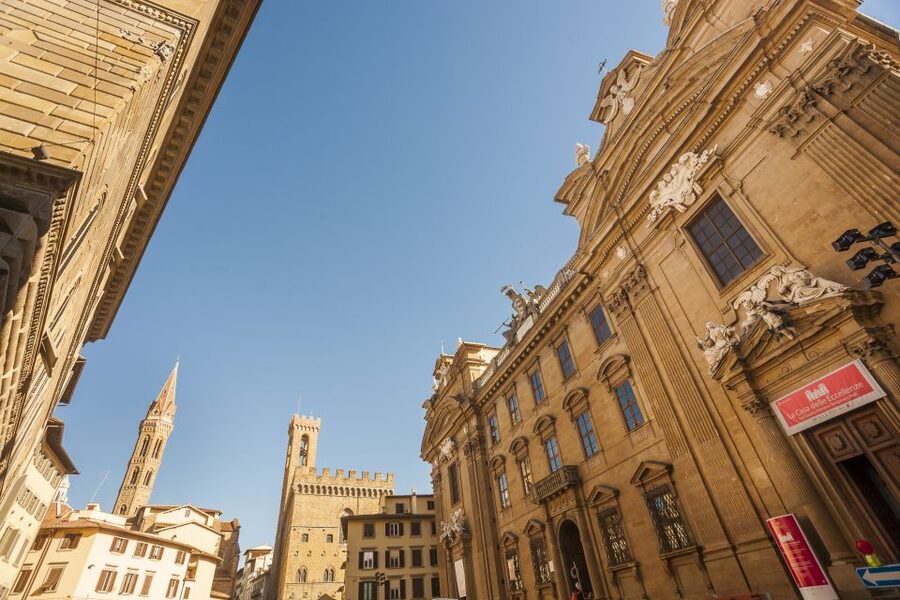
The walk begins at the Piazza San Firenze area, tied to landmarks like the Bargello and the Tribunale Fiorentino. Even if you’re not going inside, it sets the tone: this part of Florence is about civic identity and authority—who ruled, where decisions happened, and how the city arranged itself around power.
This first segment is valuable because it teaches you how to read Florence’s layout. The guide’s explanations help you understand why these squares and institutions sit where they do, and how later sites (Medici palaces, church façades, major bridges) fit into that bigger picture.
If you’re planning outfits and shoes: wear something comfortable. The route is walk-heavy, and the historic center has narrow, busy streets. One reason this tour earns repeat praise is that the guide keeps the group together even when streets get tight.
Santa Croce and its legacy: why this church matters beyond postcards
Next comes the Basilica of Santa Croce. The focus here is on what you can see from outside, with the guide using the façade and surrounding setting to connect Florence’s religious life with its arts world.
Santa Croce is often treated like a must-see icon, but the real value is the context your guide adds—how Florence’s cultural and political identity tangled together over centuries. Even if you’ve already seen pictures of the church, you’ll likely leave knowing what details to notice when you look at it again later.
Practical note: you’re not there for a long sit-down. It’s a guided orientation stop, designed to set up the rest of the walk.
Piazza Signoria and Neptune’s Fountain: sculpture, politics, and quick photos
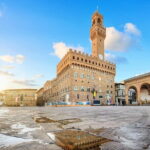
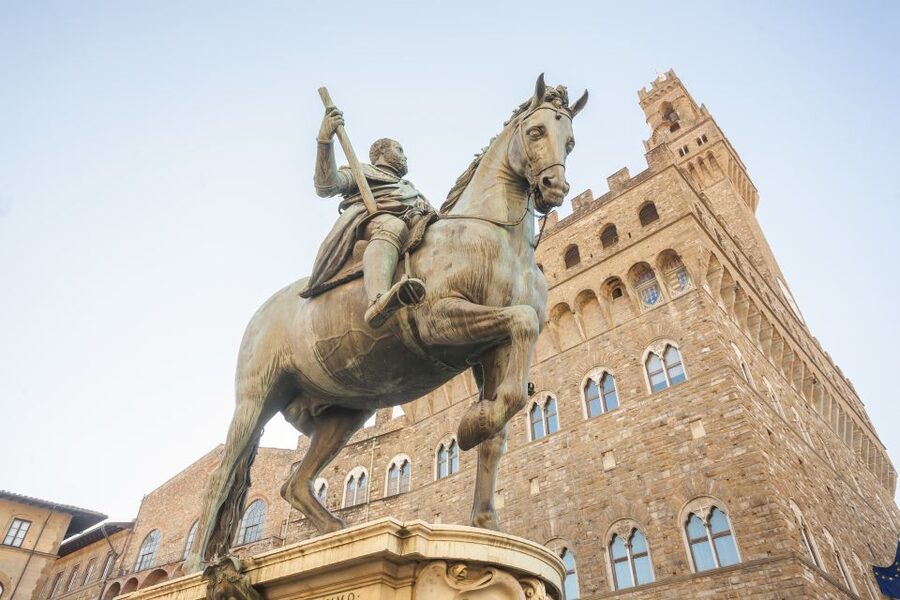
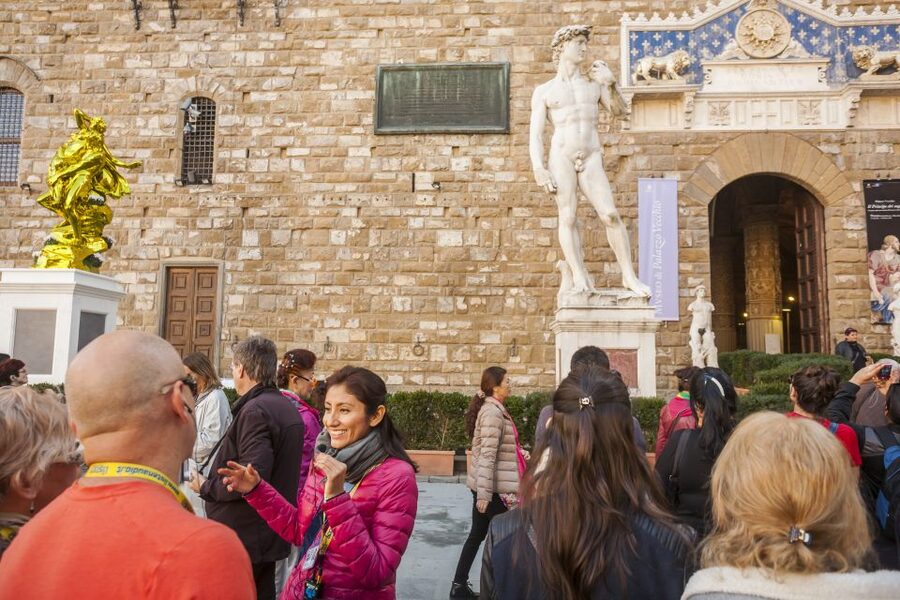
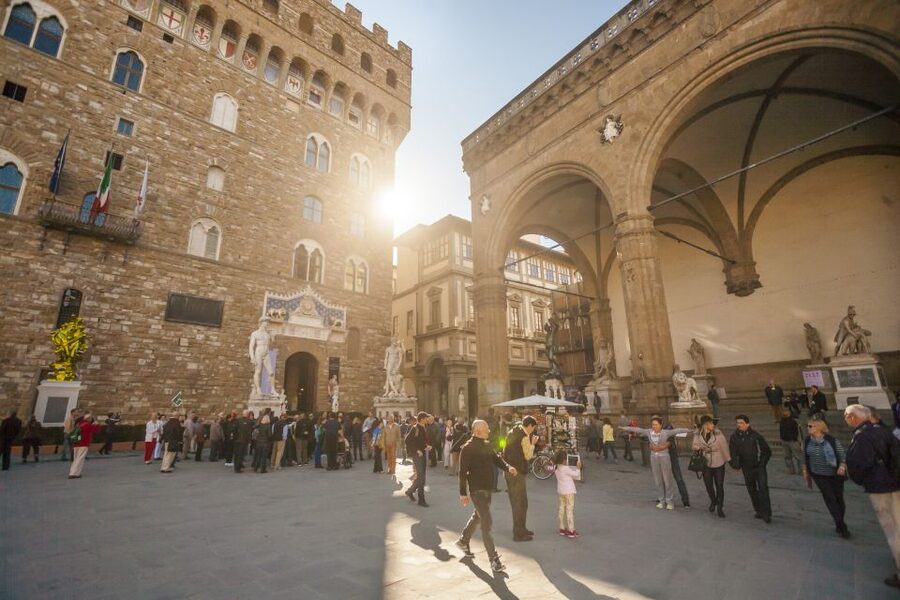
Then you reach Piazza della Signoria, one of the most visually dense spaces in Florence. You’ll see highlights your brain already recognizes—especially Neptune’s Fountain—and you’ll also get help understanding what you’re looking at in the plaza’s political ecosystem.
This stop is a great example of why a live guide beats aimless wandering. It’s not just a nice square; it’s a stage. Your guide points out how public art and civic spaces supported the city’s image and ambitions.
There’s also a dedicated photo stop at Neptune’s Fountain (about five minutes). It’s short on purpose. The tour keeps you moving so you don’t end up spending half your day parked in one place.
Palazzo Vecchio and the Medici angle: reading Florence’s “boss level” architecture
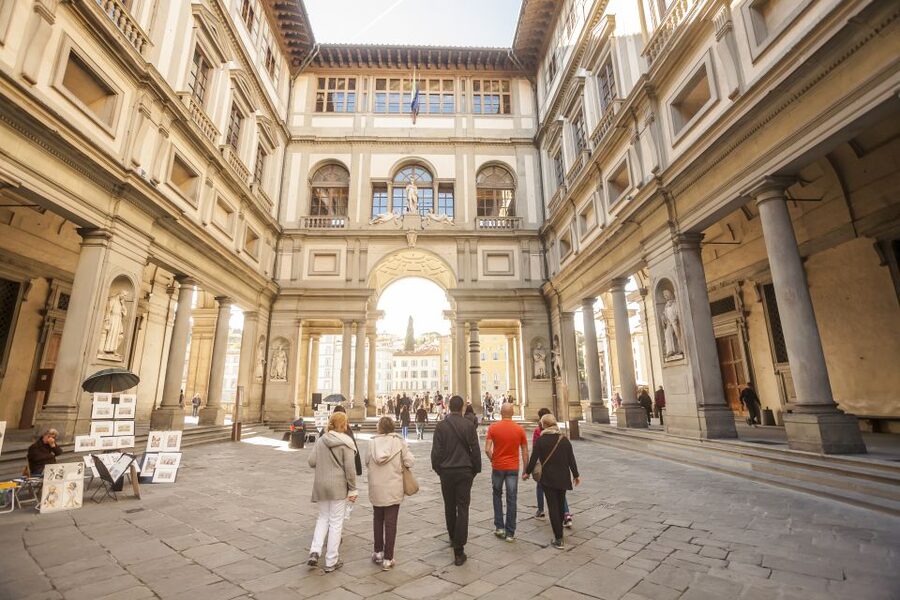
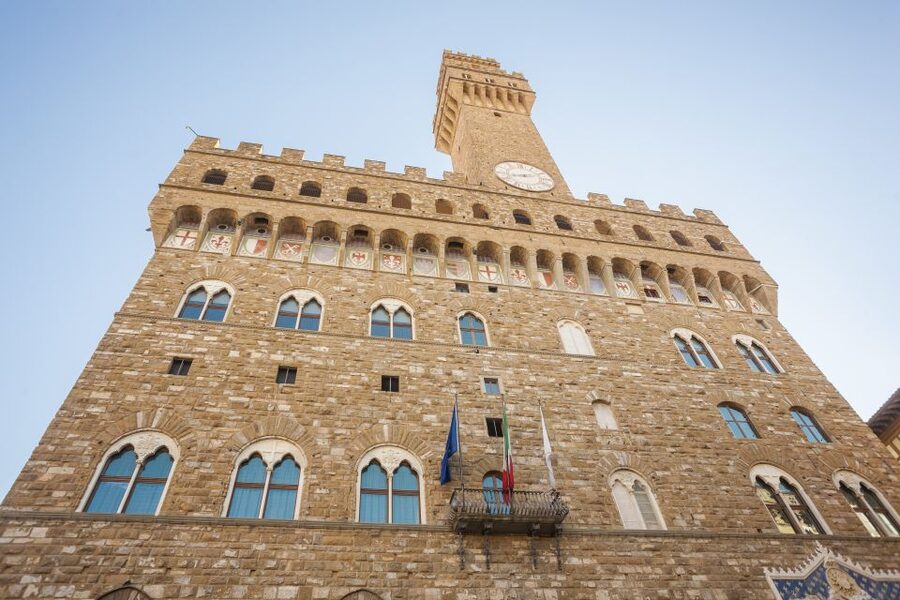
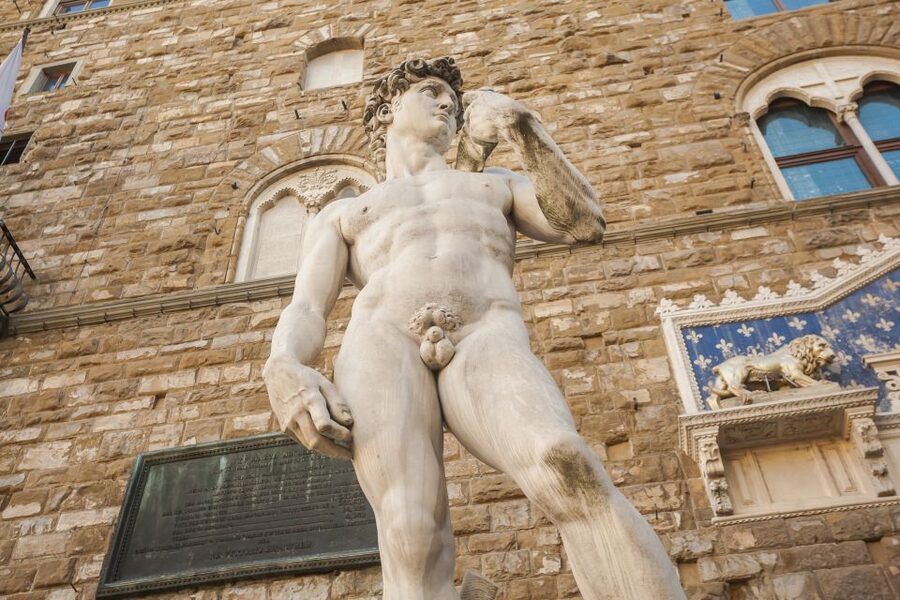
From Piazza Signoria, the route ties into Palazzo Vecchio and the Medici story that runs through so much of Florence. Even without entering, you get a sense of the building’s weight—how Renaissance power wanted to look permanent, firm, and impossible to ignore.
This is where the best guides shine in the feedback: they don’t only name the building. They explain how the city’s leadership shaped the arts and public life you see all day. Several guide names come up repeatedly in the reviews—people like Giacomo, Marco, and Giulio are credited with making complicated Florence feel accessible and easy to follow.
If you like asking questions, this is a good window for it. You’re at the kind of place where small details can lead to big explanations: symbolism, patronage, civic identity.
You can also read our reviews of more private tours in Florence


The Arno crossing: Ponte Vecchio on foot (and why it’s more than jewelry shops)
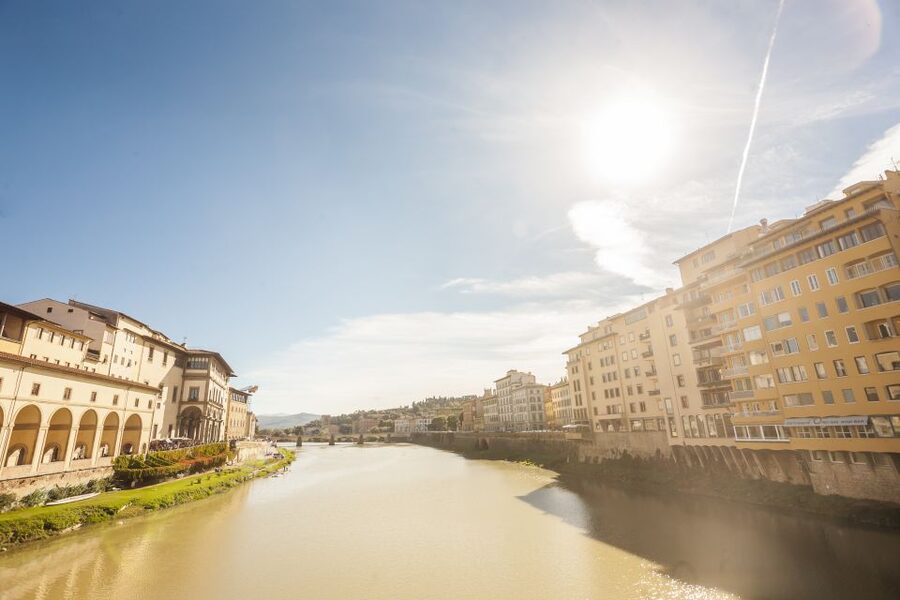
Next is Ponte Vecchio, the medieval bridge famous for its shops. You’ll get a guided look at the bridge’s setting and its role in the city’s economy and identity—then you’ll walk across.
Yes, you’ll see the storefront energy and the river views. But the tour’s value is that it frames why this bridge is still such a focal point: it’s where geography, commerce, and tradition overlap.
A short walking bridge section can be a good reset too. You’ll be heading toward the palaces on the other side, and you’ll want that change of perspective.
Pitti Palace and the “other side of power” feel: Medici life across the river
After crossing, the tour focuses on Pitti Palace—former residence of the Medici family. Even from the outside, you can understand the contrast with earlier political sites: this is about domestic rule, status, and the display of wealth.
This is a smart pivot moment in the itinerary. If your brain connects Florence as only temples and towers, the Pitti stop corrects that. It reminds you Florence’s artistic output was also funded and shaped by people living, hosting, collecting, and making decisions here.
You’ll also pass areas connected to Ponte Santa Trinita and streets that keep the walk interesting rather than turning it into a straight line of monuments.
Via de’ Tornabuoni and Strozzi Palace: Renaissance style meets modern shopping streets
Back toward the historic center, the route includes Via de’ Tornabuoni, known for fashion boutiques. This isn’t random shopping time. It’s a contrast lesson: Florence didn’t stop being fashionable or influential just because Renaissance palaces sit nearby.
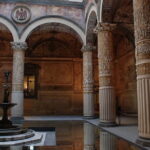
Then comes a stop at Strozzi Palace. Even without going in, it’s the kind of building that helps you notice how Renaissance architecture signals taste and power—proportion, façade design, and the way the building holds its place on a street.
This segment is where the “hidden gems” idea makes the most sense—though the tour is really about lesser-noticed connections, not secret doors. You start seeing Florence as a web: art patrons, merchant streets, grand residences, and public squares all part of one system.
Piazza della Repubblica and the Duomo complex: what the outside view teaches you
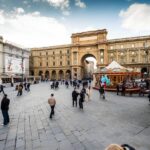
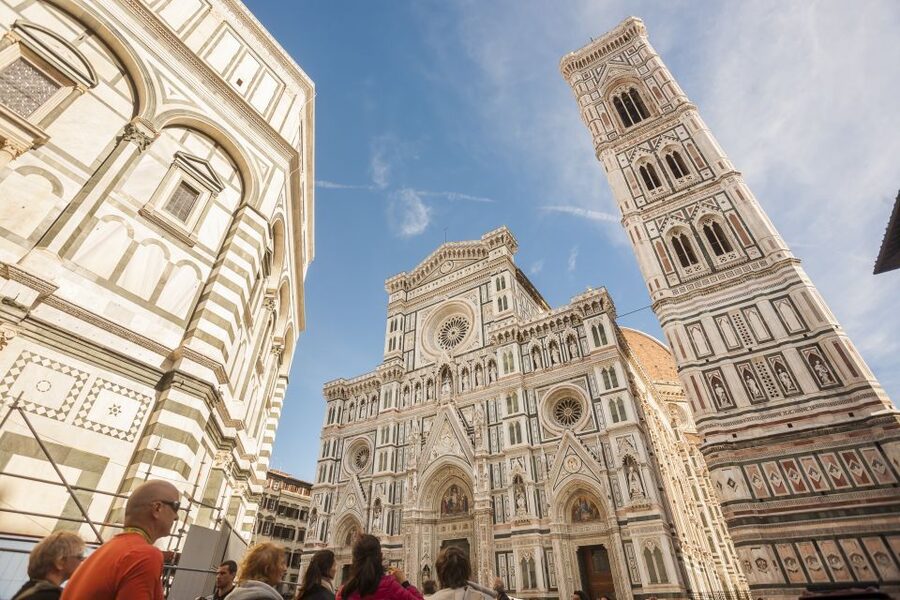
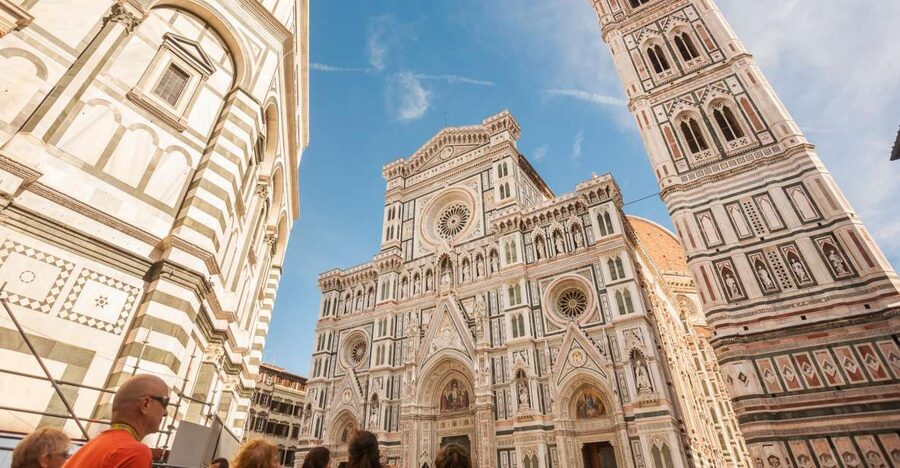
The tour finishes in Piazza della Repubblica, then moves to the Florence Duomo complex. Expect a guided exterior look at the cathedral area, with the guide highlighting details you’ll recognize later when you’re planning your own time.
This ending is useful because the Duomo can feel overwhelming if you’ve only seen it from one angle. From outside, the guide helps you learn what to look for: façade rhythm, architectural layering, and how the space around it frames the cathedral visually.
Important dress note: it’s prohibited to enter the cathedral in shorts or a sleeveless top. Even though this tour is exteriors-only, you may still want to enter nearby areas during your free time. Plan your outfit accordingly so you don’t get blocked at the last minute.
What to watch for: pace, audio, and the occasional sweet bonus
This tour is paced for two hours on foot, so you won’t get museum-depth attention. That’s the trade. You’re buying orientation and context, not full interior access.
One specific consideration shows up in feedback: the guide’s audio equipment can sometimes pick up surrounding noise, making parts harder to follow in loud areas. If you’re sensitive to audio issues, it’s smart to bring patience and keep a close eye on the guide’s face and gestures too.
Then there’s the sweet ending theme. Several bookings mention gelato or a café-style finish, and some guides hand out vouchers for it. That’s a nice perk, but it can change over time—one account notes a voucher issue when an establishment no longer accepted it. If you get vouchers during your tour, use them promptly and be ready with a backup plan for dessert.
Who this private Florence walk is best for
This is ideal when you want your first impression to be practical and useful:
- First-time visitors who want a map in human form
- People who like architecture, civic spaces, and how art and politics connect
- Families who benefit from a guide who can keep explanations moving at kid-friendly speed
- Travelers who don’t want to lose half a day in ticket lines for multiple sites
If you’re craving long museum time, inside visits, or deep-ticket experiences, this isn’t the right “main event.” Think of it as the foundation tour that tells you where to go next and what to pay attention to.
Final verdict: should you book this Florence private walk?
I’d book it if your goal is clarity. In two hours you’ll get a guided route that covers the Duomo area, Piazza Signoria, Ponte Vecchio, and the Medici-linked palaces—then ties them together with the streets in between, including Via de’ Tornabuoni and Strozzi Palace.
Skip it (or pair it with other plans) if you want guaranteed interior access, because the monuments visit is exteriors only. Also plan around the cathedral dress rule, and wear shoes that can handle a busy historic-center walk.
If you’re the type who likes to ask why things look the way they do, this private format is a strong match. You’ll leave with a route you can repeat on your own—and with a checklist of what’s worth returning to for longer time.
FAQ
How long is the private walking tour of Florence?
The tour runs for 2 hours.
Is this tour private?
Yes. It’s listed as a private group experience.
What languages are the live guides?
The tour offers live guidance in English and Italian.
Where does the tour meet?
The meeting point is Door number 8 – Accord Tours (with the provided coordinates). The operator also lists starting location options that include Piazza di Madonna degli Aldobrandini.
Can I enter the monuments during the tour?
No. The visit to the mentioned monuments is exteriors only.
Are there any dress rules for the cathedral?
Yes. It’s prohibited to enter the cathedral in shorts or a sleeveless top.
Is it wheelchair accessible?
It’s listed as wheelchair accessible, but it’s also noted as not suitable for people with mobility impairments. If this affects you, it’s worth confirming your needs before booking.