REVIEW · MELBOURNE
Fitzroy True Crime Walking Tour
Book on Viator →Operated by Melbourne Historical Crime Tours · Bookable on Viator
Fitzroy has a dark side most people miss. This 2-hour walk turns old lane ways and buildings into a true-crime timeline led by local author and historian Michael Shelford. You’ll get real case details plus a photo booklet that makes the past feel specific, not vague.
What I like most is how the tour stays focused on a tight area, so you’re not bouncing around town. I also like the way Michael’s storytelling connects street corners to names you’ve heard, like Squizzy Taylor, while pointing out places such as one-time brothel areas and gang hot spots. The one possible drawback: if you want a gentle, kid-safe history outing with zero grit, the theme is still crimes and criminals, so you should judge it based on your comfort level.
Plan for a pleasant walk with short, steady pacing. It’s also guided by a historian who can answer follow-up questions without losing the thread. If the weather turns, you may need to reschedule, since the tour depends on good conditions.
In This Review
- Quick takes before you go
- Fitzroy True Crime Walking Tour: what you’re really buying
- Where the tour starts and finishes (and how to get oriented fast)
- Walking Fitzroy’s past: from historic lanes to gang hot spots
- The opening streets: setting the Fitzroy baseline
- The brothel and underworld side: crime mixed into everyday streets
- Gang rivalries and real names you can picture
- The modern Fitzroy finish: seeing today with old eyes
- Michael Shelford’s true-crime storytelling style
- The photo booklet: why visuals matter on a crime tour
- How long is it, and how much walking should you plan for?
- Who this Fitzroy crime walk is best for
- Price and value: is $35.86 fair for two hours?
- Practical tips that make the whole thing better
- Should you book the Fitzroy True Crime Walking Tour?
- FAQ
- How long is the Fitzroy True Crime Walking Tour?
- Where does the tour start and end?
- How much does it cost?
- Who guides the tour?
- Is there a mobile ticket?
- How big are the groups?
- Is the tour suitable for children?
- What if the weather is bad?
- Is free cancellation available?
Quick takes before you go
- Small group size (max 22) keeps the conversation human and not canned.
- Michael Shelford brings the stories in a way that holds attention for crime and history fans.
- Photo booklet + current streets helps you picture what Fitzroy looked like in the early 1900s.
- One neighborhood, many story threads means you see the same streets in new context.
- Tram access from Melbourne’s CBD makes it easy to fit into a day plan.
Fitzroy True Crime Walking Tour: what you’re really buying
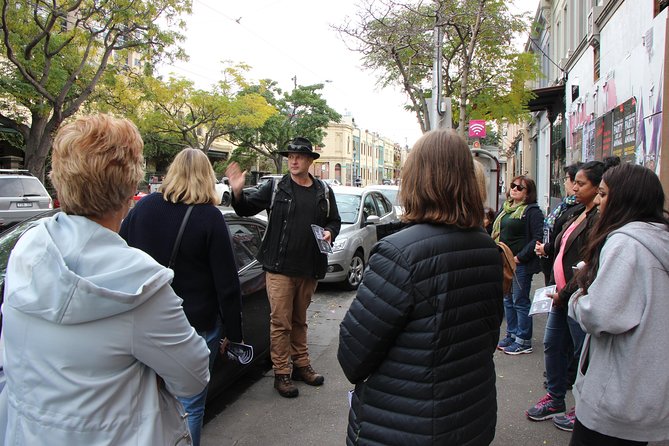
This isn’t a bus tour of famous landmarks. You’re paying for a guided walk through Fitzroy’s former “crime district” period, with a local historian turning street-level details into a chain of real events.
The value starts with the scope. The tour is set up for about 2 hours, and the route stays in one compact pocket. That matters, because the more you hear about a small area, the more it makes sense. You begin to recognize patterns: where people worked, where rivalries sparked, and how the city’s underworld sat right alongside ordinary buildings.
You also get a mobile ticket, which makes check-in simple. And with a price of about $35.86 per person, you’re not just buying entertainment—you’re buying a guided retelling with names, places, and a visual aid (that booklet with historic photos).
You can also read our reviews of more walking tours in Melbourne


Where the tour starts and finishes (and how to get oriented fast)
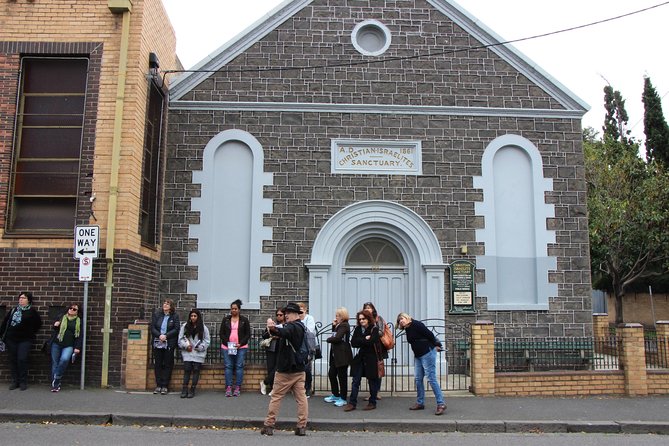
The walk begins at Melbourne Museum, 11 Nicholson St, Carlton, and ends at 148 Gertrude St, Fitzroy, at the corner of Gertrude and Napier St.
That start point is convenient because it’s near major tram options from the CBD. If you’re coming in by public transport, you’ll likely find you can ride in, grab a coffee near the museum area, then step into the story without much fuss.
The finish on Gertrude St is also smart. It puts you close to where Fitzroy is fun and walkable now—so after the heavy subject matter, you can reset quickly. Even if you’re not planning to linger, it’s easier when the tour doesn’t end in the middle of nowhere.
One small “consideration” angle: since it’s a walking tour, you’ll want footwear that handles uneven footpaths and lane-way streets. Fitzroy can be forgiving for short walks, but good shoes still make the experience smoother.
Walking Fitzroy’s past: from historic lanes to gang hot spots
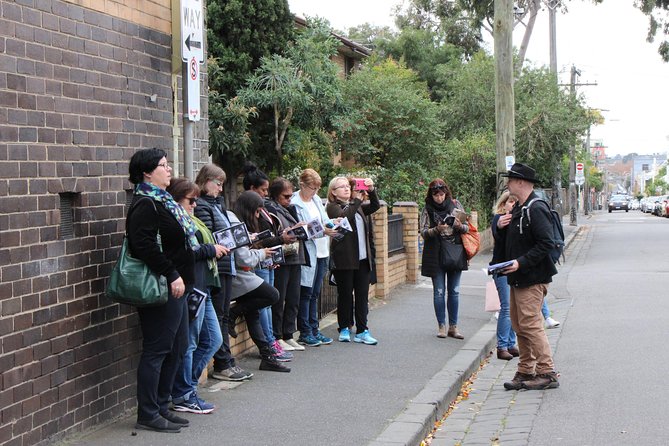
The official focus is a walk through Fitzroy—historic buildings and lane ways. But what you’ll feel along the route is more like a set of story “clusters,” each one anchored to a street scene.
Here’s the kind of flow you should expect over the full ~2 hours:
The opening streets: setting the Fitzroy baseline
Early on, you’re in the part of the walk where the guide frames why Fitzroy earned its reputation. That’s not just dramatic background. It’s a practical setup for everything that comes next, because the crimes make more sense when you understand the neighborhood layout and the era’s social pressures.
You’ll also get your bearings for the rest of the walk. Lane ways matter here, because that’s where the past can hide in plain sight—buildings you’d normally stroll past start to feel like stage sets.
The brothel and underworld side: crime mixed into everyday streets
A major theme is what used to be there—places tied to prostitution, organized crime, and the sort of street economies that formed around secrecy and vulnerability. The guide doesn’t treat this like shock content. The better approach is the historical one: who was involved, why the area attracted certain people, and how law enforcement responded.
This is where the tour can feel the most intense, just because the topic is blunt: pimps, thieves, gang bosses, and the sites of shocking crimes. If you’re traveling with someone who needs softer pacing, you’ll want to check in with each other during this section.




Gang rivalries and real names you can picture
One of the strongest moments for many people is how the stories connect to recognized names. You’ll hear about gang conflicts and police angles, and Squizzy Taylor comes up in a way that sticks—especially around the details of his death, which one review described as compelling.
What makes this portion work is that you’re seeing the physical setting while hearing the narrative. A name becomes a location in your mind. That’s exactly why the tour’s small area focus matters.
The modern Fitzroy finish: seeing today with old eyes
Near the end—around Gertrude St—you get a sense of how Fitzroy changed. It’s now trendy and lived-in, but the tour nudges you to look at it with different eyes. One of the clever takeaways is how a place’s present identity can trace back to earlier street nicknames and habits. (For example, people have picked up the story behind The Tote and why it’s called that.)
Even if you’ve visited Fitzroy before, this closing phase helps you reinterpret streets you thought you already understood.
Michael Shelford’s true-crime storytelling style
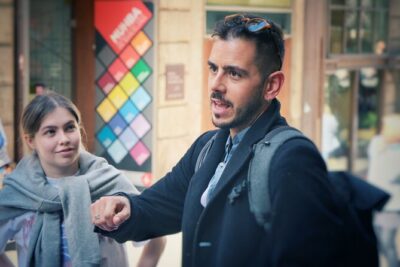
Michael Shelford is a local historian and author, and the tour leans heavily on his narrative skills. In practical terms, that means two things for you:
1) You get stories that move. It’s not a lecture voice reading dates.
2) You get story detail you can ask about. People highlight how he holds interest and can answer questions without derailing the flow.
You’ll feel his passion in the way he connects events and names, and that energy helps with a topic that could easily get repetitive. Instead of hearing the same pattern again and again, the tour uses each stop to reveal a new angle—sometimes the criminal side, sometimes law enforcement, sometimes the “how people survived” angle when times were hard.
If you’re a crime and history fan, this is where the tour shines the most. The tone is engaging rather than clinical, which is a good match for a walking experience.
The photo booklet: why visuals matter on a crime tour
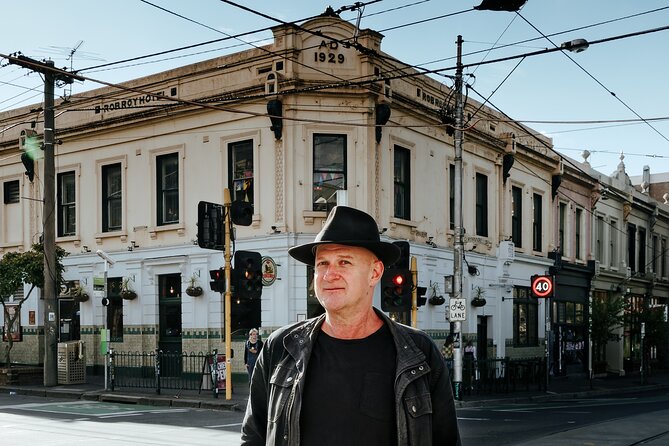
This tour includes a booklet with historic photos, and that feature does more than add entertainment value. It gives your brain something to anchor to while you’re looking at modern buildings.
In a neighborhood like Fitzroy, the visual contrast is powerful: old faces in photos set next to streets that still exist. You’re not just hearing about crimes—you’re learning how the era looked, dressed, and arranged itself. The booklet helps keep the stories from turning into a blur of generic bad behavior.
If you like details, this is also where you can slow down. You can glance at the photos while the guide talks, then reread bits later so the story lands in your memory.
How long is it, and how much walking should you plan for?
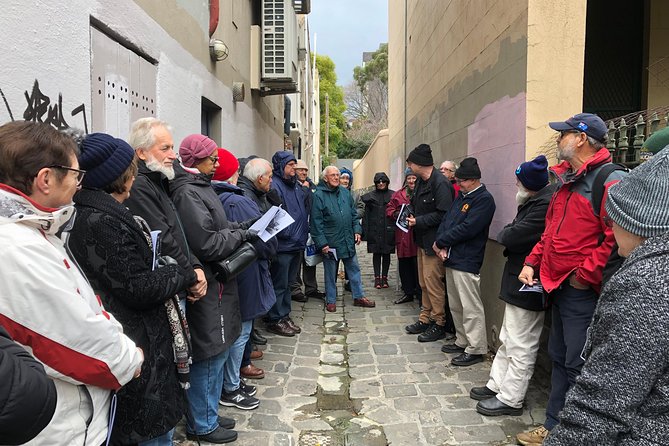
The tour runs about 2 hours. Reviews also suggest it isn’t long-distance walking, so it’s more approachable than many urban walking tours.
That said, it’s still a walking tour. Expect to be on your feet for the full time window, moving through lane ways and around historic buildings. If you’re someone who can handle steady walking for two hours, you’ll likely be fine.
It also helps that the group size is limited to 22 travelers, which keeps the pace consistent and reduces the bottleneck effect you can get on larger tours.
Who this Fitzroy crime walk is best for
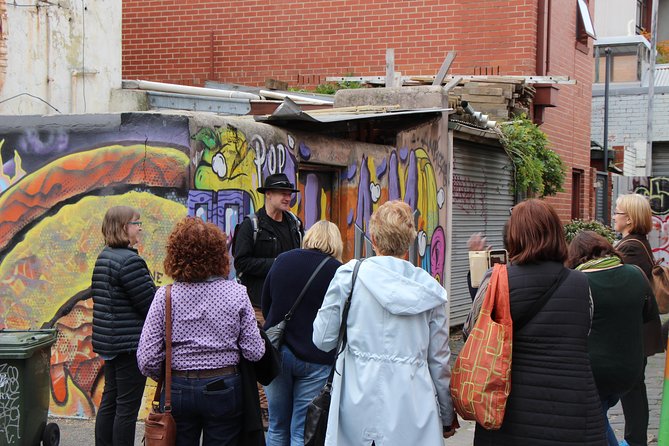
This experience fits best if you’re curious about how a city neighborhood works at street level—socially, economically, and politically. It’s also a great fit if you’re into true crime as history, not just as drama.
I’d steer different kinds of travelers this way:
- Great for families with kids who are genuinely interested in crime and history (and can handle dark material).
- Great for history lovers who prefer stories tied to real places you can see.
- Great for locals, because the walk helps you connect famous names to street corners you’ve walked past before.
- Maybe not ideal for anyone who wants a light, purely positive neighborhood story. The theme is crimes, gangs, and brothel life in the early 1900s.
If you’re traveling with kids, the rule is straightforward: children must be accompanied by an adult. And as a practical matter, bring a quick chat beforehand about comfort level, so you’re not adjusting mid-walk.
Price and value: is $35.86 fair for two hours?
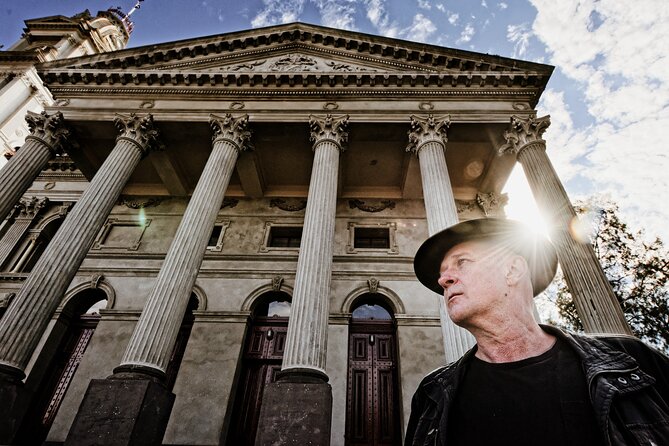
At $35.86 per person, you’re paying for three main things: a live guide, a focused small-area route, and supporting material (the photo booklet). Two hours can feel short, but in a dense neighborhood, time adds up fast—especially when the stories are built to match what you’re seeing right then.
This price also compares well because the group is capped at 22. In many walking experiences, small group size can be the difference between a tour that feels like a crowd and one that feels like a conversation with an expert storyteller.
So for me, the value is strongest if you meet it on the right terms: you like walking, you want story details tied to real streets, and you’re okay with a darker subject matter.
Practical tips that make the whole thing better
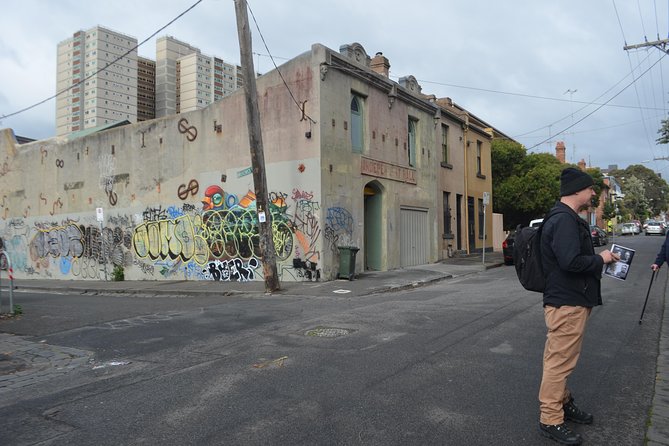
Here are a few no-stress tips based on the experience format and what people highlight about the tour:
- Wear comfortable shoes. Even if it is not a punishing trek, lane ways and older footpaths add up.
- Bring layers. Melbourne weather can shift quickly, and the experience depends on good conditions.
- Ask questions. Michael’s style seems built for follow-ups, and those moments often lead to the most memorable details.
- Use the booklet as you go. Don’t treat it like a souvenir you’ll read later. It helps you “see” the past while you’re standing on the street.
- Arrive on time at Melbourne Museum. You want to start with the context, because that early framing helps the later stories land.
Also, if you’re traveling with someone who’s sensitive to crime themes, check in before the more intense parts of the narrative.
Should you book the Fitzroy True Crime Walking Tour?
If you’re deciding between a generic sightseeing walk and something with real narrative pull, I’d book this when you fit two criteria: you enjoy history told through people and events, and you like seeing how the past connects to today’s streets.
I’d skip it if you want only cheerful neighborhood facts or if you’re not comfortable with topics like murder sites, gang activity, and brothel-era stories. In that case, there are plenty of other ways to enjoy Fitzroy without the darker lens.
If you do book, you’re likely to leave with a stronger sense of how Fitzroy got its reputation—and how some of that identity lingers, even when the streets look completely different now.
FAQ
How long is the Fitzroy True Crime Walking Tour?
The tour is approximately 2 hours.
Where does the tour start and end?
It starts at Melbourne Museum, 11 Nicholson St, Carlton VIC 3053, and ends at 148 Gertrude St, Fitzroy VIC 3065, at the corner of Gertrude and Napier St.
How much does it cost?
The price is $35.86 per person.
Who guides the tour?
The tour is led by local historian and author Michael Shelford.
Is there a mobile ticket?
Yes, the experience uses a mobile ticket.
How big are the groups?
The tour has a maximum of 22 travelers.
Is the tour suitable for children?
Children must be accompanied by an adult. The tour notes that most travelers can participate.
What if the weather is bad?
The experience requires good weather. If it’s canceled due to poor weather, you’ll be offered a different date or a full refund.
Is free cancellation available?
Yes. You can cancel up to 24 hours in advance for a full refund. If you cancel less than 24 hours before the start time, the amount paid will not be refunded.