REVIEW · MDINA
Mdina and Rabat Walking Tour inc. Catacombs and St. Paul’s Grotto
Book on Viator →Operated by Colour my Travel · Bookable on Viator
Mdina and Rabat have a knack for sticking with you. This small-group walk strings together Malta’s ancient capital, big-name palaces, and a memorable underground stop—catacombs plus St. Paul’s Grotto.
What I love most is the way the guide connects sites you’d otherwise just photograph to the rulers, languages, and street-level details that shaped them. I also like that the tour is paced for a real walk through both towns, with time to take in the quiet fortifications around Mdina.
One thing to consider: a lot of the underground portion means stairs and uneven, tight spaces, so wear shoes you trust and plan for a slower rhythm down below.
Key highlights worth your attention
- Small group size (max 25) keeps explanations personal and the pace workable
- Catacombs + WWII shelters + St. Paul’s Grotto in one underground visit
- Palazzo Falzon, Palazzo Santa Sofia, Vilhena Palace and other major Mdina landmarks
- Greeks Gate and the medieval fortifications give you a clear sense of how Mdina was defended
- Baroque and medieval architecture placed right next to everyday street life
In This Review
- Mdina and Rabat: Two towns that tell one story
- Meeting at Mdina Gate and getting your bearings fast
- Rabat streets and the church-and-convent circuit
- Wignacourt Museum underground: catacombs, WWII shelters, and St. Paul’s Grotto
- What makes the underground stop special
- How to make the most of it
- Back to Mdina: palaces, church façades, and that “silent” magic
- Fortifications and the Greeks Gate: the defensive city view
- Pacing, group size, and hearing the guide
- Price and value: what $30.85 buys you
- Practical tips so the tour feels smooth
- Wear the right shoes
- Bring a rain plan
- Watch your meeting point timing
- Who should book this Mdina and Rabat walking tour
- Should you book it? My take
- FAQ
- How long is the Mdina and Rabat walking tour?
- What does the tour cost?
- What’s included in the price?
- Where does the tour start and end?
- Is the tour offered in English?
- Will there be stairs?
- Are food and drinks included?
- Can service animals join the tour?
- What is the cancellation policy?
Mdina and Rabat: Two towns that tell one story
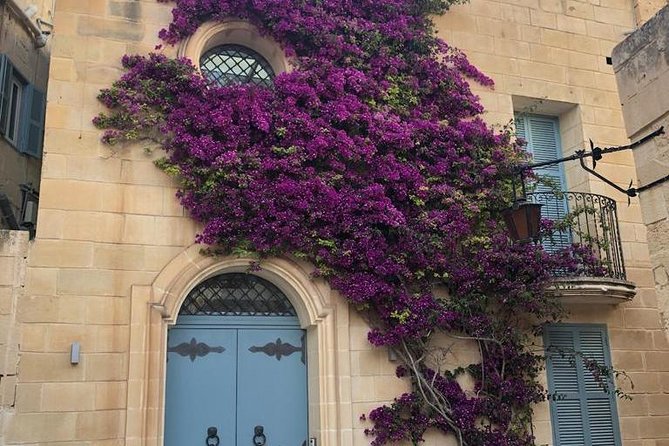
Mdina is Malta’s old capital and it feels that way the second you enter. Narrow streets, honey-colored stone, and a hush that makes even a short pause feel meaningful. Rabat sits right outside the walls and adds the human scale—churches, convents, and daily life that’s been layered onto older foundations.
What makes this tour work is the sequence. You start above ground in Mdina, then step into Rabat for a different mood, and finish with a long look at what’s on the surface of Mdina’s “silent city.” It’s a nice balance between beauty and context, so you’re not just moving from sight to sight.
Meeting at Mdina Gate and getting your bearings fast
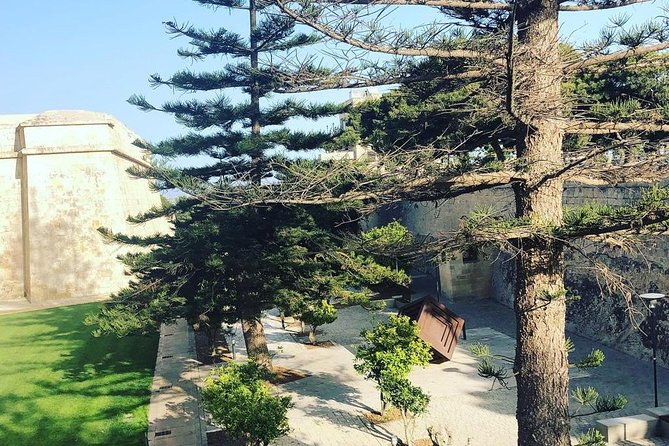
The walk begins at Mdina Gate, the Baroque gateway that signals you’re entering a place designed for protection as much as display. From there, the guide typically gives you quick orientation—why Mdina mattered, when it peaked, and how different rulers left their fingerprints.
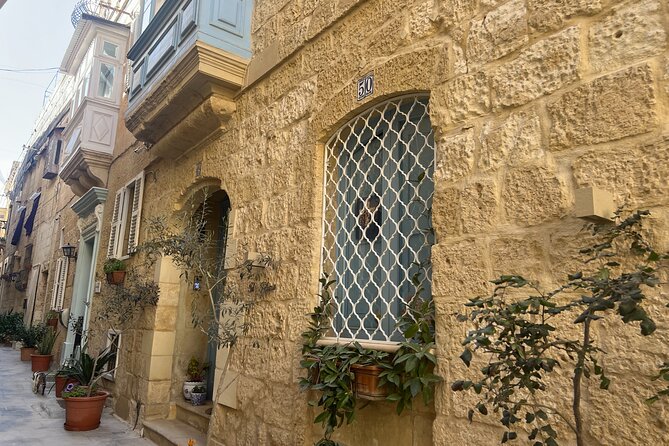
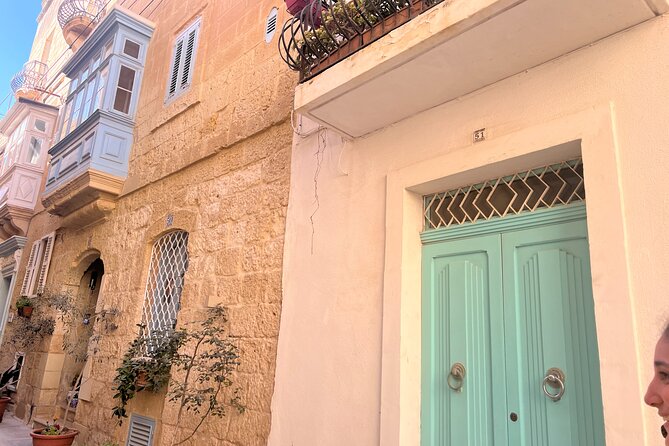
Then you head into the medieval streets and ramparts zone. Even without stopping for every photo, you’ll start noticing details that most people miss on a self-guided stroll: door knockers, façade shapes, and the way palaces and churches sit along the street line like they own the view.
If you’re the type who wants to know what you’re looking at—why a building is where it is and what it likely replaced—this is the part that sets you up.
You can also read our reviews of more walking tours in Mdina
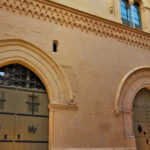
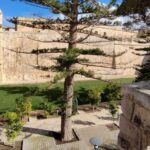
Rabat streets and the church-and-convent circuit
A short stretch of the route moves through Rabat, where the atmosphere changes from Mdina’s quiet grandeur to a more lived-in town. This is where you’ll see impressive churches and convents as you walk the streets.
Rabat helps explain Mdina’s role too. Mdina was the fortified center; Rabat was where people flowed in and out. Seeing the two together gives you a clearer picture of how the region functioned across centuries, not just how it looked from the outside.
One practical note: this is still a walking tour. Even though the stops are timed, you’ll want to keep moving and save your longer rest breaks for the underground stop and the Mdina time at the end.
Wignacourt Museum underground: catacombs, WWII shelters, and St. Paul’s Grotto
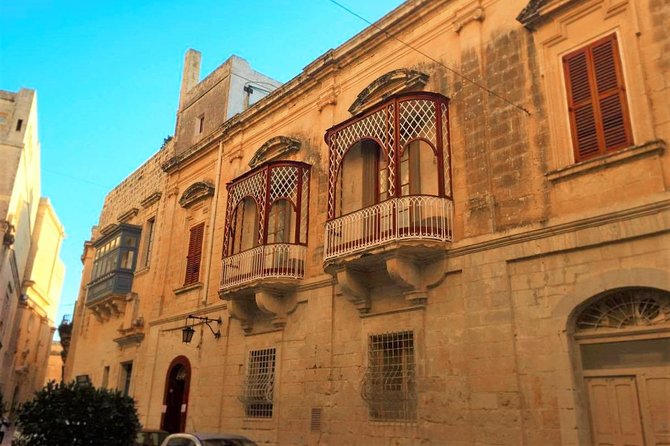
The centerpiece stop is the Wignacourt Museum visit, where your entrance ticket covers three different underground experiences: catacombs, WWII shelters, and St. Paul’s Grotto. This is the part that often turns a “nice history walk” into a day you remember.
What makes the underground stop special
Three separate layers of meaning are packed into the same visit:
- Catacombs: You’re walking into burial history and early Christian symbolism, with tight passageways that make the scale feel real.
- WWII shelters: Malta’s story includes hard conflict in the 20th century, and these shelters show how people adapted and survived.
- St. Paul’s Grotto: This adds a spiritual thread to the same physical landscape.
The stairs are a real factor. Expect a number of them, and plan for uneven, close quarters underground. Based on what you’ll learn and see, it’s worth it—but it won’t feel like a stroll through a wide, modern attraction.
How to make the most of it
- Wear shoes with good grip. Underground floors can be uneven.
- Take your time on stairs. You’ll get more from the visit when you’re not rushing.
- If you’re sensitive to confined spaces, be upfront with yourself and pace your movement.
Back to Mdina: palaces, church façades, and that “silent” magic
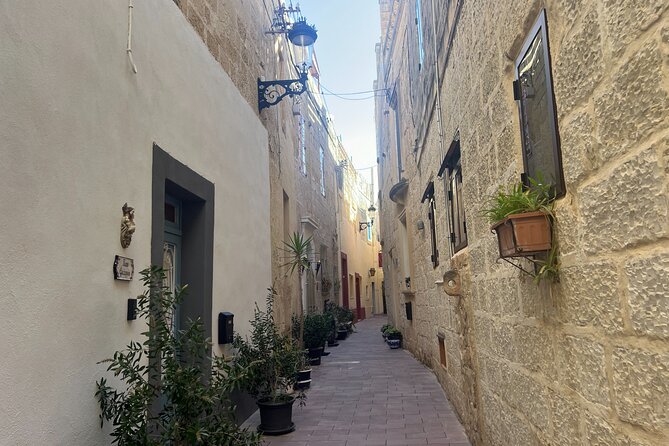
After Rabat and the underground portion, the tour returns you to Mdina for a longer run through the city’s standout architecture. This section is where you get the payoff for all that orientation you started with at the gate.
You’ll pass major highlights such as:
- Cathedral of Saint Paul: Mdina’s religious heart, with the kind of presence you can feel even while walking past.
- Palazzo Falzon: A grand 13th-century palazzo that helps you understand how wealth and power were displayed in stone.
- Baroque Carmelite Priory: A reminder that Mdina kept changing long after medieval walls were set.
- Palazzo Santa Sofia: Not just pretty—this is one of Mdina’s oldest buildings, and the façade is an eye-catcher.
- Vilhena Palace: Now housing the Natural History Museum, which is a nice example of how buildings evolve instead of being abandoned.
- Chapel of Saint Agatha: A smaller stop, but the kind of detail-driven moment that makes guided tours feel worth it.
This is also the portion where the guide’s explanations matter. The city is “quiet,” but it’s not empty. When you understand who lived where, what ruled when, and why certain buildings stand out, Mdina becomes more than a backdrop.
Fortifications and the Greeks Gate: the defensive city view
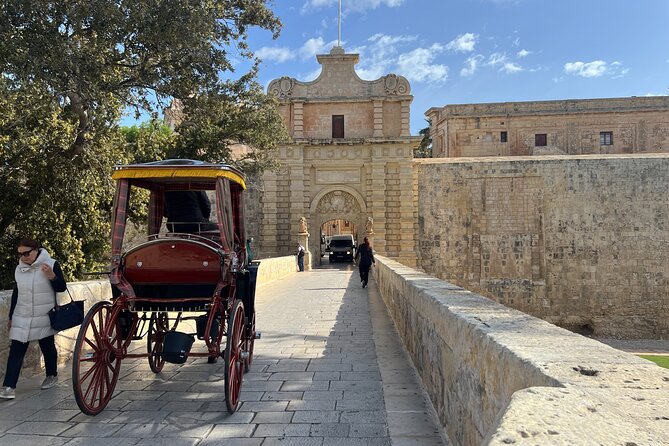
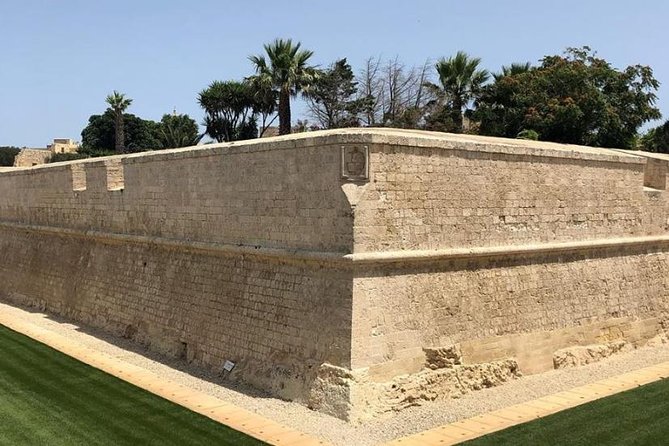
Mdina’s walls are part of the story, not just decoration. As you explore the medieval fortifications, you’ll reach the imposing Greeks Gate.
This is a smart moment in the route because it shifts your perspective from façades and palaces to function: how the city controlled access, how people moved through entry points, and why walls shaped daily life.
Many people come to Mdina for the scenery. I like that this stop adds the logic behind it. Even if you don’t hang around for a long linger, you’ll leave with a clearer mental map—where you are, what was defended, and what the city was built to withstand.
Pacing, group size, and hearing the guide
This tour keeps things manageable: up to 25 people and a professional guide. In practical terms, that usually means you can stay with the group and still hear the story without constantly playing catch-up.
The best experience comes from doing two simple things:
- Stay near the guide during the explanation-heavy portions.
- Use the walking segments to look up and around, not down at your feet—except on stairs, obviously.
If you’re traveling at a slower pace or you’re planning for older legs, the group size helps. It’s easier to slow down without falling off the map.
Price and value: what $30.85 buys you
At $30.85 per person, this is priced like a focused, time-bound tour: guided walking plus real admissions for the underground complex. What helps the value here is that you’re not just paying for commentary—you’re paying for access to catacombs, WWII shelters, and St. Paul’s Grotto as part of the same package.
You should also factor in what’s not included. Food and drinks aren’t part of the tour, and hotel pickup/drop-off isn’t included. But since it’s a walking format with city-center start and end points, you’re generally saving time on logistics by meeting in Mdina.
If you like history, architecture, and underground sites, this price feels reasonable. If you only want quick surface views and hate stairs, you may decide another shorter sightseeing option fits better.
Practical tips so the tour feels smooth
A few things can make a big difference on this route.
Wear the right shoes
Underground means stairs, and there’s mention of uneven, small spaces in the catacombs. Don’t plan to do this in flimsy sandals.
Bring a rain plan
Mdina weather can change fast. When it’s wet, the surface streets and rampart areas can feel slippery. If rain hits, an umbrella or light rain jacket helps keep you comfortable through the walking segments.
Watch your meeting point timing
The start is at Mdina Gate, and the tour ends at Greek’s Gate. Plan to arrive a bit early so you’re not stressed while looking around. Using your map app for the exact meeting location is the easiest fix.
Who should book this Mdina and Rabat walking tour
This is a great match if you:
- Want a guided introduction to Mdina beyond “pretty streets”
- Like a mix of architecture, city layout, and historical context
- Are curious about Malta across time—Roman/early Christian era, then WWII, then religious tradition with St. Paul’s Grotto
- Prefer a small group (max 25) over a big bus-style crowd
If your priorities are only beaches, only modern museums, or only long free time for wandering, you might want a different plan. This tour is designed for guided structure and learning, not total open-ended wandering.
Should you book it? My take
Yes, I’d book it—especially if you’re the type who enjoys understanding what you’re seeing. The underground stop alone (catacombs + WWII shelters + St. Paul’s Grotto) makes this more than a standard walk, and the Mdina portion covers the places people actually talk about: Cathedral of Saint Paul, Palazzo Falzon, Palazzo Santa Sofia, and the walls toward Greeks Gate.
Just go in with two expectations: you’ll do some stairs, and you’ll walk steadily for the full running time. If that sounds good, this is a solid value way to see Mdina and Rabat in one connected loop.
FAQ
How long is the Mdina and Rabat walking tour?
The duration is about 2 hours 30 minutes (approximately).
What does the tour cost?
The price is $30.85 per person.
What’s included in the price?
You get a professional guide, plus entrance to the underground visit at Wignacourt Museum, including catacombs, WWII shelters, and St. Paul’s Grotto.
Where does the tour start and end?
It starts at Mdina Gate and ends near Greek’s Gate in Mdina.
Is the tour offered in English?
Yes, it is offered in English.
Will there be stairs?
Yes. The catacombs, WWII shelters, and St. Paul’s Grotto are underground, so expect a number of stairs.
Are food and drinks included?
No, food and drinks are not included.
Can service animals join the tour?
Yes, service animals are allowed.
What is the cancellation policy?
You can cancel for a full refund up to 24 hours before the experience’s start time. If you cancel less than 24 hours before, the amount paid is not refunded.