REVIEW · BARCELONA
Barcelona: Walking tour with Montjuic Castle & Cable Car
Book on GetYourGuide →Operated by In Out Barcelona Tours · Bookable on GetYourGuide
Three and a half hours, and Barcelona clicks.
This tour strings together Old Town streets, Catalan modernist architecture, and a ride that feels like you’re cheating gravity on the Montjuïc Cable Car.
I really like two parts of the setup. First, the group stays small (max 12), so the pace stays human and questions don’t get lost. Second, you get a smart mix of landmarks: the Boqueria Market area, the El Raval district, and key stops like Gran Teatre del Liceu and Palau Güell before you head uphill.
One possible consideration: transport equipment can be affected. If the cable car isn’t running on your day, the plan may shift (one review noted being routed differently), so I’d check what’s happening close to departure.
In This Review
- Key Things I’d Aim For
- La Rambla to Raval: Your Shortcut Through Barcelona’s Oldest Story
- Boqueria Market and the Modernist Market Hall Moment
- Gaudí in the Background: Gran Teatre del Liceu and Palau Güell
- Raval Side Streets: Botero’s Cat and a Different Barcelona
- Up the Hill by Funicular and Cable Car
- Montjuïc Castle Inside: Dungeons, Tower, and Pyrenees Days
- How Small-Group Guides Keep the Pace and the Photos
- What You Pay for at $64: Tickets Plus a Real Guide
- Should You Book This Walk-and-Montjuïc Combo?
- FAQ
- How long is the Barcelona Walking Tour with Montjuïc Castle & Cable Car?
- Where does the tour start and end?
- What’s included in the price?
- Do I need to buy food or drinks during the tour?
- Is the cable car ride guaranteed?
- Is this tour accessible for wheelchair users?
- Is there a group size requirement for booking?
Key Things I’d Aim For

- Small-group max 12: easier pacing through tight Old Town streets
- Boqueria Market stop: see the famous market hall atmosphere without wasting time
- Roundtrip funicular + cable car tickets: you’re not scrambling for routes or lines
- Montjuïc Castle access: dungeons plus the tower for wide panoramas
- Clear-day bonus: Pyrenees may be visible from the heights
- Guides that manage transport well: reviews praise organizers who keep everyone together
La Rambla to Raval: Your Shortcut Through Barcelona’s Oldest Story

The tour starts in the heart of the city, at the reception of the Palau Moja (C/ de la Portaferrissa, 4). From there, you move into Barcelona’s older core with a route that’s meant to give you fast context: how the Gothic/Old Town area looks and works, and why it matters culturally.
I like that you’re not just walking in a straight line. You’re shown the city in layers. Early on, you’ll pass major landmarks connected to Barcelona’s identity, then you’ll pivot into El Raval, a district known for its multicultural character and street-life energy. The route design matters because it prevents the “I saw a few buildings, now what?” feeling. By the time you reach Montjuïc, you understand what you’re looking at.
Your end point is El Molino Paral·lel, so you finish closer to the livelier side of the city rather than back where you started.
You can also read our reviews of more walking tours in Barcelona



Boqueria Market and the Modernist Market Hall Moment
You’ll pass by La Boqueria, the famous market with a reputation that’s way bigger than its size. This is one of those places where even if you don’t buy anything, you still learn something. The modern market hall design and the sheer variety of fresh products give you an instant feel for how Barcelona eats and socializes.
One practical note: the tour doesn’t include food or beverages. That’s fine. It just means you should treat Boqueria as an orientation stop. If you want snacks, plan to buy them on your own, then keep moving with the group.
The value here is time. In a short 3.5-hour format, Boqueria can eat half your day if you wander alone. This version gives you the sights and the meaning without turning it into a detour marathon.
Gaudí in the Background: Gran Teatre del Liceu and Palau Güell
A big reason this tour works is how it places Catalan modernism right alongside everyday street reality. You’ll stroll past Gran Teatre del Liceu (a standout opera house) and Palau Güell, Antoni Gaudí’s work associated with the Eusebi Güell patronage story.
You’ll mostly be seeing these places as you walk—so don’t expect a ticketed interior visit based on the info provided. But that’s not a downgrade. Seeing the buildings from the streets helps you connect them to the neighborhoods they belong to, instead of treating modernism like museum-only stuff.
Also, if you’re the type who takes architecture seriously, you’ll appreciate how the guide frames what you’re passing. Several reviews mention guides who keep explanations clear and photo-friendly, with some guests even noting extra help capturing shots during the Montjuïc portion. That’s the kind of support that makes a quick stop feel worthwhile.
Raval Side Streets: Botero’s Cat and a Different Barcelona
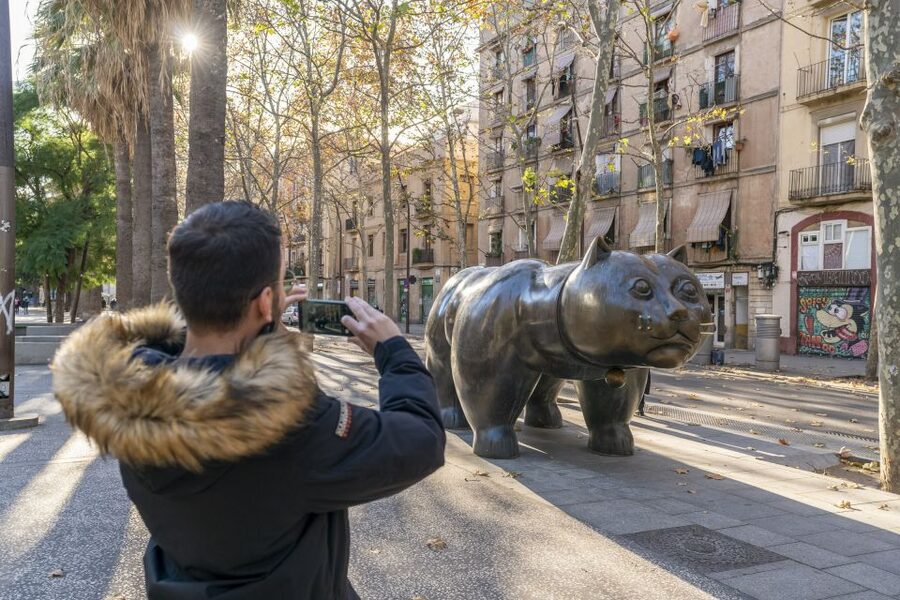
El Raval is where the tour gets interesting in a different way. Instead of only focusing on iconic sights, you’re guided through the kind of neighborhood detail most first-time walks skip. Reviews mention a specific landmark: the Cat Statue by Fernando Botero.
That’s the sort of stop that gives you an “oh, Barcelona has personality” moment. Raval also has a reputation for being multicultural, and the tour’s route reflects that. You’ll feel the district’s texture through street scenes, not just names on a map.
This portion is also a good reality check for your expectations. If you’re hoping for every minute to be a postcard, Old Town and Raval can be more about street life than perfect backdrops. I like that the tour keeps moving, because it prevents you from over-focusing on just one “pretty corner.”
Up the Hill by Funicular and Cable Car
Montjuïc is the payoff zone, and the tour gets you there using two uphill systems: the Montjuïc funicular and the Montjuïc Cable Car. Tickets for both are included, and the format is designed to reduce hassle.
Here’s what you should expect in plain terms:
- You hop on the funicular partway up for aerial views as the city spreads below.
- Then you take the cable car the rest of the way to Montjuïc Castle.
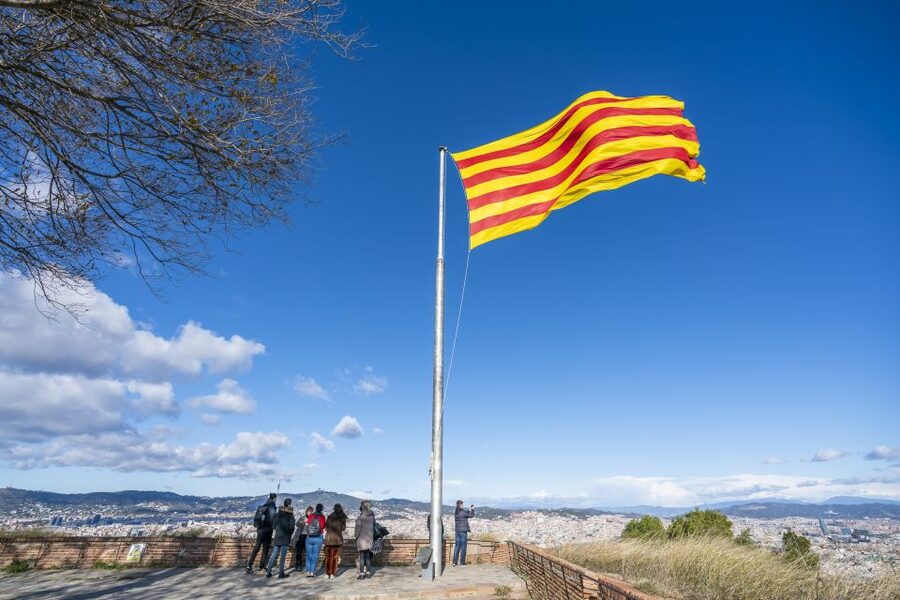
The ride itself is part of the sightseeing. It’s not just transportation. And on clear days, the views can extend far enough that you may even see the Pyrenees—an extra detail that makes the higher viewpoint feel like more than a scenic stop.
One logistics tip: some reviews noted cable car and funicular disruptions on certain dates, with transport being adjusted. So if your trip dates are tight, it’s smart to confirm what happens on the day you go. You’ll waste less time if you know in advance whether your ride will be cable car or a substitute route.




Montjuïc Castle Inside: Dungeons, Tower, and Pyrenees Days
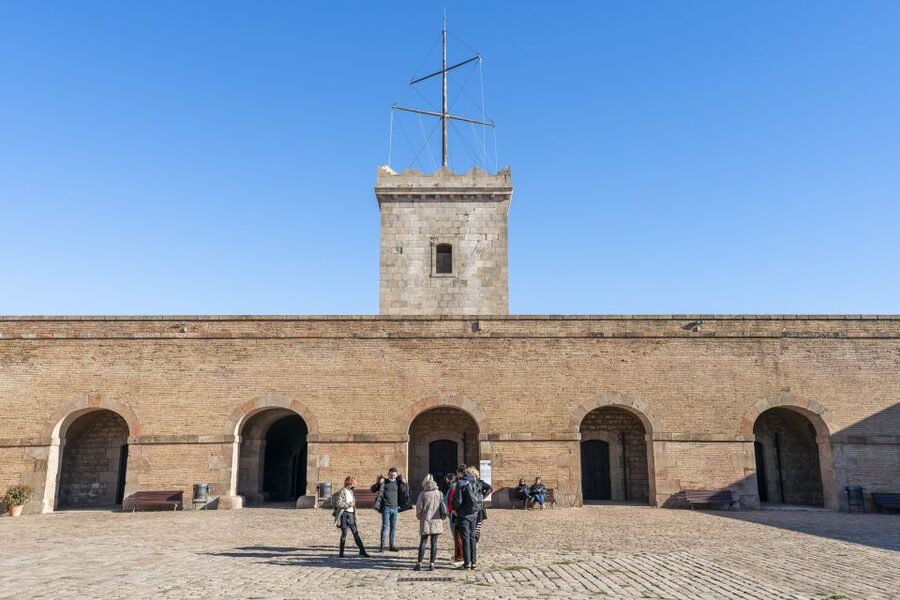
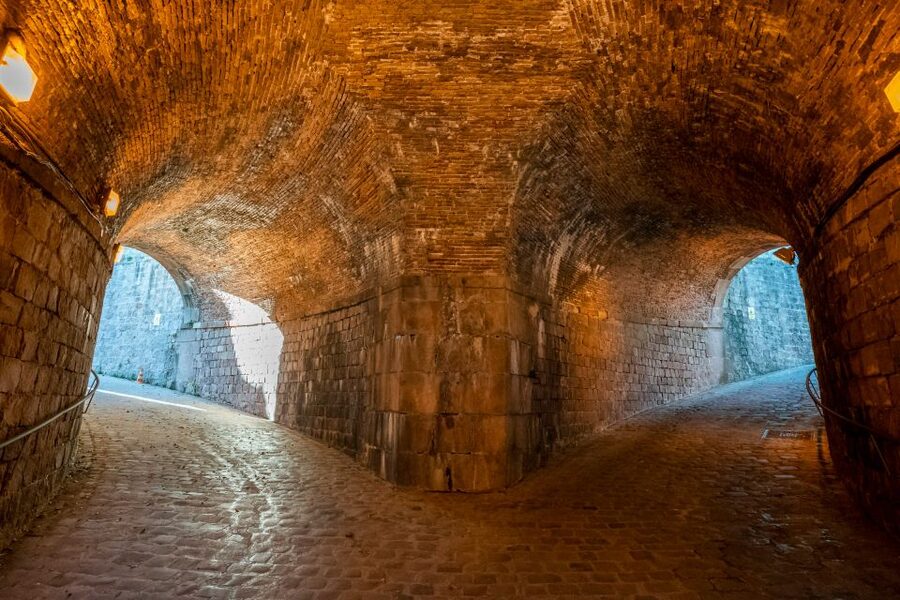
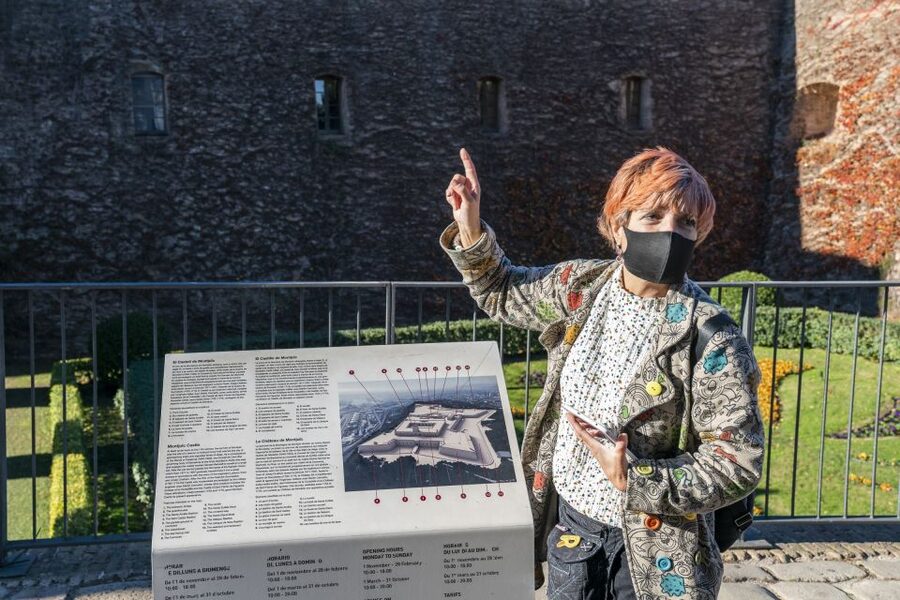
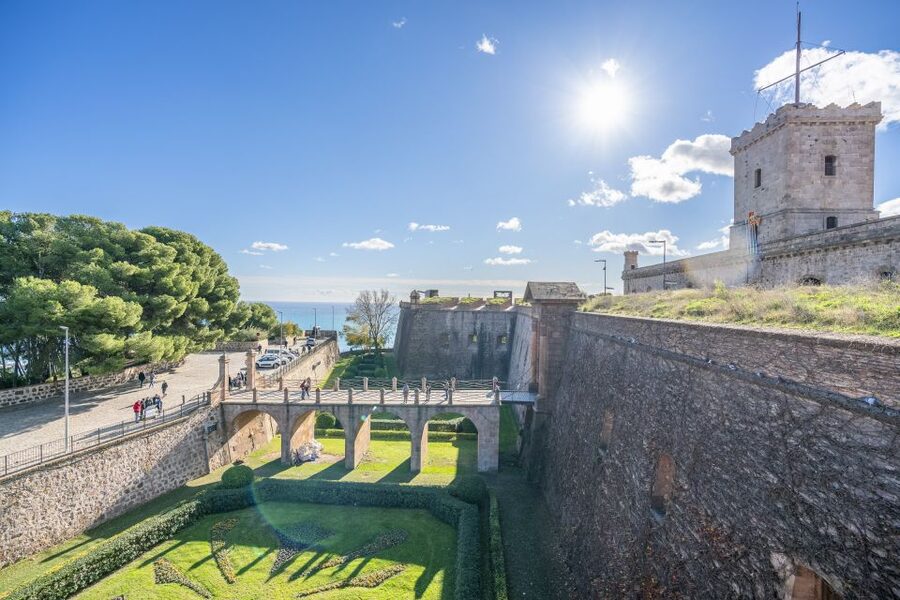
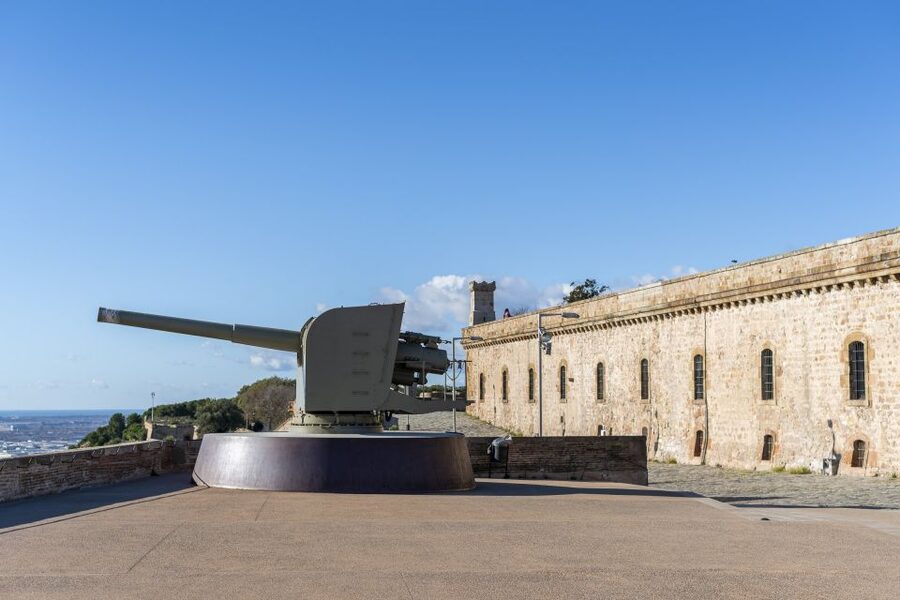
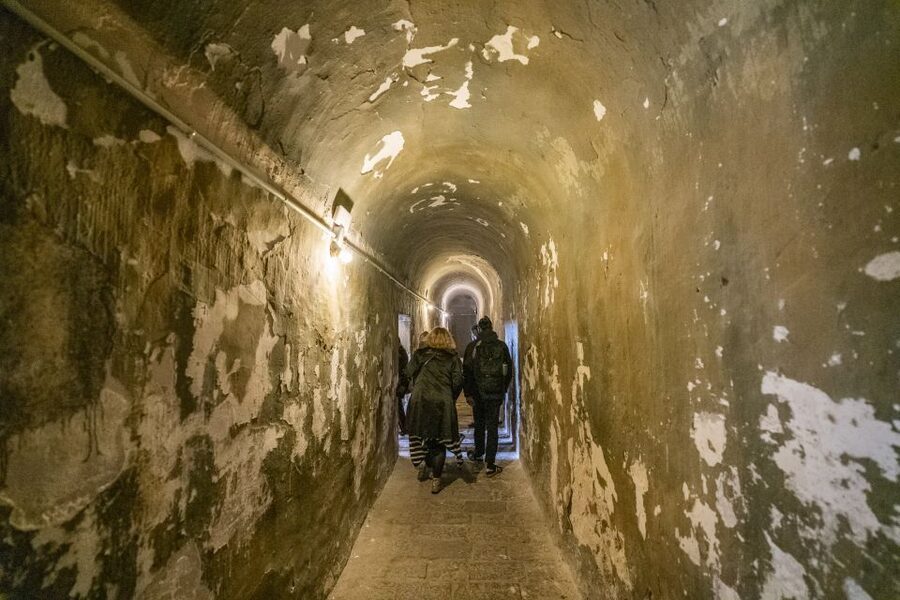
Once you reach Montjuïc Castle, you’re not just standing outside taking pictures. The tour includes an exclusive visit to the fortress areas that matter, including the dungeons and the tower.
This is where the tour earns its value. Castle tours often stop at a wall and a view. Here, you get the military-fortress vibe described in the itinerary: history tied to strategy, plus a top-floor payoff. From the tower, you’ll get panoramic views of the city and the ocean. If weather cooperates, that long-distance clarity can be impressive.
I also like that this part is guided. Dungeons are easy to treat like dark rooms. With a good guide, you understand why the fortress was built, how it was used over time, and what you’re seeing from the vantage point you’re standing at. Multiple reviews mention guides who make the castle story come alive, with some guests praising how clearly explanations landed—even during terrible weather.
Photo note: reviews include comments about guides helping take nice pictures, which makes sense at tower-level viewpoints where everyone wants the same angle.
How Small-Group Guides Keep the Pace and the Photos
This tour lives or dies on logistics, because you’re combining Old Town walking with hill transport and a castle visit. The good news: the guide role gets consistently praised.
You’ll be with a professional local guide speaking English, and the group size is capped at 12. That’s big. In tight cities, “small group” is usually marketing fluff. Here, the praise is about keeping people together during the funicular/cable car transitions and making sure no one falls behind.
Guide examples mentioned in reviews include Miguel, Carlos, Edu, Katy, Montse, Pepa, Ane, and Anu. The recurring themes are practical:
- keeping a mellow walking pace
- making sure the whole group is accounted for
- answering questions without rushing
- using the time well even when weather turns
If you want help with what to do after the tour, you’ll often get it. One review specifically called out recommendations for food after Montjuïc, which is the kind of small courtesy that saves you time once you’re back in the city.
What You Pay for at $64: Tickets Plus a Real Guide
At $64 per person for a 3.5-hour experience, the value is tied directly to what’s included, not just the walking. You’re paying for:
- an exclusive Montjuïc Castle visit (including dungeons and tower)
- roundtrip cable car tickets
- roundtrip Montjuïc funicular tickets
- a guided walk through Old Town and El Raval
You’re also told you can skip the ticket line, which matters because queues at major viewpoints can quietly wreck time. When tickets and timing are handled for you, you spend more of your limited time on seeing and less on standing.
This also helps you if it’s your first Barcelona day. The route gives you a baseline of neighborhoods (Old Town/Gothic-adjacent feel, then Raval), then it gives you a big view that helps everything snap into place visually.
If you already know Montjuïc well or you hate stairs/walking, you might feel the price less justified. But for most first-timers, it’s a strong package.
Should You Book This Walk-and-Montjuïc Combo?
Book it if you want a short Barcelona experience that mixes architecture, neighborhoods, and a top-of-hill viewpoint without piecing together transport and tickets yourself. It’s especially worth it if you care about getting oriented quickly—Las Ramblas/Old Town context first, Boqueria as a market anchor, Raval for street-level character, then Montjuïc for the panoramic reward.
Skip it if you have mobility challenges. The tour is not suitable for people with mobility impairments or wheelchair users, and there are limits around luggage or large bags. Also, if you’re the kind of traveler who absolutely needs the cable car experience in motion, do a quick check close to your date in case service changes.
FAQ
How long is the Barcelona Walking Tour with Montjuïc Castle & Cable Car?
It lasts 3.5 hours.
Where does the tour start and end?
It starts at the reception of the Palau Moja (C/ de la Portaferrissa, 4). The tour finishes at El Molino Paral·lel.
What’s included in the price?
Included are the exclusive visit to Montjuïc Castle and dungeons, roundtrip cable car tickets, roundtrip Montjuïc funicular tickets, the guided walking tour of Old Town and El Raval, and a professional local English guide (small group max 12).
Do I need to buy food or drinks during the tour?
Food or beverages are not included.
Is the cable car ride guaranteed?
The tour includes roundtrip cable car tickets, but there can be service disruptions on some dates, so it’s smart to confirm what’s happening on your day.
Is this tour accessible for wheelchair users?
No. It is not suitable for people with mobility impairments or wheelchair users.
Is there a group size requirement for booking?
Yes. The activity requires a minimum of two people per booking.