REVIEW · NEW YORK CITY
9/11 Memorial and Ground Zero Walking Tour with Optional 9/11 Museum
Book on Viator →Operated by City Tales Sightseeing and Private Tours · Bookable on Viator
World Trade Center still hits hard. This guided walk ties the 9/11 Memorial to the surrounding sites—St. Paul’s Chapel, FDNY remembrances, and the modern Oculus—so you don’t just look, you understand. If you want more, you can add the 9/11 Museum at the end for a self-guided visit.
I especially love how the tour brings a native New Yorker perspective to each stop, and how guides such as Jim can answer questions with real clarity (and yes, help you find better photo angles). I also like that the route isn’t only “the pools”—you’ll hit touching tributes like the FDNY memorial and the American Express remembrance, plus Liberty Park and its monuments.
One real consideration: it’s a walking route with many outdoor moments, so timing and weather matter. The tour also departs promptly, and adding the museum stretches the day, so plan your schedule with extra room.
In This Review
- Key things I’d plan for on this Ground Zero walk
- Meeting at 209 Broadway: start time, pace, and what “2 hours” feels like
- The 9/11 Memorial pools: the centerpiece you come for
- FDNY Memorial Wall: a direct, personal kind of remembrance
- St. Paul’s Chapel: the aftermath told through a real place
- Brookfield Place and the Hudson River view: evacuation stories with better angles
- Liberty Park and the monuments: seeing how meaning got rebuilt
- The Oculus: modern design with heavy symbolism
- American Express 11 Tears Memorial: a smaller room, bigger impact
- America’s Response Monument: honoring service and courage
- Optional upgrade: adding the 9/11 Museum without losing your day
- Price and value: what $109 buys you (and what it doesn’t)
- Weather, timing, and getting the most from the walk
- Who this tour fits best (and who might want a different format)
- Should you book this 9/11 Memorial and Ground Zero walking tour?
- FAQ
- Is the 9/11 Memorial admission included?
- Do I get to visit the 9/11 Museum?
- How long does the tour take if I add the museum?
- What are the start and end points?
- Does the tour include One World Observatory?
- Are the other memorial stops included, or do I need separate tickets?
- How big is the group?
- Is the guide with you inside the 9/11 Museum?
- Can I cancel for a full refund?
- What happens if I miss the tour?
Key things I’d plan for on this Ground Zero walk
- Start smart at 9:30 am: the group leaves promptly, so show up early at 209 Broadway.
- Memorial entry is built in: you’ll have access to the pools, then choose whether to add the museum later.
- You’ll see the “in-between” landmarks: St. Paul’s Chapel, Brookfield Place, Liberty Park, and the Oculus connect the story to the neighborhood.
- American Express 11 Tears is a standout stop: it’s a focused interior memorial made for the victims from that company.
- Museum is self-guided: your guide won’t be with you inside, so you’ll set your own pace.
- Group size is capped at 25: you should get a real chance to ask questions without feeling swallowed by a crowd.
Meeting at 209 Broadway: start time, pace, and what “2 hours” feels like
This tour starts at 209 Broadway on the day you book, with a 9:30 am departure time. The end point is right at the 9/11 Memorial Plaza near the reflecting pools (about 180 Greenwich St). The walk itself is about 2 hours, and that’s before any optional museum time.
You’ll be moving through a compact but emotionally heavy area, so the pacing is built for staying focused, not power-walking. With a group size of up to 25, you won’t feel like a number, and the guide can usually keep the flow of conversation going.
My practical tip: treat the first five minutes like the most important part of the day. Get there early, dress for walking, and settle your brain before you reach the first memorial space. World-class history is one thing; doing it on a schedule that moves fast is another.
You can also read our reviews of more walking tours in New York City


The 9/11 Memorial pools: the centerpiece you come for
Admission to the 9/11 Memorial is included for everyone on this tour. The route begins with the most symbolic part: time to learn about the memorial’s design and then spend time reflecting near the pools.
Why this matters: the memorial isn’t just “there.” Its design details are meant to shape how you feel—your eyes are guided, your attention gets pulled into the right place, and you’re not left trying to interpret everything alone. A good guide helps you see the design choices without turning it into a lecture.
How to experience it well:
- Go for a slow walk around the pools and let the space do its job.
- If you’re taking photos, pick one or two angles and then put the phone away. You’ll notice more with your eyes.
- Expect quiet moments. This is one of those places where even a small pause feels correct.
The tour doesn’t rush you through the memorial area, but it does move on after you’ve had your time to settle. That’s part of why a guided visit works—without a guide, you can easily spend too little time at the most important stop, or get stuck trying to figure out where to go next.
FDNY Memorial Wall: a direct, personal kind of remembrance
After the main memorial, you’ll head to the FDNY Memorial Wall, where you’ll see the bronze memorial for firefighters lost on September 11th. This is one of the stops where the atmosphere feels especially solemn. It’s not abstract. It’s meant to keep names and sacrifice present.
What I like about including this stop on the walking route: it anchors the story in first responders rather than keeping everything at the level of national politics or architecture. It gives the day a human scale.
Tip for planning your emotions: if you’re the kind of person who gets overwhelmed easily, know that this stop can hit hard. It’s okay if your brain goes quiet. Let it.
St. Paul’s Chapel: the aftermath told through a real place
Next is St. Paul’s Chapel, which played a significant role in the aftermath of the attacks. On this tour, you’ll get a focused introduction to how the chapel helped in the rescue and recovery period.
Why this stop is valuable: memorials are designed for remembrance years later. Places like St. Paul’s help you understand what immediate support looked like. That shift—from tribute to assistance—helps the day make more emotional sense.
One drawback to be aware of (and it depends on your preferences): some people want the tour to concentrate only on the exact sequence of events and immediate aftermath. This route also spends time on places that explain the “how things unfolded in the real world,” which includes rescue support and neighborhood context.
Brookfield Place and the Hudson River view: evacuation stories with better angles
Then you’ll move to Brookfield Place, including the Winter Garden and North Cove Marina for photos and a different perspective of the World Trade Center area. You’ll also hear stories about evacuation efforts on the Hudson River on 9/11.
This part is practical because it gives you a sense of geography. You see the waterfront angle, you get your bearings, and the guide can connect what you’re seeing to what happened—rather than treating it as unrelated city scenery.
A small “you’ll be glad you did” tip: dress for wind. Waterfront areas can feel colder than you expect, and even in normal weather, the wind can cut fast around these streets and open spaces.
You can also read our reviews of more museum experiences in New York City

Liberty Park and the monuments: seeing how meaning got rebuilt
From there, you’ll visit Liberty Park, which overlooks the 9/11 Memorial. This stop includes major monuments such as Fritz Koenig’s There and the America’s Response Monument.
I like this segment because it shows something important: remembrance isn’t only about the original day. It’s also about what the country and city chose to build afterward—sometimes solemn, sometimes symbol-heavy, and always intended to guide how you interpret what you see.
If you’re thinking, Wait, why are monuments so important? This is the answer. A lot of the emotional work of 9/11 has been translated into physical symbols over time, and this is where you get help reading them.
The Oculus: modern design with heavy symbolism
The walking route then includes the Oculus, the transportation hub and shopping space with a strong space-age look. On this stop, your guide explains the symbolism and design choices as part of the reconstruction of the World Trade Center area.
Here’s the honest balance: the Oculus can feel like a “wow, architecture” moment. But on this tour, it’s not meant to replace the tragedy—it’s meant to show how the rebuilding was shaped with meaning, not just function.
One thing to consider: a couple of people have felt this is too long compared with the focus they wanted on the day’s events. If you prefer a strictly chronological recounting of what happened, make sure you’re comfortable with some interpretive stops about rebuilding and design.
American Express 11 Tears Memorial: a smaller room, bigger impact
Inside the American Express building, you’ll see the American Express 11 Tears Memorial, built in memory of their employees lost on September 11th 2001.
This stop stands out because it changes scale again. We’re no longer only at the broad, citywide story. You get a corporate memorial—still heartbreaking, but also very specific.
If you like your history grounded in real human details, this is a strong moment. The guide’s context helps you understand why a corporate remembrance still belongs in a broader memorial landscape.
America’s Response Monument: honoring service and courage
Finally, you’ll learn about the America’s Response Monument, designed to honor members of the U.S. military for their bravery. This is a short but meaningful stop that adds another angle to the story—what happened after, and how service and response played out beyond the immediate city limits.
Even if you’re not a monument person, this one’s worth the time because it keeps the focus on action: courage isn’t only remembered, it’s also framed as something that continues.
Optional upgrade: adding the 9/11 Museum without losing your day
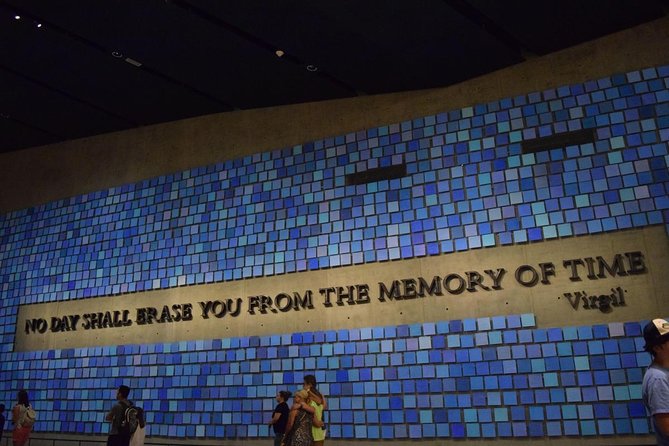
If you select the museum add-on when booking, you’ll be able to enter the 9/11 Memorial & Museum portion at the end of your walking tour. The walk portion happens first, then museum time starts afterward.
Key timing to know:
- The museum visit is self-guided.
- Plan about 1.5 to 2 additional hours depending on your pace.
- The guide does not go into the museum with you.
This last detail matters. If you want a guide’s commentary in every room, you won’t get it inside the museum. Instead, you’ll have to read the exhibits and choose what you care about most. For many people, that’s actually a good fit—self-paced means you can slow down when something hits.
My practical advice: don’t try to do every gallery. Pick your priorities, especially if you’re already emotionally drained from the outdoor sites. Use the museum to fill in gaps your walk created.
Price and value: what $109 buys you (and what it doesn’t)
At $109 per person, this tour sits in the mid-to-higher range for NYC guided walking experiences. The main value comes from combining:
- guided interpretation across multiple key stops,
- included memorial access for everyone,
- and an optional museum ticket that otherwise would cost extra.
What’s not included is important too: One World Observatory is not part of this experience. Also, the guide ticket doesn’t automatically include museum time unless you select that specific booking option.
So is it worth it? For me, the “yes” case looks like this:
- You want a structured route you can trust in a complex, emotionally intense area.
- You’d rather learn with a local perspective than wander and guess.
- You’re planning to add the museum anyway, and you’d like that time organized around the walk.
The “maybe not” case is when you only want a quick pass at the memorial pools and don’t care about other sites. In that scenario, you could spend less and plan your own route. But if you want context, this price starts to make sense.
Weather, timing, and getting the most from the walk
This tour involves a lot of walking and outdoor time. That sounds basic, but in reality it affects comfort and attention. If it’s cold, windy, or rainy, you’ll need proper layers, not just a light jacket.
Another timing reality: the tour departs promptly. Late parties can’t join mid-walk, so don’t treat the start time as flexible.
If you’re doing the museum add-on, give yourself breathing room. People often underestimate how much mental energy the memorial day takes. Two hours on foot plus museum time can be a lot, even when it’s deeply worthwhile.
Who this tour fits best (and who might want a different format)
This is a strong choice if you:
- like a guide to connect monuments, buildings, and meaning,
- want to see more than the pools,
- and plan to spend time in the museum afterward.
It also fits well for first-timers to Ground Zero who want help finding the story rather than just the sites.
If you’re the kind of traveler who strongly prefers strict chronological storytelling with minimal side stops, you might find the mix of architecture, neighborhood context, and memorial interpretation less satisfying. The route includes the Oculus and other design-heavy locations, which can feel like more “context” than you expected.
Should you book this 9/11 Memorial and Ground Zero walking tour?
I’d book this if you want a guided, respectful way to understand the 9/11 Memorial area beyond postcard landmarks. The biggest strengths are the guided interpretation across multiple remembrance sites and the option to add the museum afterward without having to plan the timing yourself.
Before you book, do two quick checks:
- Decide whether you truly want the museum add-on. If yes, booking with the museum option saves you from extra logistics and keeps your day smoother.
- Plan your clothing and schedule like you’re going to be outside for part of the experience. Comfortable walking makes the whole thing easier to process.
FAQ
Is the 9/11 Memorial admission included?
Yes. Entry to the 9/11 Memorial is included for all guests.
Do I get to visit the 9/11 Museum?
Only if you book the Walking Tour option that includes the museum ticket. The museum portion is self-guided.
How long does the tour take if I add the museum?
The walking tour is about 2 hours, and the museum visit adds about 1.5 to 2 more hours depending on your pace.
What are the start and end points?
The tour starts at 209 Broadway, New York, NY 10007 and ends at the 9/11 Memorial Plaza near the reflecting pools at about 180 Greenwich St, New York, NY 10007.
Does the tour include One World Observatory?
No, One World Observatory is not included.
Are the other memorial stops included, or do I need separate tickets?
The stops listed on the route (such as the FDNY Memorial Wall, St. Paul’s Chapel, Brookfield Place, Liberty Park, the Oculus, and the American Express 11 Tears Memorial area) are described as admission-free where noted, and the tour includes access for those stops.
How big is the group?
The tour has a maximum of 25 travelers.
Is the guide with you inside the 9/11 Museum?
No. The museum portion is self-guided, and the guide does not enter the museum.
Can I cancel for a full refund?
Yes. You can cancel up to 24 hours in advance for a full refund.
What happens if I miss the tour?
No refunds are issued for missing the tour for any reason.