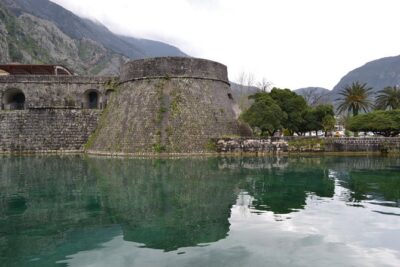
REVIEW · ST AUGUSTINE
History Walking Tour in St. Augustine
Book on Viator →Operated by St. Augustine Experiences · Bookable on Viator
St. Augustine tells stories fast. This 90-minute walking tour gives you a tight route through the city’s most important stops, from Aviles Street to the main plaza, with a guide who ties it together with clear timelines and a sense of humor. With a cap of 10 people, you can actually ask questions instead of just hearing a soundtrack of facts.
I especially like two things: the way the walk blends Spanish colonial architecture with later eras, and the practical guidance you can use right away. Guides like Russ, Amy, and Alex have a knack for turning landmarks into real context, then sending you extra ideas for what to do next. If you’re trying to make the most of a short stay, this kind of setup is gold.
One drawback to weigh is that you’ll be walking the whole time, and there are no planned breaks for restrooms. Also, entry to a couple of major sites on the route (like the fort and Flagler’s building) isn’t included, so you may want to budget for add-on tickets if you decide to go inside.
In This Review
- Key highlights at a glance
- Getting Your Bearings on St. Augustine in 90 Minutes
- Aviles Street: The Oldest Street in America
- Plaza de la Constitución: The Civic Center Behind the Postcards
- Castillo de San Marcos: Understanding the Waterfront Fort Story
- Old City Gates: James Moore’s Attack and the City’s Response
- St. George Street: Pedestrian Life Meets Historic Depth
- Saint Photios Greek Orthodox National Shrine: The Mediterranean Connection
- Flagler College and the Ponce de Leon Hotel Era
- How the Timing Works and Why 1.5 Hours Fits
- Price and Value: Is $33 Worth It?
- Practical Tips for Walking Smart in the Historic Center
- Who This Tour Suits Best
- Should You Book This St. Augustine History Walking Tour?
- FAQ
- How long is the St. Augustine history walking tour?
- How many people are in the group?
- Is the tour in English?
- Where does the tour start and end?
- Are tickets for Castillo de San Marcos and Flagler College included?
- What happens if the weather is bad?
Key highlights at a glance
- Up to 10 people keeps the pace friendly and questions welcome
- Aviles Street to Plaza de la Constitución gives you a strong “first-time” orientation
- Castillo de San Marcos viewpoints help you understand the waterfront defense story
- Old City Gates + Governor James Moore adds edge to the city’s survival tale
- St. Photios Shrine connects St. Augustine to Greek, Italian, and Minorcan immigrant history
- Flagler College (former Ponce de Leon Hotel) shows how late-1800s wealth reshaped the city
Getting Your Bearings on St. Augustine in 90 Minutes

If St. Augustine is your first stop on the Florida coast, you can waste a lot of time bouncing between attractions without a storyline. This tour is built to prevent that. In about 1 hour 30 minutes, you get a guided route that puts the city’s main landmarks into a simple timeline—Spanish, then military, then growth and hotel-era glamour.
The pacing matters. Each stop is short enough to stay energetic, but long enough for the guide to explain why it matters and how it connects to what you’ll see next. I like tours that don’t just point and rush; this one keeps the flow tight.
You’ll also get a small-group vibe. The tour runs with a maximum of 10 travelers, so you’re less likely to get lost in the shuffle. Guides named Russ, Amy, Alex, and Luc have come through with strong storytelling energy and answers that stay grounded in what you’re standing next to.
You can also read our reviews of more walking tours in St Augustine

Aviles Street: The Oldest Street in America
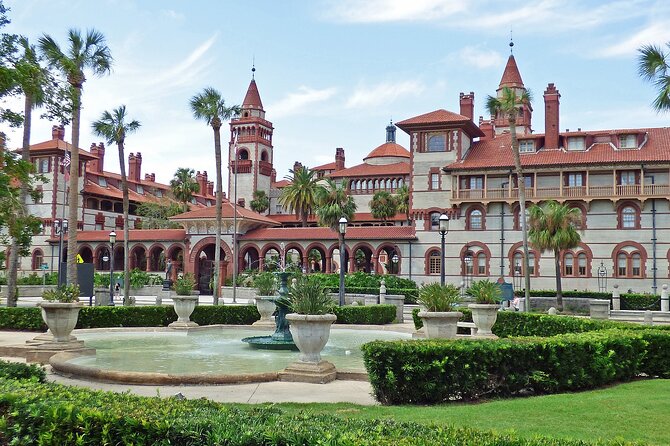
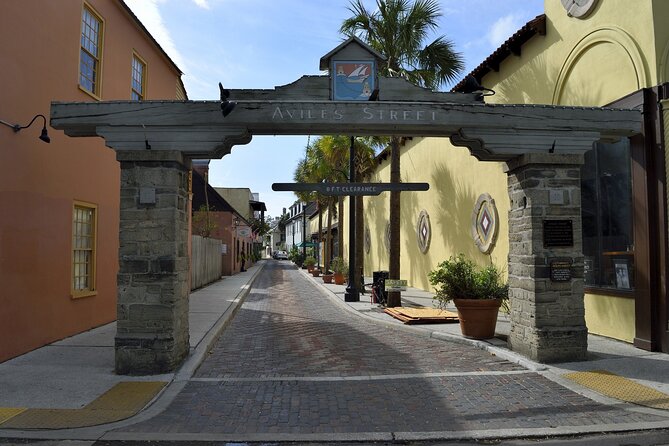
The walk starts on Aviles Street, often described as the oldest street in America. That’s not a trivia flex. It’s a practical launch point, because Aviles Street sets the tone for what you’re about to see: narrow, historic, and built for people long before cars ruled the streets.
At this first stop, you get an overview of what the next 90 minutes will cover. It helps you hear the city like a story rather than a list of buildings. When your guide begins with the big picture, the smaller details you catch later make more sense.
Also, this is where you’ll notice how much St. Augustine’s center is designed for walking. If you’re visiting for the architecture and atmosphere, this route is a strong match.
Plaza de la Constitución: The Civic Center Behind the Postcards
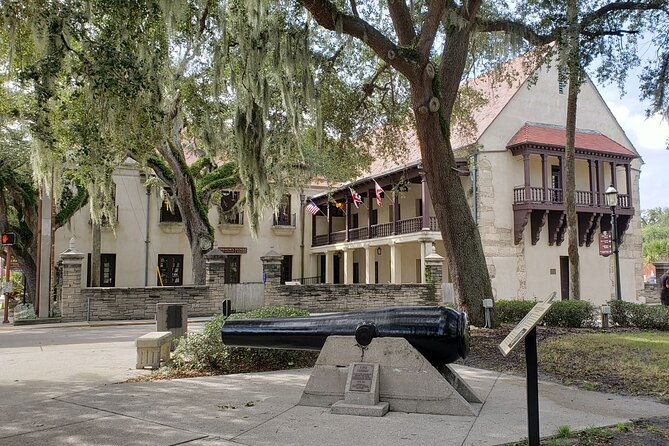
Next you head to Plaza de la Constitución, the historic city square. It’s bordered by landmarks you’ll keep spotting in photos: the Cathedral Basilica of St. Augustine, Trinity Episcopal, and the Government House. Even if you don’t step inside anything right away, standing here gives you the city’s “why” in one spot.
This plaza also faces the Bridge of Lions, which means the view does double duty. You get the civic heart in front of you, and the modern-day visual marker of the bridge behind you. It’s a good moment to understand how St. Augustine’s historic core relates to the rest of the area.
The central pavilion in the plaza is used for city events and entertainment. That matters because it explains something locals already know: the plaza isn’t frozen in time. It’s still a public gathering place.
Castillo de San Marcos: Understanding the Waterfront Fort Story
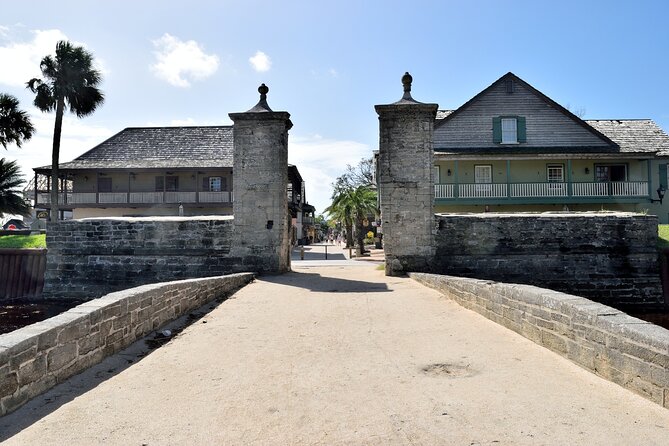
From the plaza, the route shifts toward the waterfront for Castillo de San Marcos National Monument. You’ll hear about it as the oldest standing fort in the continental United States. Even if you don’t plan to buy tickets for deeper exploration, the guide’s explanation helps you read the place like a defensive machine rather than just a big stone landmark.
A key point for your planning: admission is not included here. That doesn’t make the stop less valuable. It just means you should decide in advance whether you want to use your time for inside views or keep it as an exterior and explanation stop.
If you’re the type who likes to understand systems—why walls were built where they were—this is the kind of site that rewards listening. The fort’s location and the city’s coastline really do explain the tone of centuries of conflict and survival.
Old City Gates: James Moore’s Attack and the City’s Response
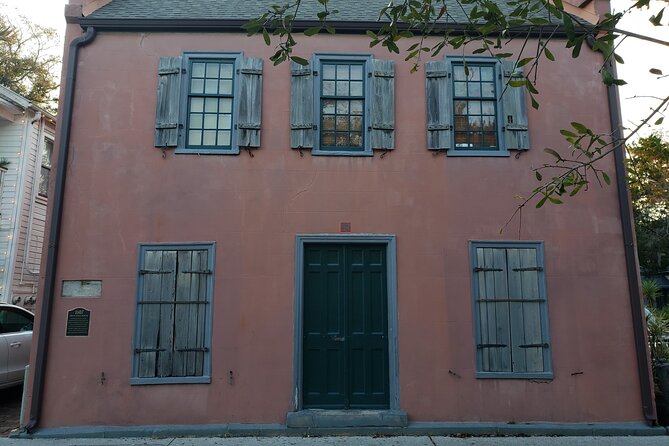
Then you reach Old City Gates, with a history that reaches back deeper than you might expect. The gate as constructed dates to 1808, but the story goes back about a century earlier to when St. Augustine was attacked by Carolinian Governor James Moore and his troops.
This is one of the spots where the guide’s timeline work pays off. The gates aren’t just an old entryway; they represent how the city managed threat and control. If you’ve ever wondered why fortification shows up so often in coastal places, this stop gives you a clear local reason.
Also, it’s a short stop. That’s good, because it gives you a quick history jolt without dragging the pace.
St. George Street: Pedestrian Life Meets Historic Depth
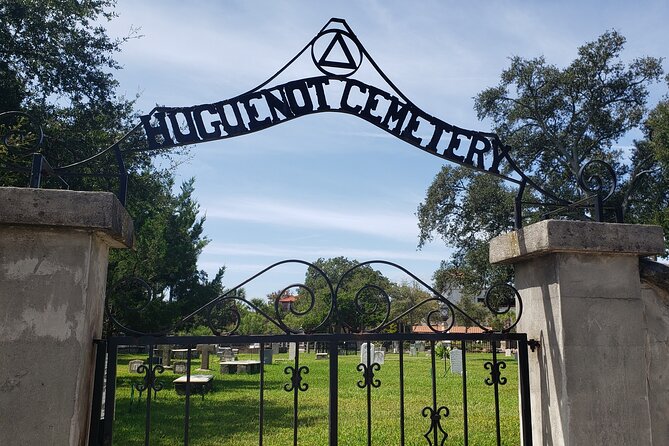
After the defensive angle, the tour swings into everyday city life on St. George Street. This is the city’s backbone: pedestrian-only, lined with restaurants, shops, and attractions, all while still carrying historic weight.
Even if you’ve been tempted to skip “shopping street” stops on tours, don’t. St. George Street is where you can see how St. Augustine functions now—tourism is real here, but it’s layered on top of centuries of settlement and trade.
This is also a practical planning moment. The route puts you near the places you’ll likely want to return to after the tour for a meal or a browse. If you’re hungry, it’s not a bad idea to keep that appetite in mind as you walk.
Saint Photios Greek Orthodox National Shrine: The Mediterranean Connection
One of the most interesting stops is Saint Photios Greek Orthodox National Shrine. The shrine highlights the story of the first colony of Greek, Italian, and Minorcan peoples who came to New Smyrna in 1768, and then arrived in St. Augustine in 1777.
This is the part of St. Augustine history that many first-time visitors miss because most tours focus heavily on Spanish and military themes. Here, you get the immigrant story tied to real places and real settlement patterns. It’s not just a side note; it helps explain how St. Augustine’s cultural mix formed.
The stop is brief, so take it as a “directional” moment: you’ll likely leave wanting to learn more on your own if this topic pulls you in.
Flagler College and the Ponce de Leon Hotel Era
Next comes Flagler College, housed in the former Ponce de Leon Hotel. This building story is huge: it was built by developer and Standard Oil co-founder Henry M. Flagler, completed in 1888. The design is Spanish Renaissance style, created as the first major project by the New York architecture firm Carrère & Hastings.
This stop is a smart contrast to the fort and gates. You move from defense to luxury, from survival to show. You see how St. Augustine became a destination for wealth and leisure, and how that influence left long-lasting architecture.
As with the fort, admission isn’t included. That means you can use the exterior views and guide explanation to get what you need, then decide later if you want to go in.
How the Timing Works and Why 1.5 Hours Fits
The tour runs about 1 hour 30 minutes and keeps the walking and stops balanced. The early segments are heavier on orientation—Aviles Street and the plaza—then it tightens into quick history hits on gates, streets, and themed sites. That structure prevents fatigue while still covering meaningful ground.
Since the route ends near the main plaza, you’re not stuck trekking across town at the end. You finish back in the center, close to where you started. That helps a lot if you’re planning lunch, a sunset walk, or a follow-on visit to a museum or attraction nearby.
One more practical note: I’d plan around the fact that there aren’t announced restroom breaks. If you need one, go before you start. The historic center can be charming, but it’s not set up like a modern mall for convenience stops.
Price and Value: Is $33 Worth It?
At $33 per person, this isn’t a throwaway activity, but it also isn’t priced like a premium day-long tour. For me, the value comes from three things you can feel right away:
First, you get a small group (up to 10). That usually means better chances to ask questions and get answers tied to the exact site you’re looking at.
Second, the route targets high-impact landmarks with strong context. Instead of spending your time picking random stops, you learn why the city looks the way it does—Spanish civic planning, military defense logic, then the hotel-era shift.
Third, guides often share next-step recommendations after the walk. Some people have noted follow-up email or text-style suggestions. That’s useful because it helps you turn your tour into a bigger plan for the rest of your trip.
If you’re visiting for a day or two and want to understand what you’ll see next, this kind of orientation tour tends to pay back quickly.
Practical Tips for Walking Smart in the Historic Center
This is a walking tour, so your comfort matters more than usual.
- Wear shoes you trust on uneven sidewalks. Historic centers don’t do flat-floor promises.
- Bring water, especially if the weather is warm. You’re walking the whole time.
- Budget for optional admissions at Castillo de San Marcos and Flagler College, since those aren’t included.
- If you’re sensitive to crowds, the small group helps, but you’ll still be in a tourist-heavy zone around major landmarks.
Weather is also part of the deal. The experience requires good weather. If conditions are poor, you’ll be offered a different date or a full refund.
Who This Tour Suits Best
This tour fits best if you want a strong introduction without committing to a full day.
It’s ideal for:
- First-time visitors who want a clear route through the historic core
- Couples and friends who like history but don’t want to sit in lectures
- Families who want a guide to keep kids’ attention with stories and pacing
- Anyone who wants where-to-next tips so the rest of the trip doesn’t feel like guesswork
If you already know a lot about St. Augustine and want in-depth museum time inside buildings, you might find you’ll still need follow-up activities after the walk. But as an orientation, it’s an excellent starter.
Should You Book This St. Augustine History Walking Tour?
I’d book it if you want your first day (or first morning) to make sense. The route covers the places that shape how you understand St. Augustine: oldest street energy, the civic plaza, defensive waterfront context, immigrant history, and the later hotel-era shift at Flagler’s landmark.
Skip it only if you strongly prefer long, inside-the-building visits or if you know you don’t do well with a steady walk for about 90 minutes. Since a couple of major sites have admission not included, you’ll also want to decide whether you’re the type who will pay extra to go inside.
If your goal is simple—get your bearings fast and learn what you’re looking at—this is a solid bet.
FAQ
How long is the St. Augustine history walking tour?
It runs for about 1 hour 30 minutes (approximately).
How many people are in the group?
The tour has a maximum of 10 travelers, which keeps it small-group focused.
Is the tour in English?
Yes, it is offered in English.
Where does the tour start and end?
It starts at 11d Aviles St, St. Augustine, FL 32084, and finishes back in the center at Plaza de la Constitución, 170 St George St, St. Augustine, FL 32084.
Are tickets for Castillo de San Marcos and Flagler College included?
No. Castillo de San Marcos National Monument and Flagler College list admission as not included, while several other stops note free admission.
What happens if the weather is bad?
The experience requires good weather. If it’s canceled due to poor weather, you’ll be offered a different date or a full refund.