REVIEW · ZAGREB
Zagreb: Small Group Walking Tour City Center and WW2 Tunnels
Book on GetYourGuide →Operated by Petros · Bookable on GetYourGuide
Zagreb can feel tiny and mighty at once. This small-group walk strings medieval streets, local daily life, and a WWII underground tunnel into one tight route. You’ll hop from Zrinjevac Park to Ban Jelačić Square, then climb into Gradec for views that feel like free souvenirs.
Two things I really like: the way the licensed guide ties architecture to everyday habits and even social trends, and the simple fact that you see the big-name sights plus the less-obvious stops without wasting time. Guides such as Petra and Tom stand out for fluent storytelling, good pacing, and answering questions without making you feel rushed.
One consideration: the WWII tunnel (Grič Tunnel) can be closed for events, and the funicular is under renovation until March 2026, so plan for alternate viewing if those parts aren’t accessible.
In This Review
- Key Points You’ll Care About
- A Smart Way to See Zagreb’s Center on Foot
- Price and What You Actually Get for $23
- Start at Zrinjevac: The Meeting Point That Gets You Oriented
- Ban Jelačić Square to the Cathedral: How Zagreb Earned Its Name
- Dolac Market: The Belly of Zagreb (and a Timing Trap)
- Tkalčićeva Street Energy: Zagreb’s Everyday Social Life
- WWII Underground at Grič Tunnel: Real Contrast in 20 Minutes
- Up to Gradec: Strossmayer Promenade Views That Feel Like Postcards
- Lotrščak Tower and Saint Mark’s: The Postcard Roofline Moment
- Museum of Broken Relationships: A Quick Pass-By With Attitude
- Stone Gate and the Oldest Pharmacy: A Surviving Piece of City Walls
- The Funicular Note: It’s Nearby, but You Might Not Ride It
- A Secret Stop and Ending Back in the Center
- What Makes the Guides Here Feel Different
- Who This Tour Suits Best
- Should You Book This Zagreb Walk and WWII Tunnel Tour?
- FAQ
- Where is the tour starting point?
- How long is the walking tour?
- Does the tour include food or drinks?
- What if the WWII tunnel is closed?
- Is Dolac Market always open during the tour?
- Is the tour wheelchair accessible?
Key Points You’ll Care About
- Small group format keeps the pace human and the questions welcome
- Grič Tunnel stop adds real contrast to the bright city streets
- Panoramic Gradec views from Strossmayer Promenade are quick and worth it
- Old Town essentials: Cathedral, Dolac Market, Lotrščak Tower, St Mark’s, Stone Gate
- Dolac Market timing matters since it can close in the afternoon and on public holidays
A Smart Way to See Zagreb’s Center on Foot
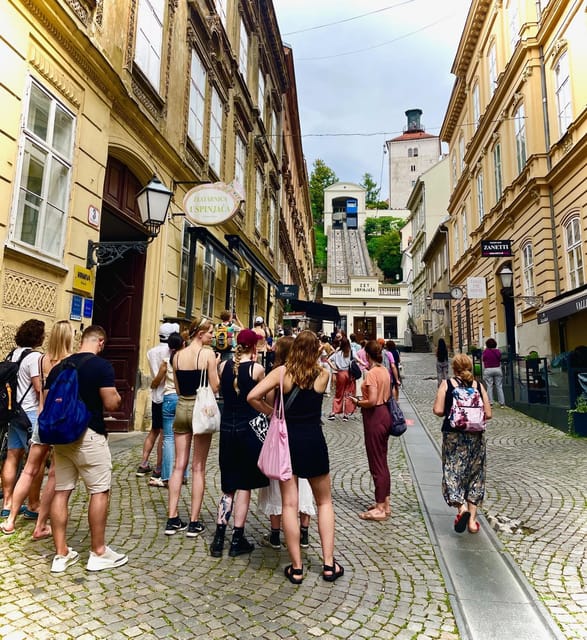
Zagreb’s old core works best when you move on foot. Streets connect in a way that feels logical once you’re walking them, not just staring at a map. This tour gives you that “I get it now” effect fast, because it covers the main squares and the major landmarks, then throws in a WWII tunnel to keep your brain switched on.
The group size stays small, which matters more here than in some cities. Small groups mean you’re not lost in a crowd, and your guide can slow down when someone asks a good question. In the feedback, guides like Petra, Tom, and Maya are praised for weaving history with modern life, not just reciting facts.
At about 2.5 hours, you’re not trapped for half a day either. It’s a practical choice if you have only one full day or you want to start your trip with a solid orientation.
You can also read our reviews of more walking tours in Zagreb
Price and What You Actually Get for $23
At $23 per person, you’re paying for a licensed local guide and a walking tour that hits a lot of ground. Food is not included, so think of this as the history-and-views part of your day, then you’ll eat on your own afterward.
Value here is about efficiency. Many self-guided walks can cover similar sights, but you’ll miss the connective tissue: why the city is laid out this way, what the landmarks meant over time, and how daily Zagreb life looks alongside the big stories. That’s what guides like Petra and Maya are repeatedly singled out for: explaining the past and then tying it to how people behave now.
If you like your sightseeing to come with context, this cost makes sense. If you prefer to wander with zero structure, you might feel the schedule is a bit “tight,” especially when weather turns.
Start at Zrinjevac: The Meeting Point That Gets You Oriented
You begin at Zrinjevac Park (Zrinjevac 2), near the meteorological station, on the north side of the park. This is a good start because it’s central and easy to landmark, and it nudges you into walking mode right away.
The tour includes an early photo stop in Zrinjevac. That’s not just for pictures. It sets the tone: you’re starting in a green pocket, then moving toward the civic heart. From there, the pace shifts from calm park energy to the bustle of the main square and the story of how Zagreb formed.
Ban Jelačić Square to the Cathedral: How Zagreb Earned Its Name
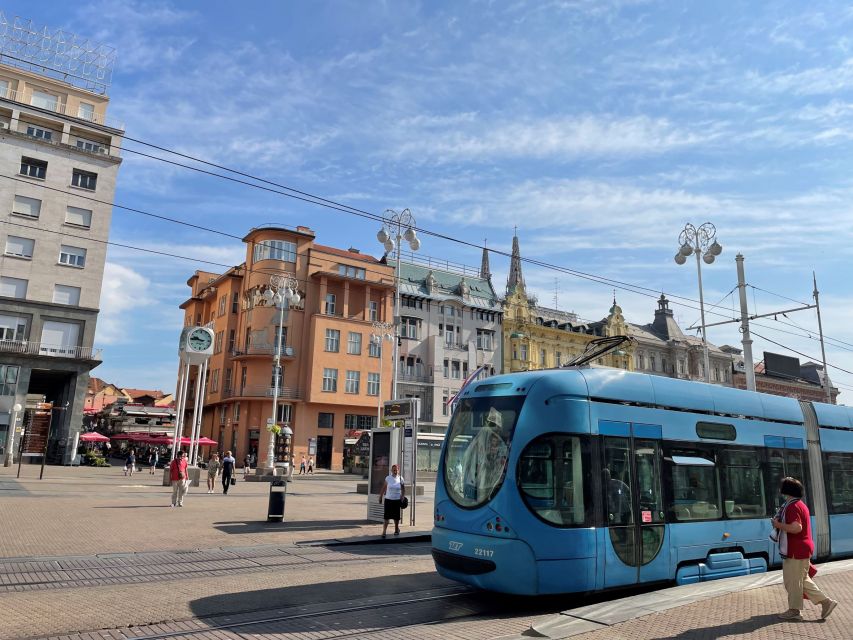
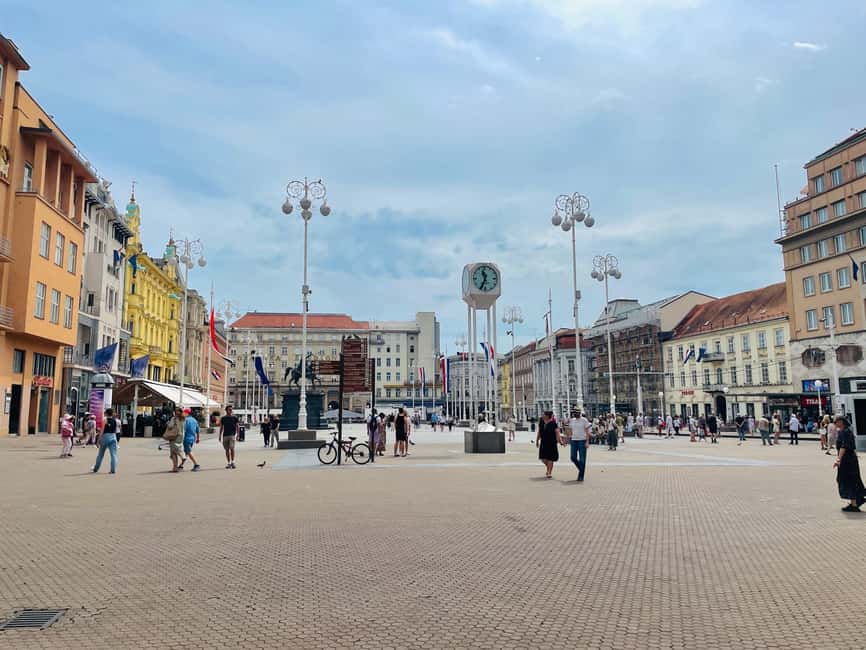
Next comes Ban Josip Jelačić Square, a key center point for orientation and street-level history. From here, the guide explains how Zagreb got its name, then guides you onward to the Cathedral of the Assumption of the Blessed Virgin Mary.
The cathedral stop is short but meaningful. You’ll hear about its origins, the difficulties it faced, and why renovation mattered. This is one of those landmarks where photos never show the full story. A guide helps you read the building instead of just looking at it.
And because this tour keeps moving, you don’t spend your whole time planted at one spot. The cathedral becomes a chapter, not the whole book.
Dolac Market: The Belly of Zagreb (and a Timing Trap)
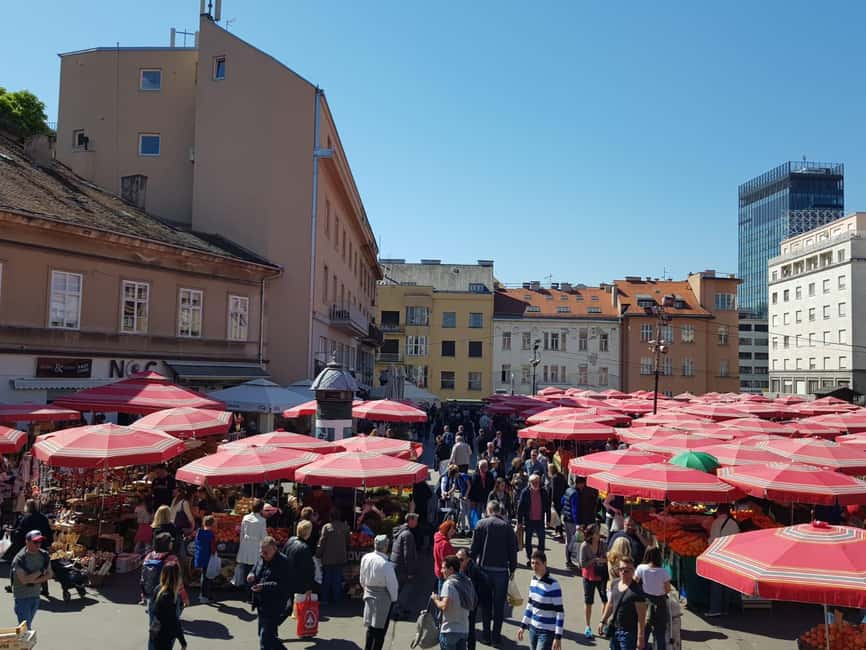
Then you reach Dolac Market, Zagreb’s classic food market scene. Expect a photo stop plus guided context about why this market matters in city life. The market is often described like the belly of the city for a reason: it’s where daily rhythms show up.
Two practical notes you should actually care about:
- Dolac Market closes in the afternoon and on public holidays.
- If you’re there during a closure window, you might only see the area rather than the full market vibe.
This is one reason to book a start time that puts you near the market earlier in the day. If you’re flexible, don’t wait until late-afternoon slots.
Tkalčićeva Street Energy: Zagreb’s Everyday Social Life
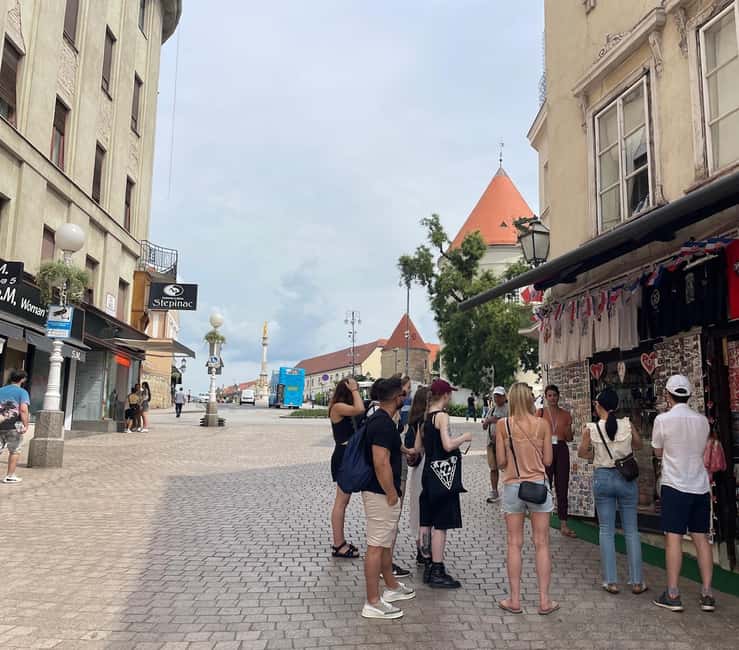
As you work through the center, you’ll hear about Tkalčićeva Street, often called the bar street. It’s not just “places for drinks.” The guide frames it as a window into everyday habits—how people linger, where they gather, and what socializing looks like outside tourist boxes.
This kind of stop is why I like guided walking tours in cities with strong local street culture. Even when you’re not stopping for food, you come away with a mental map of where locals actually spend time.
WWII Underground at Grič Tunnel: Real Contrast in 20 Minutes
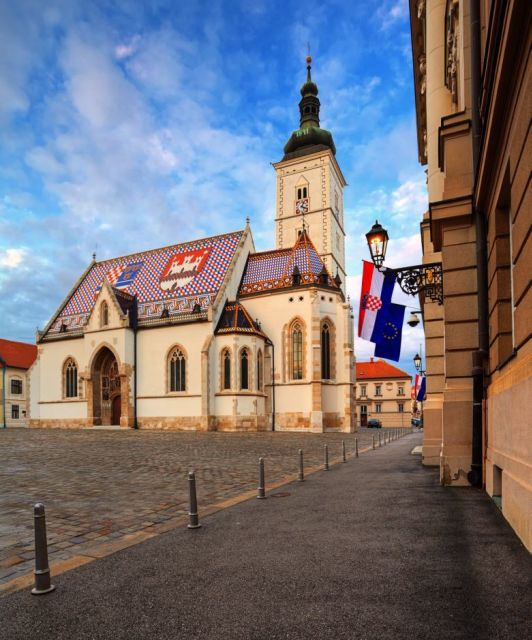
Now the tour shifts. The highlight here is a stop at the Grič Tunnel, tied to WWII. You’ll do a photo stop and guided walkthrough for about 20 minutes.
This underground contrast is the reset button your brain needed after cathedral stone and market colors. Above ground, Zagreb can look charming and sunny. Underground, the story changes tone fast.
There’s one real risk: the WWII tunnel may be closed to visitors if there’s an event inside, such as an exhibition or theatre show. If it’s closed, you may not be able to visit that section at all, so keep that possibility in mind when planning the rest of your day.
Also note the tour is not designed for wheelchair users, so if mobility is an issue, you’ll want to check alternatives before you go.
Up to Gradec: Strossmayer Promenade Views That Feel Like Postcards
From the tunnel area, you head into the Upper Town (Gradec). You get a short walk and then scenic viewing time on the way. It’s not a long climb, but you still get that “we’re higher now” feeling.
A key moment here is the Strossmayer promenade, described as a best spot for panoramas of Zagreb rooftops. This is exactly the kind of place where a guide helps: you don’t just see rooftops, you learn what you’re looking at and where the different parts of the city connect.
If you’re the type who enjoys architecture but also wants to understand how the city developed, Gradec is where the tour starts to click.
Lotrščak Tower and Saint Mark’s: The Postcard Roofline Moment
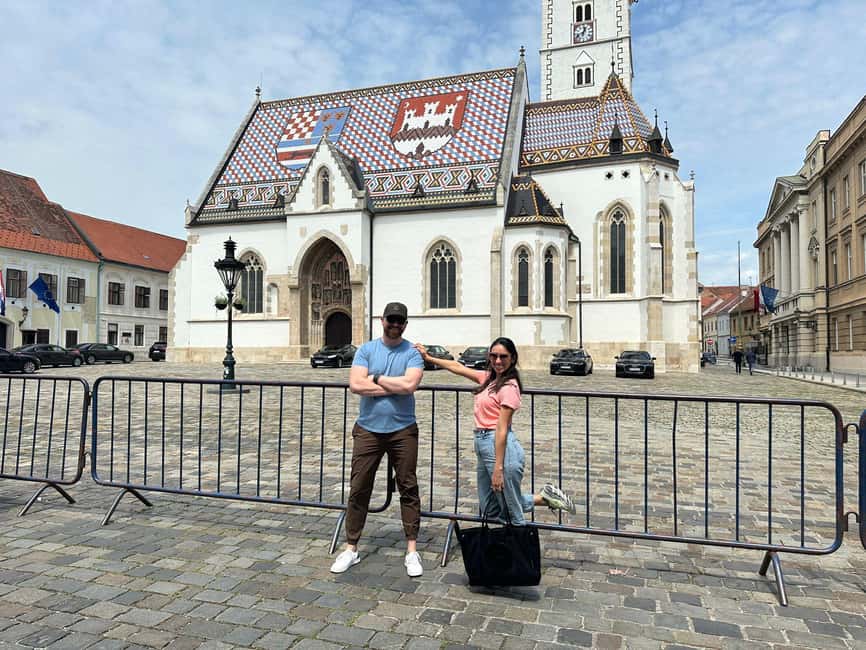
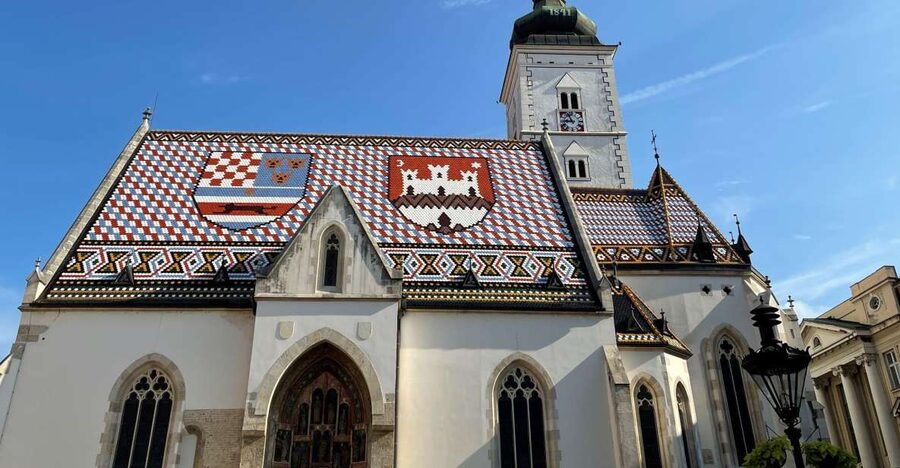
Next up: Lotrščak Tower with a photo stop and guided chat. You’ll also visit St Mark’s Church at St Mark’s Square. This church is famous for the rooftop view that shows up on postcard after postcard.
What makes this stop better with a guide is perspective. Without guidance, you might just note the colors and move on. With guidance, you get the significance, plus the broader story of what Upper Town life looked like when the city was shaped by these strong points.
If you’re short on time in Zagreb, this is the moment where the tour delivers obvious payoff.
Museum of Broken Relationships: A Quick Pass-By With Attitude
You’ll pass by the Museum of Broken Relationships. This stop is brief—more like a nod than a guided visit—but it adds a modern, slightly quirky layer to the day.
It’s also a reminder that Zagreb isn’t just medieval and wartime. It has contemporary cultural experiments too. If you’re curious, you can always return later on your own when you have time to read, wander, and take it at your own speed.
Stone Gate and the Oldest Pharmacy: A Surviving Piece of City Walls
Leaving Gradec, you walk through the Stone Gate. This gate was part of the old city walls and is the only surviving gate. That fact alone makes it worth slowing down for.
Inside, there’s a small chapel connected to Our Lady, the patron saint of Zagreb, and the guide explains the miraculous picture housed there. You’ll also hear about the nearby oldest pharmacy in Zagreb, dating from the 14th century.
This is one of those stops where you realize walking tours are basically “compressed archaeology.” The city keeps remnants in plain sight. A guide points them out so you don’t miss the meaning.
The Funicular Note: It’s Nearby, but You Might Not Ride It
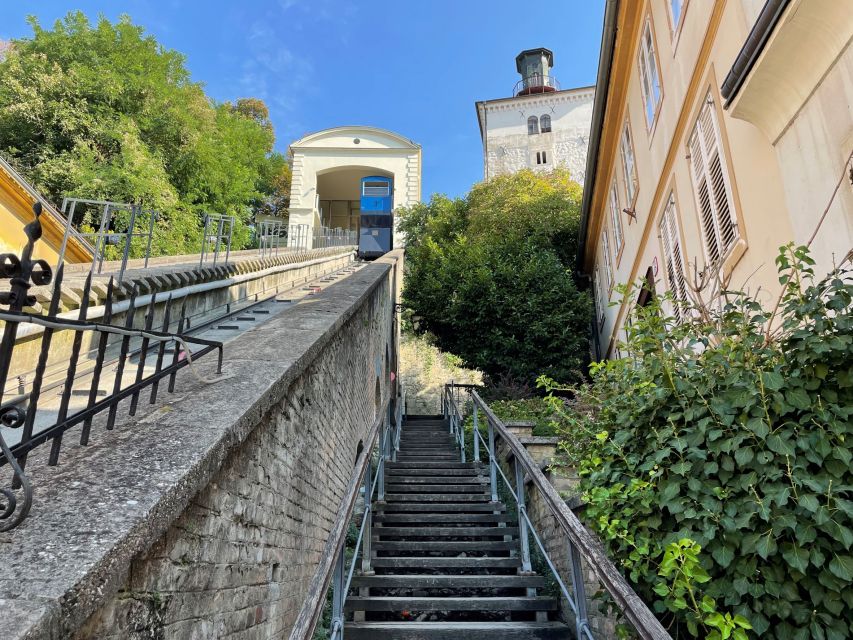
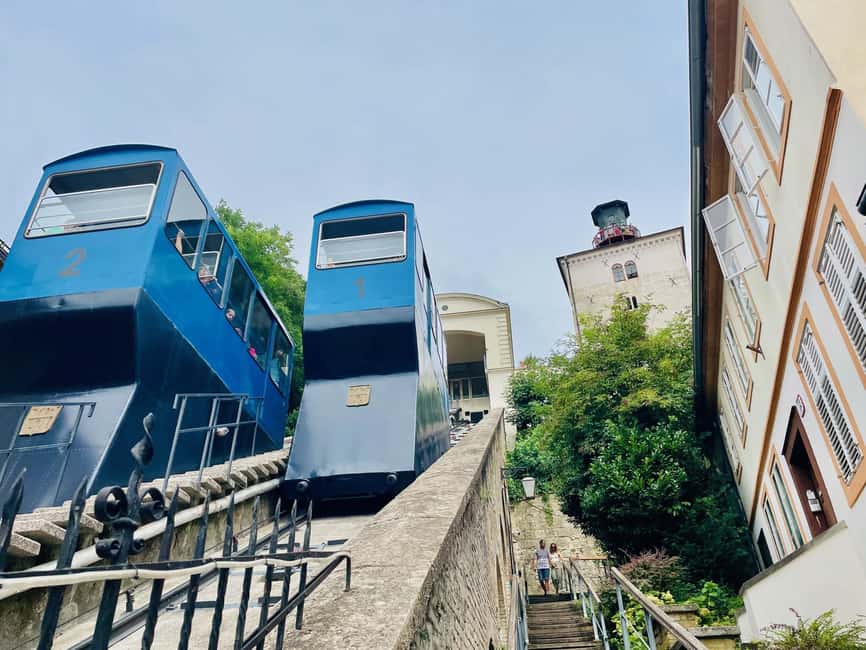
There’s a short mention of the charming funicular, and it’s framed as the oldest form of public transportation in Zagreb, bringing joy for over 135 years. The practical catch: it’s closed due to renovation until March 2026.
So don’t plan your day around a funicular ride after this tour. You can still see the area, but you should expect a look, not a ride.
A Secret Stop and Ending Back in the Center
The tour includes a quick pass-by at a secret stop, then it wraps up back in the city center area near Ban Jelačić Square. That makes it easy to keep your day going: you’re dropped near where you’ll likely want to eat, shop, or hit your next attraction.
If you’re trying to build an itinerary, this matters. Starting in Zrinjevac and finishing near the main square is about creating a loop, so you don’t spend your evening crisscrossing.
What Makes the Guides Here Feel Different
The guides are a big part of the value. Petra is repeatedly praised for storytelling that connects history, culture, architecture, and social trends into a clear narrative. Tom gets credit for fluent English and patience with questions. Maya earns praise for pairing historical facts with modern insight into how Zagreb people live today, plus helpful restaurant suggestions.
You’ll also notice a pattern: guides keep the pace smooth even if weather isn’t perfect. One review noted rainy conditions but still described the experience as enjoyable. The takeaway for you is simple: you’ll likely still get value even when the sky isn’t cooperating.
Also, the tour tends to feel personal because of the small group format. When someone was late, the guide coordinated to let them join partway through. So if you run into trouble, it helps to communicate quickly.
Who This Tour Suits Best
This is a strong fit if:
- You want a first-time Zagreb orientation without doing hours of planning
- You like history that connects to how people live now
- You want the main sights plus one major curveball: a WWII tunnel
- You prefer walking with a guide to reading long plaques on your own
It’s less ideal if:
- You hate walking (it’s a walking tour, after all)
- You need wheelchair access, since it is not suitable for wheelchair users
- You’re counting on Dolac Market being fully active if your timing lands in the afternoon or public holidays
- You’re visiting specifically for the tunnel experience and can’t tolerate a chance it may be closed due to events
Should You Book This Zagreb Walk and WWII Tunnel Tour?
If you want to understand Zagreb fast and you like your sightseeing with stories, I’d book it. For $23, you’re getting a licensed guide, a tight route through the city’s key landmarks, and a WWII tunnel stop that changes the mood in a way you won’t get from a typical “pretty streets” walk.
Do keep your expectations practical. The tunnel can be closed for events, Dolac Market timing can limit what you see, and the funicular won’t likely be running during renovation. Still, even with those “maybe” factors, the structure is strong enough that you’ll come away with a clear picture of the city.
In short: if this is your first time in Zagreb, it’s one of the best ways to get your bearings fast.
FAQ
Where is the tour starting point?
The tour starts at Zrinjevac (Trg Nikola Subic Zrinski 2), next to the meteorological station on the north side of the park.
How long is the walking tour?
It lasts about 2.5 hours.
Does the tour include food or drinks?
No. Food and drinks are not included.
What if the WWII tunnel is closed?
The WWII tunnel may be closed to visitors if there is an event in it. If that happens, it won’t be possible to visit the tunnel.
Is Dolac Market always open during the tour?
No. Dolac Market is closed in the afternoon and on public holidays.
Is the tour wheelchair accessible?
No, it is not suitable for wheelchair users.